DbcultAccessing Vault...
6.1/10
Senior Film Conservator
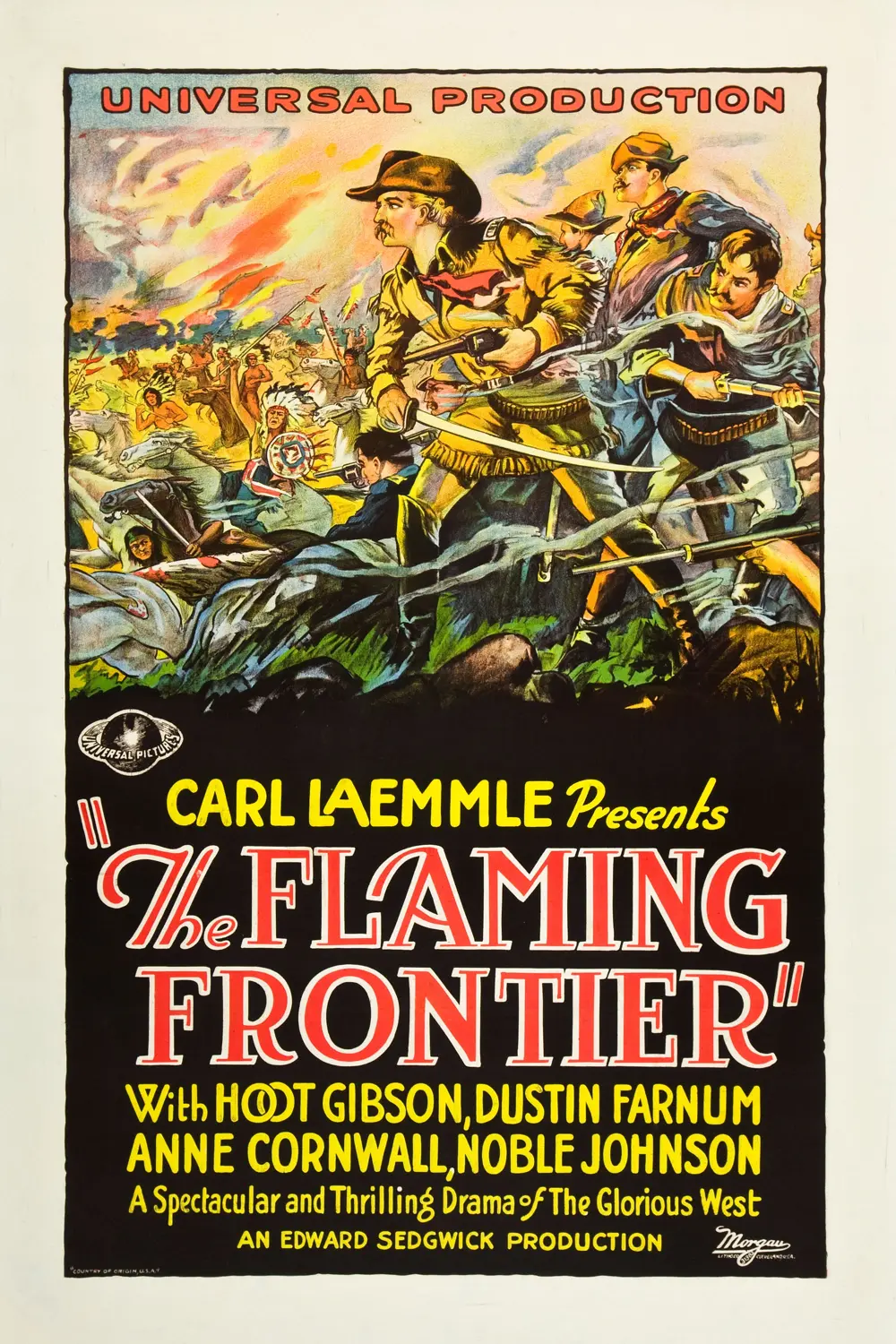
A definitive 6.1/10 rating for a film that redefined the boundaries of cult cinema. The Flaming Frontier remains a cornerstone of transgressive art.
Short answer: Yes, but with an understanding that it's a product of its time and comes with certain limitations. The Flaming Frontier is a solid entry in the Western genre, offering a glimpse into the historical context of the Battle of Little Big Horn.
Who should watch it: Fans of Westerns, particularly those interested in silent films or historical dramas.
Who should avoid it: Those looking for a modern, high-budget Western or those who dislike the silent film format.
This film works because: It captures the raw, untamed spirit of the American frontier and the harsh realities of military life in the 19th century. The performances are strong, especially Noble Johnson as Bob Langdon, and the landscapes are stunning.
This film fails because: The pacing can be uneven, with some scenes dragging while others feel rushed. The dialogue, while effective in conveying the tension, can feel stilted in the silent film context.
You should watch it if: You're a fan of epic Western stories, silent films, or historical dramas set in the American West during the late 19th century.
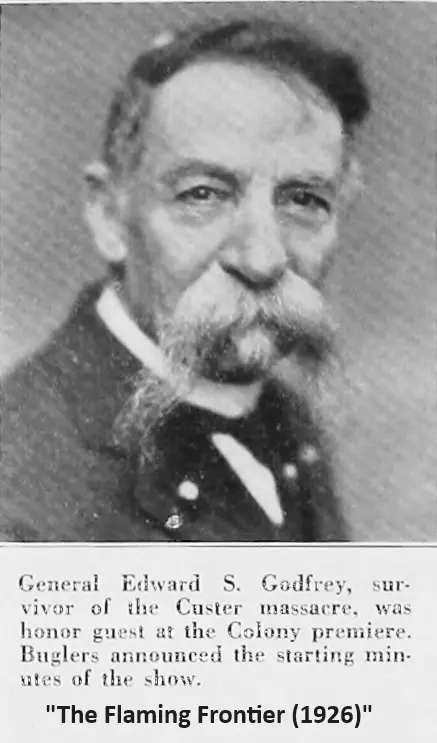
The Flaming Frontier is set in the year 1876, a time when the United States was still expanding westward, and tensions between Native American tribes and the U.S. military were high. The film is based on real events, including the Battle of Little Big Horn, which is a significant event in American history. The film's setting is the vast, untamed frontier, a place of both beauty and danger.
The performances in The Flaming Frontier are standout elements of the film. Noble Johnson, who plays Bob Langdon, is particularly impressive. He conveys a sense of resilience and determination, which are essential traits for a Pony Express rider. His character development is gradual but effective, showing the transformation from a young rider to a seasoned scout. The supporting cast, including George Fawcett and Walter Rodgers, also deliver solid performances, adding depth to the story.
Irvin Willat, the director, effectively captures the vastness of the western landscapes. The cinematography is a highlight of the film, with sweeping shots of the open plains and the stark beauty of the Montana wilderness. The battle scenes, particularly the Battle of Little Big Horn, are intense and well-executed, despite the limitations of the silent film era. The use of natural light and shadow adds to the realism of the scenes, making the battles feel more like historical events than staged performances.
The pacing of The Flaming Frontier can be uneven. The film starts with a slow build, establishing the characters and the setting, which can be a bit tedious for modern viewers. However, once the Battle of Little Big Horn is introduced, the pacing picks up significantly. The tension builds as the audience watches the events unfold, culminating in the harrowing battle sequence. The tone of the film is a mix of adventure, drama, and historical accuracy, which keeps the audience engaged.
In comparison to other Westerns of the silent era, The Flaming Frontier holds its own. It's not as polished as some of the high-budget productions of the time, but it offers a genuine, if sometimes rough, portrayal of the era. It can be compared to films like The Outcast (1924), which also deals with similar themes and settings. Both films offer a glimpse into the life of the American frontier, albeit from different angles.
For fans of silent films and Westerns, The Flaming Frontier is definitely worth a watch. It offers a unique perspective on a significant historical event and is a testament to the storytelling capabilities of the silent film era. However, it's not without its flaws, particularly in pacing and dialogue. It's a film that requires a certain level of patience and appreciation for the art form.
Overall, The Flaming Frontier is a film that offers a unique and historical perspective on the American West. While it has its flaws, it's a testament to the storytelling capabilities of the silent film era. It's a film that requires a certain level of patience and appreciation for the art form, but for those who are willing to see it, it's a rewarding experience. It works. But it's flawed. It's a gem, but it's also a relic of a bygone era. Is it worth watching today? Absolutely, but with an understanding of its time and context.
IMDb 6.6
1930
Community
Log in to comment.