DbcultAccessing Vault...
Cult Review
Senior Film Conservator
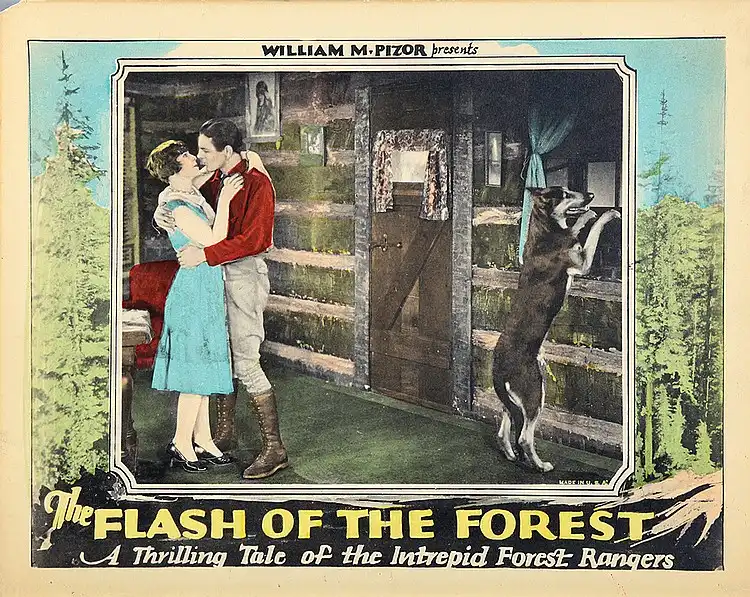
So, The Flash of the Forest—is it worth digging up? Honestly, yes, if you’re someone who likes the *idea* of a film, rather than just a straightforward plot. This one's for the patient types, the folks who appreciate early cinema’s attempts at mood and visual storytelling. If you need explosions or crystal-clear motivations, you’ll probably find it frustrating. But if you're open to something that feels more like a dream than a narrative, stick around.
The whole thing feels like a memory. You're dropped into these dense woods, all shadows and dappled light. The camera work, even for its time, really tries to get you lost in there. It *wants* you to feel the quiet, the damp air.
There's this character, referred to as 'Braveheart' in the credits—I think it’s a nickname, for sure. He’s got this intense, almost desperate look in his eyes through most of the runtime. You can almost feel the weight of whatever he’s chasing, or running from. He’s always just on the edge of the frame, moving fast.
And then there’s *the flash*. It happens maybe a third of the way in. Just a quick burst of light, almost too bright, that illuminates something in the undergrowth for just a second. The film doesn’t explain it. We just see this sudden, almost blinding light, and then it's gone. The immediate cut to Braveheart's reaction, a sort of startled wonder, is one of the film’s strongest moments. It makes you lean in.
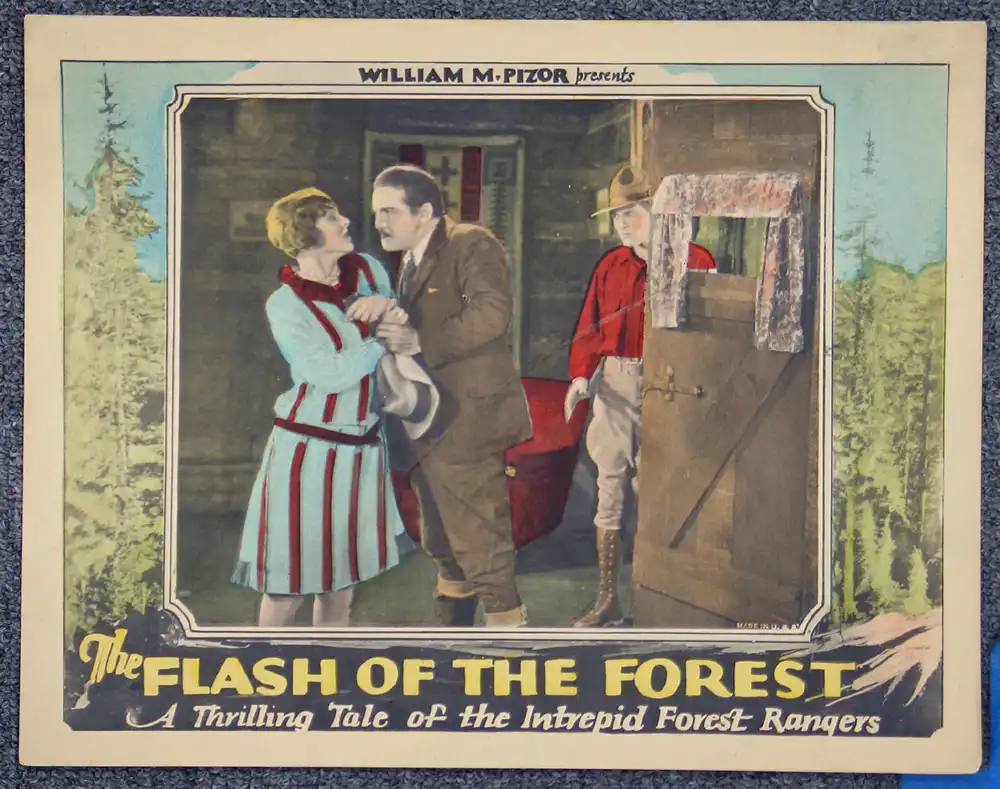
The pacing here is… uneven. Long stretches of just walking, or the camera panning slowly across trees. Then, suddenly, a burst of quick cuts, almost jarringly fast, usually around one of the 'flash' moments. It's not smooth, and it makes you feel a little off-balance, which I think is probably the point. It’s not trying to be seamless.
One scene, maybe two-thirds of the way through, has Braveheart just *staring* at a single, gnarled tree root for a good minute. It goes on so long you start to wonder if the projectionist fell asleep. But then, you realize the way the light is catching it, making it look almost like a distorted face. It’s those tiny, strange details that kinda stick with you, long after the main 'action' has faded.
The forest itself is a character. Every leaf, every patch of moss feels important. There's this one shot, a wide angle looking up through the canopy, where the branches form this intricate, almost gothic pattern against the sky. It’s absolutely beautiful, and then the camera just… stays there for a while. Not moving. Just observing.
The whole thing feels very much like a Hearts Asleep kind of experience, if that makes sense. Less about plot points and more about *atmosphere* and *emotion*. You don't get much in the way of answers. What was the flash? What was Braveheart even doing out there? The film just shrugs at you. You're left to piece together the implications yourself.
It’s The Flash of the Forest’s refusal to explain itself that makes it memorable. It's a bit messy, maybe a little too slow at times, but it has this raw, almost experimental energy. Don't expect a neatly tied bow. Expect something that just… *is*. You might find yourself thinking about that flash, and Braveheart’s intense gaze, for days after.

IMDb 6.1
1931
Community
Log in to comment.