DbcultAccessing Vault...
6.2/10
Senior Film Conservator
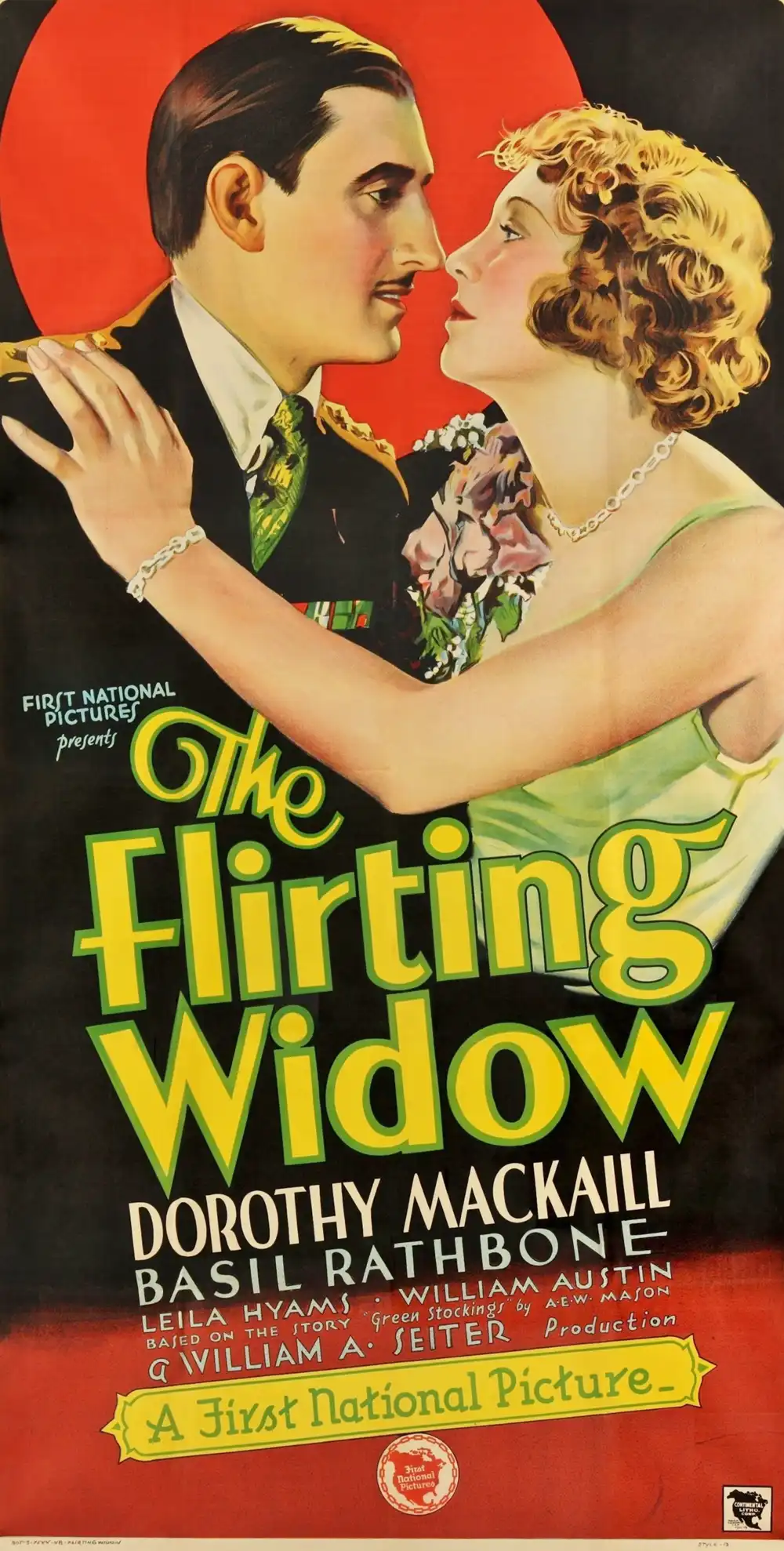
A definitive 6.2/10 rating for a film that redefined the boundaries of cult cinema. The Flirting Widow remains a cornerstone of transgressive art.
If you're in the mood for something light and don't mind the crackly sound of a 1930s film, this is worth an hour of your life. It’s perfect for people who like screwball comedies where the whole plot depends on one really big lie. If you hate stagey movies where people talk fast in small rooms, you'll probably want to skip it.
The whole thing is built on this old-fashioned rule that the older sister has to marry first. It feels so dated, but it makes for a great setup. Dorothy Mackaill plays Celia, the older sister who just wants everyone to leave her alone.
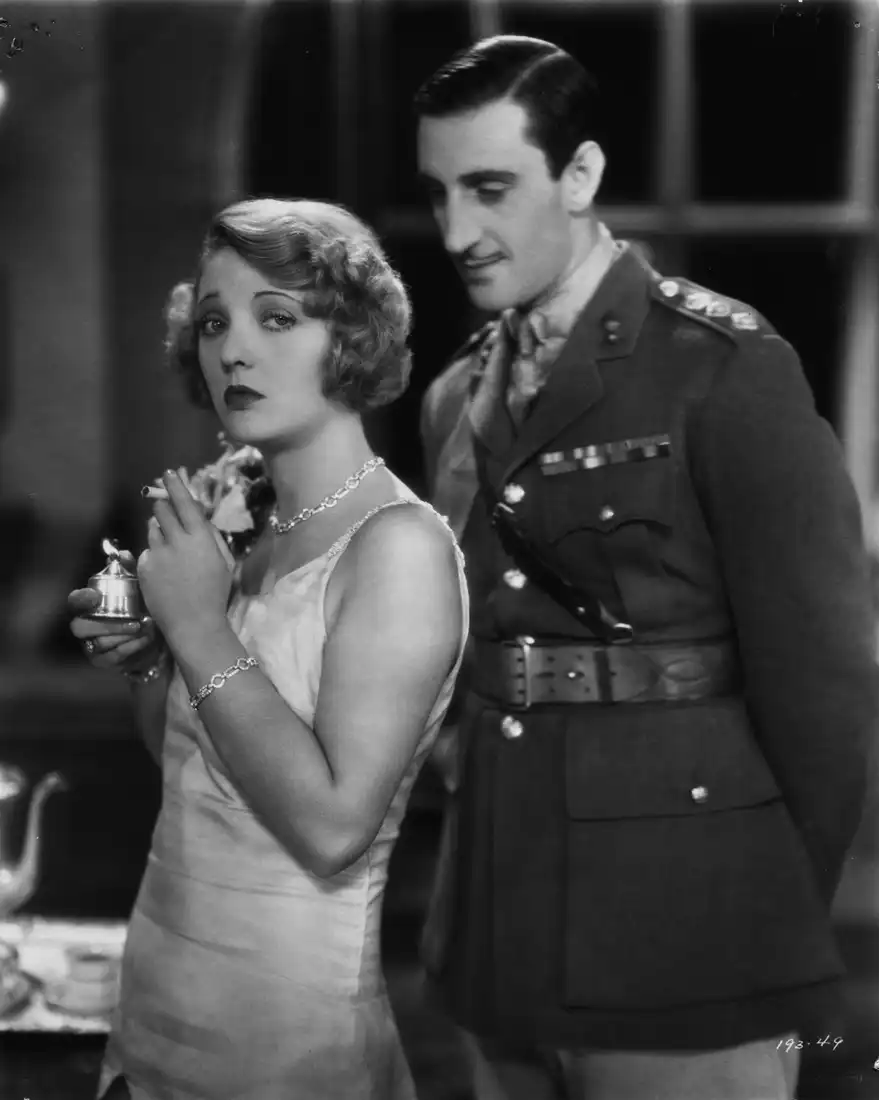
She decides to invent a boyfriend. She picks the name John Smith. I mean, come on. That is the most uncreative lie in history. Even for 1930, that's just lazy writing from the character, which actually makes it kind of funny.
She 'kills' him off so she can be a widow and have some peace. But then Basil Rathbone shows up. This is way before he was Sherlock Holmes, and he’s actually really charming here. He has this look in his eye like he knows exactly what’s going on and he's just waiting for her to trip up.
The dad, played by Claude Gillingwater, is hilarious in a 'get off my lawn' kind of way. He spends most of his scenes looking like he just sucked on a lemon. His reactions to the news of the 'death' are so dry.
I noticed the sets look a little flimsy. There’s a scene in the drawing room where the shadows on the wall don't quite match where the lamps are. It gives it that weird, cozy filmed-on-a-stage feeling.
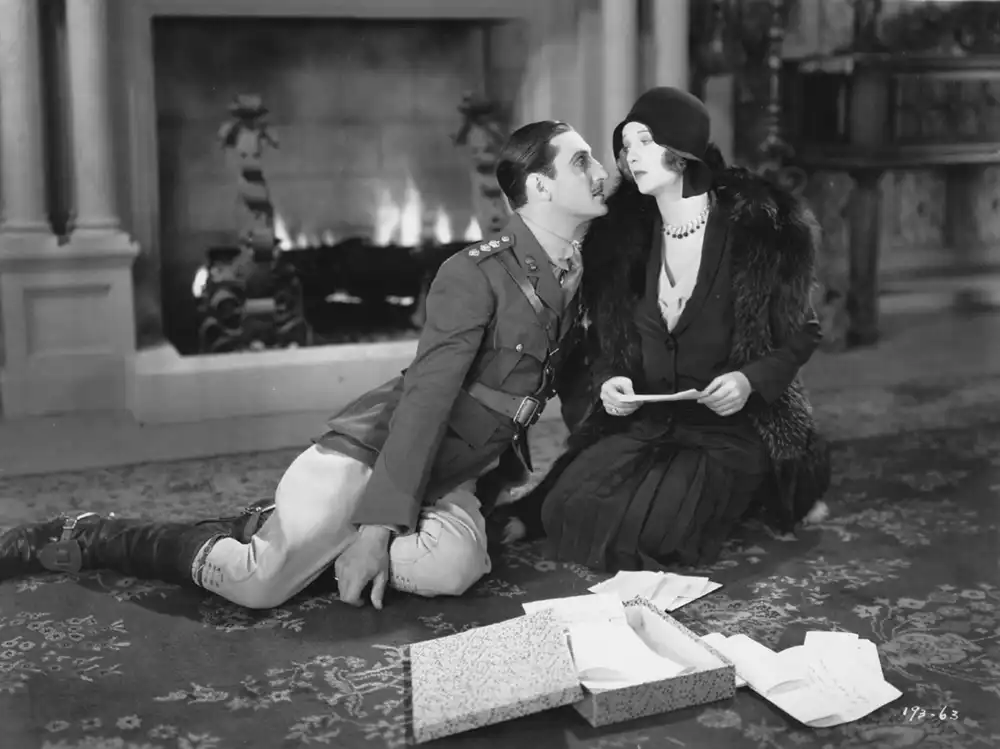
It’s a bit like Meet the Missus in terms of that frantic family energy. Everyone is constantly walking into rooms they shouldn't be in. The dialogue is snappy, though sometimes the actors talk over each other a bit too much.
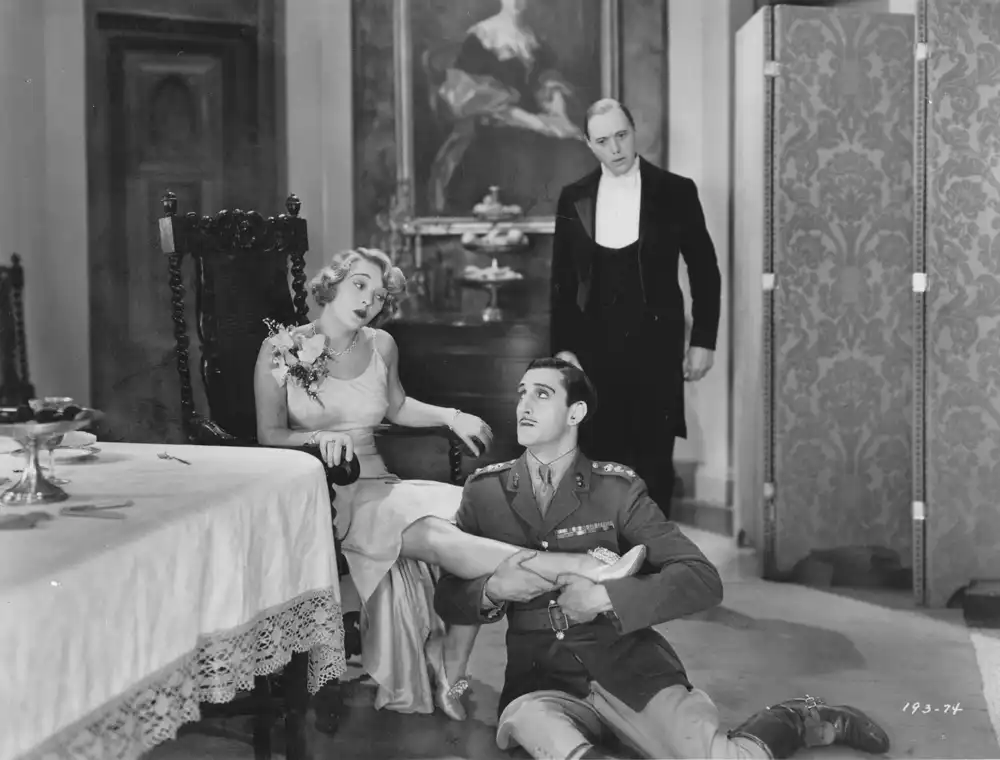
There is a moment where Celia is wearing this massive black mourning veil. It looks like she’s caught in a fishing net. She’s trying to look sad, but she keeps poking her drink through the lace. It’s a small detail, but I couldn't stop watching it.
The middle part of the movie drags just a tiny bit when they go to the country house. It feels like they were trying to fill time. Some of the side characters, like the younger sister Phyllis, are a little loud for my taste. She’s just a bit too much.
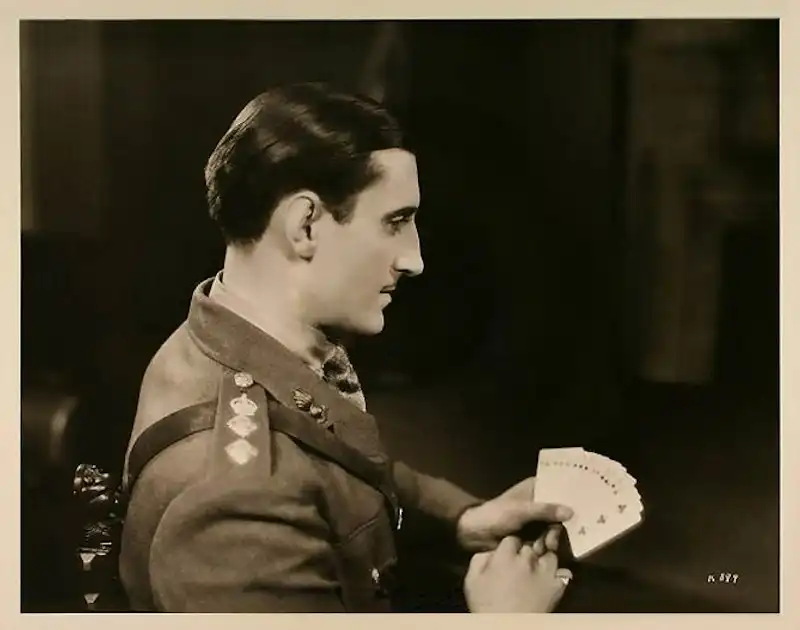
But when Rathbone and Mackaill are on screen together, it works. Their chemistry is actually pretty decent. He plays the 'Colonel' with this smugness that makes you want to see him win and get caught at the same time.
If you've seen Beauty and the Beast, you know how different films from this era can look. This one isn't trying to be art. It's just trying to be a joke that lands.
The ending comes out of nowhere. It’s like the director realized they only had two minutes of film left and just decided to wrap everything up with a bow. It’s not very satisfying, but it fits the goofy tone.
I wouldn't call it a masterpiece or anything. It’s just a solid, funny little movie about how lying usually makes your life way more complicated than it needs to be. Sometimes that's all you need on a Tuesday night.
One more thing—the sound quality gets a bit rough during the loud dinner scene. I had to turn my volume up and down twice. Just a heads up if you're sensitive to that kind of thing. 🎞️
IMDb 4.2
1917
Community
Log in to comment.