DbcultAccessing Vault...
5.3/10
Senior Film Conservator
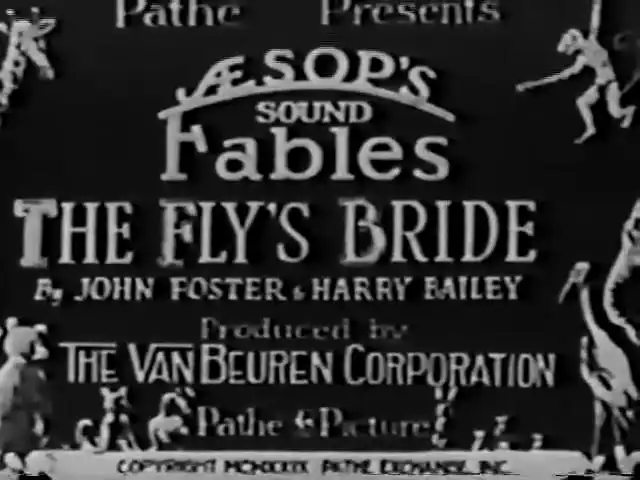
A definitive 5.3/10 rating for a film that redefined the boundaries of cult cinema. The Fly's Bride remains a cornerstone of transgressive art.
So, The Fly's Bride. Yeah, it's one of *those* movies. If you're looking for polished storytelling or a big-budget spectacle, you'll probably want to skip this. Seriously, just walk away. But if you're like me, someone who digs into the dusty corners of old sci-fi creature features, the kind where the ambition vastly outstrips the budget, then yeah, you might find something here. It’s a messy, often baffling ride, but it’s got a weird heart beating somewhere in there. 🪰
The setup is classic, really: mad scientist Dr. Quentin (played with a delightful twitchiness by John Foster) is holed up in his creepy, oversized laboratory. He’s obsessed with—what else?—cross-species experimentation. Flies, specifically. Lots of buzzing, tiny cages, and the kind of lab equipment that looks like it came from a forgotten chemistry class and a junk shop. You know the drill. Then in walks Elara (Harry Bailey), initially as some kind of research assistant, but it’s clear from her first wide-eyed stare that she’s headed for a much stranger role.
Right from the start, the movie has this *vibe*. It’s dimly lit, even in scenes that should be bright. The shadows are just… everywhere. It makes the whole place feel claustrophobic, like the walls are always closing in, even when they’re clearly not. There’s one shot where Dr. Quentin is pacing, and his shadow stretches so long across the floor, it almost looks like a separate, monstrous character. Kinda cool, actually. 🦇
John Foster as Quentin really sells the "mad" part of "mad scientist." He talks to himself a lot, muttering about genetic bridges and the "purity of insectoid form." His hands are always fidgeting, picking at things, or just wringing together. There's a scene where he's explaining his theories to Elara, and he keeps tapping a pen against his teeth, tap-tap-tap, for what feels like an eternity. You just want to grab it from him. It’s a small detail, but it makes him feel genuinely unhinged.
Then there’s Elara, our titular bride. Harry Bailey plays her with a sort of resigned bewilderment. She’s not screaming all the time, which is a nice change from some of these old films. Instead, she just looks incredibly sad, and a bit confused, as things get weirder. When the "transformation" starts to happen – mostly implied by some blurry camera work and very loud buzzing sound effects – her expressions are what really sell it. You can almost feel her trying to grasp what’s happening to her fingers, her face, whatever.
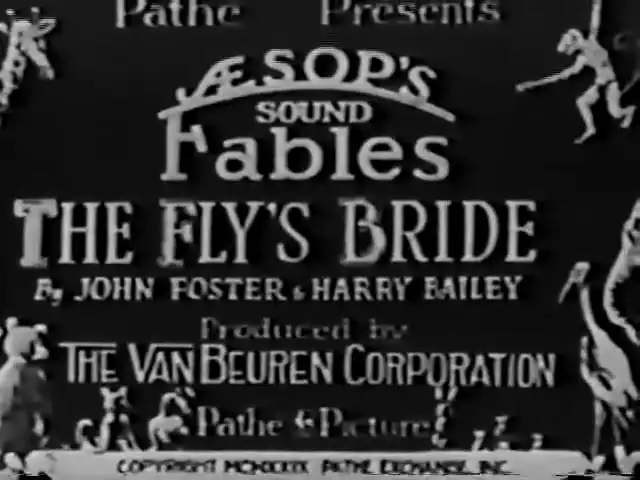
The actual "fly" stuff? Oh boy. It's not what you might expect. No spoiler, but if you’re hoping for some grand practical effects monster, you’ll be… well, maybe a little disappointed. It’s more about the *idea* of the fly, the *essence* of it. Think less monster suit, more unsettling suggestion. The film gets a lot of mileage out of close-ups of buzzing jars and shadows on walls. A lot of very close close-ups. Like, uncomfortably close, you can almost see the dust on the lens. 🔬
One moment stuck with me: Elara is sitting at a piano, trying to play a simple tune, but her hands keep twitching. The melody gets all broken up, hesitant. It’s a quiet scene, no real dialogue, just the piano and the buzzing from Quentin’s lab next door. It goes on a bit long, that scene. Long enough that the discomfort starts to set in. You feel for her, even though you don’t quite know *what* she’s transforming into yet. It's a surprisingly effective bit of quiet horror, even if it feels a little dragged out.
The pacing of The Fly's Bride is a bit all over the place. Sometimes things crawl, sometimes they lurch forward. There are long stretches of just Quentin rambling or Elara looking troubled. Then, suddenly, a burst of frantic energy, a chase through dimly lit corridors, or a sudden burst of… well, *something* breaking. It keeps you on your toes, in a way. Not because it’s a thrill ride, but because you never quite know what strange, slow-burn moment they’re going to give you next.
Is it a good movie? That's a tricky question. It's definitely *not* polished. Some of the editing feels choppy, like they ran out of film or time. The supporting characters are barely sketches. But it has this undeniable, unsettling charm. It's the kind of movie you talk about afterwards, not because it was perfect, but because of how *odd* it was. The way Dr. Quentin pronounces "chitin" still makes me chuckle. The Raven this is not, in terms of gothic grandeur, but it has its own peculiar appeal. 🤷♀️
If you're into the weird, the slightly broken, and the ambitious-but-underfunded films of yesteryear, give it a shot. Otherwise, maybe stick to something with clearer intentions.
IMDb —
1919
Community
Log in to comment.