DbcultAccessing Vault...
5.4/10
Senior Film Conservator
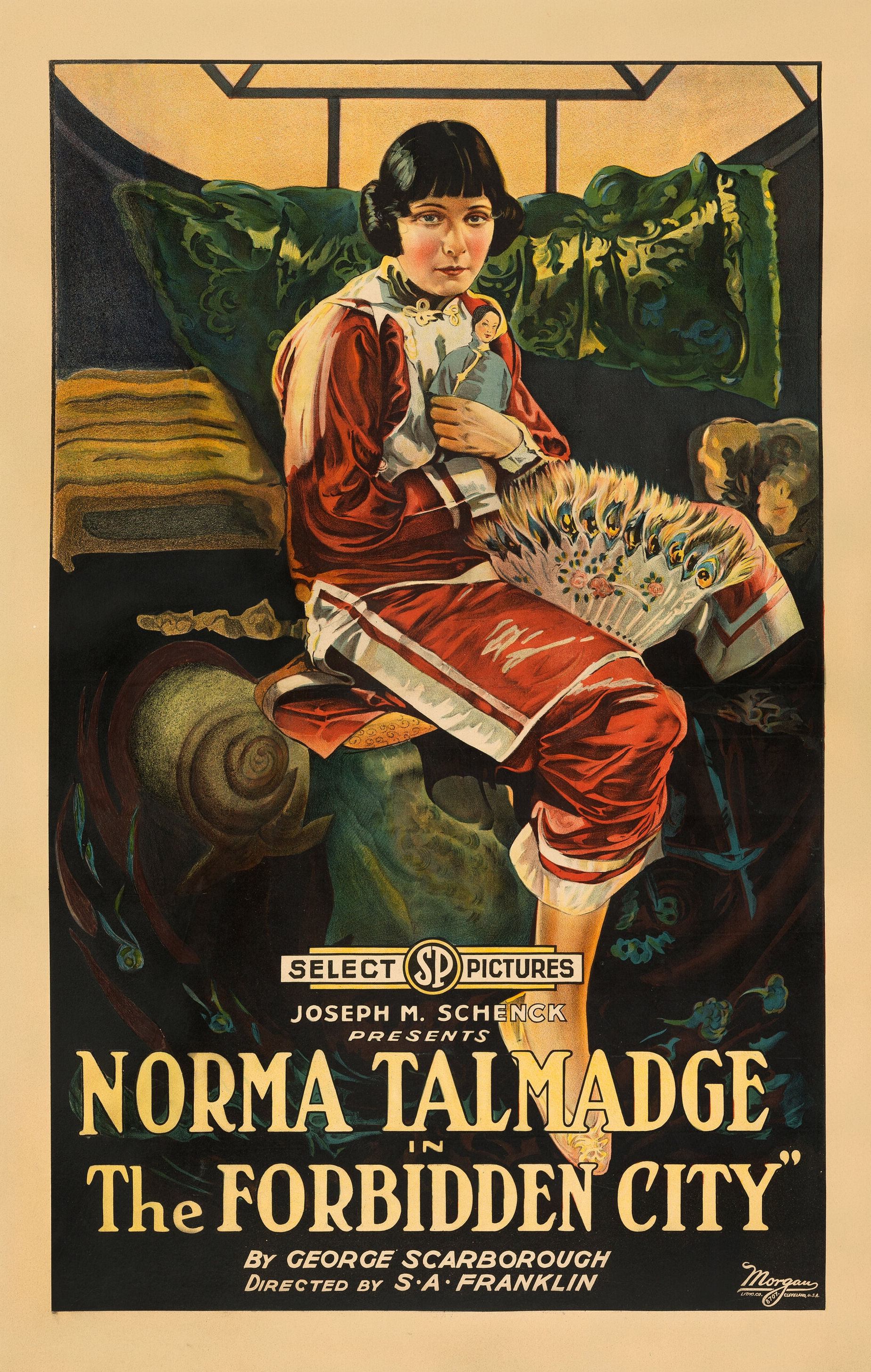
A definitive 5.4/10 rating for a film that redefined the boundaries of cult cinema. The Forbidden City remains a cornerstone of transgressive art.
Stepping into the world of 1918's The Forbidden City is akin to opening a meticulously preserved antique jewel box, revealing a narrative of exquisite tragedy and simmering tension. This silent-era gem, directed with a keen eye for dramatic flourish, plunges us headfirst into a tale where cultural strictures clash violently with the irrepressible force of human affection. At its heart lies the luminous Norma Talmadge, whose dual performance anchors a story so fraught with peril and poignant decisions that it resonates with a timeless, universal ache.
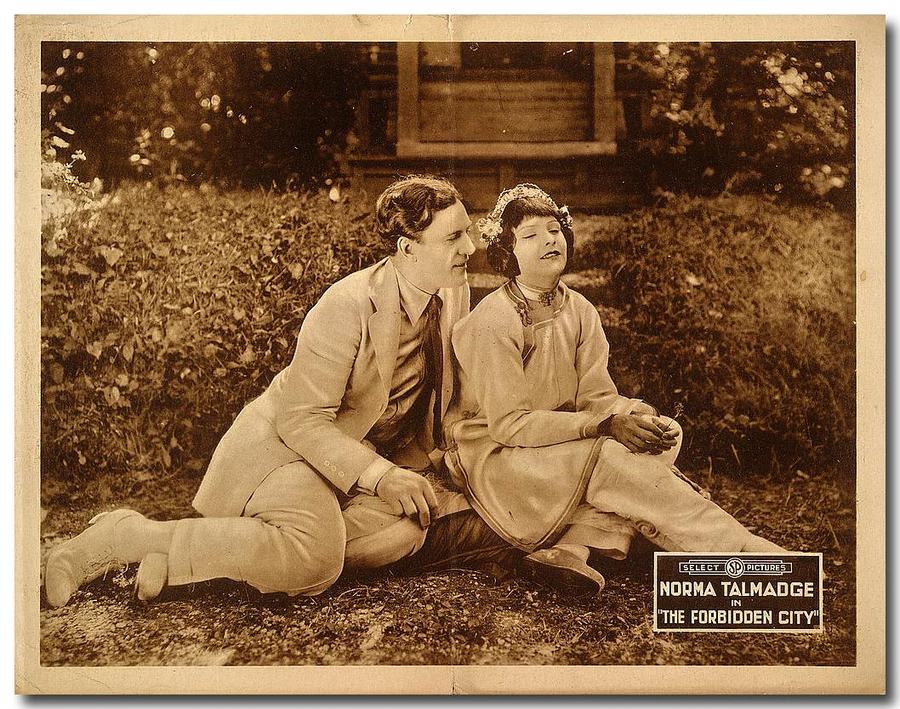
The film unfurls its intricate plot against the opulent yet suffocating backdrop of imperial China, a setting that instantly establishes the immense stakes at play. We are introduced to a Chinese mandarin, a figure steeped in tradition and desperate to restore his family's waning influence within the Emperor's court. His chosen path to redemption is a perilous one: the strategic betrothal of his daughter to the Emperor himself. This political maneuver, seemingly designed to secure his lineage and power, inadvertently ignites a powder keg of personal crisis. The daughter, in a defiance that speaks volumes through Talmadge's expressive eyes, harbors a profound secret: she is not only secretly wed to the dashing American consul, portrayed with earnest conviction by Thomas Meighan, but also carries his child. This clandestine union, a bold transgression against both familial duty and imperial decree, forms the narrative's pulsating core, threatening to unravel the very fabric of their lives and ignite an international incident.
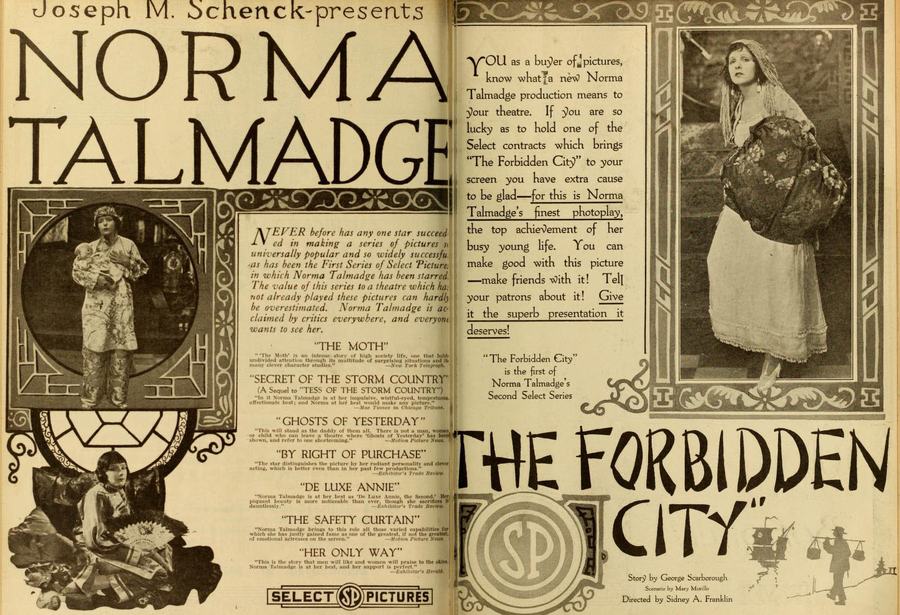
The sheer audacity of the premise is what initially captivates. It's a testament to the storytelling prowess of writers Mary Murillo and George Scarborough that they weave such a complex web of forbidden love, political maneuvering, and cultural collision into a cohesive and emotionally charged experience. The film doesn't merely present a love triangle; it presents a cultural chasm, a collision between the rigid expectations of ancient custom and the burgeoning ideals of individual freedom and romantic autonomy. Talmadge's character, caught in this impossible bind, becomes a potent symbol of rebellion and tragic sacrifice. Her secret marriage to the American consul is more than just a romantic entanglement; it represents a bridge, however fragile, between two vastly different worlds, a bridge that, if discovered, could collapse with catastrophic consequences.
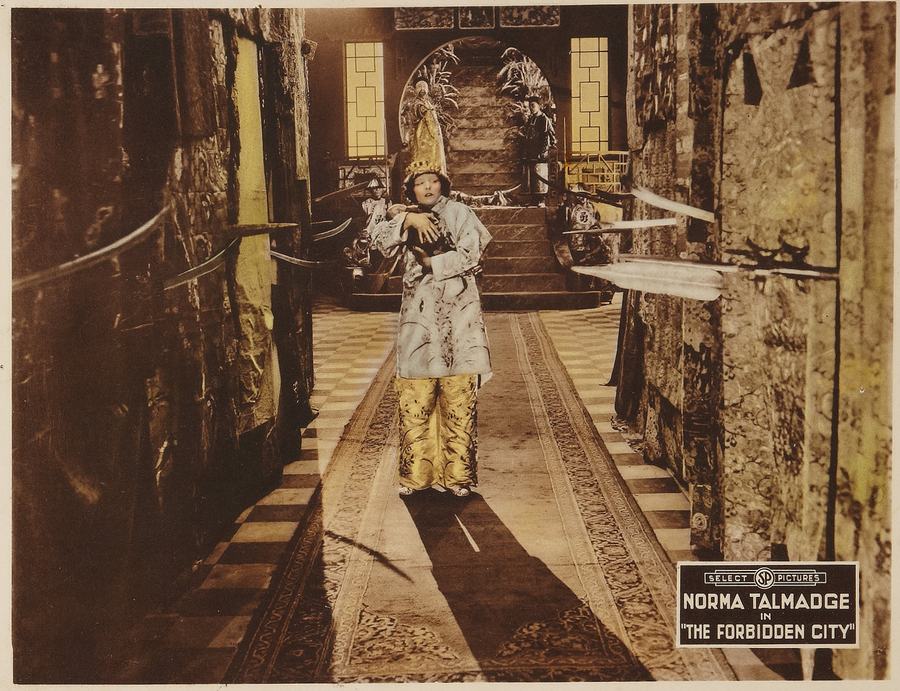
Norma Talmadge, a titan of the silent screen, delivers a performance in The Forbidden City that is nothing short of mesmerizing. Her ability to convey profound emotional depth without uttering a single word is a masterclass in silent acting. She embodies not one, but two distinct characters, each requiring a nuanced approach that highlights her extraordinary range. Initially, she portrays Toy, the Chinese girl, with a delicate grace and an undercurrent of sorrow, her eyes eloquently expressing the burden of her secret and the terror of discovery. Later, she transforms into a new identity, a transformation that allows her to explore a different facet of womanhood, one perhaps less constrained by the oppressive expectations of her past. This duality is not merely a plot device; it's a profound exploration of identity, resilience, and the lengths to which one might go to protect love and innocence.
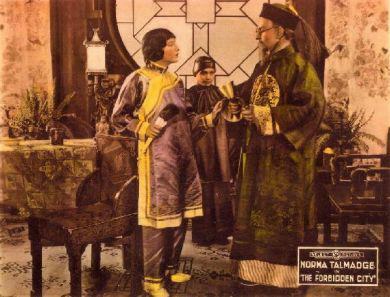
Her portrayal transcends mere melodrama, elevating the film into a poignant character study. Every gesture, every subtle shift in facial expression, communicates volumes. The fear of exposure, the desperate hope for a future with her beloved, the maternal instinct to protect her unborn child—all these complex emotions are rendered with breathtaking clarity. It’s a performance that draws the audience deep into her predicament, fostering an immense sense of empathy for her impossible choices. Talmadge's ability to command the screen with such quiet power is a stark reminder of the unique artistry required by silent cinema, an artistry that few possessed with her level of innate talent and learned skill.
While Talmadge undeniably shines, the supporting cast provides a sturdy framework for her brilliance. Thomas Meighan, as the American consul, brings a steadfast sincerity to his role, portraying a man caught between his love and the diplomatic complexities of his position. His performance, though less outwardly flamboyant than Talmadge's, is crucial in grounding the romance and providing a moral compass amidst the swirling intrigue. Charles Fang, as the formidable mandarin, embodies the rigid adherence to tradition and the desperate pursuit of power, making his character a formidable antagonist whose actions drive much of the central conflict. E. Alyn Warren and L. Rogers Lytton also contribute solid performances, each adding texture to the film's rich tapestry of characters. Their collective efforts ensure that the intricate narrative remains compelling, preventing it from devolving into a mere vehicle for its star.
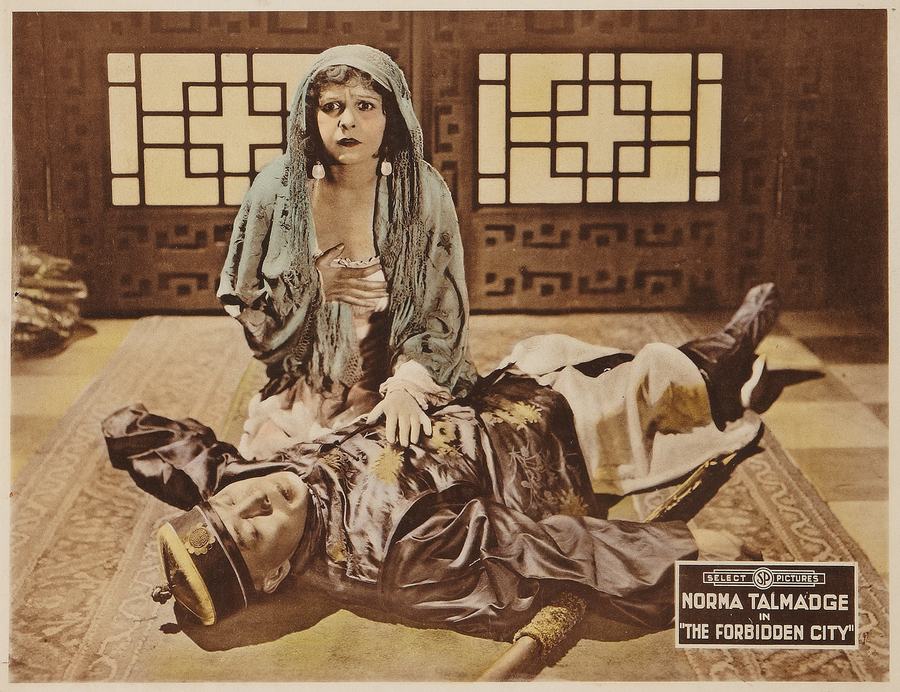
The visual language of The Forbidden City is a significant contributor to its enduring appeal. The film luxuriates in its depiction of imperial China, even if filtered through a Western lens of the era. The sets, though perhaps not entirely authentic by modern standards, are nonetheless elaborate and evocative, creating a sense of grandeur and exoticism that was highly appealing to audiences of the time. The costumes, particularly those worn by Talmadge, are exquisite, adding to the visual splendor and helping to define her character's transformation. Cinematography plays a vital role in silent film, and here, it is employed with considerable skill. Close-ups on Talmadge's face are used judiciously, allowing her expressive features to convey the torrent of emotions raging within her. The broader shots of the court and its inhabitants establish the hierarchical structure and the oppressive atmosphere that dictate the characters' lives.
The use of light and shadow is particularly effective in enhancing the dramatic tension, creating a palpable sense of secrecy and impending doom. Scenes unfolding within the mandarin's residence or the Emperor's palace often feel claustrophobic, underscoring the lack of freedom experienced by the characters, especially the women. This visual oppression amplifies the audacious nature of Toy's secret, making her defiance even more profound. The film's direction, while not attributed in the prompt, clearly understood the power of visual metaphor and the necessity of creating a believable, albeit romanticized, world in which such high-stakes drama could credibly unfold. It's a testament to the filmmaking craft of the era that such complex narratives could be communicated with such clarity and emotional impact through purely visual means, supplemented by intertitles that were often poetic in their brevity.
Beyond its thrilling plot and captivating performances, The Forbidden City delves into themes that remain profoundly relevant even today. The central conflict between duty and desire is a timeless human struggle, explored here with a particular intensity due to the cultural backdrop. Toy's dilemma is not merely about choosing a lover; it's about choosing between her identity, her family's honor, and the burgeoning sense of self that demands love and freedom. This moral quandary echoes through cinema history, reminiscent of the societal pressures and ethical battles faced by characters in films such as The Vicar of Wakefield, where personal integrity often collides with external expectations, or the profound struggles with fate and judgment seen in The Deemster. The film also touches upon the clash of cultures – East meets West – examining the misunderstandings and the potential for both tragedy and connection that arise when disparate worlds collide. The American consul represents a different set of values, a world where individual happiness might supersede dynastic concerns, setting up a powerful ideological contrast.
The theme of deception, and its inevitable, often devastating, consequences, is another cornerstone of the narrative. The mandarin's deception, driven by ambition, and Toy's deception, born of love and survival, create a precarious house of cards that is always on the verge of collapse. This intricate dance of hidden truths and exposed lies finds parallels in films like Silks and Satins, which similarly explores the deceptive nature of appearances, or The Millionaire's Double, where mistaken or assumed identities drive much of the dramatic tension. The film poses uncomfortable questions about the price of honor, the meaning of sacrifice, and the often-cruel hand of fate in a world governed by rigid social hierarchies. The impending pregnancy adds another layer of visceral urgency, transforming an already complex romantic drama into a harrowing fight for life and legacy. It's a reminder that silent films, far from being simplistic, often tackled incredibly complex moral and social issues with surprising nuance.
More than a century after its release, The Forbidden City remains a compelling watch, not just as a historical artifact, but as a potent piece of dramatic cinema. Its narrative, though rooted in a specific historical and cultural context, speaks to universal human experiences: the yearning for love, the burden of secrets, the struggle against oppressive systems, and the profound sacrifices made for family and progeny. Norma Talmadge's performance is a major reason for its lasting power; her expressive acting transcends the limitations of the silent medium, communicating directly to the viewer's heart. The film's exploration of a woman's agency, however limited by her circumstances, in asserting her desires against overwhelming odds, still resonates deeply. It showcases the powerful role women played in silent cinema, often as complex, conflicted protagonists driving the narrative forward.
In an era that saw a burgeoning interest in exotic locales and cross-cultural narratives, The Forbidden City stood out for its dramatic intensity and the tragic beauty of its central conflict. It joins a pantheon of films from the period that explored the consequences of living a double life or defying societal norms, much like the challenging moral landscapes navigated in The Parson of Panamint or the intense personal battles against a rigid system in I Accuse. The film's ability to maintain suspense, evoke deep emotion, and deliver a satisfying, albeit bittersweet, conclusion is a testament to its craftsmanship. It serves as a vital reminder of the sophistication and artistry inherent in early Hollywood productions, proving that silent films were anything but primitive. They were, in fact, incredibly adept at telling stories that continue to captivate and move audiences, offering a window into both the past and the enduring human condition.
Ultimately, The Forbidden City is a powerful narrative about the collision of worlds, both external and internal. It's a story of extraordinary courage in the face of insurmountable odds, and the heart-wrenching decisions that define a life. Norma Talmadge's dual role is not merely a clever plot device but a profound exploration of identity, adaptability, and the enduring human spirit. The film's visual grandeur, coupled with its emotionally charged performances, ensures its place as a significant work of silent cinema. It’s a compelling cinematic experience that continues to speak to audiences about the universal themes of forbidden love, the intricate dance of deception, and the eternal quest for individual freedom against the backdrop of societal constraint. Watching it today is to witness a bygone era's storytelling at its finest, a narrative rich with pathos and dramatic tension, leaving an indelible mark long after the final fade to black.
IMDb —
1921
Community
Log in to comment.