DbcultAccessing Vault...
Cult Review
Senior Film Conservator
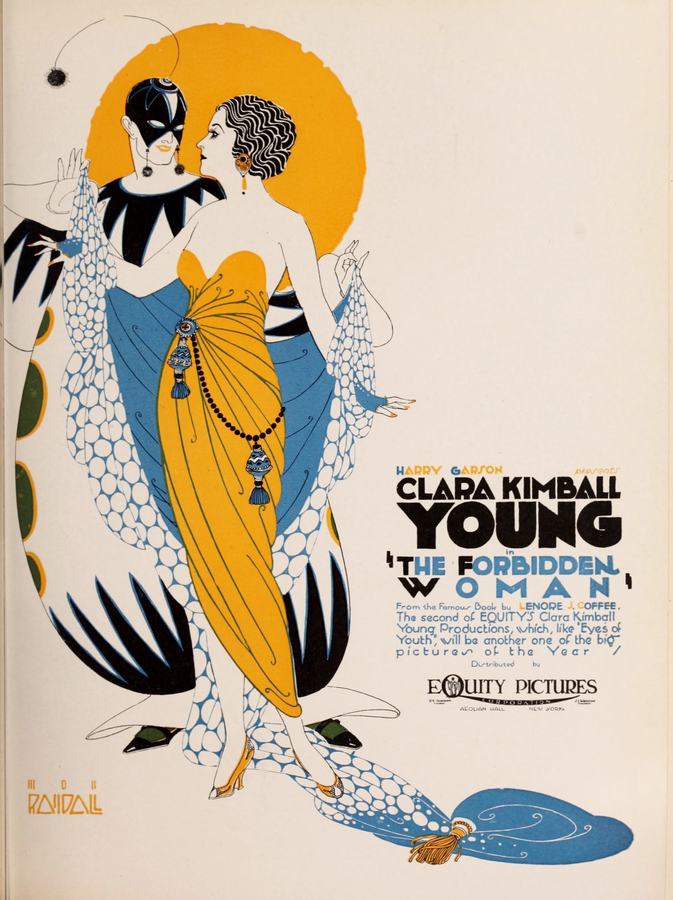
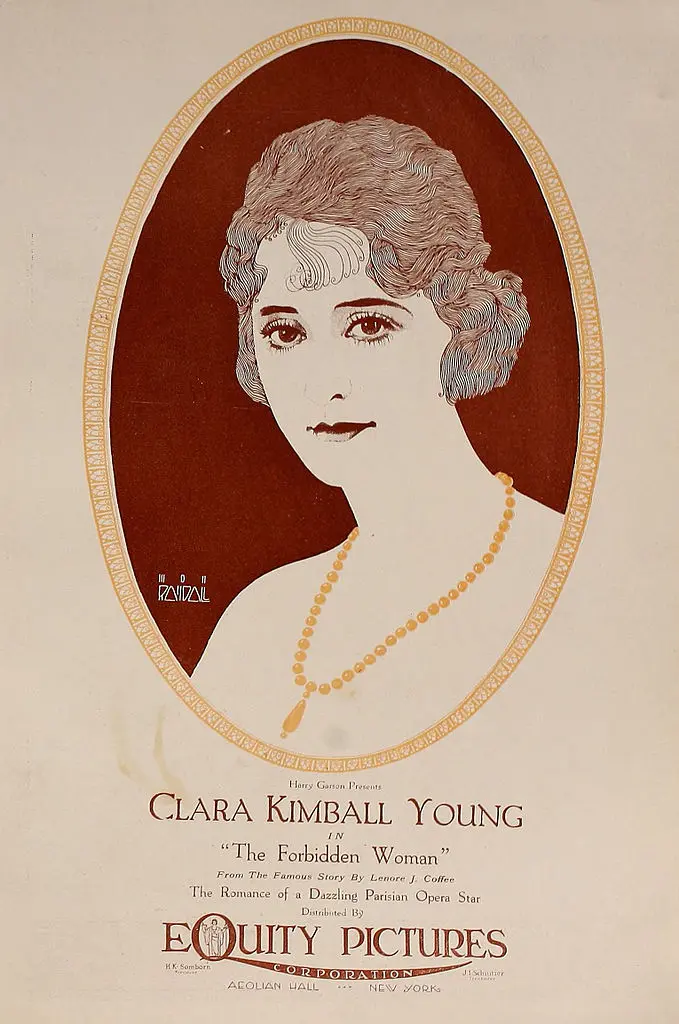
The flickering shadows of early cinema often cast exaggerated figures, yet few managed to capture the intricate dance of allure and societal condemnation with the nuanced intensity found in The Forbidden Woman. This cinematic gem, a testament to the dramatic prowess of its era, plunges us into a maelstrom of unrequited love, public scandal, and the devastating price of celebrity. It's a narrative that, even a century later, resonates with a chilling familiarity, exploring the insidious ways in which public perception can morph an individual into a pariah, regardless of true culpability. The film, penned by the insightful duo of Charles E. Whittaker and Lenore J. Coffee, doesn't merely recount events; it dissects the very fabric of societal judgment, offering a poignant commentary on the fragile nature of reputation.
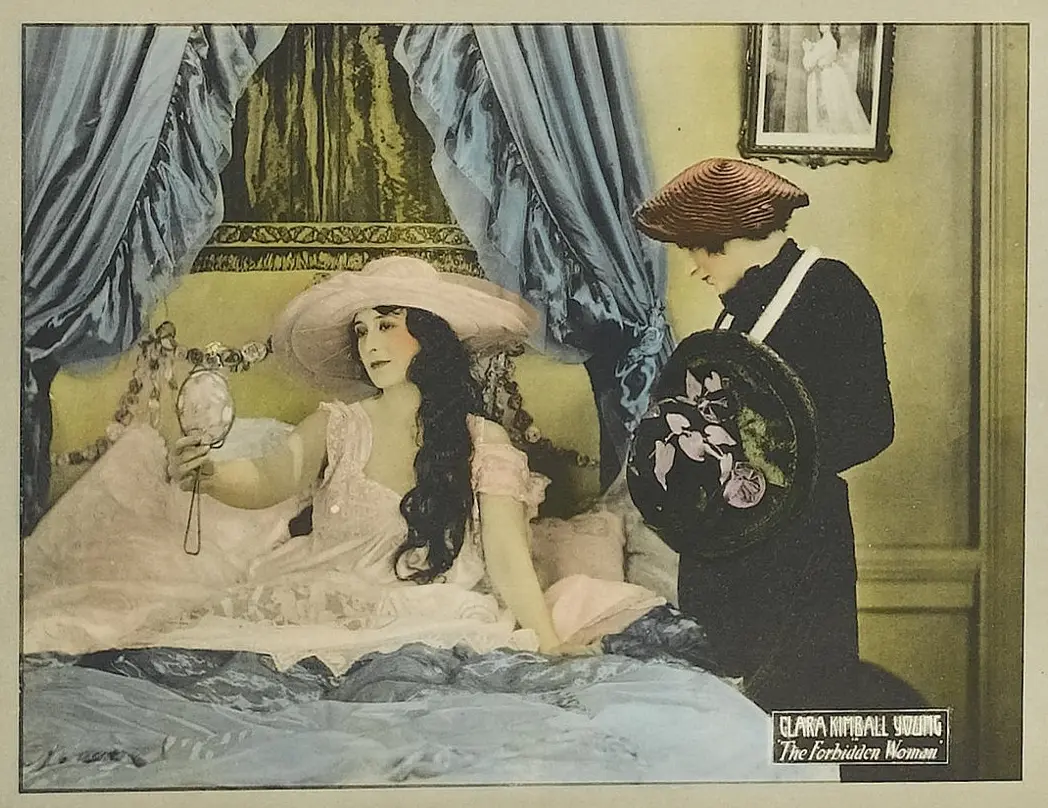
At the heart of this tumultuous tale is Clara Kimball Young, whose portrayal of the French actress is nothing short of mesmerizing. Young, a veritable titan of the silent screen, imbues her character with an intoxicating blend of grace, vulnerability, and an almost ethereal beauty that explains, without a single spoken word, why a man might lose himself in her orbit. Her eyes, often shadowed with a melancholic depth, convey volumes—the subtle flicker of a smile, the sudden intake of breath, the slow dawning of horror as the consequences of her unwitting charm unfold. It is a performance that transcends the theatrical conventions of the period, offering a glimpse into the internal turmoil of a woman thrust into an unenviable spotlight. She isn't merely acting; she's embodying the very essence of a tragic figure, a woman whose professional success becomes the catalyst for her personal undoing.
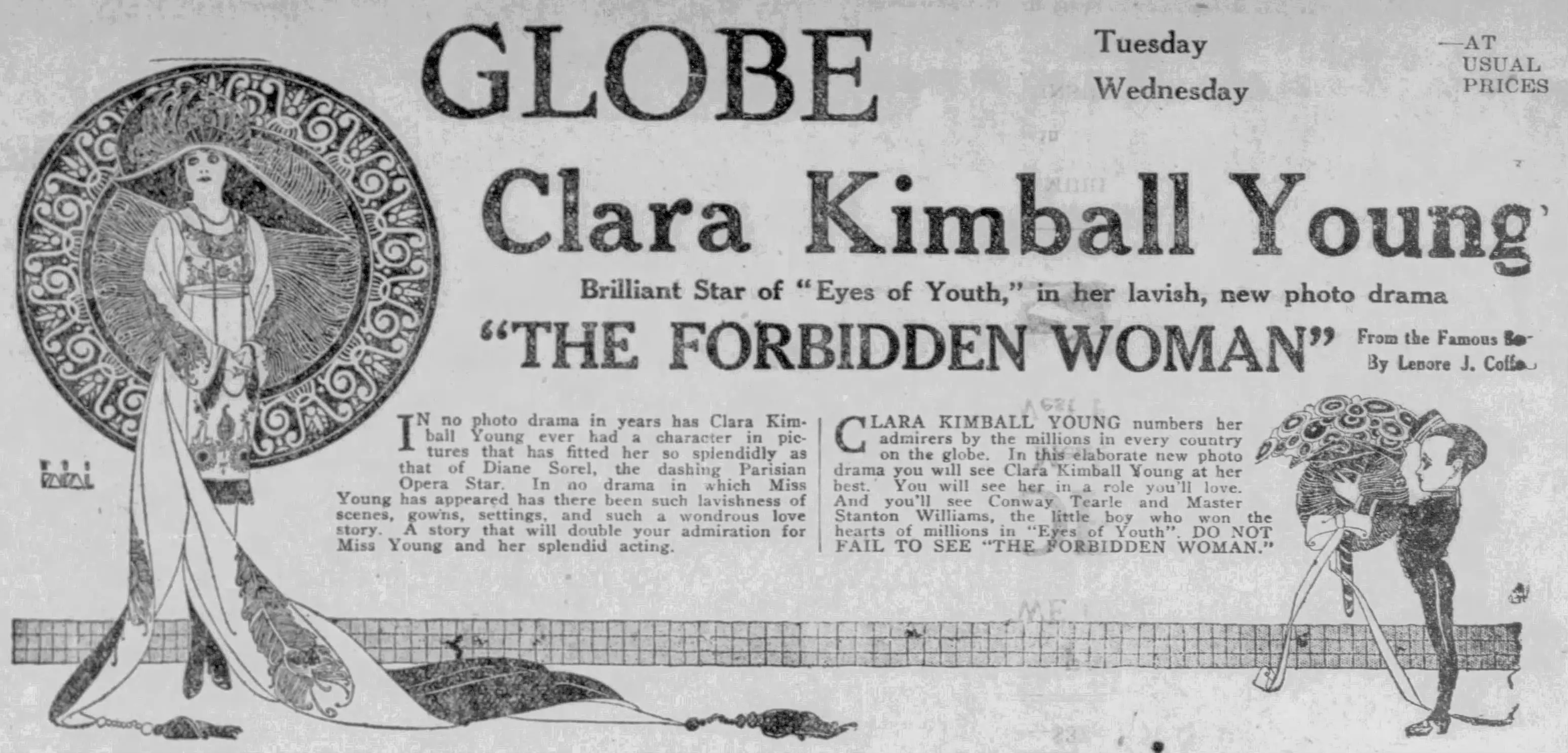
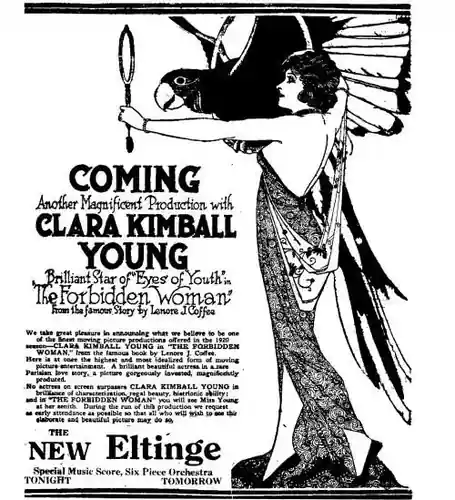
The narrative hinges on the devastating suicide of an admirer, a man whose infatuation escalates into a fatal obsession. Young's character, initially oblivious to the full extent of his devotion, finds herself ensnared in a scandal of epic proportions. The film masterfully delineates the swift, unforgiving descent from beloved star to public villain. The public, ever eager for a scapegoat, paints her as the 'forbidden woman,' a siren whose allure is inherently destructive. This transformation, from object of desire to object of derision, is rendered with gut-wrenching authenticity, largely due to Young's profound ability to convey complex emotional states through subtle gestures and powerful expressions. Her performance is a masterclass in silent film acting, utilizing the entire spectrum of non-verbal communication to build a character that is both captivating and deeply sympathetic.
The Forbidden Woman delves deep into the precarious nature of fame, particularly for women in the public eye during an era ripe with moralistic fervor. The film posits a searing question: to what extent is an individual responsible for the actions of another, especially when those actions are driven by an unbidden, consuming passion? The story doesn't offer easy answers, instead opting for a nuanced exploration of societal hypocrisy and the destructive power of collective judgment. The actress, a professional whose livelihood depends on cultivating an appealing public persona, finds that the very qualities that draw her audiences are weaponized against her when tragedy strikes.
The screenplay, a testament to the collaborative genius of Whittaker and Coffee, navigates these treacherous waters with remarkable precision. It's a psychological drama cloaked in the grandiosity of a silent film spectacle. The writers craft a scenario where the protagonist's innocence is continually questioned by external forces, forcing the audience to grapple with their own prejudices. This thematic depth elevates The Forbidden Woman beyond a mere melodramatic potboiler, transforming it into a compelling study of character under extreme duress. It challenges viewers to consider the implications of unbridled infatuation and the often-unjustifiable wrath of public opinion. One might draw a thematic parallel to the societal pressures and moral complexities explored in films like The Debt, where characters also contend with the weight of unforeseen consequences and the unforgiving gaze of their communities, though perhaps with a different focus on financial versus reputational ruin.
While Clara Kimball Young rightfully commands the spotlight, the supporting cast provides essential scaffolding for the unfolding tragedy. Conway Tearle, a stalwart of the silent era, delivers a performance that complements Young's intensity, often embodying the societal pressures or personal conflicts that swirl around her. His presence adds a gravitas that anchors the more sensational aspects of the plot. Winter Hall, Stanton Williams, J. Jiquel Lanoe, John McKinnon, Kathryn Adams, and Milla Davenport, though perhaps in less prominent roles, collectively contribute to the rich tapestry of the film's world. Each actor, through their expressions and carefully choreographed movements, helps to build the oppressive atmosphere of judgment and the frantic energy of a scandal spiraling out of control. Their reactions, whether of outrage, pity, or opportunistic condemnation, serve as a mirror reflecting the collective consciousness of the era.
The director, whose name often remains uncredited in early film records but whose vision is palpable, orchestrates these performances with a keen understanding of silent film aesthetics. The use of close-ups to capture Young's agonizing expressions, the wide shots to emphasize her isolation amidst judgmental crowds, and the swift cuts to heighten dramatic tension all contribute to the film's enduring power. The visual storytelling is paramount, allowing the audience to interpret emotions and motivations without the crutch of dialogue. This reliance on visual cues makes the nuanced performances of the entire cast even more remarkable, as they must convey intricate emotional landscapes purely through physical presence and facial contortion.
The craftsmanship evident in The Forbidden Woman speaks volumes about the sophistication of silent film as an art form. The absence of spoken dialogue necessitates a heightened reliance on visual metaphor, symbolic gestures, and the evocative power of intertitles. The film employs these elements with considerable skill, ensuring that the emotional arc is always clear, even as the complexities of the plot unfold. Lighting, for instance, plays a crucial role, often bathing Young's character in a soft glow when she is perceived as innocent, only to cast her in harsh, unforgiving shadows as public opinion turns against her. This meticulous attention to visual detail creates an immersive experience, drawing the viewer into the protagonist's plight.
The pacing, a critical component of silent storytelling, is expertly managed, building suspense gradually before culminating in moments of intense emotional release. The film avoids the sluggishness that sometimes plagues early features, maintaining a brisk yet deliberate rhythm that keeps the audience engaged. It's a testament to the collaborative artistry of the period, where every department—from costuming to set design—contributed to the overall narrative impact. The opulence of the actress's world, juxtaposed with the stark reality of her legal and social predicament, is powerfully conveyed through these visual cues. One might compare the intricate character study and the focus on internal struggle, albeit with a different setting and theme, to the dramatic weight often found in European silent films like Balletdanserinden, where the protagonist's inner world is also central to the tragedy.
What makes The Forbidden Woman particularly compelling, even today, is its enduring relevance. The themes of celebrity culture, the destructive power of rumor, and the often-unjust nature of public judgment are as pertinent now as they were a century ago. In an age of social media and instantaneous condemnation, the film serves as a potent reminder of the fragility of reputation and the ease with which a narrative can be twisted to serve a sensationalist agenda. The actress's struggle to reclaim her name and her dignity in the face of overwhelming societal pressure is a timeless battle, one that continues to be fought by public figures caught in the unforgiving glare of scrutiny.
The film also offers a fascinating glimpse into the moral landscape of the early 20th century. The stringent social codes, the expectations placed upon women, and the swiftness with which moral transgressions (perceived or real) were punished are all on full display. It underscores how different, yet fundamentally similar, human nature remains across generations. The fear of scandal, the desire for public approval, and the tragic consequences of unchecked obsession are universal threads woven throughout history. This historical context, coupled with its powerful dramatic core, solidifies The Forbidden Woman as a significant work that deserves continued attention from cinephiles and cultural historians alike. It's a film that asks us to look beyond the surface, to question the popular narrative, and to empathize with those caught in the relentless maw of public opinion. Like The Poor Little Rich Girl, which showcased the pressures on a young star, The Forbidden Woman presents a starker, more adult examination of the darker side of fame, highlighting the perils faced by those who become larger-than-life figures in the public imagination.
In its entirety, The Forbidden Woman is more than just a historical artifact; it is a vibrant, emotionally charged drama that speaks to the enduring complexities of human relationships, the allure of the unattainable, and the often-harsh realities of life in the public eye. It's a film that demands reflection, prompting viewers to consider the power of collective judgment and the profound impact it can have on an individual's life. The performances are compelling, the narrative gripping, and its themes resonate deeply, making it an essential viewing experience for anyone interested in the rich tapestry of early cinema and its timeless explorations of the human condition. The collaborative efforts of the cast, writers Charles E. Whittaker and Lenore J. Coffee, and the uncredited directorial vision coalesce into a profound cinematic statement. It truly stands as a testament to the silent film era's capacity for intricate psychological drama, proving that some stories, even without spoken words, can echo across generations with chilling clarity and profound emotional weight.
IMDb 7.1
1934
Community
Log in to comment.