DbcultAccessing Vault...
Cult Review
Senior Film Conservator
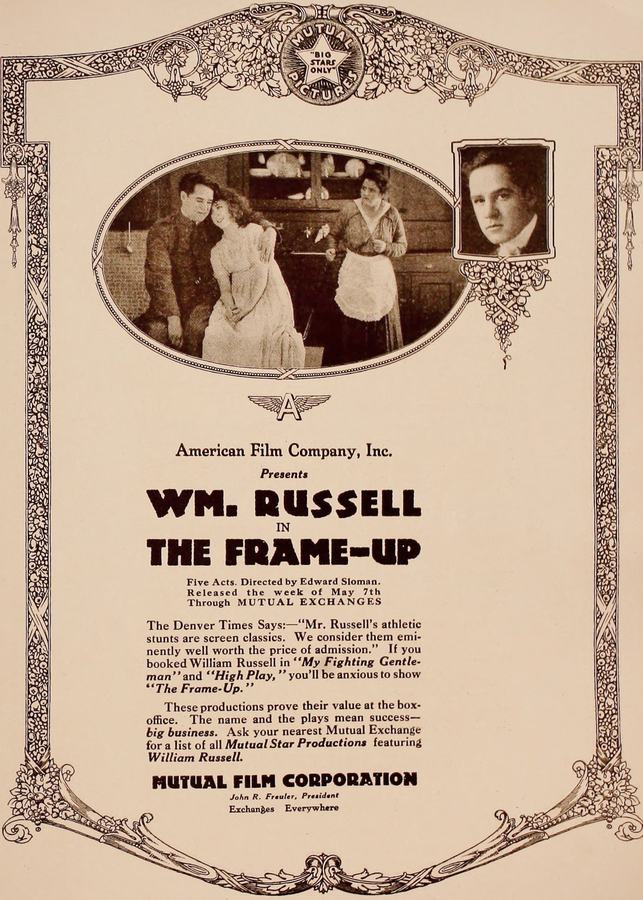
If celluloid could blush, The Frame-Up would burn vermilion. William Russell’s gaze—half-smirk, half-sunrise—slides across the screen like a coin spinning on mahogany: you cannot tell which face will settle until the final wobble. Jules Furthman’s screenplay, sparer than a haiku yet richer than a banker’s cigar smoke, wrings class anxiety until it drips pure adrenaline.
The first reel drops us inside a mansion so cavernous echoes need maps. Jeffrey Claiborne lounges in silk sleeves that billow like surrender flags. Enter Betty Jane Moir, Francelia Billington’s incandescent shopgirl, whose eyes carry the stormy luster of wet asphalt under marquee bulbs. A predatory chauffeur—Al Ferguson in oily menace—corners her beside a Pierce-Arrow. Cue Russell’s sprint through topiary shadows; the rescue feels less heroic than hormonal, a collision of hormones and hubris. The camera clings to Betty’s hem as if grateful for the privilege.
Cut to the Moir family taxi office: a chaos of ringing switchboards, carbon paper, and masculine bellowing. Jeffrey, now moonlighting as a dispatcher, is baptized by gasoline fumes. Notice how cinematographer Charles J. Stumar tilts the frame—a diagonal stress that whispers something is off-kilter in America. It’s 1917; the nation teeters toward war and suffrage, yet here the battleground is courtship.
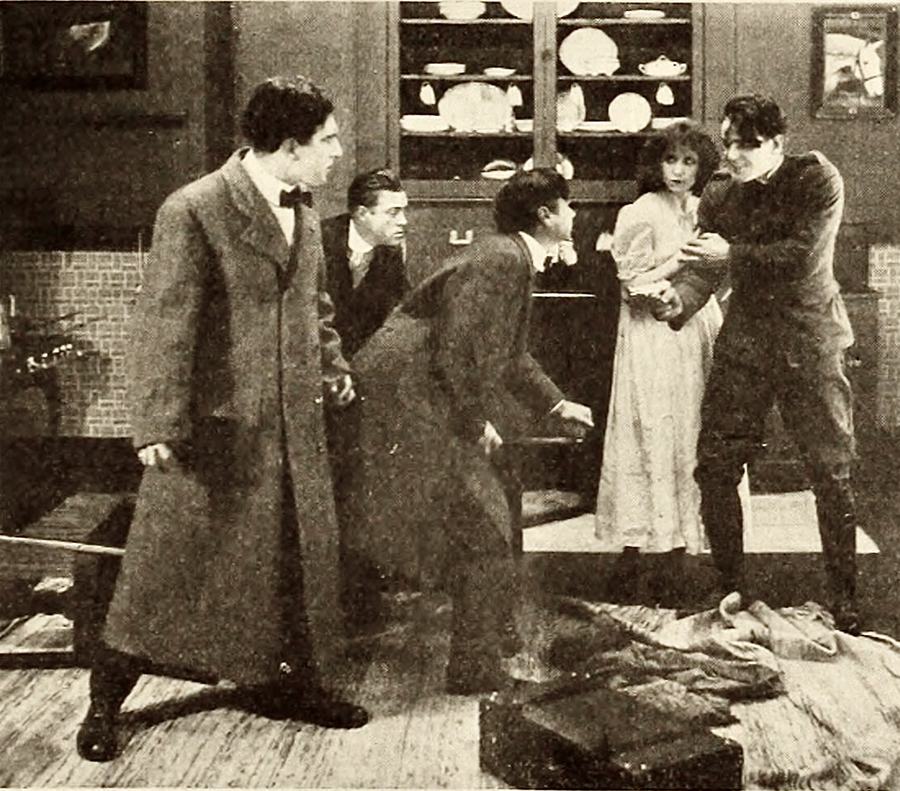
Betty’s mother—Lucille Ward in scene-stealing matriarch mode—embodies the era’s razor-wire maternal logic: protect the daughter, shame the suitor. She misreads Jeffrey’s earnestness as insolvency, his tailored humility as affectation. The irony scalds: the heir to millions must validate himself in a coin-fed economy that his bloodline helped construct. Furthman weaponizes this paradox, letting dialogue crackle like a telegraph: “A man who drives cabs can’t steer a life,” she barks, unaware her own enterprise teeters on forged receipts.
Ah, the forged receipts: here the film pivots from romance to proto-noir. Clarence Burton’s blackmailer slides in with a derby pulled low, a grin sliced from ear to ear like a watermelon wound. He brandishes a ledger that could shutter the taxi line and imprison Betty’s mother. Stakes crystallize; Jeffrey’s proposal is no longer a private plea but a public siege.
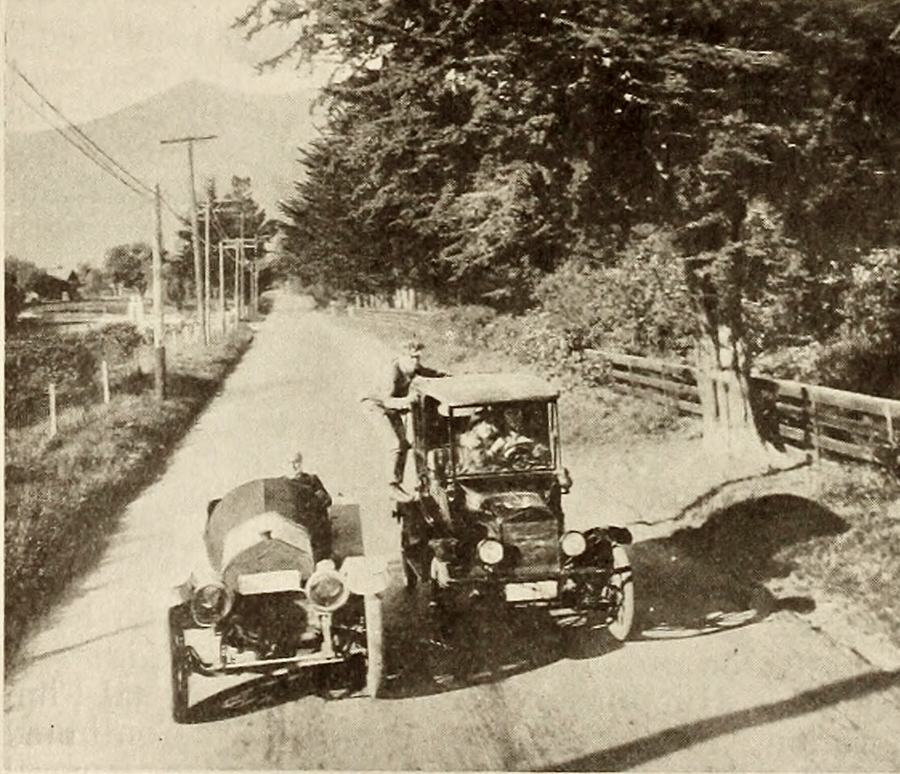
What distinguishes The Frame-Up from contemporaneous potboilers such as The Scarlet Car or Beatrice Fairfax Episode 11 is its refusal to treat virtue as a birthright. Jeffrey does not unveil his pedigree like a trump card; instead he weaponizes anonymity, tailing extortionists through fog-choked alleys, commandeering cabs for fender-scraping pursuits. In one bravura shot, the camera mounts the hood—years before The French Connection—so headlights carve white scars across the celluloid night.
Yet action never eclipses intimacy. Note the close-up when Betty learns the truth: Billington’s pupils seem to dilate frame by frame, a stroboscopic heartbreak. No intertitle is needed; the silence roars. Compare this with A Fool There Was, where Theda Bara weaponized sensuality as entropy; Billington inverts the formula, letting innocence become insurgency.
Director J. Gordon Edwards—often pigeonholed as Fox’s spectacle merchant—reveals a gift for claustrophobic tension. He stages a confrontation inside a shuttered garage: single lantern, smoke tendrils, silhouettes wrestling like Plato’s cave on payday. The silhouettes merge with the grime on the walls; morality itself feels smudged.
Score aficionados will mourn that the original orchestrations are lost; modern restorations retro-fit a ragtime-infused motif that syncs like caffeine. Each piano slam matches taxi-horn staccato, turning urban cacophony into ballet. Try pairing it with Environment’s minimalist strings—you’ll hear the decade shift from syncopated optimism to dissonant dread.
Furthman’s script prefigures his later jazz-age cynicism for morally corrugated classics like Underworld and The Big Sleep. Observe how he seeds every payoff: the chauffeur’s leer resurfaces as a plot gear; a tossed coin in act one finances a toll-bridge escape in act three. Nothing is ornamental; even exhaust fumes feel Chekhovian.
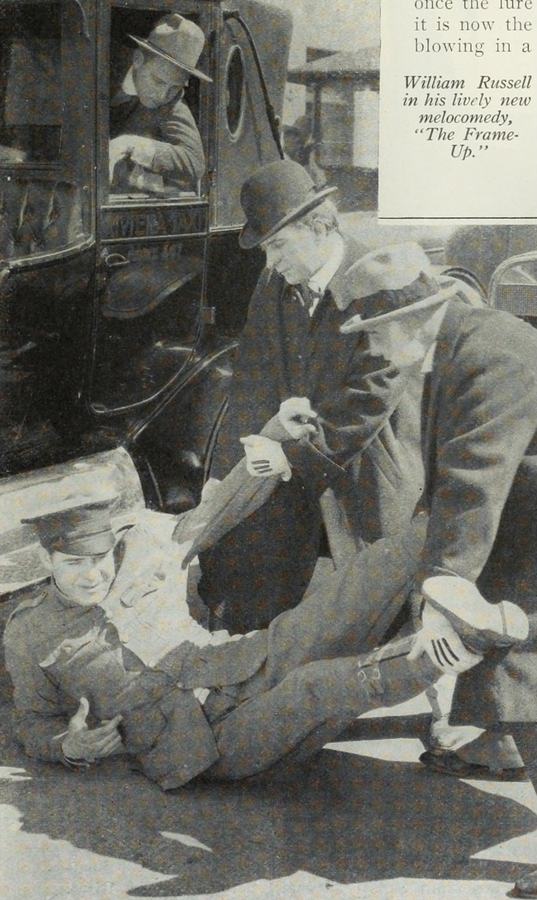
Gender politics, though period-bound, surprise with nuance. Betty refuses rescue sans agency; she hijacks a cab herself, steering toward the climax with grit that silences mansplainers. In contrast, Du Barry luxuriates in female objectification; The Frame-Up lets its heroine hijack narrative momentum, presaging the flapper insurgence.
Cinematographic texture deserves fetishistic praise. Grain swarms like metallic locusts, yet faces glow as though lit by handheld halos. The tinting—amber for interiors, cerulean for exteriors—creates emotional weather. One reel survives only in cyan; the sea-blue wash turns a ballroom scene into subaqueous melodrama, as if the characters might drown in their own decorum.
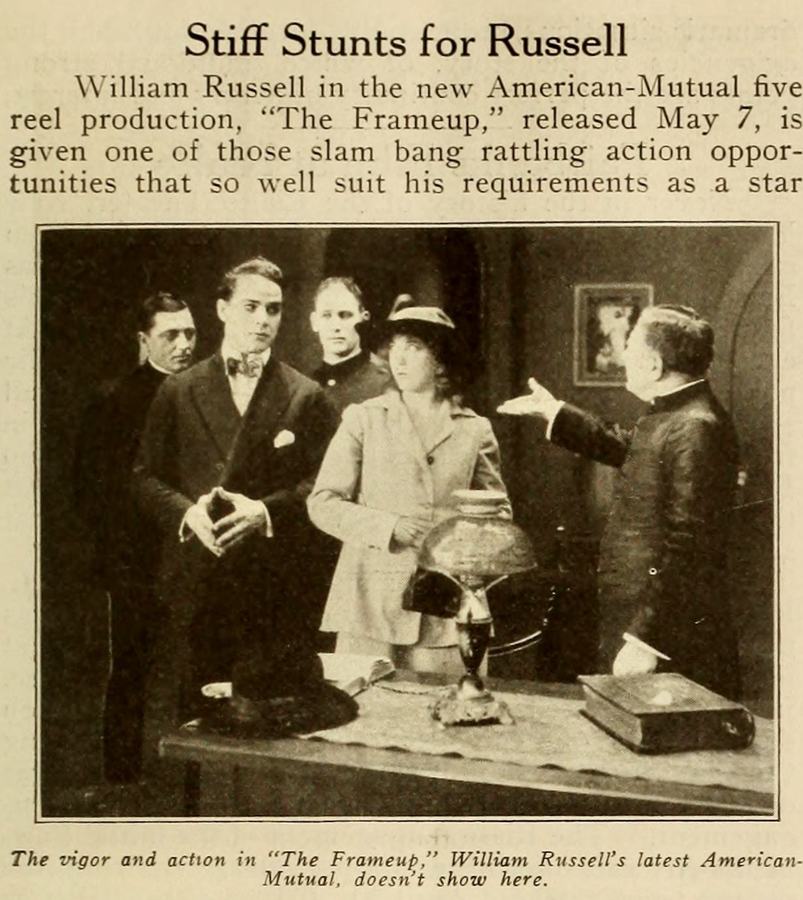
Performances scale from whisper to detonation without overcranked histrionics. Russell modulates charm with desperation; watch how his Adam’s apple bobs when Betty hesitates—an amphibious gulp conveying both lust and terror. Ward’s matriarch pivots from dragon to deflated matron in a single quiver of the lower lip, a transfiguration that deserves an acting seminar.
Thematically, the film is a palimpsest of American anxieties: class mobility, urban anonymity, the tenuous morality of paper money. Jeffrey’s ultimate revelation—bankrolling the taxi company’s salvation—could feel like deus ex machina, yet Furthman frames it as moral restitution rather than oligarchic whim. Money is not virtue, the film insists; risk is.
Compare this ethos with Drugged Waters, where wealth corrupts absolutely, or The Jungle, where capitalism devours its young. The Frame-Up lands nearer to Capraesque humanism, though dipped in nickelodeon iodine.
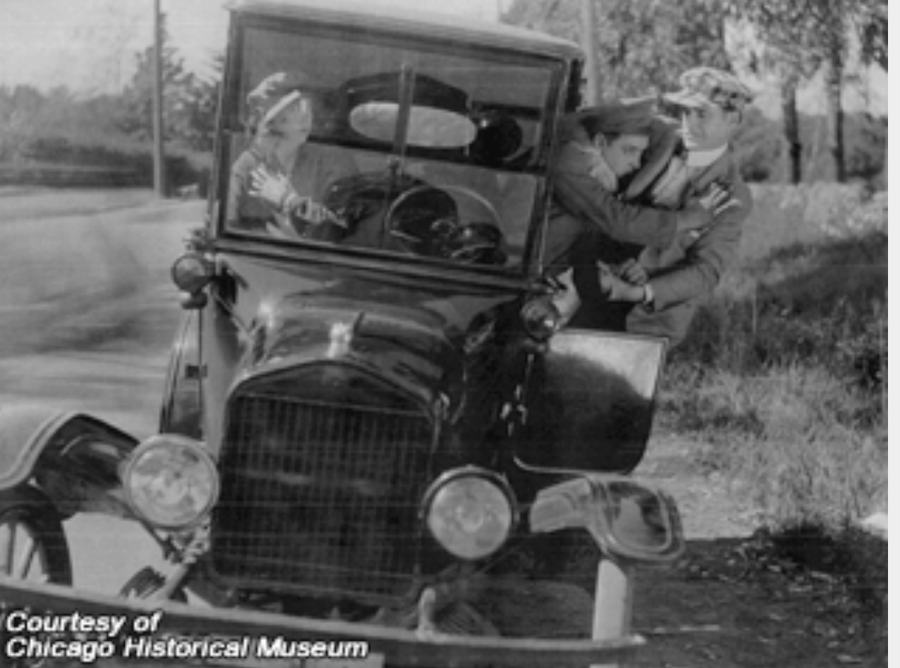
Restoration notes: the third reel bears water damage resembling frost on a windowpane. Instead of digital Botox, archivists let the decay breathe; blemishes become comets streaking across the narrative sky—a reminder that history is corporeal, not pixelated.
Influences ripple forward. The taxi-top chase anticipates Safety Last!’s urban gymnastics. The blackmail ledger motif resurfaces in The Reckoning and countless noir MacGuffins. Even the title—The Frame-Up—entered vernacular slang for wrongful accusation, proving pop culture’s echo chamber existed before Twitter.
For modern viewers, pacing may feel glacial—until you realize each tableau is a GIF waiting to be born: Russell’s sideways grin, Billington’s glove removal, Burton’s cigar roll. Freeze-frame at will; the compositions hold.
Final verdict: The Frame-Up is not merely a curio but a Rosetta Stone for understanding how American cinema learned to splice romance with crime, virtue with ambiguity. It shimmers like a nickelodeon star newly minted, yet foreshadows the shadows that will lengthen into film noir. Watch it for the stunts, rewatch it for the ethics, then screen it beside When Fate Leads Trump to witness the entire social contract unravel and re-knit inside eleven reels of silence.
Stream it on any platform brave enough to host pre-1920 treasures, but only after dimming lights, cranking volume, and pouring something effervescent. Let the taxi meters tick. Let your heart stall. Let the frame-ups of a century ago remind you that every era thinks it invented betrayal—and every era is wrong.
IMDb 5.4
1929
Community
Log in to comment.