DbcultAccessing Vault...
5/10
Senior Film Conservator
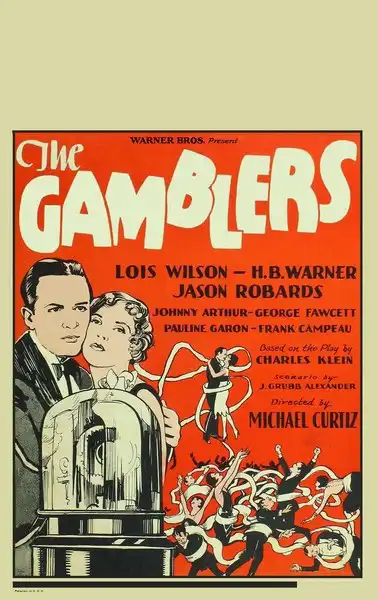
A definitive 5/10 rating for a film that redefined the boundaries of cult cinema. The Gamblers remains a cornerstone of transgressive art.
Okay, let's talk about "The Gamblers" from 1929. This one’s a real curio, not going to lie. If you're a serious early cinema buff, *maybe* give it a peek. Otherwise, probably skip it unless you're writing a thesis on how actors learned to talk on screen. It’s got that specific, clunky charm of a film figuring things out.
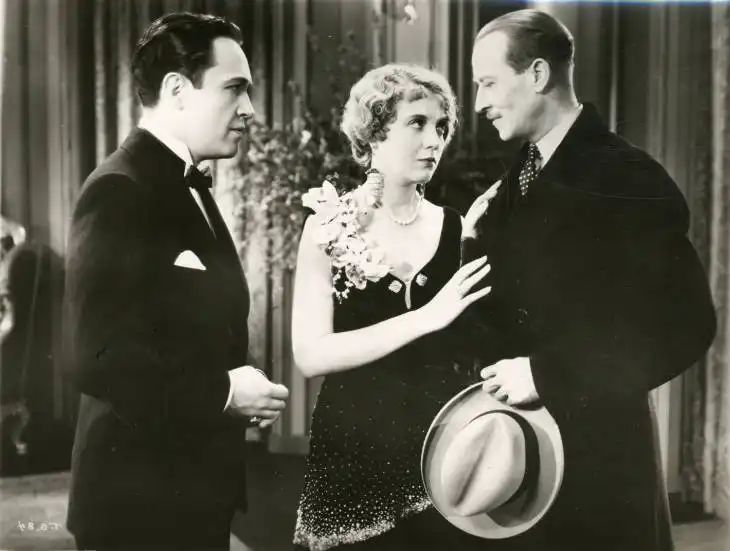
The basic setup is pretty neat, actually. A father-son duo, both a bit too slick with other people's money. When the son, Arthur Ingraham (played by George Fawcett), gets caught with his hand in the cookie jar – or rather, the investment fund – things get messy. Then, twist! The District Attorney, James Darwin (H.B. Warner), handling the case turns out to be married to Arthur's *former sweetheart*. Oh, the drama! 💔 You can just feel the screenwriters rubbing their hands together.
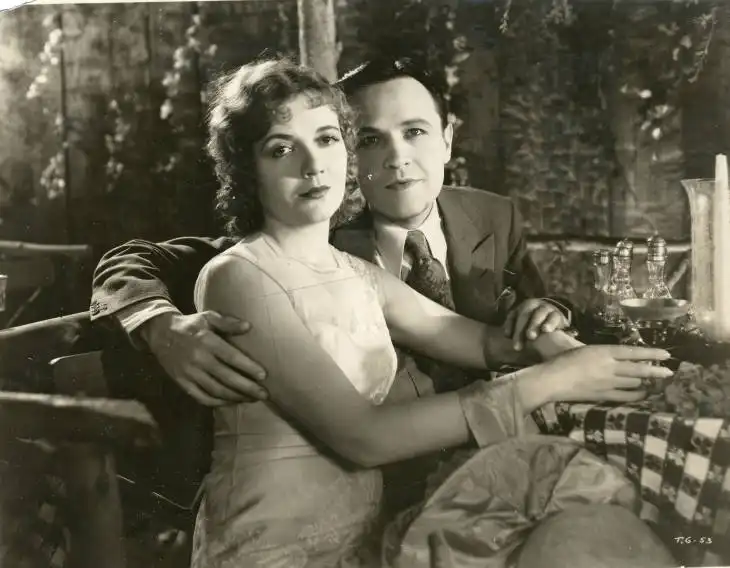
George Fawcett, as the son, is… well, he’s *there*. His performance feels very much like someone still trying to project to the back of a theater, even though there’s a microphone now. He does a lot of intense staring. A lot. It’s like he’s trying to telepathically communicate his guilt or something. The big gestures are still present, which makes for some _really_ over-the-top moments when he's meant to be subtle.
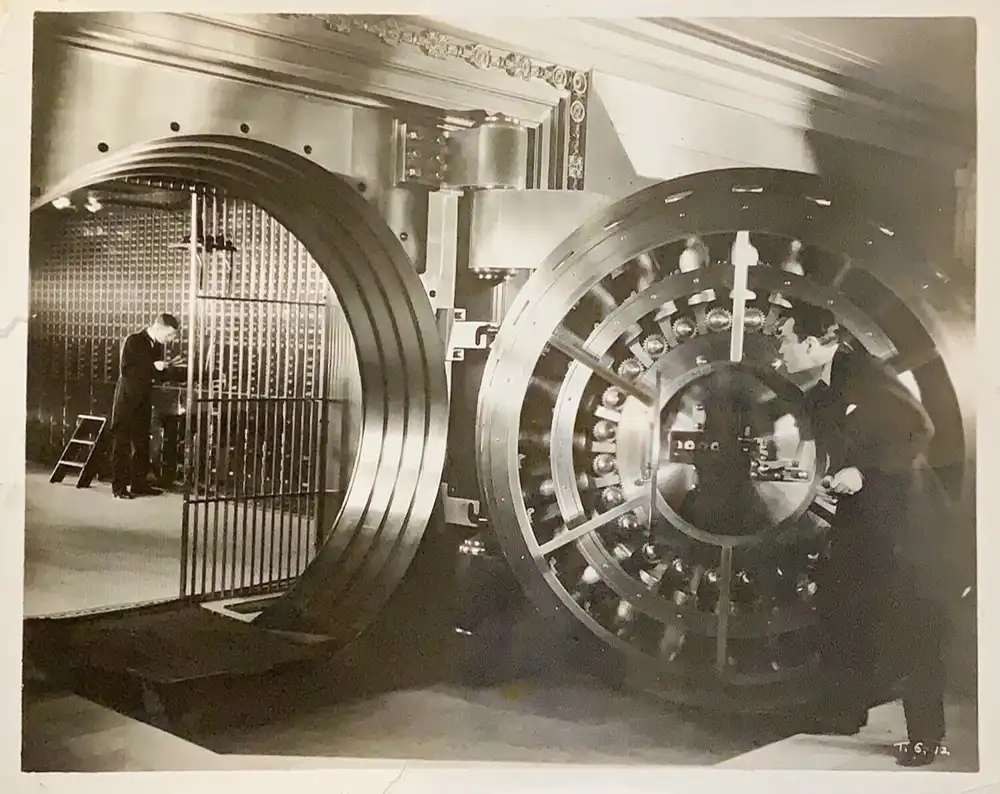
H.B. Warner, as the DA, is a bit more restrained. He actually manages to convey a sort of simmering resentment towards Arthur. There’s a scene where he’s just watching his wife (Lois Wilson) and Arthur talk, and you can almost feel the *heat* coming off him. It’s not elegant, but it’s effective for the time. He’s doing a good job trying to balance justice with personal vendetta.
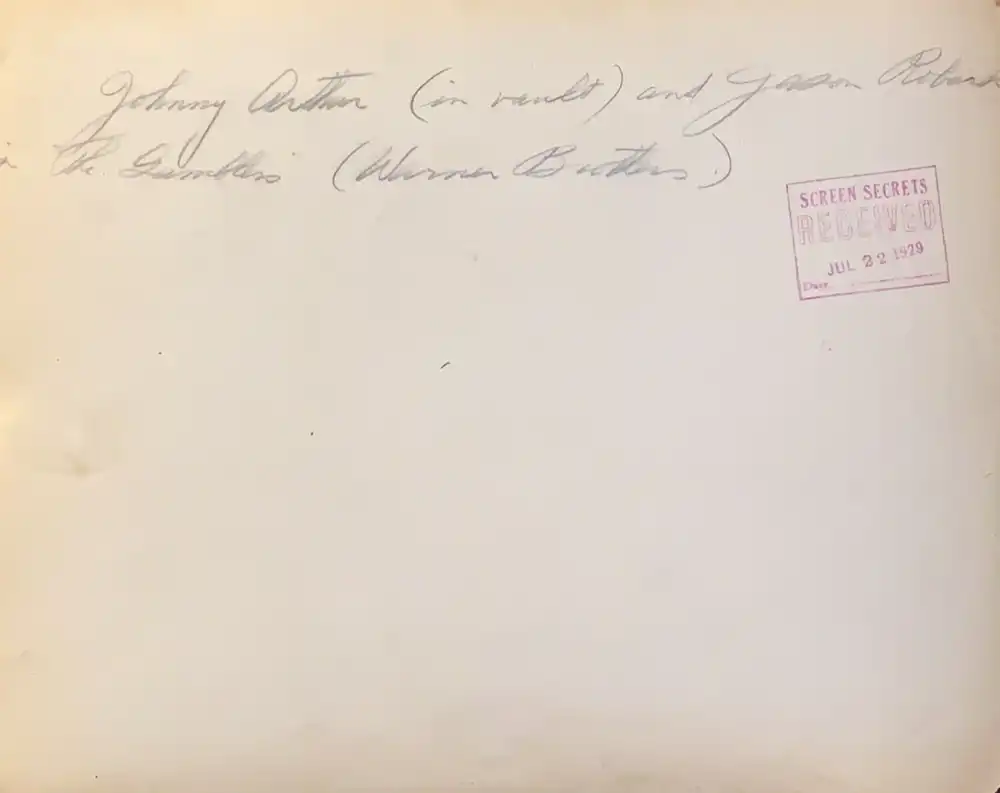
The film really shines, or at least becomes *interesting*, during the courtroom scenes. This is where the whole personal rivalry thing gets turned up to eleven. Darwin isn't just prosecuting a criminal; he's prosecuting the guy who used to hold his wife's hand. And you can see it in his face. It’s less about the law and more about who gets the last word.
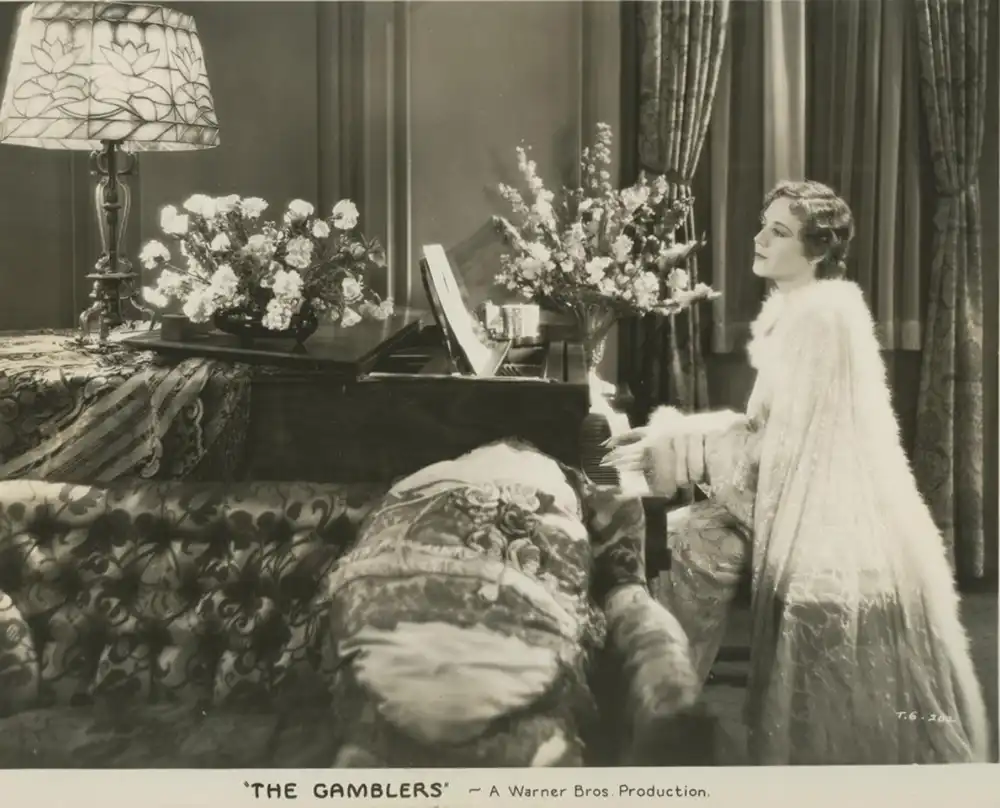
One little moment that stuck with me: there's a quick shot of a newspaper headline about the scandal. It flashes for just a second, but it grounds the story in its time. Those small details sometimes hit harder than the grand pronouncements. It’s a reminder that this isn’t just a stage play; it’s a *movie*.
Pauline Garon, playing Gladys Darwin, the wife caught in the middle, she doesn't get a whole lot to do besides look worried and occasionally plead. She’s the classic damsel in distress, really. But she does manage a few moments of genuine anguish, particularly when she has to confront both men. Her struggle feels real, even if her dialogue is a bit stilted.
The pacing is very much of its era. There are long stretches of dialogue, and then sudden cuts. It doesn't quite have the rhythm of modern films. Sometimes a scene just… ends. No real transition, just *bam*, next scene. It keeps you on your toes, I guess. Or maybe just makes you wonder if they cut a reel by accident. 😂
It's clear that the writers (De Leon Anthony, Charles Klein, J. Grubb Alexander) were working with familiar dramatic beats. The *moral quandary* of prosecuting someone for personal reasons, the _fall from grace_, the conflicted woman. These are all classic tropes, and they’re handled with a certain earnestness here. It doesn't try to reinvent the wheel, but it rolls it along fairly well for 1929.
Honestly, the biggest takeaway for me was just watching the performances. It's like watching an early experiment. You see what worked and what didn't as sound came in. Some actors, like H.B. Warner, adapted quicker. Others, like George Fawcett, felt a bit stuck in the past. It’s a _rough diamond_ for sure, a curious piece of cinema history.
Don't expect a thrilling, fast-paced ride. Do expect to see some interesting acting choices from a time when film was still finding its voice. It’s not for everyone, but it’s a testament to how far cinema has come.
IMDb 5
1920
Community
Log in to comment.