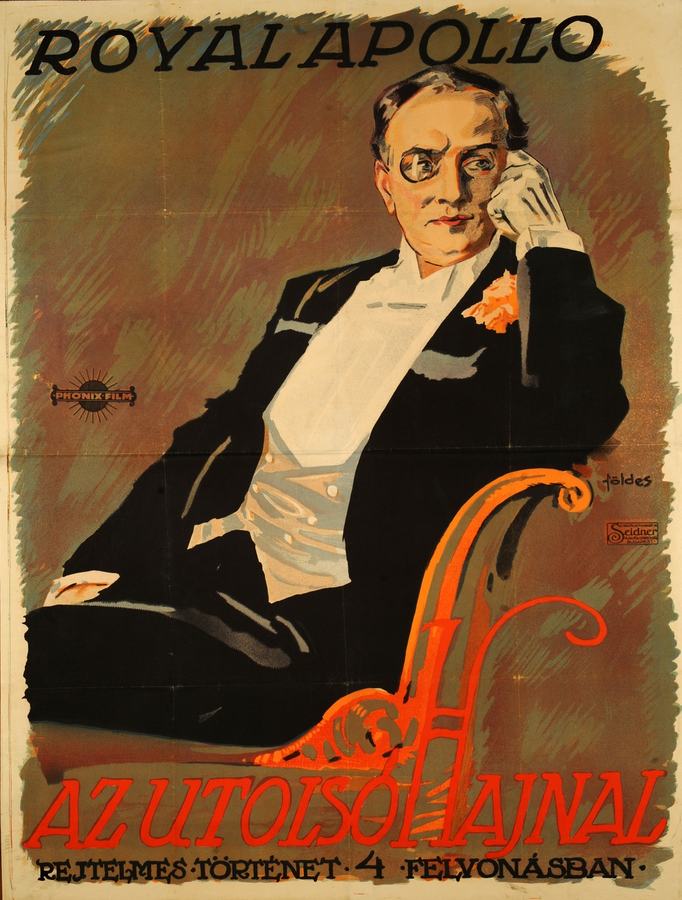
A father-and-son team of cons gamble their firm's assets. The son is caught investing money that doesn't belong to him and is indicted on a swindling charge.

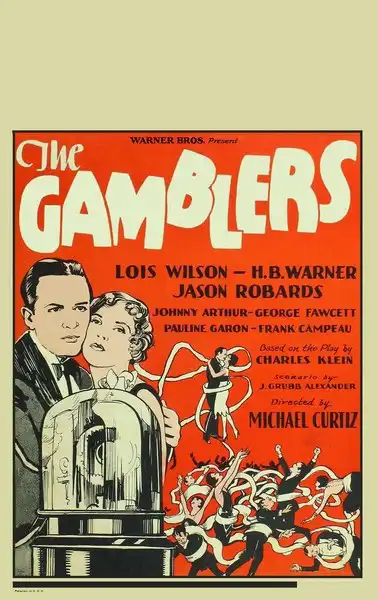
Okay, let's talk about "The Gamblers" from 1929. This one’s a real curio, not going to lie. If you're a serious early cinema buff, *maybe* give it a peek. Otherwise, probably skip it unless you're writing a thesis on how actors learned to talk on screen. It’s got that specific, clunky charm of a film figuring things ou...
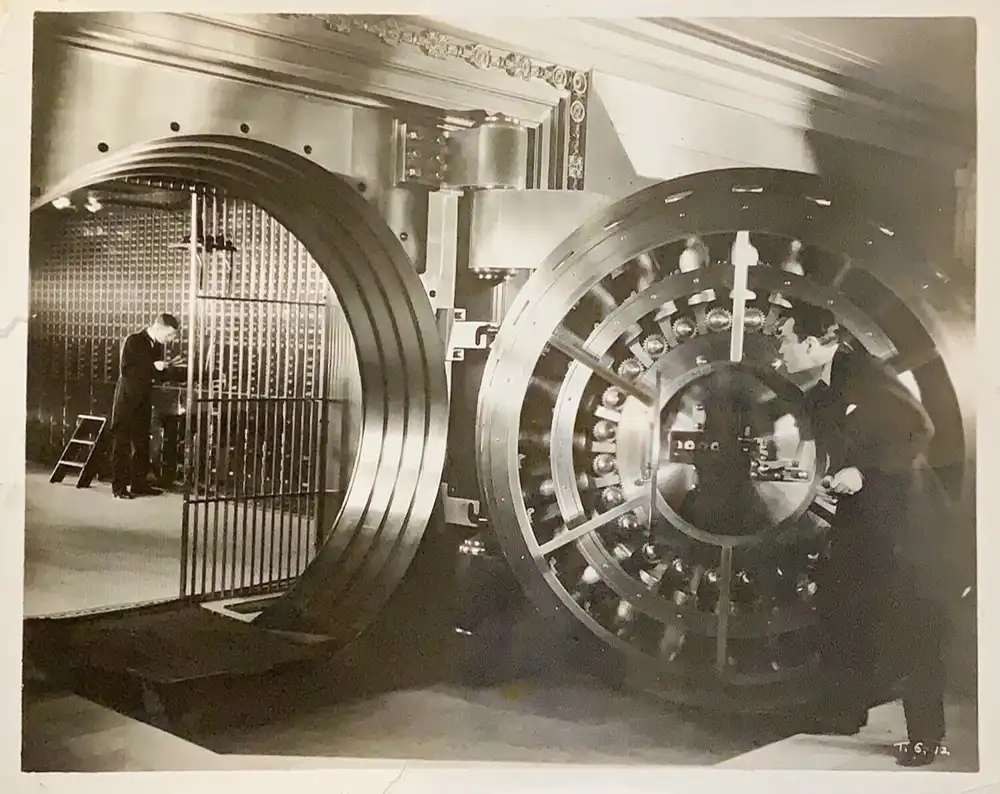
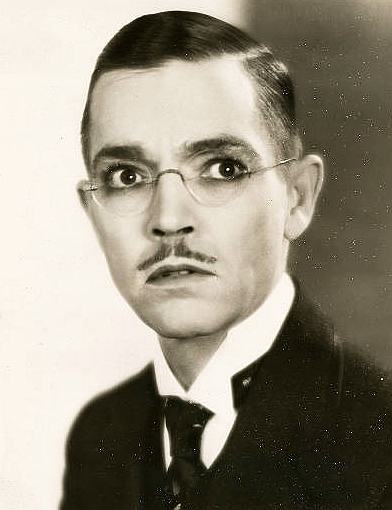
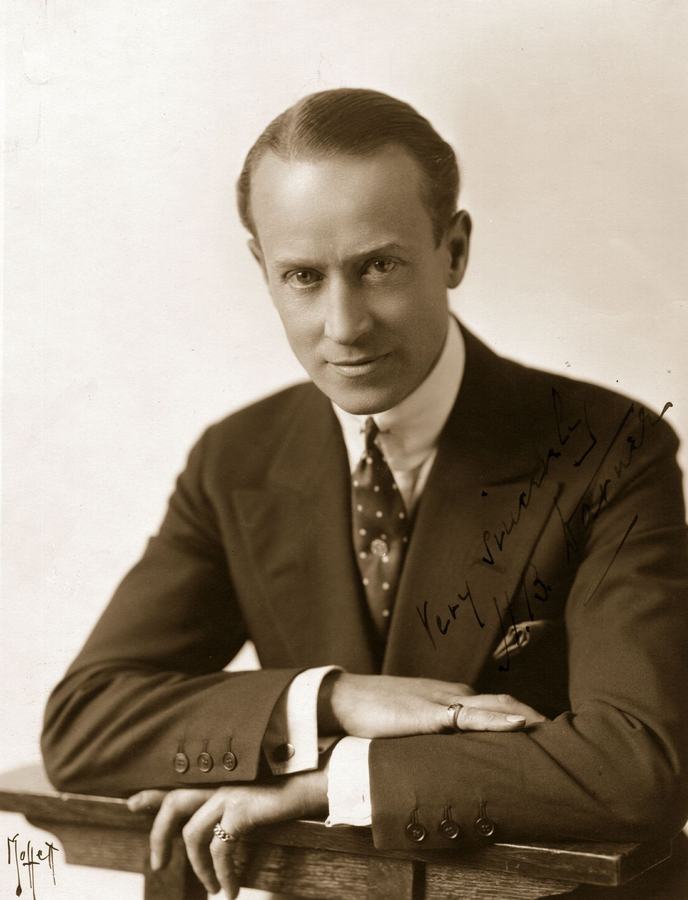
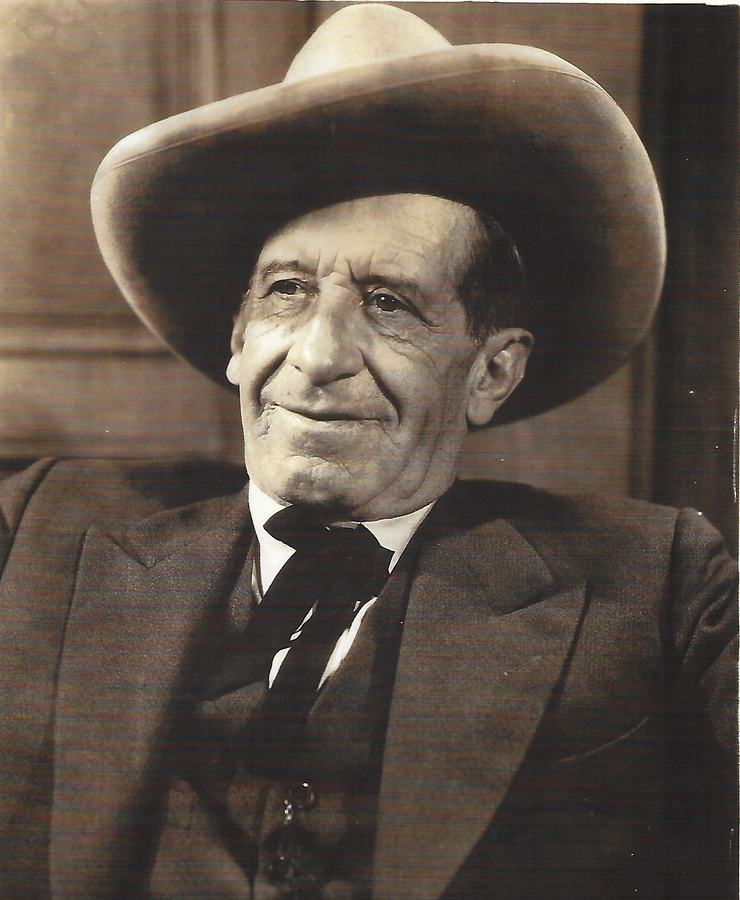
still_frame
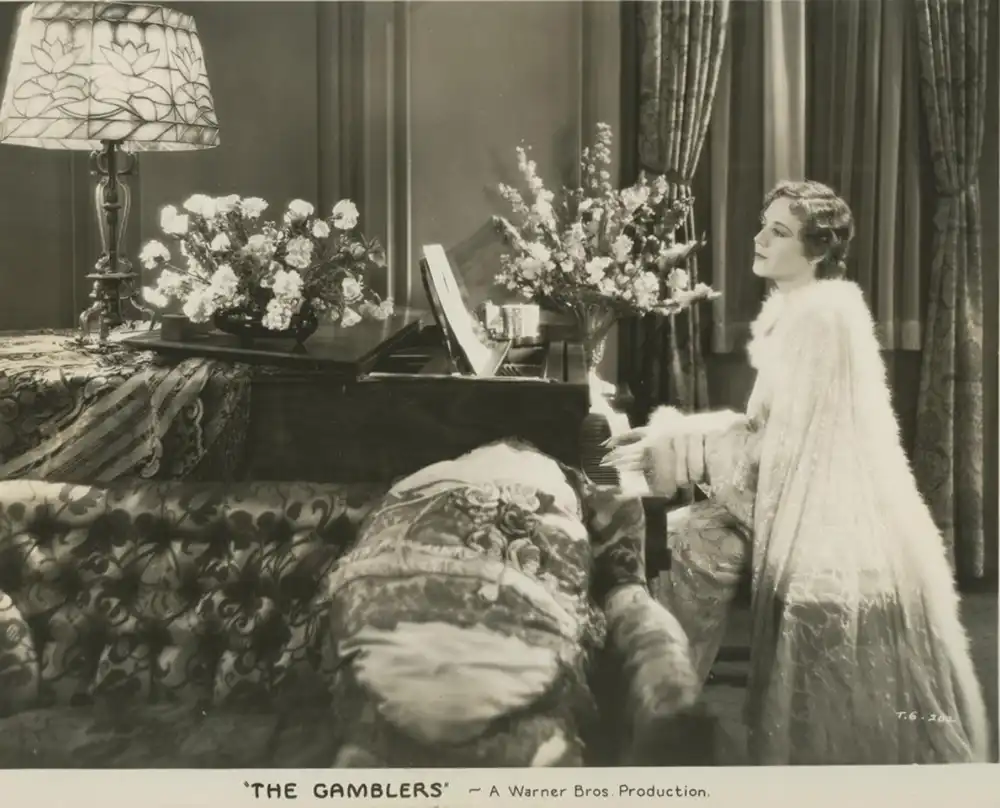
still_frame
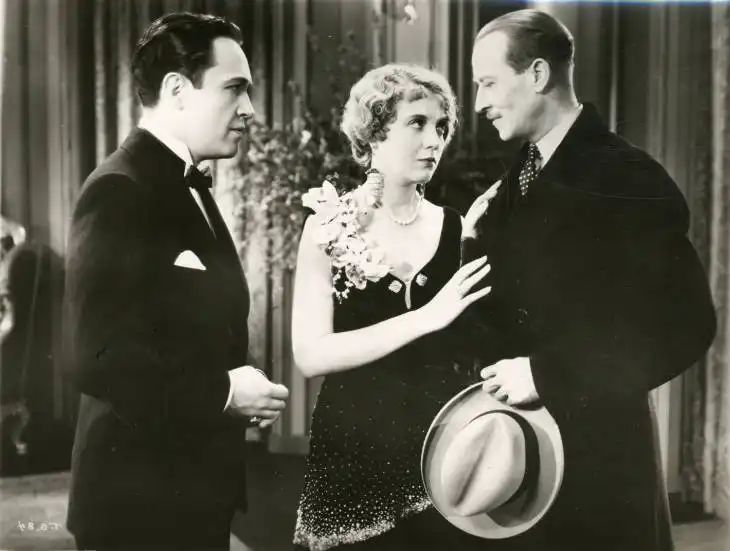
still_frame
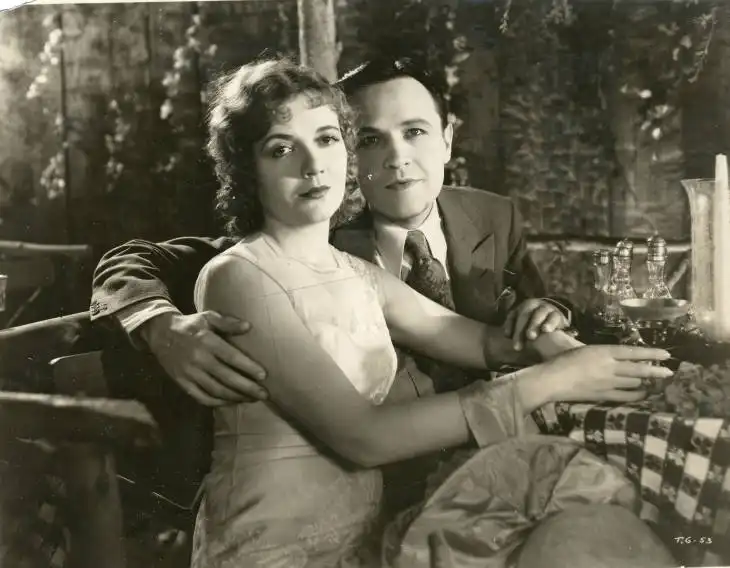
still_frame
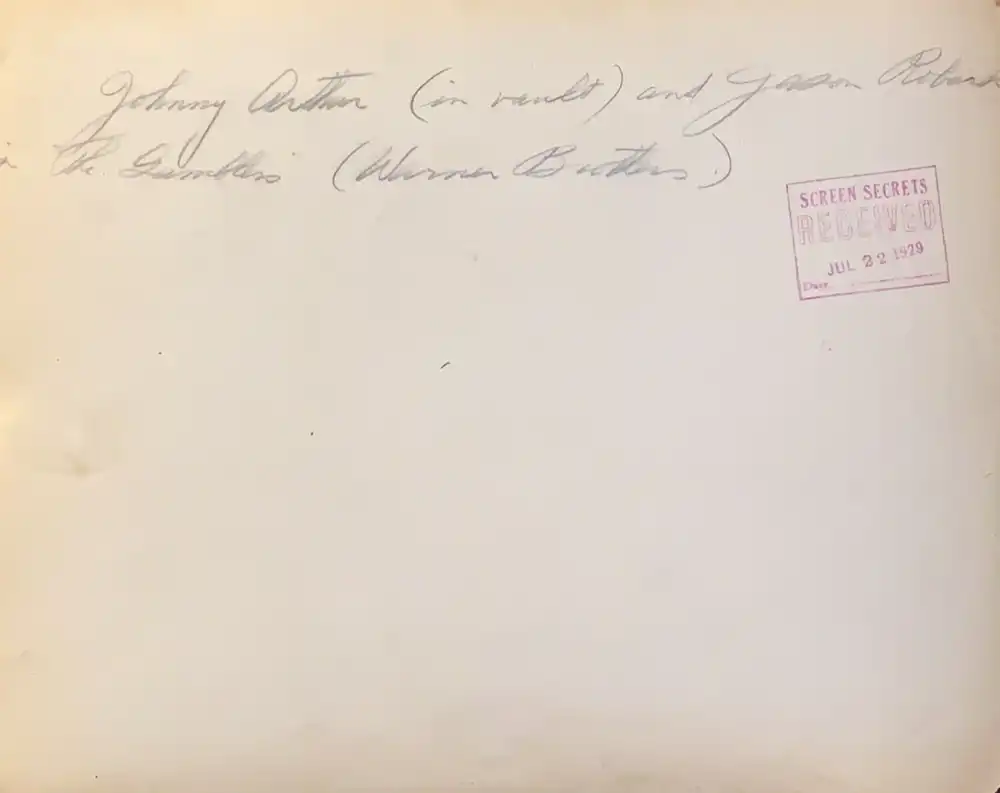
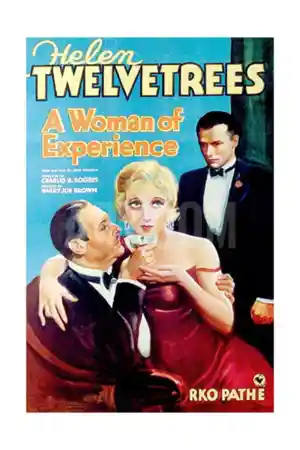
publicity
Comparing the cinematic DNA and archive impact of two defining moments in cult history.
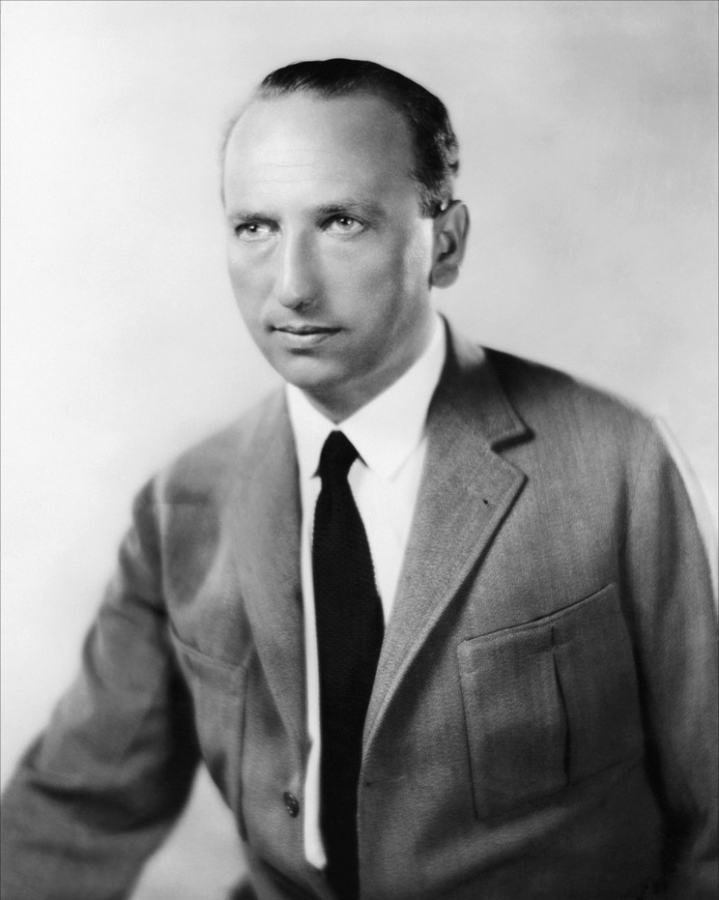
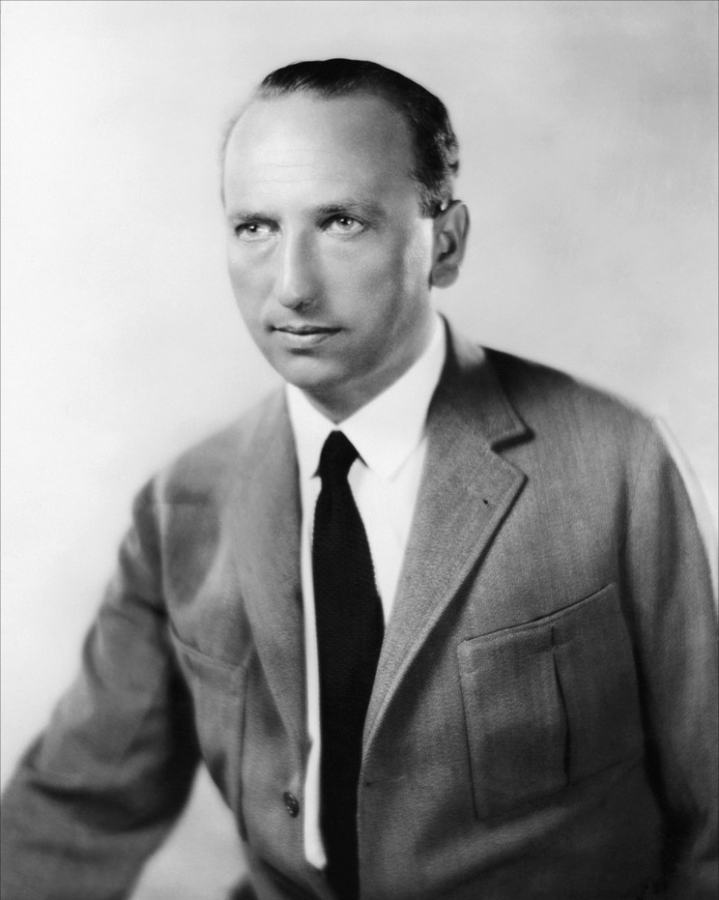
Michael Curtiz
Michael Curtiz
Community
Log in to comment.
"Okay, let's talk about "The Gamblers" from 1929. This one’s a real curio, not going to lie. If you're a serious early cinema buff, *maybe* give it a peek. Otherwise, probably skip it unless you're writing a thesis on how actors learned to talk on screen. It’s got that specific, clunky charm of a film figuring things out. The basic setup is pretty neat, actually. A father-son duo, both a bit too slick with other people's money. When the son, Arthur Ingraham (played by George Fawcett), gets caugh..."
De Leon Anthony, Charles Klein, J. Grubb Alexander
United States