DbcultAccessing Vault...
6.9/10
Senior Film Conservator
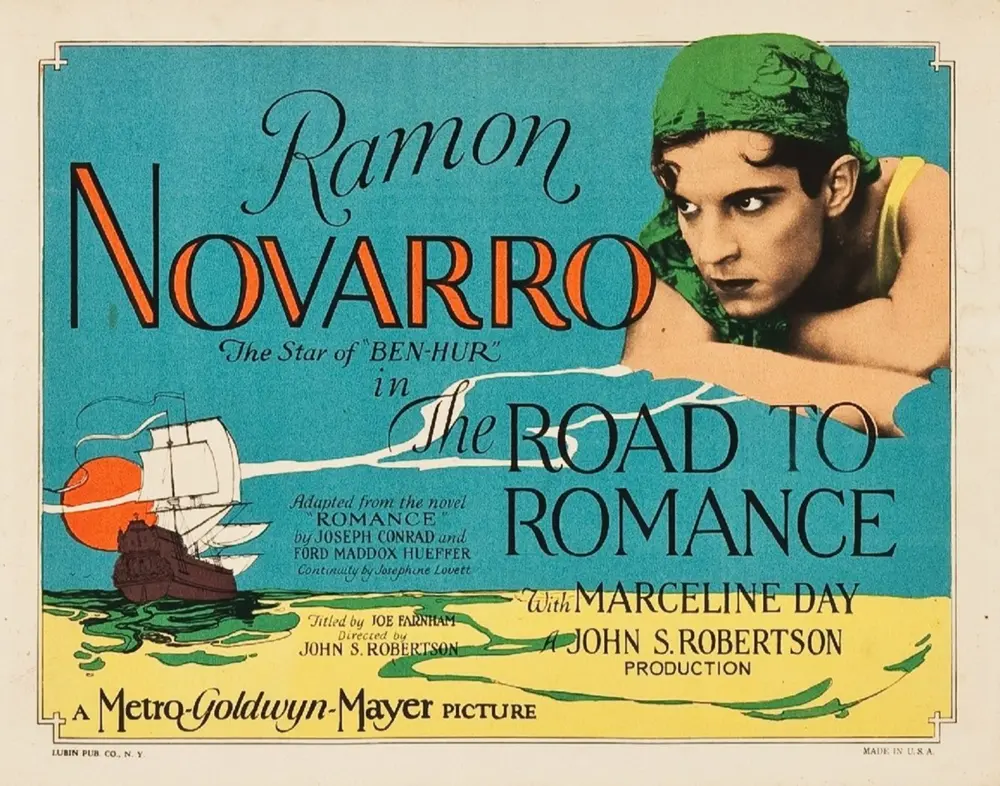
A definitive 6.9/10 rating for a film that redefined the boundaries of cult cinema. The Road to Romance remains a cornerstone of transgressive art.
Should you invest your time in The Road to Romance today? Short answer: Yes, but only if you can appreciate the heightened theatricality of late-period silent cinema. This film is a definitive showcase for those who enjoy swashbuckling adventures with a romantic soul, but it will likely frustrate viewers who require modern pacing or psychological realism.
This film is specifically for fans of Ramon Novarro’s physical charisma and those interested in how Hollywood once sanitized Joseph Conrad’s gritty prose. It is emphatically not for anyone who finds silent film tropes tedious or expects a historically accurate depiction of 19th-century piracy. It is a dreamscape of adventure, nothing more and nothing less.
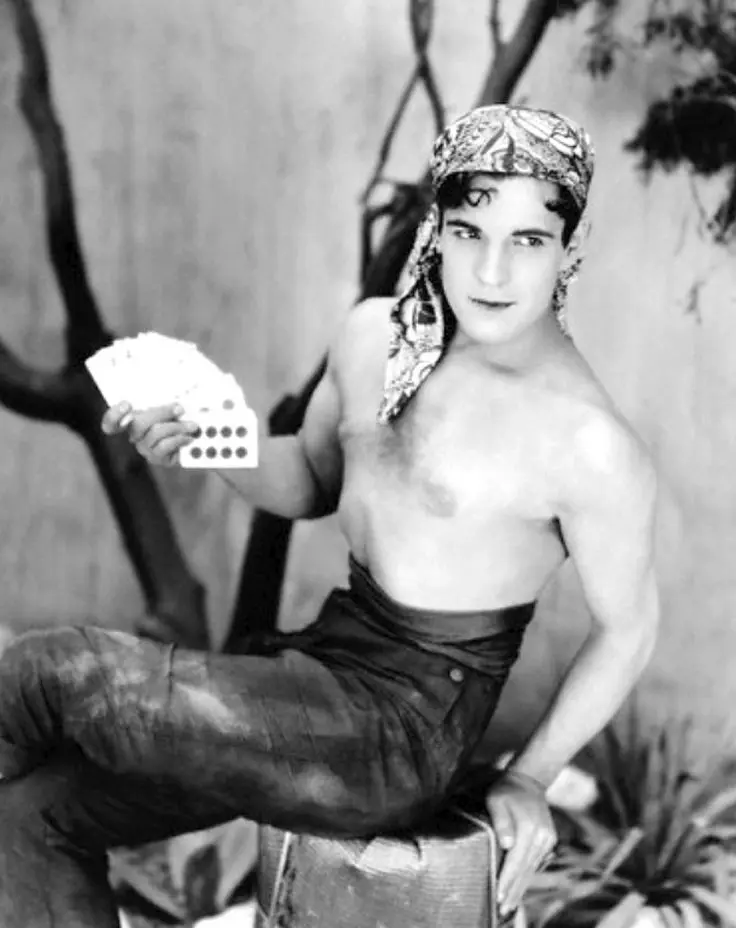
1) This film works because: Ramon Novarro’s screen presence bridges the gap between the 'Latin Lover' archetype and a genuine action hero, providing a magnetic center for an otherwise thin plot.
2) This film fails because: The narrative strips away the complex moral ambiguity of the source material, Joseph Conrad’s 'Romance,' in favor of standard MGM melodrama.
3) You should watch it if: You have already exhausted the filmography of Rudolph Valentino or enjoyed the atmospheric tension of The Temptress and the gritty underworld dynamics of Underworld.
If you are looking for a definitive answer, here it is: The Road to Romance is worth watching for its visual craft and its place in the evolution of the action genre. Unlike the experimental nature of Kino-pravda no. 21, this is pure commercial entertainment. It represents the pinnacle of silent film production values right before the industry was upended by sound.
The film offers a specific kind of escapism. It isn't deep. It isn't revolutionary. But it is effective. The chemistry between Novarro and Marceline Day provides a believable emotional anchor amidst the chaos of the pirate raids. If you want to see how the 1920s envisioned heroism, this is your textbook example.
By 1927, Ramon Novarro was MGM’s answer to the vacuum left by the passing of other silent icons. In The Road to Romance, he plays José Armando with a mixture of Spanish nobility and athletic prowess. There is a specific scene early in the film where Armando first encounters the lawlessness of the island; his posture remains rigid, his expression a mask of aristocratic disdain that slowly melts into the fervor of a man possessed by love. It is a masterclass in silent acting that relies on subtle shifts in weight rather than the wild gesticulations often associated with the era.
The film’s direction manages to keep the stakes high even when the plot feels predictable. The rescue of Serafina is not just a physical journey but a tonal shift from the sun-drenched beaches of the opening to the claustrophobic, shadow-heavy caves of the pirate lair. This use of lighting is reminiscent of the chiaroscuro seen in The Vamp, though applied here to an adventure context rather than a domestic drama.
One cannot discuss The Road to Romance without mentioning its literary pedigree. Co-written by Joseph Conrad and Ford Madox Ford, the original novel 'Romance' is a dense, often bleak exploration of corruption and the death of idealism. The film, however, tosses most of that into the sea. This is a debatable choice. On one hand, it makes for a more accessible film. On the other, it robs the story of the 'Conrad-esque' weight that could have made it a masterpiece.
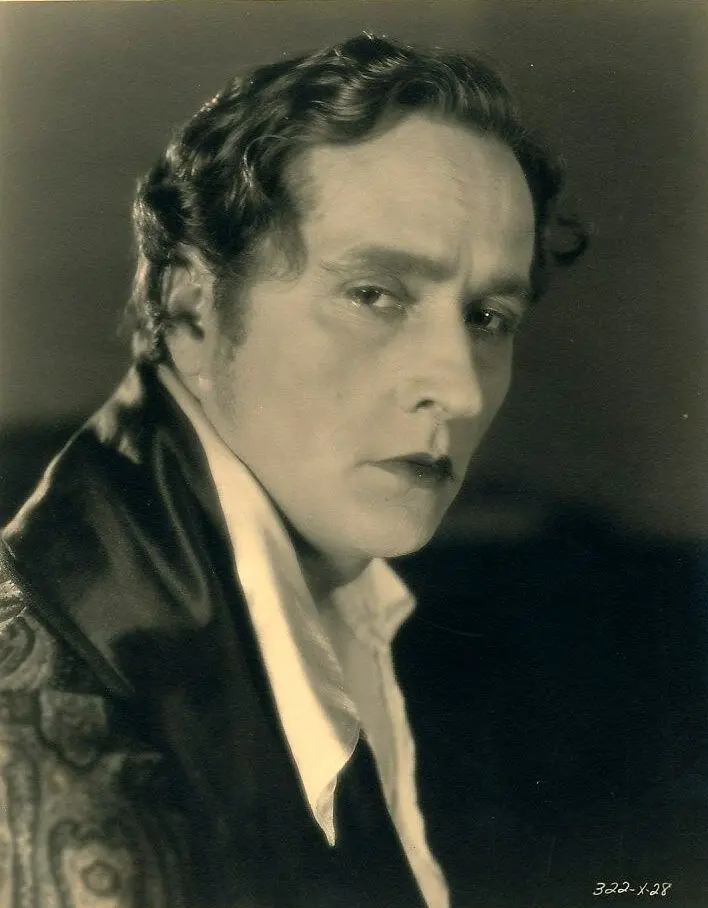
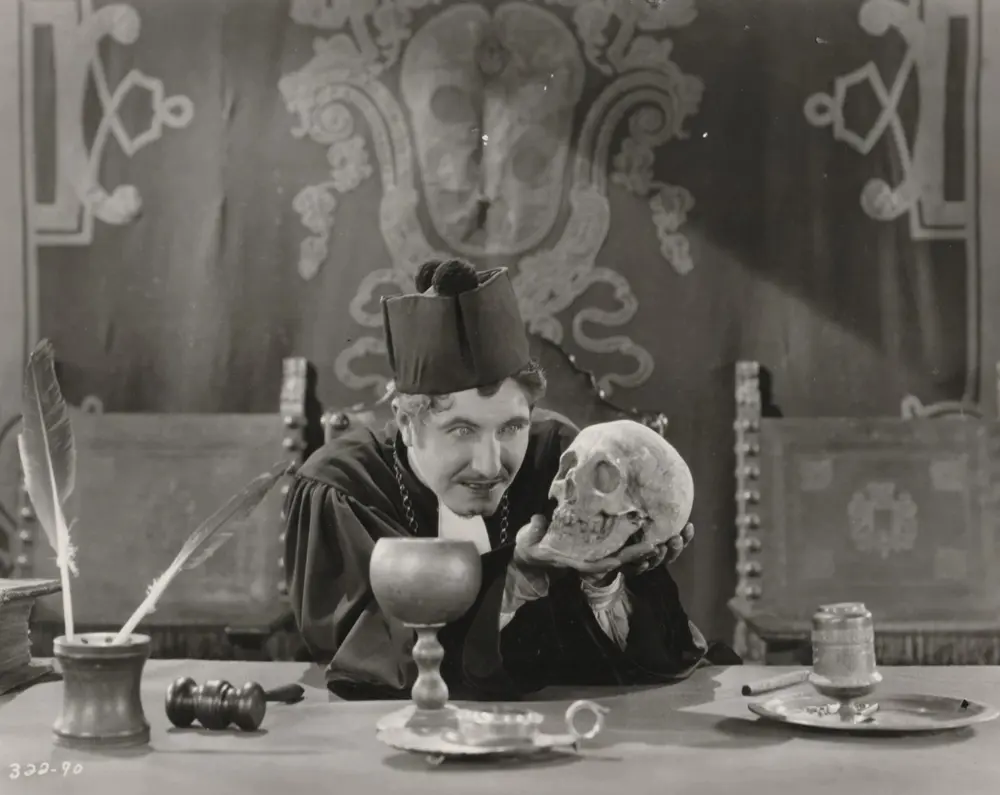
Take, for instance, the character of Balthasar. In the text, he is a figure of terrifying complexity. In the film, Marc McDermott plays him with a delicious, sneering villainy that borders on the pantomime. It works. But it’s flawed. It turns a story about the loss of innocence into a story about a hero beating a bad guy. For some, this simplification is a betrayal; for others, it is exactly what a Saturday matinee requires.
The visual language of the film is where it truly shines. The cinematography captures the island not as a tropical paradise, but as a place of hidden dangers. The use of depth of field during the pirate chase sequences is particularly impressive for 1927. You can see the influence of earlier rural dramas like Tol'able David in the way the environment is used to heighten the physical struggle of the protagonist.
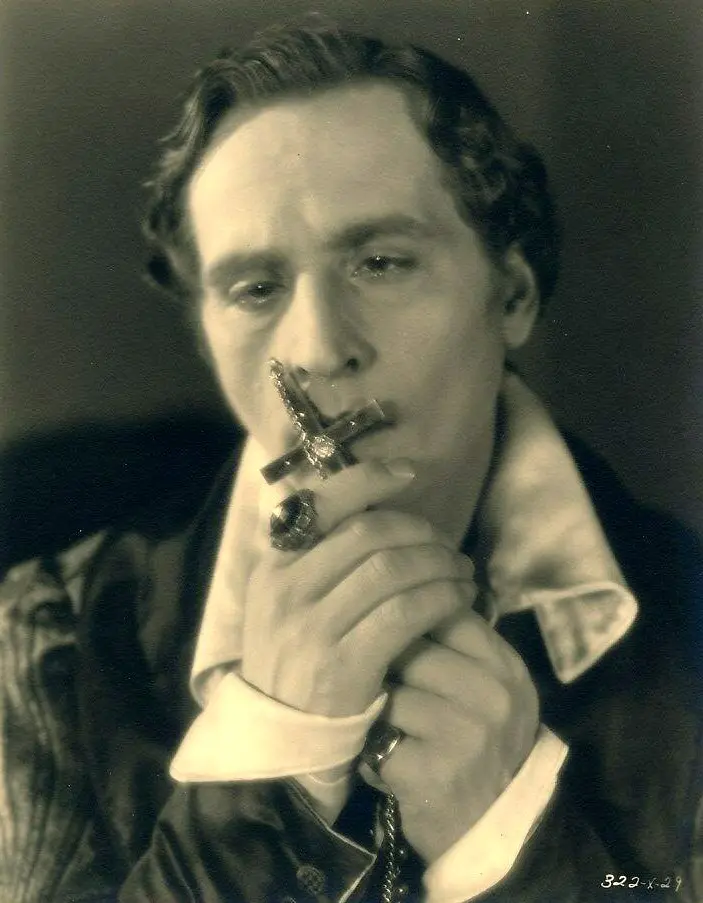
There is a specific moment where Armando is navigating the rocky outcroppings to reach the pirate stronghold. The camera stays low, making the terrain look insurmountable. This isn't just about showing the action; it's about making the audience feel the exhaustion of the hero. The sets, while clearly studio-bound in some shots, possess a texture that modern CGI often lacks. You can almost smell the salt air and the stale gunpowder.
Marceline Day’s Serafina is more than just a damsel in distress, though the script doesn't always give her the agency she deserves. Compared to the female leads in films like Forbidden Fruit or The Innocent Cheat, Day plays Serafina with a quiet resilience. Her eyes do a lot of the heavy lifting. In the scenes where she is held captive, she doesn't just weep; she watches, looking for a weakness in her captors.
The supporting cast, including Cesare Gravina and Roy D'Arcy, provides a solid foundation. D'Arcy, in particular, has a way of stealing scenes with a single look. His performance adds a layer of menace that balances Novarro’s more heroic energy. It’s a classic ensemble that understands the requirements of the genre: be bold, be distinct, and never let the energy sag.
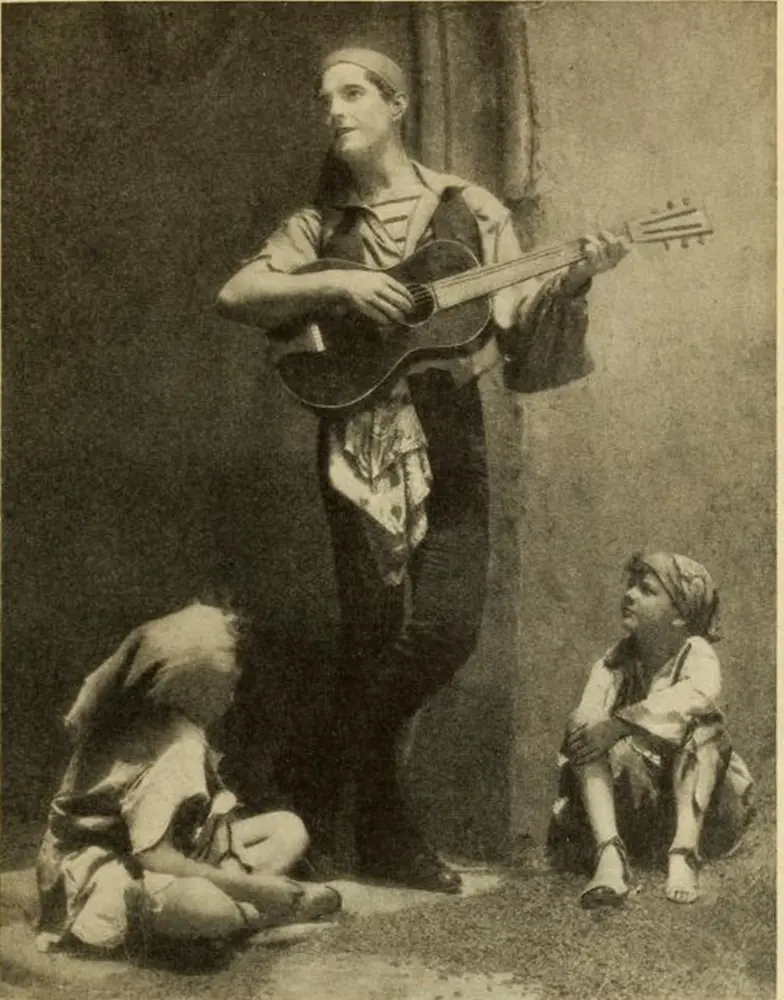
At its core, The Road to Romance is a film about momentum. The first act sets the stakes, the second act builds the tension, and the third act explodes in a series of confrontations. The pacing is remarkably modern in its efficiency. It avoids the long, drawn-out philosophical digressions found in films like The Money Mill or the social commentary of You Find It Everywhere.
The climax is a flurry of sabers and silhouettes. By using the high-contrast lighting of the late 20s, the director creates a dance of shadows that is more exciting than many modern fight scenes. It relies on the viewer’s imagination to fill in the gaps of the violence, which actually makes it feel more visceral. The final confrontation between Armando and Balthasar is a highlight of the era’s stunt work.
Pros:
Cons:
The Road to Romance is a vibrant, if slightly hollow, piece of cinematic history. It doesn't have the soul-searching depth of The Beloved Impostor or the domestic bite of Matri-Money, but it isn't trying to. It is a film designed to make you swoon and cheer in equal measure. While it sacrifices Conrad's complexity for Hollywood gloss, the trade-off results in a highly polished adventure that remains surprisingly watchable nearly a century later.
Is it a masterpiece? No. Is it a damn good time? Absolutely. It captures a moment in time when the movies were learning how to be big, bold, and beautiful. If you can surrender to its charms and ignore its occasional simplicity, you’ll find a road well worth traveling. It is a testament to the power of the star system and the technical mastery of the silent era's final years. Don't go in expecting a history lesson; go in expecting a show. You won't be disappointed.
IMDb 5.1
1929
Community
Log in to comment.