DbcultAccessing Vault...
Cult Review
Senior Film Conservator
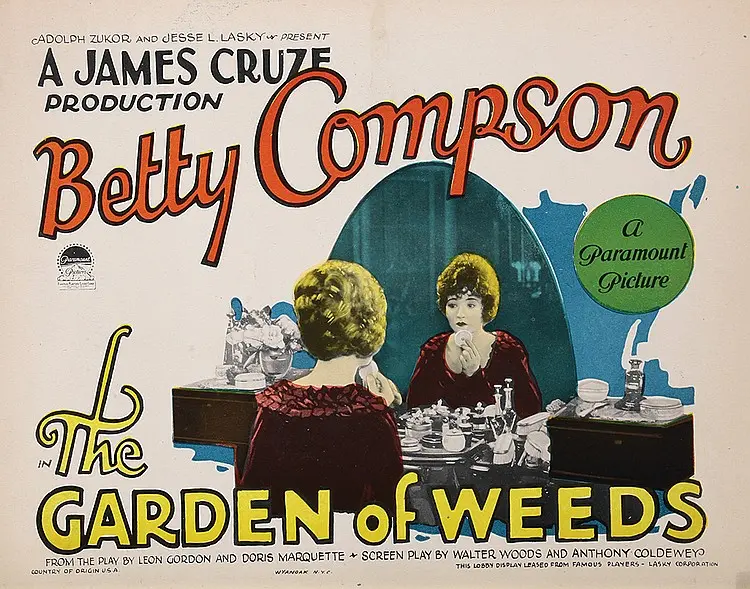
The 1920s cinematic landscape was often characterized by a fascination with the intersection of high society and low morality. James Cruze’s 1924 production, The Garden of Weeds, stands as a quintessential example of this era's preoccupation with the 'fallen woman' trope, yet it distinguishes itself through a surprisingly nuanced exploration of coercion and redemption. Unlike the more overtly moralistic tone found in The Day of Faith, Cruze’s work here delves into the claustrophobia of social debt and the predatory nature of the theatrical elite.
The film introduces us to Phillip Flagg, portrayed with a chilling, slick arrogance by Rockliffe Fellowes. Flagg is not merely a villain; he is a system unto himself. His estate, 'The Garden of Weeds,' serves as a metaphor for the meretricious beauty of the jazz age—a place where the flowers are showgirls and the gardener is a parasite. When Dorothy Delbridge (the luminous Betty Compson) refuses to become another specimen in his collection, Flagg’s retaliation is swift and systemic. By ensuring her termination from the theater, he creates the very poverty that forces her back into his orbit. This cycle of manufactured dependency is a sophisticated narrative beat that resonates with contemporary understandings of power dynamics, far removed from the simpler melodramatics of In Wrong Right.
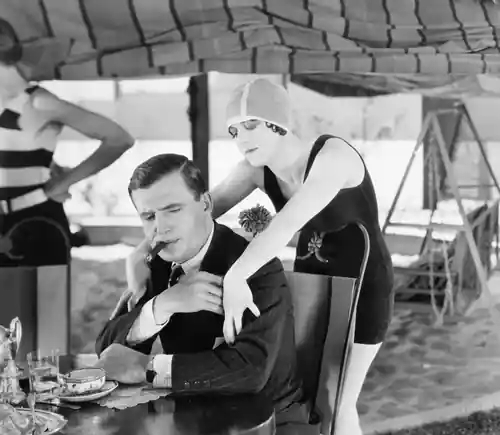
Cruze utilizes the visual language of the silent era to emphasize Dorothy’s isolation. The expansive sets of the Flagg estate feel less like a playground for the wealthy and more like a panopticon where Dorothy’s every move is scrutinized by her benefactor’s predatory gaze.
Betty Compson delivers a performance of remarkable internal conflict. In an era where acting was often characterized by broad gesticulation, Compson utilizes her eyes to convey a sense of impending doom. Her Dorothy is not a passive victim but a woman navigating a minefield of social expectations. When she eventually marries Douglas Crawford (Warner Baxter), the transition from the 'garden' to a legitimate home is marked by a shift in the film's lighting and composition. Baxter, who would later find immense fame in the sound era, provides a grounded, stoic counterpoint to Fellowes' theatrical villainy. His portrayal of Crawford eschews the typical 'white knight' archetypes found in films like The Heroine from Derna, opting instead for a quiet, observant strength.
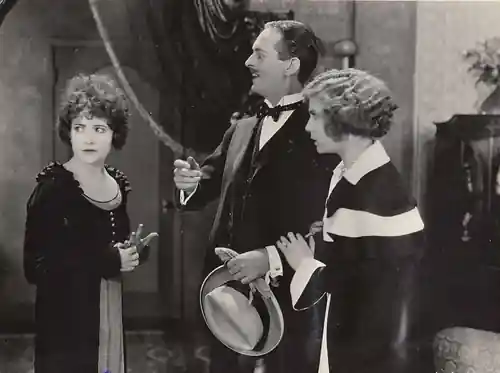
The narrative centerpiece of the film is the dinner party at the Crawford residence, where Flagg reappears like a recurring fever. The tension here is palpable. Flagg’s 'veiled threats' are handled with a sophisticated subtlety by the screenwriting team of Woods, Marquette, Gordon, and Coldeway. Every clink of a glass and every shared glance between Flagg and Dorothy serves to tighten the noose around her social standing. It is a sequence that rivals the psychological density of The House of Mirth, focusing on the fragility of a woman’s reputation in a world designed by men.
Cruze’s direction during these sequences is impeccable. He avoids the frenetic pacing of The Speed Spook, favoring instead long takes that allow the audience to inhabit Dorothy’s anxiety. The presence of character actors like Lilyan Tashman and Al St. John adds layers of texture to the social milieu, suggesting a world that exists beyond the immediate central conflict—a world of gossip, judgment, and superficiality.
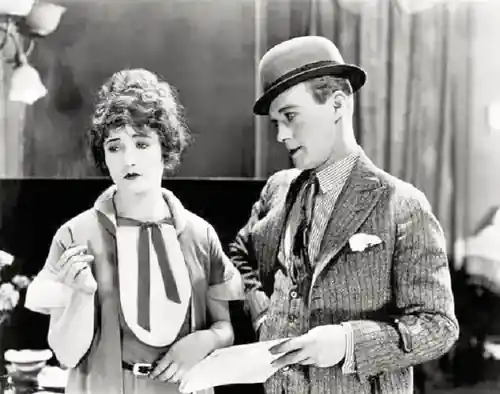
The resolution of The Garden of Weeds offers a fascinating subversion of silent film tropes. Typically, a secret like Dorothy’s would lead to a tragic expulsion or a long-winded plea for forgiveness. However, when Dorothy finally breaks under the strain and confesses her 'past' to Crawford, his response—that he has always known—reframes the entire moral arc of the film. It shifts the focus from Dorothy’s perceived 'shame' to Crawford’s integrity and Flagg’s irredeemable malice. This level of character maturity is rare for 1924, providing a more satisfying emotional payoff than the more traditional resolutions of Love Never Dies or The Man Who Found Himself.
The climax, involving a physical altercation that leads to Flagg’s death, is visceral and cathartic. It is not merely a fight between two men; it is the literal and figurative uprooting of the 'weed' that has choked Dorothy’s life. The fall of Flagg is staged with a sense of poetic justice that feels earned rather than forced. While some might argue the violence is a sudden shift from the psychological drama of the preceding acts, it serves as a necessary release of the tension built throughout the film’s runtime.
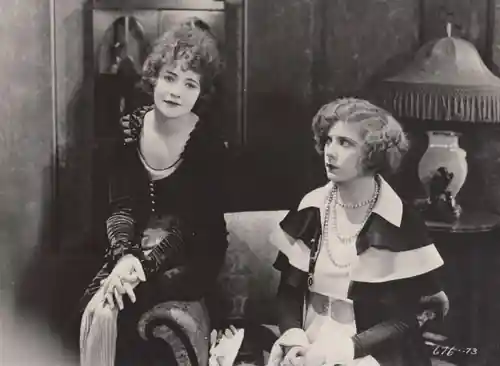
Visually, the film benefits from the high production standards of Paramount during this period. The cinematography captures the opulence of the roaring twenties with a sharp, clear eye, contrasting the brightly lit stages of Flagg’s theater with the brooding shadows of his estate. The costume design, particularly for Compson, reflects her character’s journey from a vibrant showgirl to a subdued, anxious wife, and finally to a woman liberated from her secrets. This attention to visual detail is what separates a Cruze production from the more utilitarian filmmaking of The Long Chance or Under Suspicion.
The supporting cast also deserves mention. William Austin and King Zany provide the necessary social backdrop, while the inclusion of Toyo Fujita and Charles Ogle demonstrates the depth of talent Paramount had at its disposal. Even minor roles feel lived-in, contributing to the sense of a cohesive, albeit fractured, society. The screenplay, adapted from the play by Leon Gordon and Anthony Coldeway, retains its theatrical punch while embracing the visual possibilities of the medium.
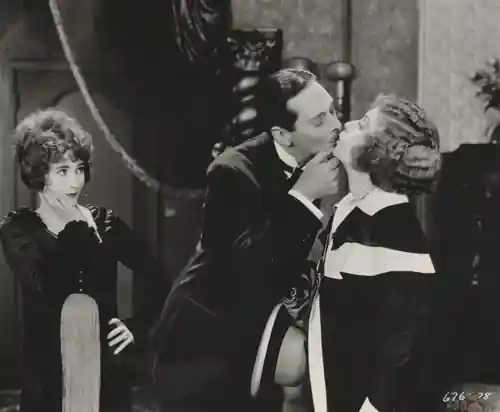
In the pantheon of 1920s cinema, The Garden of Weeds deserves a place alongside the more celebrated dramas of the decade. It tackles themes of sexual harassment, economic coercion, and the double standards of marriage with a frankness that was ahead of its time. While it shares some DNA with the grand spectacles of The Moon of Israel, its power lies in its intimate, domestic stakes. It is a film about the courage required to speak the truth in a world that profits from silence.
For modern viewers, the film offers a window into the anxieties of the post-WWI era—a time when traditional values were clashing with the new, often harsh realities of urban life and the entertainment industry. Dorothy Delbridge is a survivor, and her story remains a compelling testament to the resilience of the human spirit. Whether compared to the mystery of Pirates of the Deep or the social comedy of Saving Sister Susie, The Garden of Weeds stands out for its gravity and its refusal to offer easy answers until the very end. It is a masterwork of silent tension, anchored by a career-defining performance from Betty Compson and the assured direction of James Cruze.
Final Verdict: A haunting, beautifully staged drama that explores the darker side of the American Dream with precision and empathy.
IMDb —
1923
Community
Log in to comment.