DbcultAccessing Vault...
Cult Review
Senior Film Conservator
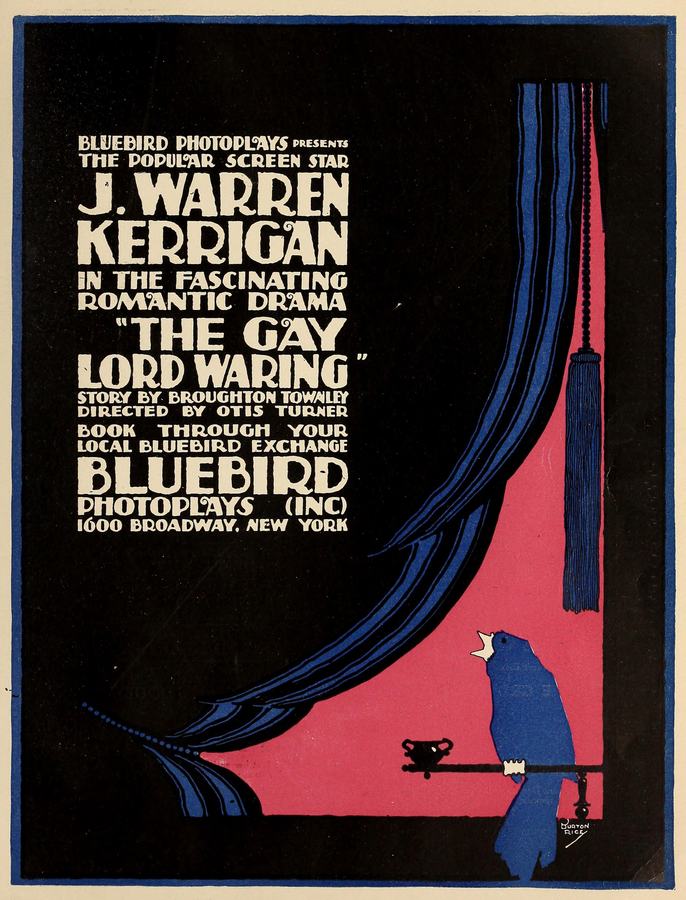
In the annals of early cinema, where narratives often painted in broad strokes of melodrama and moral absolutism, a film like 'The Gay Lord Waring' (1915) emerges as a fascinating artifact, a testament to the burgeoning sophistication of storytelling even in its nascent form. Directed by J. Warren Kerrigan, who also graced the screen in a pivotal role, and penned by F. McGrew Willis and Houghton Townley, this silent drama plunges viewers into a world where aristocratic titles clash with financial destitution, and where the most profound moral choices are forged in the crucible of desperation. It’s a narrative that, despite its century-old vintage, still resonates with timeless themes of sacrifice, greed, and the unpredictable hand of fate.
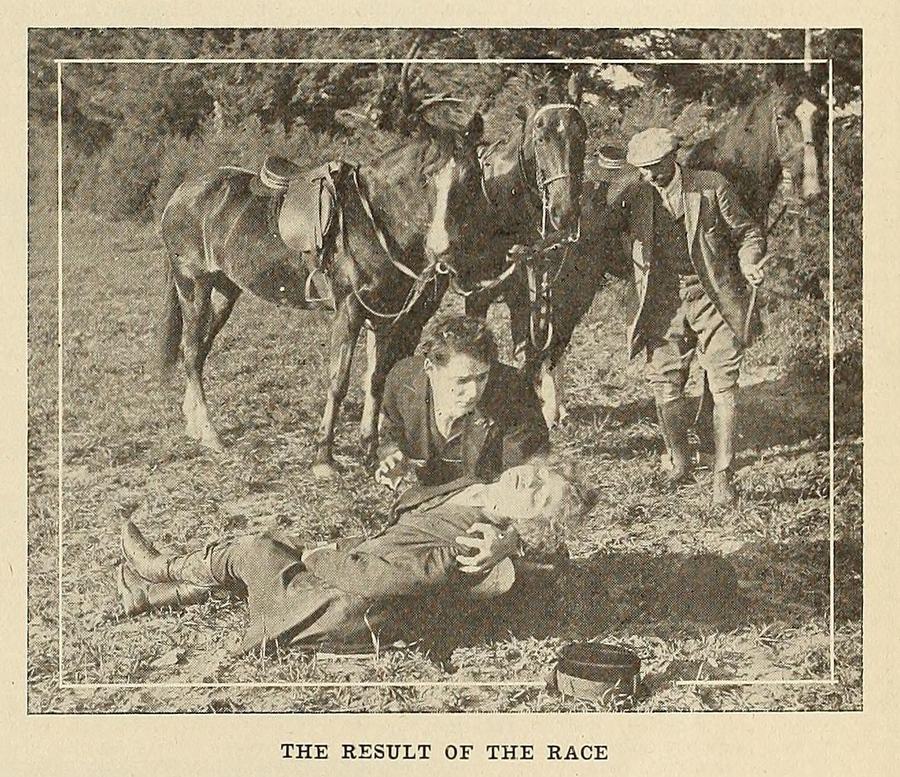
At its core, 'The Gay Lord Waring' is a morality play, a stark examination of what happens when a man’s honor is pitted against his survival. Lord Arthur Waring, portrayed with a compelling blend of aristocratic dignity and burgeoning despair by H.L. Holland, is a character burdened by an ancient title but bereft of modern wealth. His predicament is immediately relatable, even to a contemporary audience: the façade of prestige crumbling under the harsh realities of impecuniosity. The inciting incident—a riding accident that gravely injures Helene Von Gerold (Lois Wilson)—catapults Arthur into a crisis. His noble instinct to cover Helene’s medical expenses clashes violently with his empty coffers, forcing him into a Faustian bargain that forms the dramatic spine of the film.
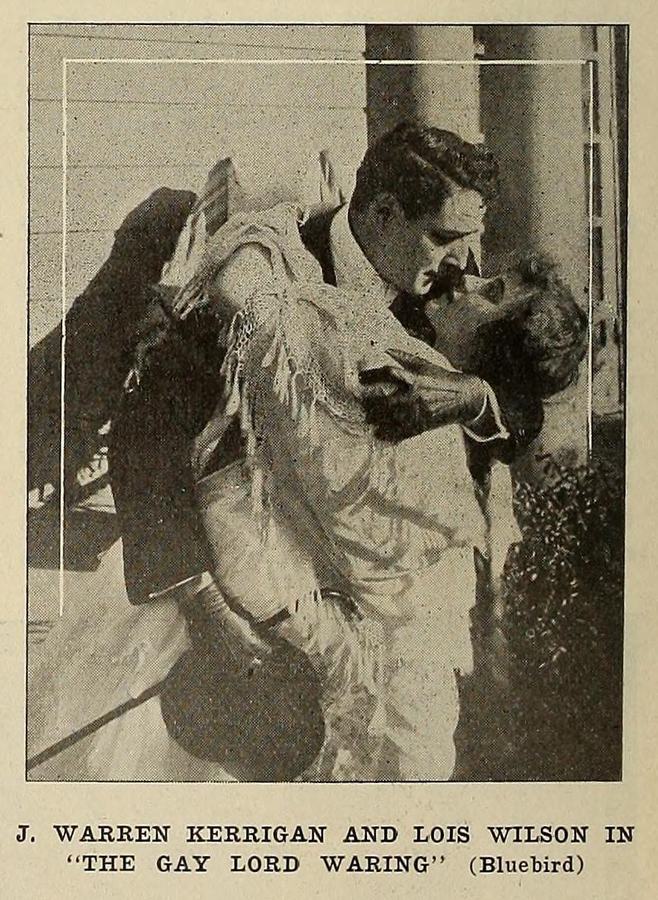
This particular narrative device, where a protagonist makes a terrible pact out of necessity, is a recurring motif in cinematic history, from early melodramas to sophisticated thrillers. One might draw a parallel to the weighty decisions faced by characters in films like The Price, where personal sacrifice becomes the ultimate currency, or even the moral compromises explored in Sin, though 'The Gay Lord Waring' frames its dilemma with a distinctly aristocratic flavor. Arthur’s younger brother, Mark (Duke Worne), embodies the venality of new money, a stark contrast to Arthur’s decaying gentility. Mark’s offer of a loan, contingent upon Arthur’s suicide should he fail to repay it within six months, is not merely a loan; it's a calculated murder plot, cloaked in the guise of a business transaction. This chilling agreement immediately establishes Mark as the quintessential antagonist, a man whose ambition for a title eclipses any familial affection or moral compunctions.
As the six-month deadline inexorably approaches, the film masterfully builds tension. Holland's portrayal of Arthur’s increasing desperation is subtle yet potent, conveyed through his posture, his haunted gaze, and the subtle tremble of his hands. The audience is invited to witness his quiet agony, his futile attempts to raise the funds that would free him from his dreadful oath. This period of mounting dread is critical, not just for plot development, but for deepening our empathy with Arthur. He is not merely a victim; he is a man cornered by circumstance, choosing honor over self-preservation, a decision that elevates him beyond the simple archetype of a tragic hero.
The narrative leans heavily on the concept of fate, a common trope in early cinema, where coincidence and divine intervention often serve as the ultimate arbiters of justice. Just as Arthur prepares to fulfill his gruesome pact, a sudden, dramatic turn of events intervenes. Helene’s father, in a moment of tragic clumsiness, overturns a lamp, engulfing their home in flames. This incident is a classic deus ex machina, but one that feels earned within the melodramatic framework of the era. It’s a moment of narrative catharsis, a release of the suffocating tension that has accumulated around Arthur. The fire serves not only as a plot device but also as a symbolic cleansing, a fiery crucible from which new beginnings can emerge.
The sequence of events following the fire is a masterclass in dramatic irony. Arthur, hearing the alarms, rushes to the scene, his self-sacrificial impulse overriding his personal despair. His heroism is immediate and uncalculated, a stark contrast to Mark’s cold, transactional approach to life. Meanwhile, Mark, ever the opportunist, also hurries towards the Von Gerold residence, presumably to revel in Arthur's impending demise or perhaps to survey the damage. However, fate, with a cruel twist, intervenes for him too. Thrown from his horse, Mark perishes en route, a poetic justice for his wicked machinations. This sudden demise is a powerful moment, eliminating the primary antagonist in a manner that feels both shocking and deserved, mirroring the often abrupt and decisive resolutions found in films like The Great Ruby or Under Cover, where justice, though sometimes swift, is ultimately served.
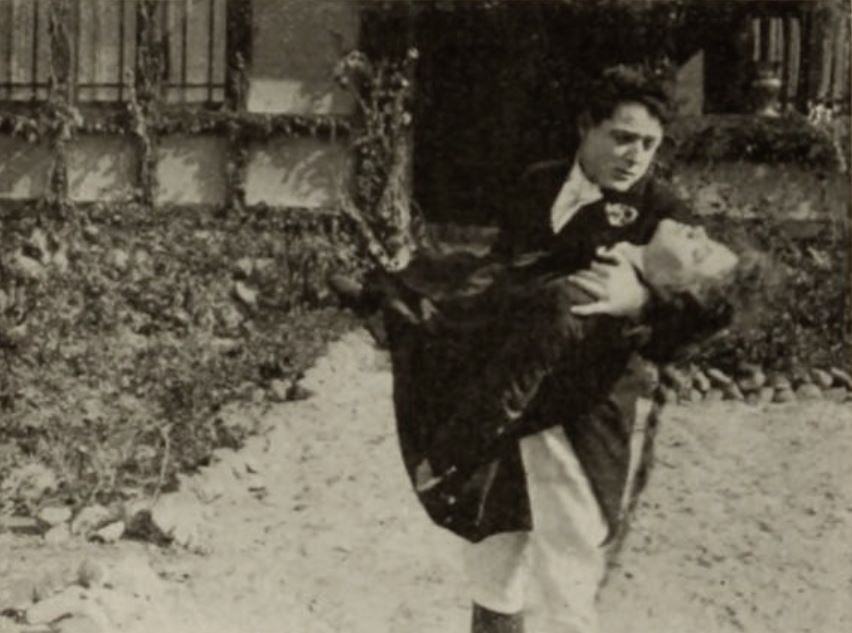
Arthur's subsequent rescue of Helene is the climax of his personal redemption arc. He emerges from the flames not just as a rescuer, but as a man reborn, free from the burden of his debt and the dark shadow of his brother's greed. The ironic twist of inheriting Mark's fortune underscores the film’s moral message: virtue, even when tested to its limits, ultimately triumphs, and ill-gotten gains often lead to ruin for their perpetrators. This narrative progression, from despair to unexpected fortune, is a classic trope, but it’s handled with a sincerity that elevates it beyond mere contrivance.
The performances in 'The Gay Lord Waring' are exemplary for their era. H.L. Holland, as Lord Arthur, carries the emotional weight of the film with remarkable grace. His expressive face and restrained gestures convey a spectrum of emotions, from despair to noble resolve, without ever resorting to overwrought histrionics. Lois Wilson, as Helene Von Gerold, is equally compelling. Her vulnerability and eventual admiration for Arthur are communicated through subtle glances and gentle gestures, building a believable foundation for their burgeoning romance. The chemistry between the two leads is palpable, a quiet understanding that transcends the lack of spoken dialogue.
Duke Worne's portrayal of Mark is chillingly effective. He embodies the villain with a cold calculation that makes his eventual demise feel justified. The supporting cast, including J. Warren Kerrigan (who, as mentioned, also directed), Maude George, and Bertram Grassby, each contribute to the film’s rich tapestry, providing depth and nuance to the narrative. Their ability to convey complex emotions and motivations through pantomime and facial expressions speaks to the unique artistry of silent film acting, an art form that demanded a particular kind of physical and emotional eloquence.
From a technical perspective, 'The Gay Lord Waring' showcases the developing cinematic language of its time. While perhaps not as revolutionary as some of D.W. Griffith's epics, it demonstrates a clear understanding of pacing, shot composition, and the use of intertitles to advance the plot and provide emotional context. The visual storytelling is surprisingly sophisticated, with careful attention paid to setting the mood and guiding the audience’s emotional response. The fire sequence, in particular, would have been a spectacle for contemporary audiences, a testament to the early filmmakers' ingenuity in creating dramatic visual effects.
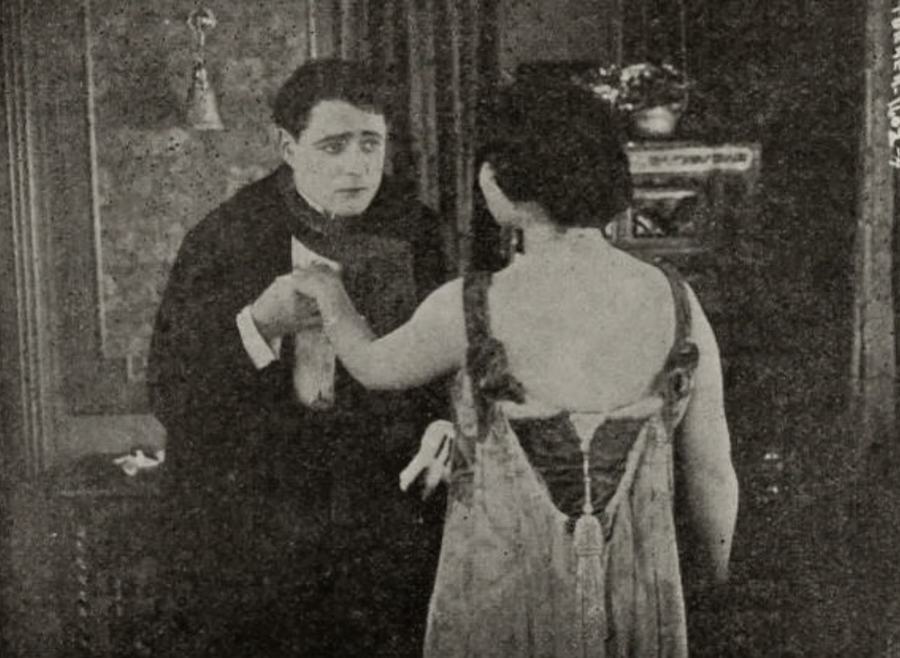
The film's use of light and shadow, though perhaps not as pronounced as in later Expressionist works like Spellbound, still contributes to the atmosphere, particularly in the scenes depicting Arthur's despair. The sets and costumes, while functional, effectively convey the social strata of the characters, from Arthur's threadbare aristocratic elegance to Mark's ostentatious display of wealth. This attention to detail, even in a seemingly simple melodrama, underscores the filmmakers' commitment to creating a believable world for their characters.
Beyond its engaging plot, 'The Gay Lord Waring' delves into themes that remain perennially relevant. The stark contrast between Arthur and Mark highlights the eternal struggle between honor and avarice. Arthur represents a fading aristocratic ideal, where personal integrity and lineage hold more weight than mere money. Mark, on the other hand, is the embodiment of unchecked ambition, willing to sacrifice family and morality for material gain and social climbing. This conflict resonates with other films of the era that explored societal stratification and moral decay, such as Souls in Bondage or The Girl from Abroad; or, The Great Underworld, which often depicted the corrupting influence of wealth or the struggles of the less fortunate against powerful adversaries.
The film also champions the idea of redemption through selfless action. Arthur’s decision to rush into the burning building, despite his own dire circumstances, is the ultimate act of selflessness, washing away the stain of his desperate pact and proving his inherent goodness. This redemption arc is deeply satisfying, providing a powerful moral conclusion that would have resonated strongly with audiences of the time, who often sought clear ethical lessons in their entertainment. The romantic resolution, with Arthur and Helene finding love after their shared ordeal, serves as a hopeful coda, suggesting that true love and happiness can emerge even from the ashes of tragedy.
Watching 'The Gay Lord Waring' today offers more than just entertainment; it provides a valuable window into the evolution of cinematic storytelling. It demonstrates how filmmakers, working within the constraints of silent film, developed sophisticated ways to convey emotion, build suspense, and deliver compelling narratives. The reliance on visual cues, exaggerated expressions, and carefully crafted intertitles forced a particular kind of storytelling economy that, in its best examples, could be incredibly powerful. It's a reminder that the fundamentals of good storytelling – compelling characters, clear stakes, and a satisfying resolution – were already firmly established in the earliest days of the medium.
While it might not possess the grand scale of a historical epic or the psychological depth of later character studies, 'The Gay Lord Waring' is a robust and engaging melodrama. Its strengths lie in its clear moral compass, its well-defined characters, and its dramatic, albeit coincidental, plot twists. For enthusiasts of silent cinema, or anyone interested in the foundational narratives that shaped the art form, this film is a worthwhile exploration. It stands as a testament to the enduring power of simple, yet profound, human stories, told with earnestness and skill, even when the only sounds were the whirring of the projector and the gasps of a captivated audience.
'The Gay Lord Waring' ultimately delivers a narrative rich in the dramatic conventions of its time but imbued with themes that continue to resonate. It is a story of a man pushed to the brink, saved by fate and his own inherent goodness, and ultimately rewarded with love and fortune. It reminds us that even in the most desperate of circumstances, honor can prevail, and the scales of justice, though sometimes slow, eventually balance. For those willing to immerse themselves in the unique charm and powerful visual language of silent cinema, this film offers a compelling journey through a world where titles meant everything, but true character meant even more. Its legacy is not just in its plot, but in its ability to evoke profound human emotions without a single spoken word, proving that some stories are truly timeless, echoing through the decades with enduring relevance.
IMDb —
1936
Community
Log in to comment.