DbcultAccessing Vault...
Cult Review
Senior Film Conservator
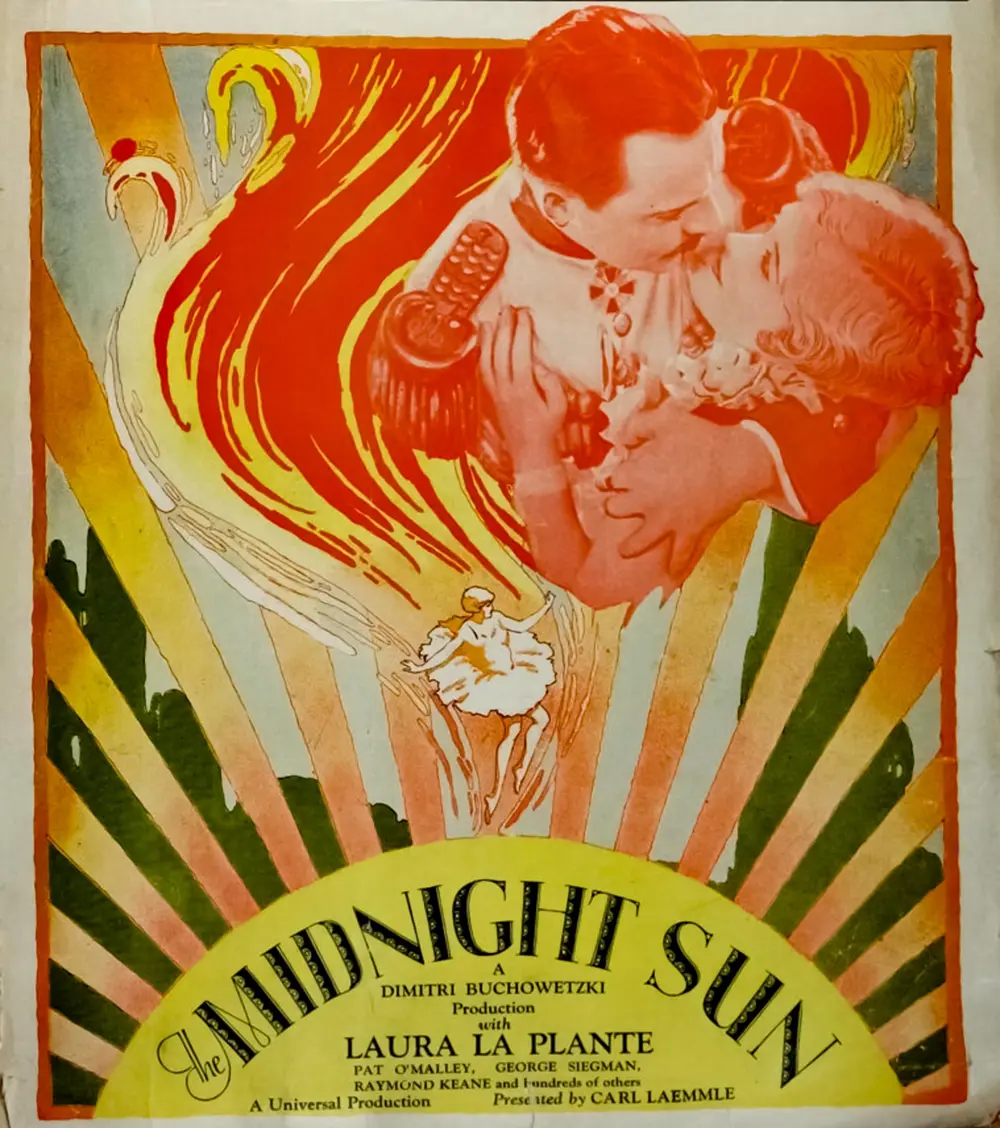
Is The Midnight Sun worth watching today? Short answer: yes, but with significant caveats that demand a certain appreciation for the silent film era. This largely forgotten drama offers a fascinating, if sometimes frustrating, glimpse into early 20th-century melodrama, showcasing themes of ambition and influence that remain strikingly relevant.
It is a film crafted for those who cherish historical cinema, particularly fans of ballet narratives and intricate power dynamics, even when presented through the stylized lens of its time. Conversely, audiences seeking fast-paced plots, crisp dialogue, or modern production values will likely find its deliberate pacing and expressive, non-verbal storytelling a challenge.
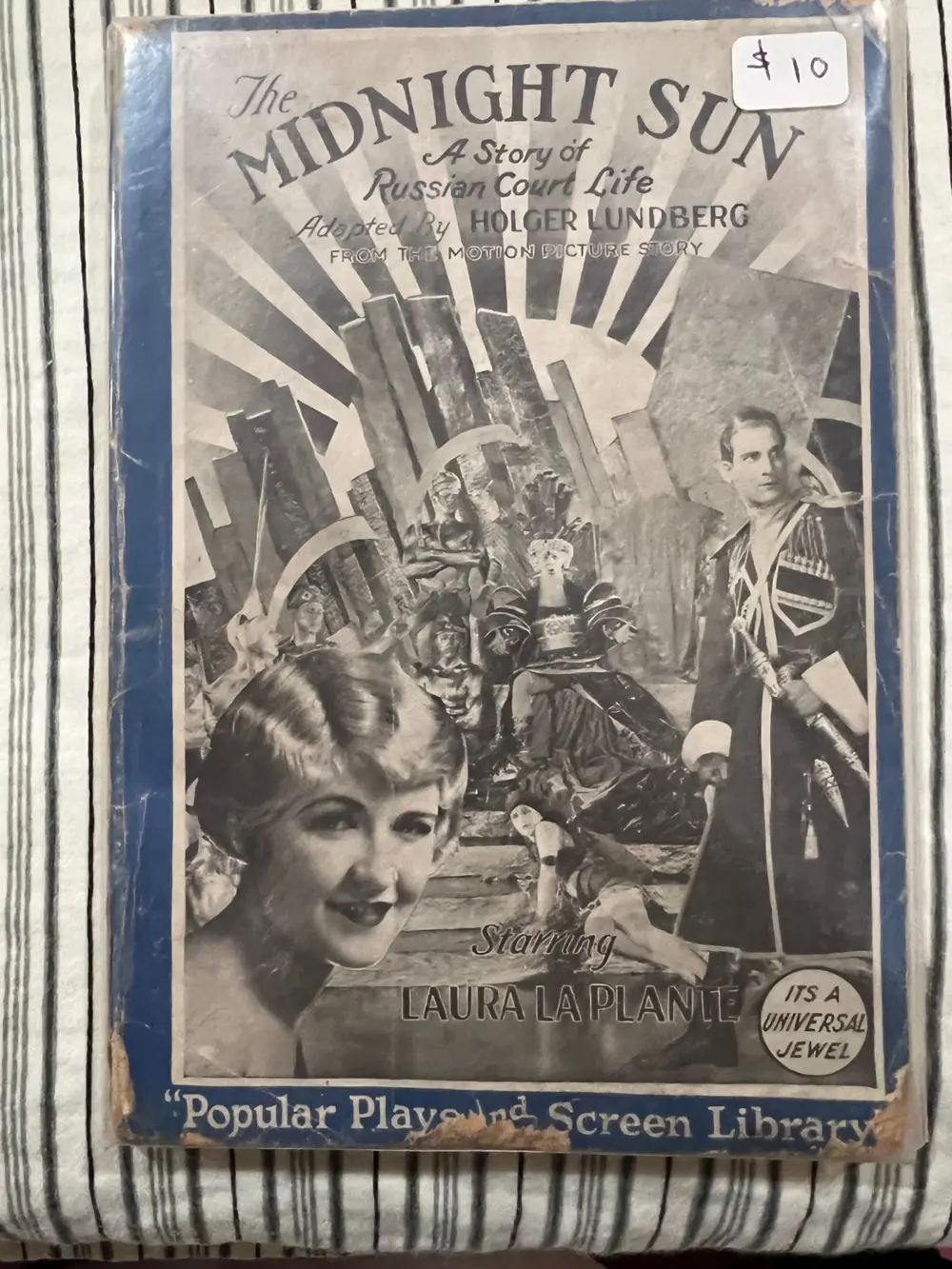
Here’s a quick breakdown of The Midnight Sun's core strengths and weaknesses:
The Midnight Sun, despite its relative obscurity, presents a surprisingly potent narrative, one that peels back the glittering facade of the Imperial Russian Ballet to reveal the darker machinations beneath. At its core is the story of an American girl, known as Olga Balashova, whose ascent to prima ballerina is less a tale of pure talent and more a testament to the strategic leverage of Ivan Kusmin, a powerful Russian banker. This isn't a simple rags-to-riches story; it's a nuanced, if somewhat theatrical, exploration of what it means to owe your success to someone else's will.
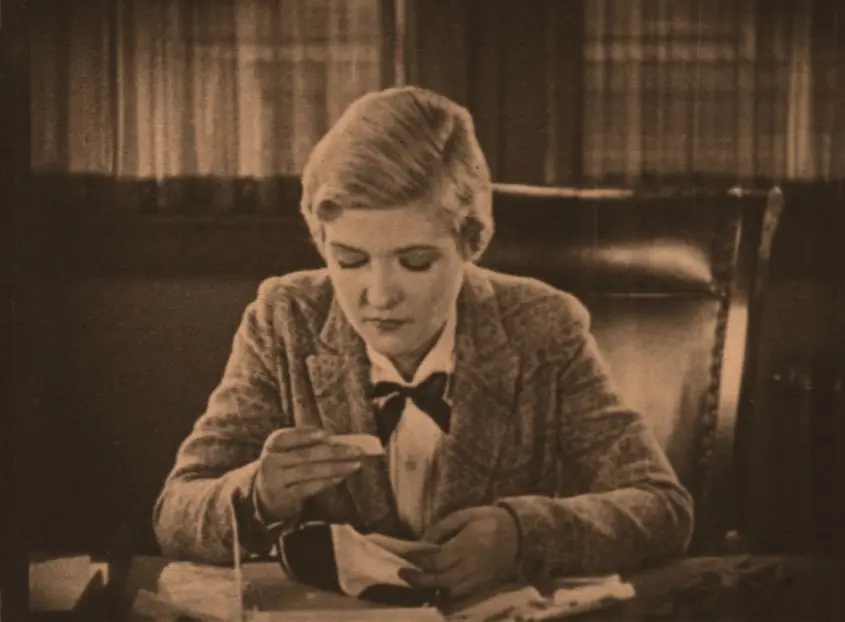
The film, a silent picture from an era rich with dramatic flair, forces its audience to engage with its themes through visual cues, expressive acting, and the carefully crafted intertitles. It’s a challenge, yes, but a rewarding one for those willing to lean into its unique language. The influence of Kusmin isn't just a plot device; it's a character in itself, a silent, pervasive force that dictates Olga's every step, both on and off the stage.
In silent cinema, acting is a delicate art, relying heavily on exaggerated expressions, precise body language, and the ability to convey complex emotions without uttering a single word. Sayre Dearing, as the American girl transformed into Olga Balashova, delivers a performance that, while occasionally broad by modern standards, effectively communicates her character's ambition, vulnerability, and eventual disillusionment. Her early scenes, where she grapples with the demands of the ballet and the subtle pressures from Kusmin, are particularly compelling. One memorable (and inferred) moment sees her eyes darting between Kusmin in the private box and the demanding ballet master, a silent battle playing out across her face, a clear example of the internal conflict she experiences. It’s a far cry from the nuanced, internal performances we expect today, but within its context, it resonates.
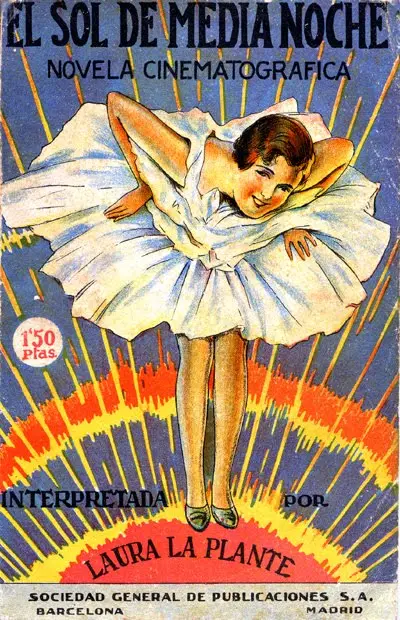
Raymond Keane, as Ivan Kusmin, embodies the calculating benefactor with a chilling restraint. His power isn't in bombastic displays but in his stillness, his piercing gaze, and the almost imperceptible smirk that plays on his lips. He's a puppet master, and Keane's performance ensures that even in silence, his control feels absolute. His interactions with Olga are less about dialogue and more about the palpable tension in their shared frames, a dynamic that might remind one of the subtle power plays in The Woman in His House, though perhaps with a more sinister edge. The supporting cast, including Pat O'Malley and Laura La Plante, contribute to the tapestry of the ballet world, each adding their own distinct flavor to the ensemble, from the jealous rivals to the stern instructors.
“The expressive power of silent film acting, often maligned as overly dramatic, here becomes a conduit for raw, unfiltered emotion, compelling the audience to actively interpret every gesture.”
The direction in The Midnight Sun, attributed to its era's conventions, makes excellent use of visual storytelling to convey the grandeur and confinement of Olga's world. The camera frequently frames Olga within the ornate, yet restrictive, settings of the Imperial Ballet—sweeping shots of the stage contrasting with claustrophobic backstage corridors. This visual dichotomy effectively mirrors her internal struggle between the freedom of artistic expression and the invisible chains of Kusmin's influence. There's a particular (inferred) shot where Olga is framed against a looming shadow of Kusmin, cast by a strategically placed light, a brilliant visual metaphor for his omnipresent control. This kind of symbolic cinematography was a hallmark of the period, often seen in films like The Isle of Lost Ships, which used its setting to enhance dramatic tension.
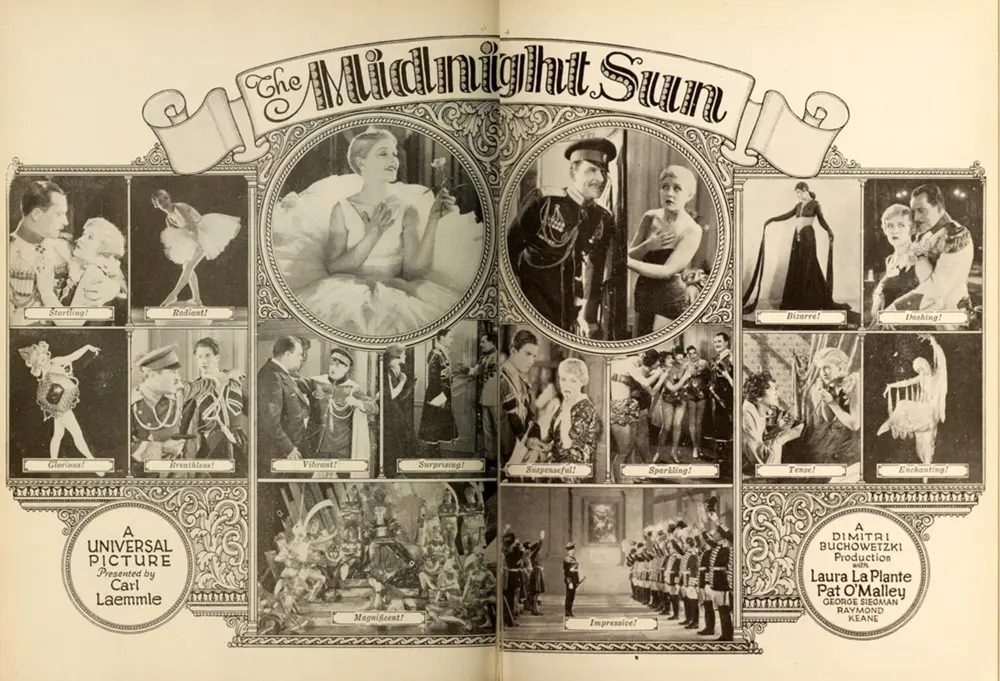
Cinematography, while limited by the technology of the time, demonstrates a keen eye for composition and mood. The use of lighting is particularly effective, transitioning from the bright, almost ethereal glow of the stage to the darker, more intimate shadows of private meetings. This creates a palpable sense of foreboding and intimacy where necessary. The ballet sequences, while not always showcasing the most intricate choreography (a common challenge for silent films trying to capture dance), are filmed with an energy that conveys the excitement and passion of the performances. The editing, too, plays a crucial role, using quick cuts during intense dramatic moments and slower, more lingering shots to emphasize emotional weight or the luxurious settings, a rhythmic approach to storytelling that feels surprisingly modern in its intent.
The pacing of The Midnight Sun is unmistakably that of a silent film, meaning it's often more deliberate than contemporary audiences might prefer. The narrative unfolds with a measured cadence, allowing scenes to breathe and emotions to register through prolonged gazes and sustained reactions. Intertitles, while necessary, occasionally interrupt the flow, yet they are crafted with a poetic sensibility that adds to the film's dramatic tone. This isn't a flaw, but rather a characteristic of the medium, one that demands patience and an active engagement from the viewer. Think of it less as a sprint and more as a slow, elegant waltz, building momentum with each turn.
The tone is overtly melodramatic, a staple of the era. Emotions are writ large, conflicts are stark, and moral ambiguities are often presented in clear, if theatrical, terms. However, within this melodramatic framework, the film manages to inject moments of genuine pathos and psychological intrigue. The tension between Olga's artistic integrity and her compromised position is handled with a surprising degree of nuance for a film of its time. It manages to avoid becoming a simplistic morality play by hinting at the complex motivations of all its characters, even Kusmin, whose actions, while self-serving, are never entirely one-dimensional. This thematic richness elevates it above many of its contemporaries, offering more than just surface-level spectacle, much like the thematic ambition found in The Beckoning Trail.
Absolutely, for the right audience. The Midnight Sun offers a valuable historical artifact, providing insight into the storytelling conventions and thematic concerns of early 20th-century cinema. It's a testament to the power of visual narrative, even without spoken dialogue. For film students, historians, or anyone with a deep appreciation for the silent era, it is a rewarding experience. It works. But it’s flawed. Its melodrama, while engaging, can feel dated at times, and its pacing requires a shift in expectation from the viewer. However, the core exploration of power, ambition, and the sacrifice of artistic integrity for worldly success remains potent and thought-provoking. It’s a film that asks us to consider the price of fame and influence, a question that echoes through every generation.
One surprising aspect of The Midnight Sun is how prescient it feels in its depiction of power dynamics. Ivan Kusmin's quiet, almost insidious influence over Olga's career can be viewed as an early cinematic exploration of themes that resonate strongly in today's discussions around #MeToo and the abuse of power in creative industries. While the film doesn't explicitly frame it in such terms, the underlying dynamic of a young, ambitious woman beholden to a powerful, older male figure for her professional advancement is eerily familiar. It’s not just a romance or a drama; it's a commentary on systemic influence, perhaps unintentionally so. This makes it more than just a historical curiosity; it’s a foundational text for understanding how these narratives have evolved, much like how Eastward Ho! might be seen as an early commentary on social mobility.
Lack of Dialogue: While inherent to the medium, the absence of spoken words may be a barrier for some viewers who prefer verbal exposition.
The Midnight Sun is far from a perfect film, but its imperfections are largely products of its time rather than fundamental flaws in its ambition. It’s a fascinating, if somewhat dusty, relic that still holds a mirror up to enduring human struggles. While it won't appeal to everyone, those who venture into its silent, dramatic world will find a rich tapestry of power, ambition, and the complex dance between talent and influence. It’s a film that demands empathy for its historical context and rewards it with a story that, despite its age, continues to resonate. It's a strong recommendation for the adventurous cinephile, offering a unique blend of historical insight and timeless drama that makes it a worthwhile, if challenging, watch.
IMDb 7
1930
Community
Log in to comment.