DbcultAccessing Vault...
Cult Review
Senior Film Conservator
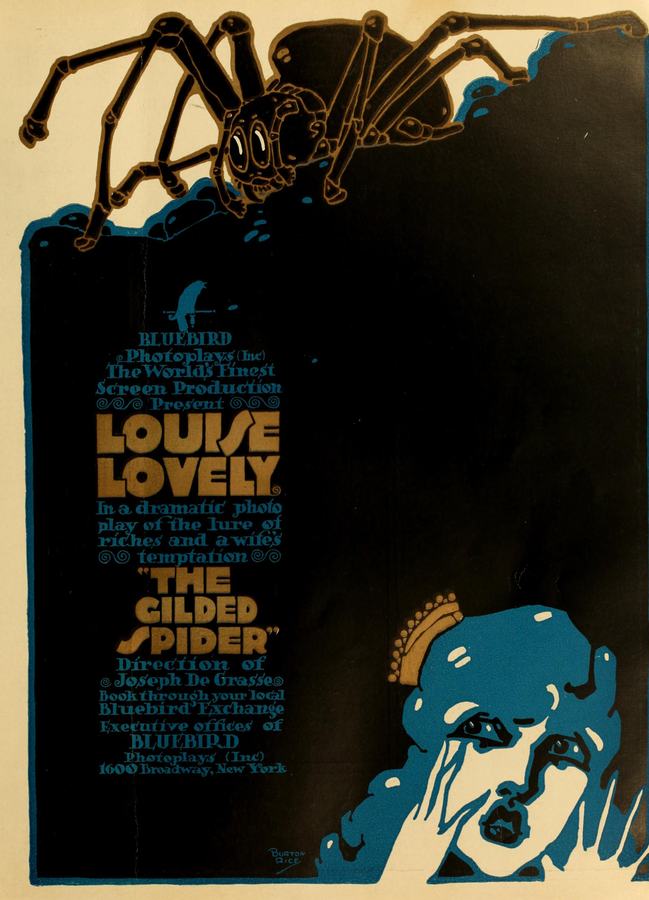
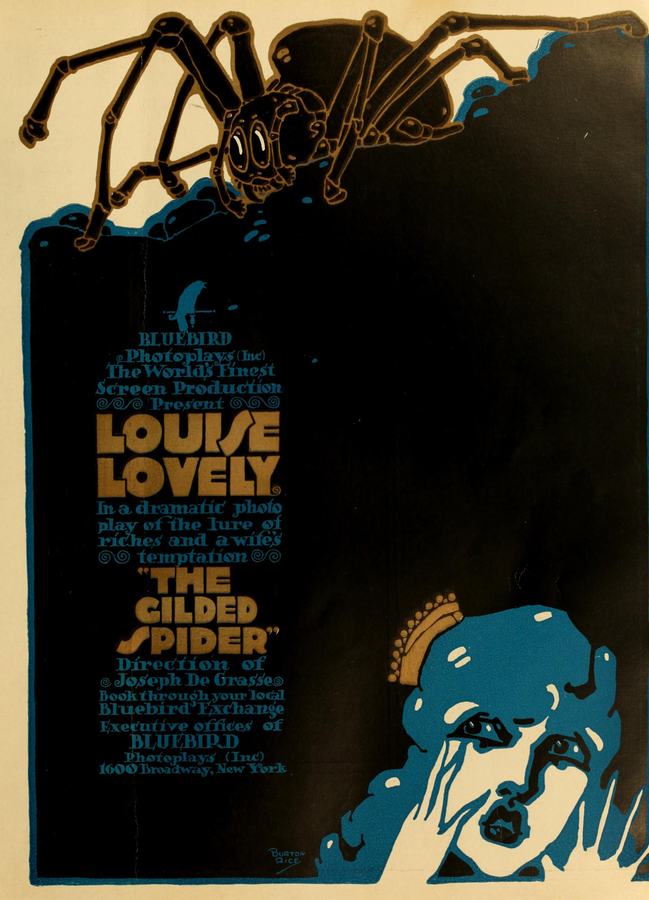
Stepping into the shadowy, emotionally charged world of The Gilded Spider (1916) feels less like watching a film and more like unearthing a forgotten, exquisitely crafted artifact from cinema’s nascent years. This isn't merely a silent picture; it's a testament to the raw power of visual storytelling, a complex tapestry woven from threads of class disparity, tragic obsession, and the devastating consequences of unchecked desire. Ida May Park, a formidable talent often overshadowed in film history, directs with an assured hand, guiding us through a narrative that, while rooted in the melodramatic conventions of its era, transcends them through sheer emotional intensity and a cast that delivers performances of staggering depth.
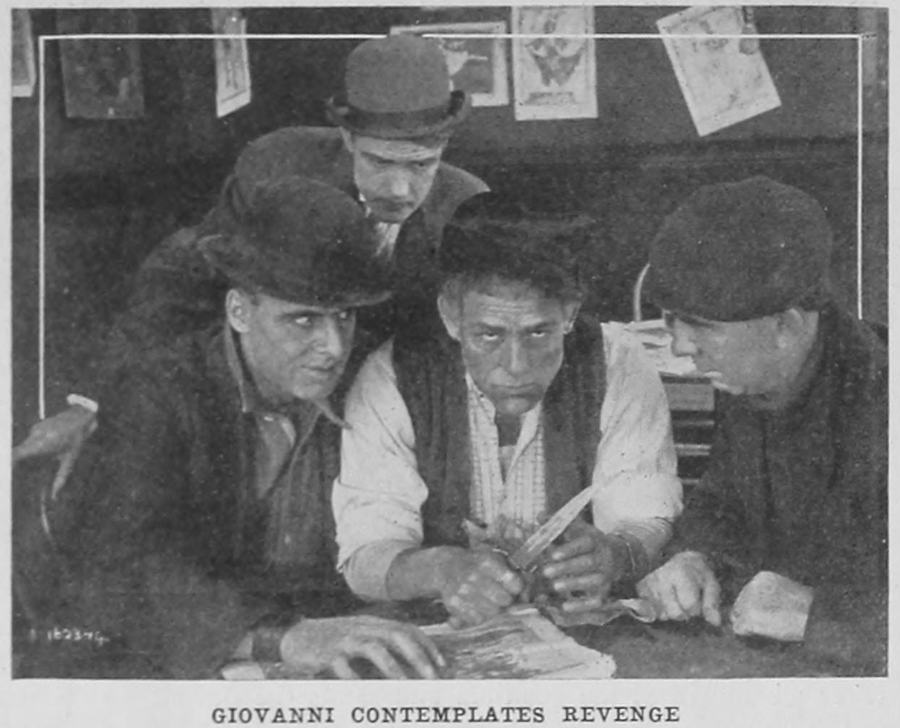
At its core, the film presents a stark dichotomy: the humble, artistic integrity of Giovanni, an Italian sculptor portrayed with heartbreaking vulnerability by the incomparable Lon Chaney, pitted against the predatory opulence of Cyrus Kirkham, an American millionaire embodied with chilling conviction by Gilmore Hammond. Chaney, even in these early stages of his legendary career, demonstrates an uncanny ability to convey profound inner turmoil without uttering a single word. His Giovanni is a man whose hands, accustomed to shaping beauty from inert clay, are tragically ill-equipped to shield his family from the insidious machinations of wealth and power. The initial scenes establish a domestic idyll, fragile and precious, built on love and artistic endeavor, a stark contrast to the sterile grandeur that Kirkham inhabits.
The catalyst for this unfolding tragedy is Leonita, Giovanni's wife, brought to life with ethereal grace by Louise Lovely. Her beauty, a beacon of purity in their modest world, becomes a fatal magnet for Kirkham. His obsession is not born of genuine affection but a possessive urge, a desire to acquire what he cannot create. This destructive impulse is a recurring motif in silent cinema, echoing the societal anxieties of the early 20th century regarding industrial magnates and their seemingly limitless power. The film masterfully portrays how Kirkham's pursuit, initially subtle, gradually escalates into a relentless siege, chipping away at Leonita's peace and Giovanni's dignity. The emotional toll on Leonita is palpable; her initial resistance gives way to a profound despair, a silent scream against a fate she cannot escape.
One cannot discuss The Gilded Spider without dwelling on the remarkable performance of Lon Chaney. Known later as "The Man of a Thousand Faces," here he is simply Giovanni, yet his transformation is no less profound. Through subtle shifts in posture, the anguish etched onto his face, and the desperate eloquence of his gestures, Chaney communicates a universe of suffering. We witness his artistic spirit slowly crushed under the weight of his wife's unwitting entanglement, his once vibrant eyes dimming with sorrow and a simmering, impotent rage. It’s a performance that resonates with the raw, visceral power seen in his later, more celebrated roles, showcasing his early mastery of character. The quiet dignity with which Giovanni endures his plight, even as his world crumbles, is deeply affecting.
The film’s exploration of class distinction is particularly incisive. Kirkham represents the burgeoning American industrialist class, wealthy beyond measure, accustomed to taking what they desire. Giovanni, conversely, embodies the Old World's artistic integrity and humble values, values that are utterly defenseless against the brute force of Kirkham's capital. This thematic tension is not merely a backdrop but the very engine of the narrative. It’s a compelling parallel to other films of the era that grappled with similar societal fissures, such as The Lion and the Mouse, which also explored the moral implications of immense corporate power clashing with individual virtue. Here, however, the stakes feel even more personal, more devastatingly intimate.
Years pass, and the narrative takes a chilling turn with the introduction of Elisa, Giovanni and Leonita’s daughter, also portrayed by Louise Lovely. This dual role is a stroke of genius, both narratively and thematically. Elisa’s striking resemblance to her ill-fated mother is not merely a plot device; it’s a living echo of past trauma, a visual representation of how history, unaddressed, tends to repeat itself. Lovely navigates the two characters with distinct nuances, portraying Leonita’s gentle vulnerability and Elisa’s youthful spirit, which, tragically, also carries the burden of her mother's beauty. The return of Kirkham, still haunted by his past obsession, sets the stage for a horrifying resolution, a dramatic crescendo where the sins of the father – or rather, the sins committed against the mother – are visited upon the daughter.
Ida May Park’s direction is marked by a sophisticated understanding of visual storytelling. The mise-en-scène is meticulously crafted, using light and shadow to great effect, particularly in conveying the psychological states of the characters. The contrast between Giovanni’s dimly lit, humble studio and Kirkham’s lavish, often coldly lit mansion speaks volumes about their respective worlds. There’s a deliberate pacing that allows the emotional beats to land with maximum impact, building tension slowly but inexorably. Park doesn't shy away from the darker aspects of human nature, presenting a world where morality is often subservient to power and desire. The film’s melodrama is earned, never gratuitous, rooted in believable character motivations and the crushing weight of societal pressures.
The film’s title, The Gilded Spider, is a poignant metaphor. The "gilded" refers to the deceptive allure of wealth and status that Kirkham embodies, a glittering facade that conceals a predatory nature. The "spider" represents the insidious web he weaves, trapping innocent lives in its sticky threads. It’s a title that perfectly encapsulates the film’s central conflict and its tragic outcome. This symbolic depth elevates the film beyond a simple melodrama, imbuing it with a timeless resonance about the corrupting influence of power and the enduring human cost of obsession.
The supporting cast, though perhaps overshadowed by Chaney’s formidable presence, provides solid grounding for the narrative. Gilmore Hammond's portrayal of Kirkham is suitably chilling, a man whose charm is merely a veneer for his ruthless self-interest. His lack of overt villainy makes him all the more unsettling; he is simply a man who believes he is entitled to whatever he desires, a reflection of a certain type of privilege that remains disturbingly relevant. Lule Warrenton, as a character who witnesses the unfolding drama, adds another layer of human observation, her reactions often mirroring the audience's growing apprehension.
The climax of The Gilded Spider is a masterclass in silent film dramatics. The tension, meticulously built throughout the film, erupts in a devastating confrontation that leaves an indelible mark. It's a resolution that is both horrific and, in a strange way, cathartic, bringing a brutal justice to the long-simmering resentments and unaddressed injustices. The film doesn't offer easy answers or neat conclusions; instead, it plunges into the depths of human tragedy, leaving the viewer to ponder the enduring cycles of vengeance and the destructive power of a single, fateful decision. This unsparing approach to storytelling is what distinguishes it from many of its contemporaries.
Comparing it to other melodramas of the era, one might draw parallels with Lady Audley's Secret, another tale steeped in dark secrets and the devastating impact of hidden pasts on present lives. Both films excel at building suspense through psychological tension rather than overt action, exploring the inner turmoil of their characters with profound empathy. However, The Gilded Spider feels particularly pointed in its social critique, directly contrasting the lives of the working class and the affluent, making its tragedy a direct consequence of this societal imbalance. The way fate seems to conspire against the virtuous, yet ultimately delivers a twisted form of justice, also brings to mind the dramatic arcs of films like Through Fire to Fortune, where characters are often at the mercy of overwhelming external forces.
The film’s aesthetic qualities are also worth noting. The sets, though perhaps not as lavish as some epic productions, are rich in detail and contribute significantly to the atmosphere. Giovanni’s studio, with its tools and half-finished sculptures, feels lived-in, a sanctuary of creativity. Kirkham’s estate, conversely, is grand yet cold, a monument to acquisition rather than warmth. Costumes, too, play a crucial role, subtly delineating character and social standing. Leonita's simple, elegant dresses speak of her purity, while Kirkham's impeccably tailored suits underscore his power and detachment.
For modern audiences accustomed to rapid-fire editing and constant dialogue, The Gilded Spider demands a different kind of engagement. It requires patience, an openness to its unique rhythm, and an appreciation for the nuanced artistry of silent acting. Yet, for those willing to immerse themselves, the rewards are immense. The film’s emotional depth and the power of its performances transcend the passage of time, offering insights into human nature that remain startlingly relevant. The themes of social injustice, the corrupting influence of power, and the enduring human struggle against forces beyond individual control are universal.
Ida May Park's contribution to cinema, particularly her ability to craft such a compelling and emotionally resonant narrative, deserves greater recognition. Her work on The Gilded Spider showcases a directorial vision that is both sensitive and unflinching, capable of extracting profound performances from her cast and weaving a story that lingers long after the final frame. The film serves as a powerful reminder that the foundations of cinematic artistry were laid by ingenious storytellers who understood the profound impact of visual narrative, even without the aid of spoken words.
In conclusion, The Gilded Spider is more than just a historical curiosity; it is a vital piece of silent film heritage. It is a stark, beautiful, and ultimately tragic exploration of human folly and resilience. Lon Chaney’s performance alone makes it essential viewing for any serious cinephile, but the collective artistry of the entire production, from Park’s direction to Lovely’s dual portrayal, elevates it to a truly memorable experience. It’s a film that spins a web of intrigue and sorrow, catching the viewer in its intricate design, leaving them to ponder the delicate balance between fate and free will, and the enduring cost of desire. The vibrant hues of human emotion, from the darkest despair to the flickering hope for justice, are painted across its silent canvas, making it a profound and unforgettable cinematic journey. The subtle interplay of light and shadow, the expressive gestures, and the powerful narrative combine to create a deeply affecting experience, a truly mesmerizing glimpse into a bygone era of filmmaking that still resonates with contemporary relevance.
IMDb 6.2
1931
Community
Log in to comment.