DbcultAccessing Vault...
Cult Review
Senior Film Conservator
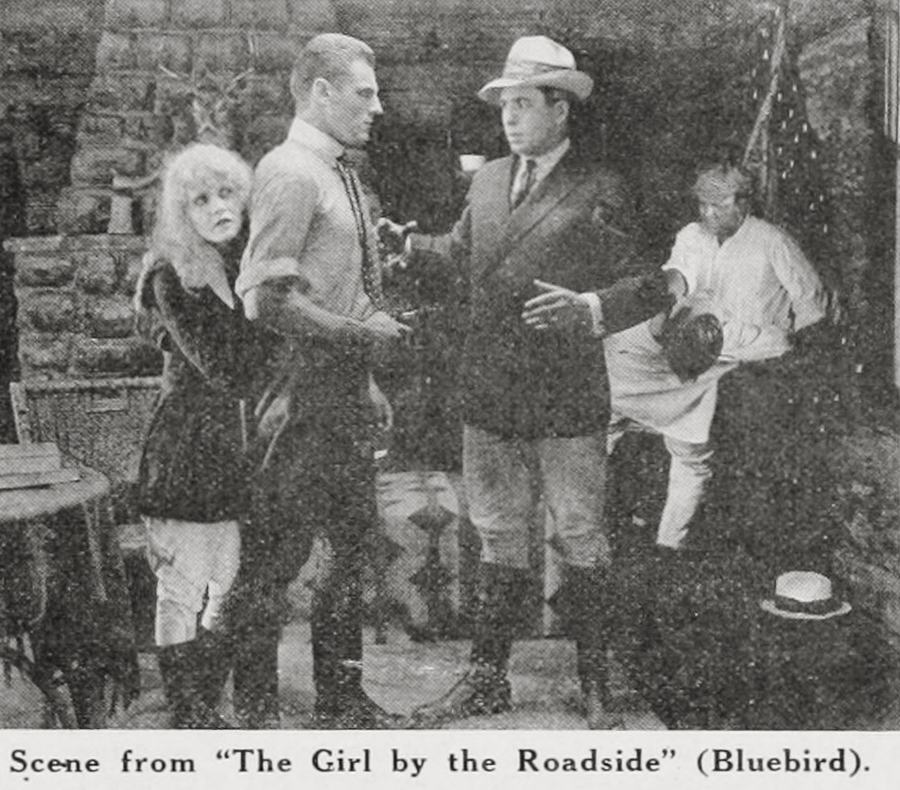
Step into the ethereal glow of early cinema, where narratives unfolded with a silent eloquence that demanded rapt attention, and emotions were painted with broad, expressive strokes. Among the myriad cinematic offerings of its time, The Girl by the Roadside emerges not merely as a relic, but as a vibrant testament to the enduring power of storytelling. This particular motion picture, born from the creative synergy of writers John C. Brownell and Frederic Van Rensselaer Dey, delivers a compelling exploration of innocence, duplicity, and the unpredictable currents of human connection. It's a film that, despite its vintage, resonates with a surprising contemporary relevance, delving into themes of familial betrayal and personal awakening with a delicate yet potent touch.
At its core, the film introduces us to Judith Ralston, portrayed with a captivating blend of vulnerability and nascent strength by Violet Mersereau. Mersereau, a prominent figure of the era, imbues Judith with an almost luminous purity, making her subsequent journey through disillusionment all the more poignant. Judith exists in a state of blissful ignorance, a stark contrast to the shadowy dealings of her brother, Budd (Kenneth Hall), and his conniving wife, Vera (Ann Andrews). Their lives are a tapestry woven with the threads of illicit gains, specifically the dangerous craft of counterfeiting. The film doesn't shy away from depicting the moral squalor of their enterprise, establishing a clear ethical divide that will inevitably clash with Judith's inherent goodness. Hall, as Budd, masterfully conveys a conflicted soul, caught between the allure of easy money and the lingering vestiges of family affection, while Andrews’ Vera embodies the colder, more calculating aspect of their criminal partnership.
The initial catalyst for Judith's unwitting entanglement is a desperate flight. As the net tightens around Budd and Vera, courtesy of the relentless Secret Service agent Rayban (Cecil Owen), they execute a calculated, morally reprehensible act: abandoning Judith in a quaint Virginian town. This act of familial betrayal serves as a profound narrative turning point, thrusting Judith from her sheltered existence into an unfamiliar world. It’s a moment that could easily be melodramatic, yet the film handles it with a restraint that amplifies the emotional impact. The ensuing solitude and uncertainty force Judith into a crucible of self-reliance, subtly preparing her for the revelations to come. This thematic arc of a character being cast adrift and finding their footing is a recurring motif in cinema, echoing the journey of protagonists in films like The Awakening of Ruth, where a character's true strength is forged through adversity and unexpected encounters.
It is amidst this newfound independence that fate, in its often-circuitous manner, intervenes. While out horseback riding, Judith suffers an injury, a moment of physical vulnerability that paradoxically leads to her emotional salvation. Her rescuer is Boone Pendleton, a character brought to life by Royal Byron. Byron’s portrayal of Boone is one of quiet strength and unwavering integrity, a beacon of solace in Judith’s increasingly complex world. Boone takes her to his secluded cabin, providing not just physical aid but also a sanctuary from the anxieties that have begun to cloud her perception. Their interactions are imbued with a nascent romantic tension, a slow burn of mutual respect and attraction that feels earned rather than forced. This burgeoning relationship serves as a stark contrast to the deceitful bonds Judith has unknowingly been part of, offering a glimpse of genuine connection and trust.
The narrative propulsion intensifies when Judith receives a cryptic message from her brother, instructing her to return to the Ralston house and destroy anything incriminating she might find. This directive is the first tangible link Judith has to the undercurrent of illegality swirling around her family, though she remains largely oblivious to its true nature. Rayban, the ever-vigilant agent, portrayed with an air of persistent suspicion by Cecil Owen, observes Judith's movements. His instincts, honed by years of chasing shadows, lead him to wire Washington, requesting that she be shadowed. Owen’s performance is a masterclass in silent film subtlety, conveying determination and an almost prescient understanding of the criminal mind without uttering a single word. His presence serves as a constant, underlying tension, a reminder that the world of justice, however slow, is always in pursuit.
The plot then thickens with Budd's capture by Rayban, a fleeting victory for justice. However, Budd, resourceful and desperate, manages to escape, his path leading him back to the very house Judith is diligently purging of his past. Their reunion is the film's dramatic zenith. The moment Judith confronts her brother, the truth of his nefarious occupation crashing down upon her, is rendered with profound emotional weight. Violet Mersereau’s expressive face conveys a maelstrom of shock, betrayal, and sorrow, a powerful performance that transcends the lack of spoken dialogue. This shattering epiphany forces Judith to reconcile the brother she knew with the criminal he has become. It’s a powerful exploration of moral awakening, similar in its thematic weight to films like The Great Problem, where characters grapple with profound ethical dilemmas that redefine their understanding of family and loyalty. In this pivotal scene, Judith doesn't just recoil; she rises to the occasion, extracting a solemn promise of reform from Budd. This act is not one of naive forgiveness, but of a sister’s desperate hope for redemption, a testament to the enduring, albeit strained, bond of family. Budd, ever the elusive figure, once again evades Rayban, disappearing into the shadows, leaving Judith to pick up the pieces of her shattered perception.
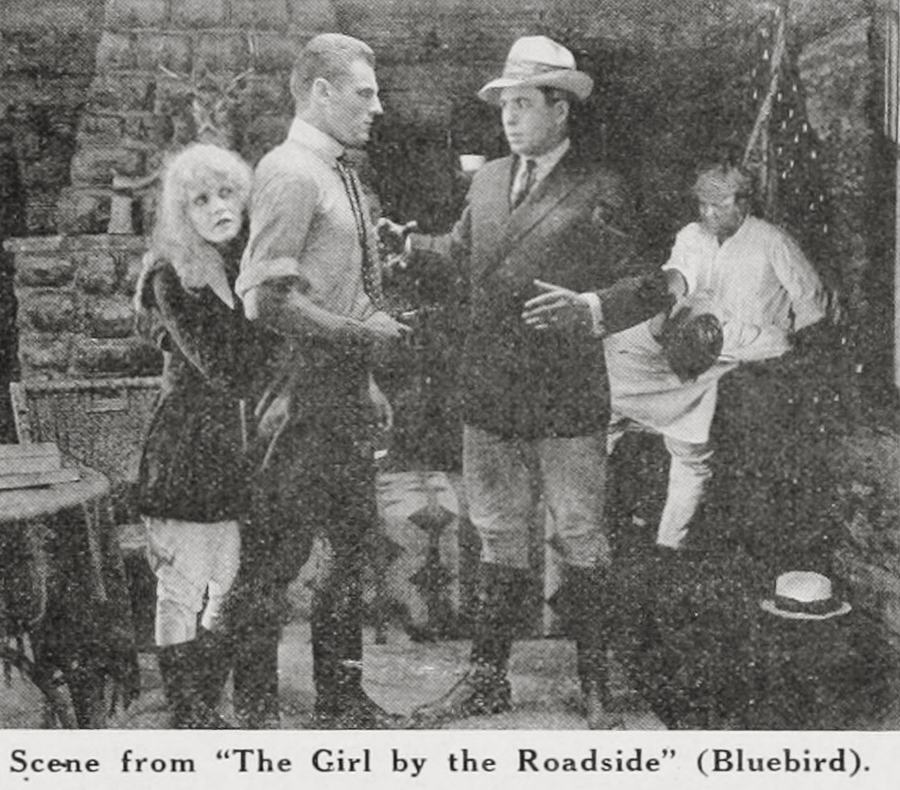
Following this tumultuous revelation, Judith seeks solace and understanding in Boone. She confides in him, explaining her unwitting involvement and her complete ignorance of her brother’s illicit activities. This moment of honest disclosure is crucial; it solidifies the trust between them, proving that their bond is built on transparency and mutual respect, a stark contrast to the secrecy that previously defined her life. Royal Byron, as Boone, receives this confession with a quiet strength, his understanding gaze reassuring Judith of his unwavering support. It is a beautifully understated scene, showcasing the power of non-verbal communication in silent cinema. The film culminates in their marriage, a resolution that feels not merely like a happy ending, but a hard-earned peace after a storm of deception and moral reckoning. Their union symbolizes a new beginning for Judith, a life built on truth and genuine affection, far removed from the shadows of counterfeiting and familial betrayal. The journey from abandoned innocence to knowing commitment forms the emotional backbone of this narrative, demonstrating a profound character arc for Judith.
The directorial choices throughout The Girl by the Roadside are particularly noteworthy for their ability to convey complex emotions and intricate plot points without the benefit of dialogue. The use of close-ups on the actors’ faces, especially Violet Mersereau’s, allows the audience to intimately connect with Judith’s internal struggles. The visual storytelling relies heavily on expressive gestures, meticulously crafted mise-en-scène, and the dramatic interplay of light and shadow to create atmosphere and tension. One can observe the careful framing of scenes, often contrasting Judith’s serene presence with the more agitated movements of Budd and Vera, visually reinforcing their moral divergence. The pacing, while deliberate, never drags, maintaining a steady build-up of suspense that keeps the viewer invested in Judith's fate.
The performances, as is often the case with silent films, are a masterclass in physical acting. Violet Mersereau, in particular, carries the emotional weight of the film with remarkable grace. Her transition from a bright-eyed, unsuspecting young woman to one who has faced harsh truths and emerged stronger is utterly convincing. Kenneth Hall's portrayal of Budd is nuanced, suggesting a man torn between his criminal inclinations and a residual affection for his sister. His moments of desperation and fleeting tenderness are equally compelling. Cecil Owen, as the stoic Rayban, embodies the relentless force of justice, his unwavering gaze a constant reminder of the consequences of illicit actions. The supporting cast, including Robert F. Hill, Alan Edwards, and Sam B. Minter, contribute to the rich tapestry of this cinematic world, each playing their part in advancing the intricate plot.
From a thematic standpoint, the film delves deep into the nature of trust and betrayal within familial bonds. It poses questions about the extent of one's responsibility for the actions of their loved ones, especially when those actions are morally reprehensible. Judith’s journey is one of profound moral growth, as she is forced to confront uncomfortable truths and ultimately make her own choices, independent of her family’s past. This journey of self-discovery and the forging of one’s own moral path is a timeless narrative, resonating with stories across various mediums and eras. The film also subtly explores societal perceptions of crime and justice, with Rayban representing the unwavering arm of the law, a constant presence that looms over the illicit activities of Budd and Vera.
The narrative construction by John C. Brownell and Frederic Van Rensselaer Dey is commendably intricate for a silent film, weaving together threads of mystery, romance, and moral drama without relying on lengthy intertitles. The plot twists feel organic, each revelation building upon the last to create a cohesive and engaging story. The progression from Judith's blissful ignorance to her painful enlightenment is handled with care, ensuring that her transformation feels earned. The resolution, while providing a satisfying conclusion, doesn't gloss over the complexities of what has transpired, leaving a lingering sense of the profound impact of betrayal and the resilience of the human spirit.
In conclusion, The Girl by the Roadside stands as a captivating example of early 20th-century filmmaking, demonstrating how powerful narratives could be conveyed through visual artistry and expressive performances. It’s a film that transcends its silent origins, offering a rich tapestry of human experience – the pain of betrayal, the solace of unexpected love, and the arduous path to self-discovery. For cinephiles and casual viewers alike, it offers a window into a bygone era of storytelling, proving that a well-crafted plot, compelling characters, and resonant themes are truly timeless. Its legacy lies not just in its historical significance, but in its ability to still provoke thought and stir emotions, long after the projector lamps have cooled and the last intertitle has faded.
IMDb 6.2
1916
Community
Log in to comment.