DbcultAccessing Vault...
6.3/10
Senior Film Conservator
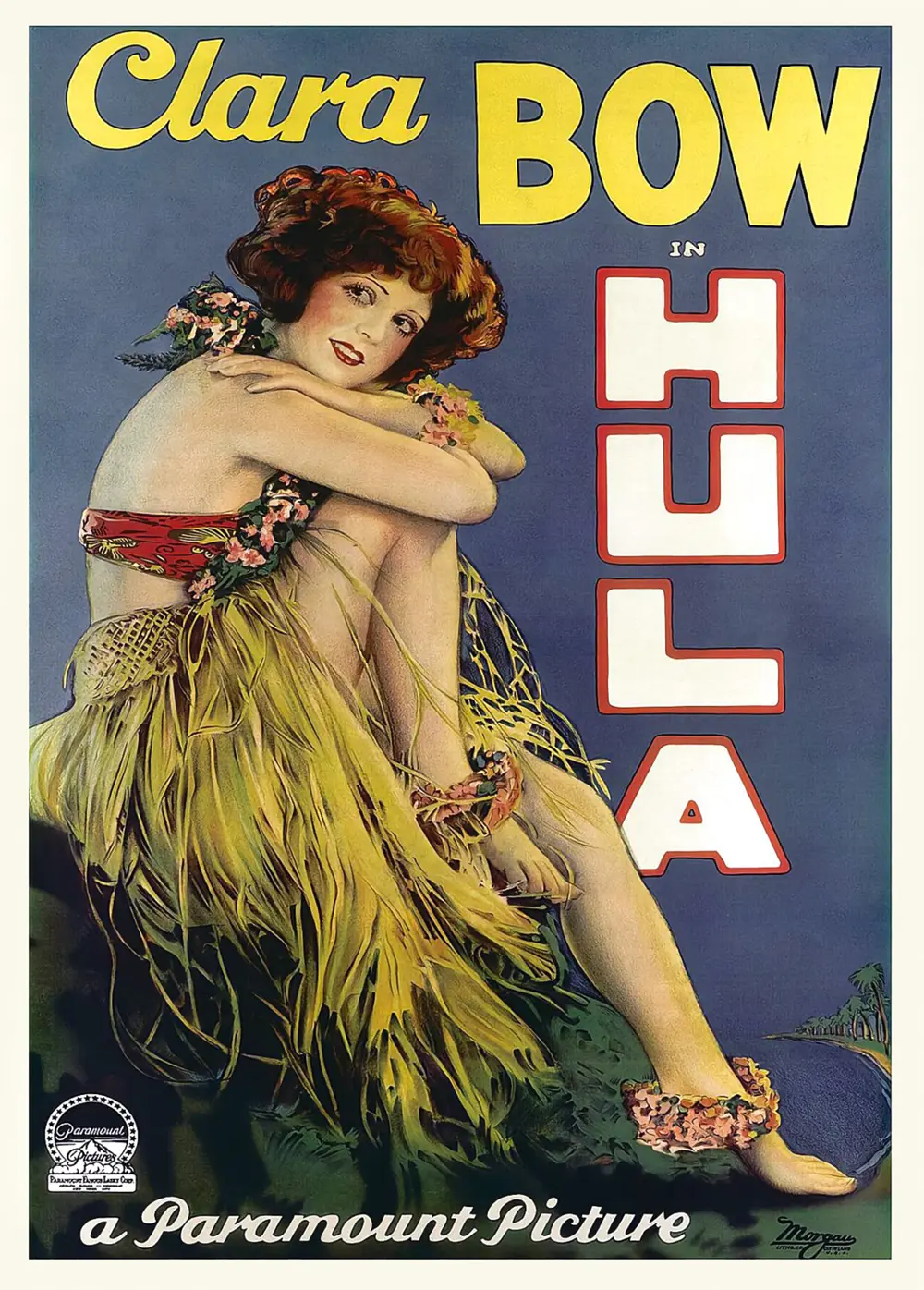
A definitive 6.3/10 rating for a film that redefined the boundaries of cult cinema. Hula remains a cornerstone of transgressive art.
Is Hula worth your time in the twenty-first century? Short answer: Yes, but only if you are watching it for the sheer, unadulterated magnetism of Clara Bow.
This film is essential viewing for those interested in the evolution of the female protagonist and the history of screen presence. It is definitely not for viewers who require modern pacing or those who are easily offended by the patronizing colonial attitudes prevalent in 1920s cinema.
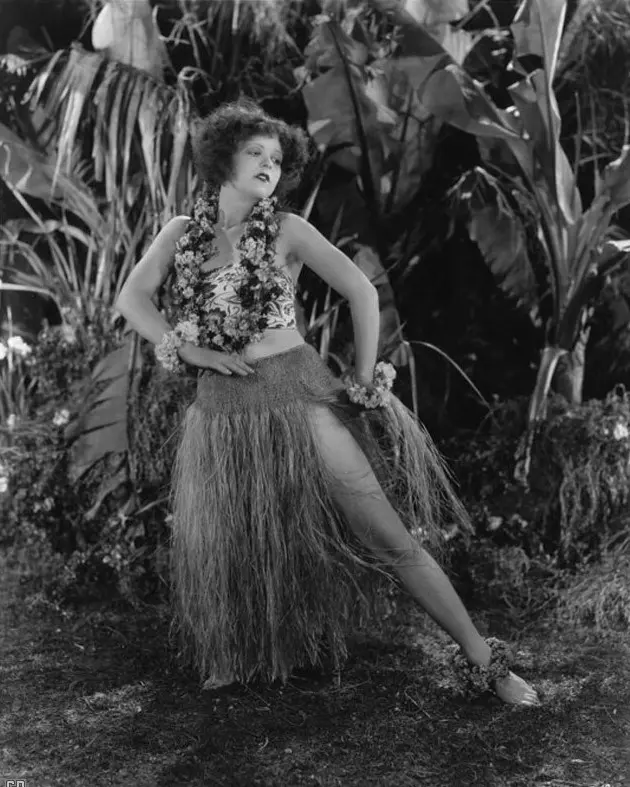
1) This film works because Clara Bow possesses a kinetic energy that transcends the limitations of silent film, making her character feel startlingly modern.
2) This film fails because the male lead, Clive Brook, is a charisma vacuum who provides zero believable reason for Hula’s obsession.
3) You should watch it if you want to see the exact moment the 'Manic Pixie Dream Girl' archetype was born, decades before the term existed.
In 1927, Clara Bow was the biggest star in the world for a reason. In Hula, she plays the title character with a reckless abandon that makes her costars look like they are made of cardboard. While many silent actresses relied on theatrical pantomime, Bow used her entire body to communicate intent. Watch the scene where she first encounters Anthony Haldane; she doesn't just look at him, she stalks him with her eyes. It is predatory, playful, and entirely devoid of the 'damsel' tropes of the era.
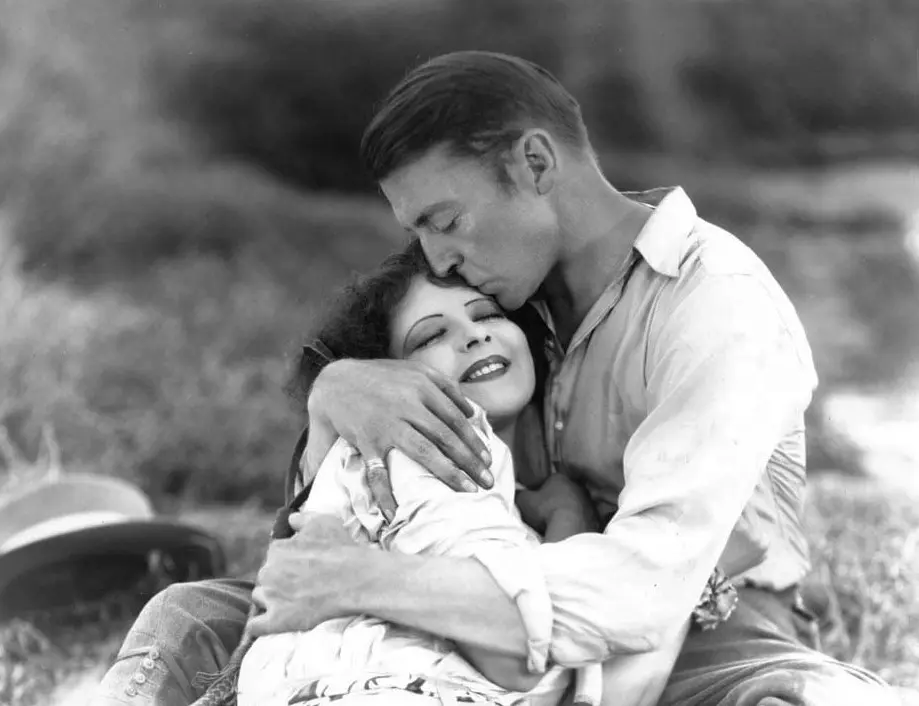
Her performance is a masterclass in screen presence. She moves with a jittery, nervous energy that feels like a live wire. In an era where women were often depicted as either virgins or vampires, Bow’s Hula is something else entirely: a person with agency. She wants what she wants, and she doesn't care if the man is married or if the socialites in Honolulu approve. It is messy. It is loud. It works.
The film relies heavily on Bow’s ability to carry the narrative. Without her, the plot would be a standard, somewhat tedious melodrama. But with her, every frame feels like it might explode. Even when she is just sitting still, she is the most interesting thing in the room. This is the 'It' factor in its purest form.
If Bow is the fire, Clive Brook is the wet blanket. As Anthony Haldane, Brook plays the 'stiff upper lip' Englishman to a fault. He is so repressed that he becomes nearly invisible. The chemistry between the two is non-existent, which creates a significant narrative hurdle. Why would this vibrant, wild creature go to such lengths for a man who looks like he’s perpetually smelling something slightly off-putting?
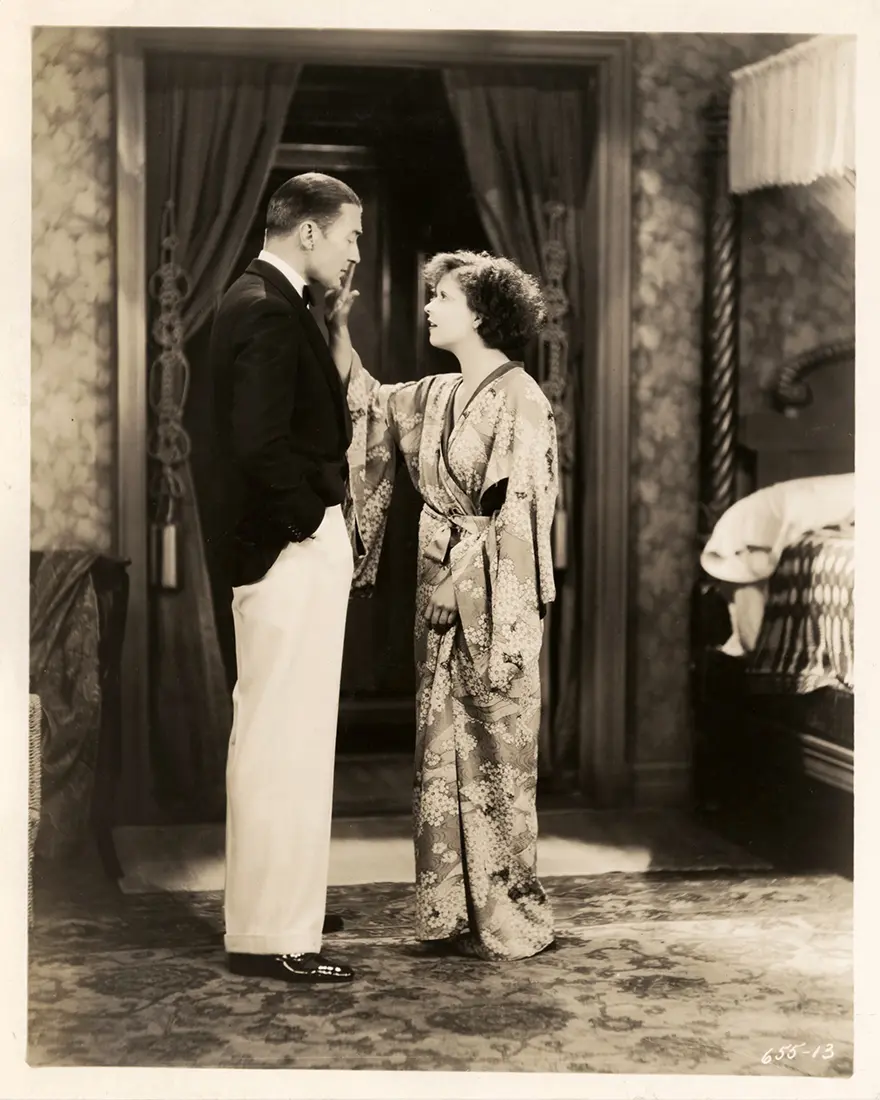
This lack of balance hurts the film's second act. We see Hula performing a provocative dance, a scene that was scandalous at the time, and Haldane reacts with the enthusiasm of a man checking his grocery list. It’s a recurring issue in Bow’s filmography—she is often paired with men who simply cannot keep up with her. In The Pace That Thrills, we see similar attempts at high-energy romance, but Hula takes it to a different level of lopsidedness.
However, one could argue this was intentional. Perhaps the writers—including the prolific Frederica Sagor Maas—wanted to highlight the absurdity of the 'civilized' man. Haldane represents the dam he is building: a structure designed to contain and control. Hula represents the river. The dam never stood a chance.
Victor Fleming, years before he would tackle Gone with the Wind, shows a keen eye for framing Bow. He understands that she is his greatest special effect. The cinematography by William Marshall captures the lushness of the Hawaiian setting, though most of it was likely shot on a Paramount backlot. There is a dreamlike quality to the plantation scenes that contrasts sharply with the rigid interiors of the colonial homes.
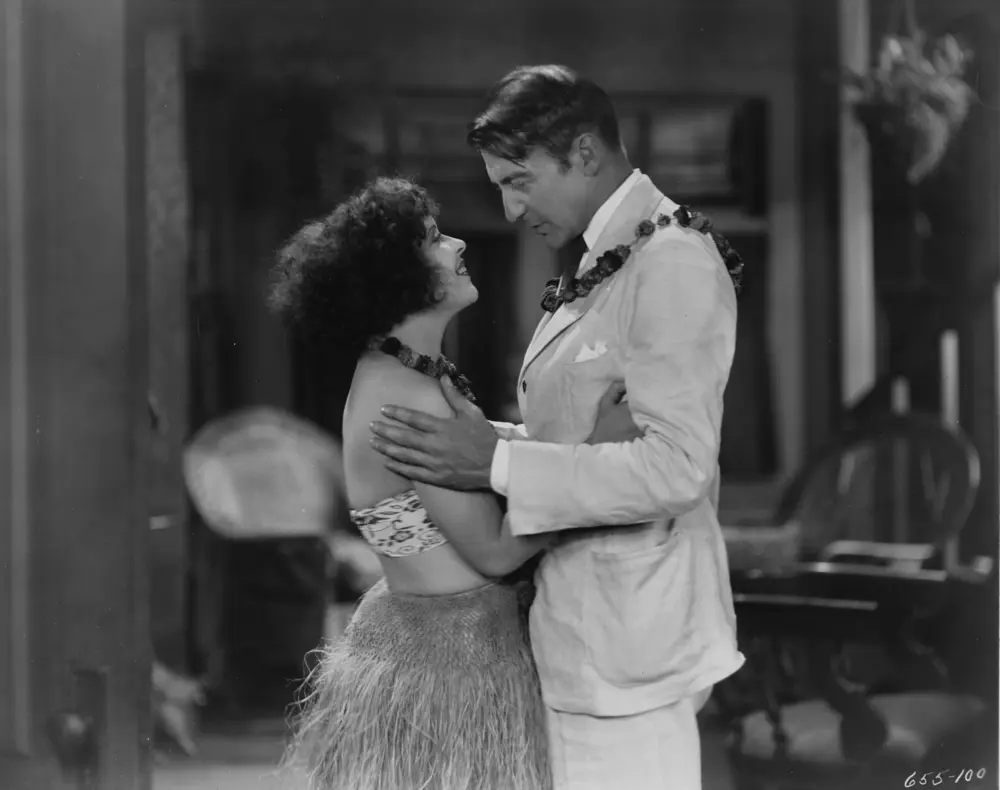
The film’s portrayal of Hawaii is, predictably, a fantasy. It uses the island as a playground for white liberation. Duke Kahanamoku, the legendary Hawaiian surfer and swimmer, appears in a supporting role, and while it is great to see him, the film largely ignores the actual culture of the islands in favor of a 'tropical' aesthetic. It’s a sanitized, postcard version of paradise that exists only to facilitate Hula's rebellion.
Despite this, the pacing is surprisingly tight. Unlike Lazybones, which takes a more leisurely, character-driven approach to its rural setting, Hula moves with the speed of a screwball comedy. The editing is sharp, particularly during the climax where Hula’s antics reach a fever pitch. Fleming knows when to linger on a close-up of Bow’s expressive face and when to cut to the wide shot to show her chaotic movement.
Yes, Hula is worth watching because it serves as the definitive showcase for Clara Bow’s unique screen persona. It captures the transition of 1920s cinema from stage-bound melodrama to a more kinetic, personality-driven medium. If you want to understand why the silent era ended with such a bang, this film provides the answer.
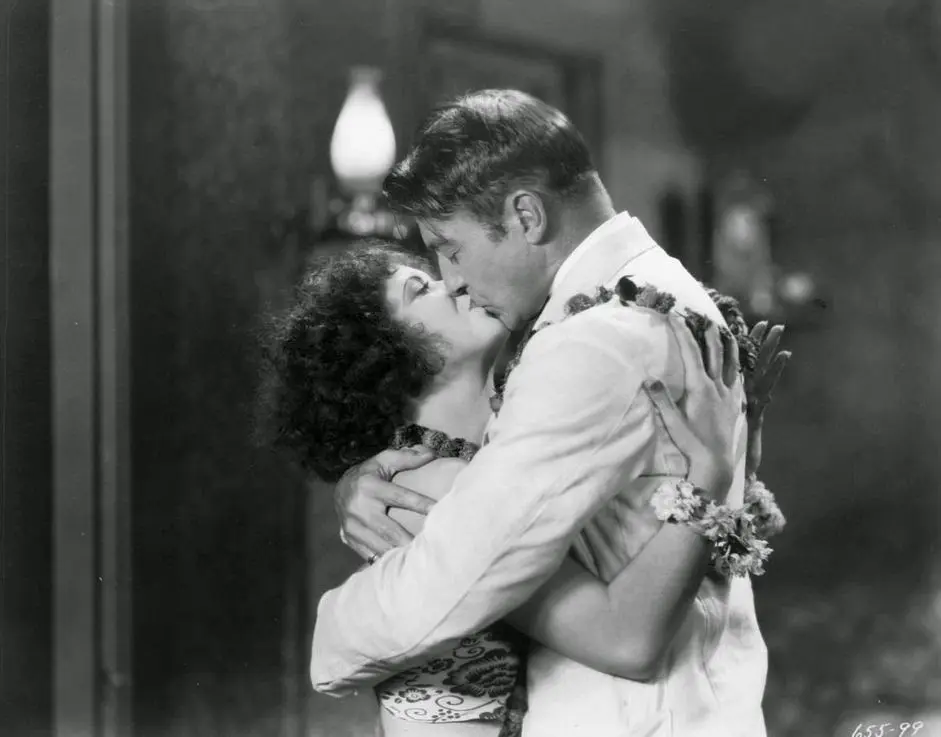
The film is a fascinating time capsule of pre-code sensibilities. It deals with adultery, public scandal, and female desire with a frankness that would soon be erased by the Hays Code. Watching Hula today feels like watching a rebellion in progress.
The film is incredibly short and punchy, never overstaying its welcome. Clara Bow’s performance is genuinely funny and touching. The costume design is fantastic, emphasizing Hula’s rejection of traditional 1920s fashion in favor of something more 'wild.'
The secondary characters are mostly forgettable. The plot resolution feels a bit rushed and convenient. The 'Hawaiian' elements are purely decorative and lack any real depth or respect for the actual culture.
We cannot discuss Hula without discussing the social context of 1927. Bow was a working-class girl from Brooklyn playing a plantation owner's daughter in Hawaii. This disconnect should have been jarring, but her 'street' energy made the character relatable to millions of women who felt trapped by their own social dams. She wasn't a porcelain doll; she was a girl who got her hands dirty.
In many ways, Hula is a more interesting film than April Folly or The Tigress because it doesn't try to make the heroine a victim. She is the aggressor. She is the one making the moves. In 1927, that was a revolutionary act, and it still feels surprisingly fresh today.
"Clara Bow doesn't act; she exists on screen with a ferocity that makes the camera feel like an intruder."
Hula is a flawed but fascinating piece of cinematic history. It is a one-woman show that succeeds in spite of its lackluster script and wooden supporting cast. It works. But it’s flawed. If you can look past the 1920s colonial lens, you will find a performance that is as electric today as it was nearly a century ago. It is a testament to the power of pure movie-star charisma. Skip the plot, watch the girl.
IMDb 5.6
1931
Community
Log in to comment.