DbcultAccessing Vault...
Cult Review
Senior Film Conservator
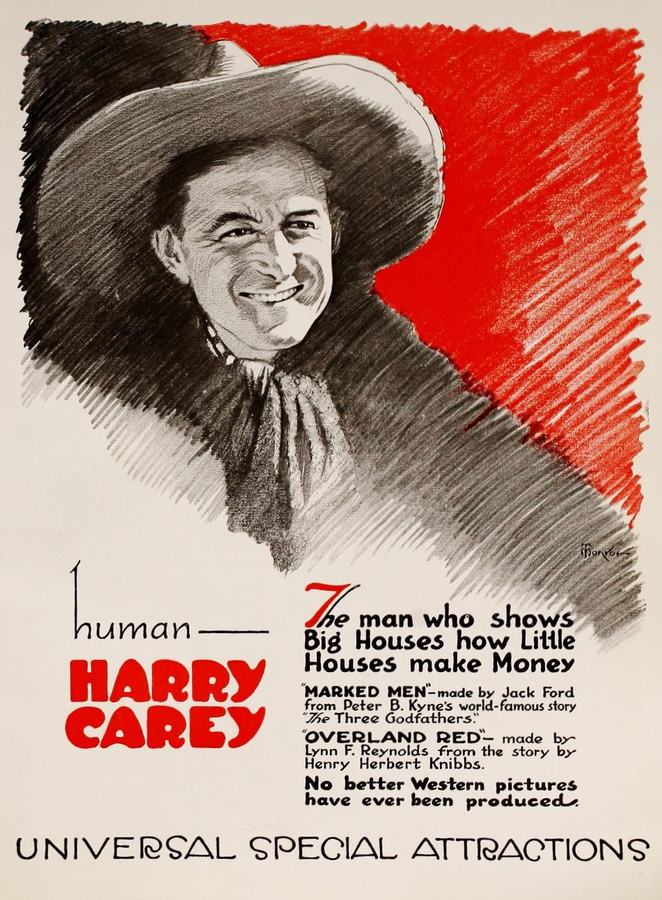
The year 1920 stood as a pivotal threshold for the American Western, a moment when the genre began to shed its nickelodeon skin and embrace the nuanced characterizations of the feature-length format. At the heart of this evolution was Overland Red, a film that transcends the simplistic tropes of white hats and black hats to offer a picaresque meditation on loyalty, survival, and the shifting sands of social status. Directed by Lynn Reynolds and starring the incomparable Harry Carey, this celluloid artifact remains a testament to the rugged humanism that defined the early Universal era.
Harry Carey’s portrayal of the titular character is nothing short of revolutionary for its time. Unlike the polished heroes of contemporary serials, Red is a "tramp prospector," a figure occupying the liminal spaces of society. His performance avoids the histrionics often associated with silent cinema, opting instead for a weathered stoicism that suggests a deep, unspoken history. This grounded approach reminds one of the emotional weight found in The Only Son, where familial duty and individual identity clash against a backdrop of societal expectation.
The chemistry between Carey and Harold Goodwin, playing the boy Collie, provides the film's emotional anchor. Their bond is not merely one of convenience but a surrogate father-son relationship that challenges the harsh individualism of the West. When they stumble upon the dying miner, the film shifts from a wandering character study into a high-stakes thriller. The discovery of the gold dust and the map is handled with a tactile realism; you can almost feel the grit of the desert and the weight of the secret they now carry.
Every great Western requires a foil, and Joe Harris delivers a chilling performance as Silent Saunders. As the unscrupulous sheriff, Harris embodies the terrifying reality of frontier corruption—where the law is not a shield for the innocent but a weapon for the powerful. His pursuit of Red is framed not as a quest for justice, but as a predatory land grab. This thematic exploration of legal manipulation mirrors the tensions seen in Evidence, where the truth is often a secondary concern to the preservation of power.
"In the silence of the desert, the loudest sound is often the whisper of a dying man's secret—a secret that can either pave the way to redemption or dig a shallow grave in the alkaline dust."
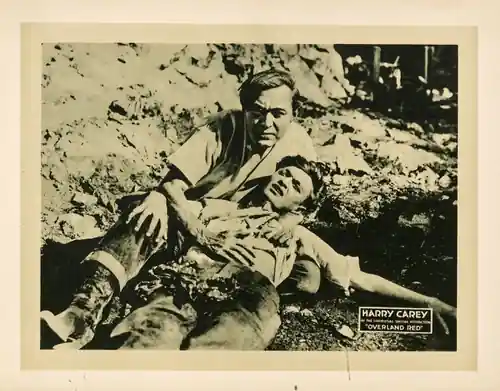
The sequence involving Red’s imprisonment and subsequent escape is a masterclass in silent film pacing. The intervention of Louise Alacarme (played with vibrant agency by Vola Vale) introduces a necessary catalyst for the plot's resolution. Louise is no mere damsel; she is an active participant in Red’s liberation, showcasing a level of autonomy that was beginning to blossom in the roles of the era, much like the exoticized but central figures in A Tokio Siren.
Produced during the burgeoning years of the "Wonder City," the film benefits from the expansive resources of Universal. The cinematography captures the raw majesty of the California landscapes, treating the terrain as a character in its own right. One cannot help but recall the self-reflexive grandeur of All for the Movies: Universal City, California, the Wonder City of the World when observing the scale of the ranch scenes and the meticulously staged pursuit sequences.
The film’s visual language is particularly effective during the nocturnal scenes. The use of tinting—a common practice of the time—enhances the atmospheric dread of the escape and the subsequent trek through the wilderness. The shadows seem to press in on our protagonists, reflecting the internal conflicts of men caught between their pasts and an uncertain future. This sense of psychological claustrophobia in an open landscape is a precursor to the themes explored in The Inner Struggle.
The final act of Overland Red is a fascinating subversion of the typical Western finale. While there is the expected confrontation and the restoration of order, the film concludes with a surprising social elevation. The revelation that the old miner was Louise’s uncle provides a narrative symmetry that is both satisfying and poetic. The mine is not merely found; it is inherited, linking the disparate lives of the prospector, the boy, and the rancher’s daughter into a singular legacy.
The marriage of Collie and Louise, followed by Red’s appointment as the president of the mining company, represents a fantasy of upward mobility that resonated deeply with post-WWI audiences. It suggests that merit, loyalty, and a bit of luck can transform a vagabond into a captain of industry. This transition from the visceral struggle for survival to the structured world of corporate management is a unique narrative pivot, distinguishing it from the more tragic or static endings of films like A Gamble in Souls.
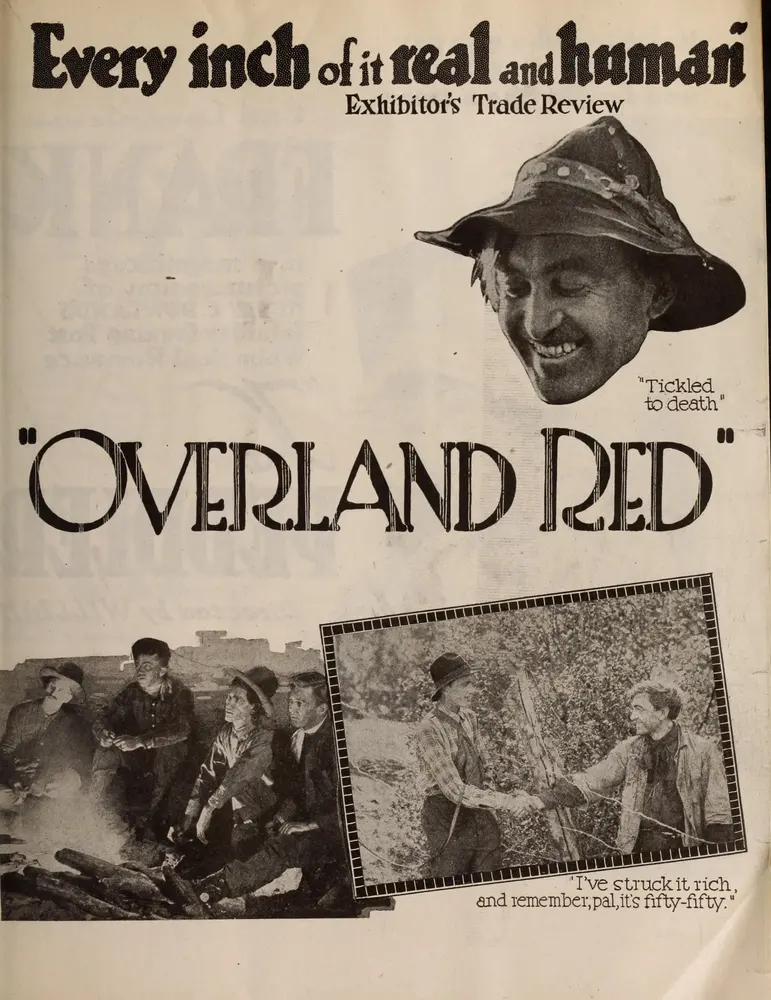
Reflecting on Overland Red over a century after its release, one is struck by how much of the modern Western DNA is present in its frames. The "good-bad man" archetype, popularized by Carey and later perfected by John Wayne (who famously cited Carey as a primary influence), is here in its nascent, most potent form. The film avoids the moral simplicity that would later plague the genre during the B-movie boom of the 1930s and 40s.
The craftsmanship of writers Henry H. Knibbs and Lynn Reynolds ensures that the dialogue—conveyed through expressive intertitles—carries the weight of the characters' convictions. There is a literary quality to the storytelling that elevates it above mere spectacle. It shares a certain gravitas with international works of the period, such as the Russian historical drama Zhizn i smert leytenanta Shmidta, in its preoccupation with the individual's role within a larger, often indifferent, historical or social machine.
In the broader context of silent cinema, where films like The Vampires: Hypnotic Eyes were pushing the boundaries of suspense and the avant-garde, Overland Red anchored the American output in a sense of place and character. It proved that the Western could be a vehicle for sophisticated storytelling, capable of balancing action with profound human empathy.
The production design deserves particular mention. The depiction of the mining camp and the Alacarme ranch feels lived-in and authentic. There is no sense of the "set" here; instead, the world feels continuous and real. This commitment to realism was a hallmark of Reynolds' direction, often contrasting the ruggedness of the outdoors with the refined interiors of the wealthy. This juxtaposition is handled with more subtlety here than in the often-exaggerated moral plays like The Sins of St. Anthony.
Furthermore, the action sequences—particularly the horseback chases—are captured with a kinetic energy that remains impressive. Unlike the static, staged fights found in early sports recordings like The Corbett-Fitzsimmons Fight, the movement in Overland Red is integrated into the narrative flow, heightening the stakes rather than pausing for a display of athleticism. The tension is palpable, the stakes are high, and the resolution feels earned through blood, sweat, and the orange glow of the setting sun.
Ultimately, Overland Red is more than just a relic of the silent era; it is a vibrant, breathing piece of cinema that captures the essence of a vanishing frontier. It explores the darkness of human nature—the lies we tell (A Fatal Lie) and the traps we set (Traps and Tangles)—while never losing sight of the redemptive power of companionship. Whether you are a scholar of the genre or a casual viewer seeking a window into the past, this film offers a rich, rewarding experience that echoes through the canyons of film history like a lonesome whistle on the wind.
Directed by Lynn Reynolds • Starring Harry Carey & Vola Vale • 1920
IMDb 5.8
1934
Community
Log in to comment.