DbcultAccessing Vault...
Cult Review
Senior Film Conservator
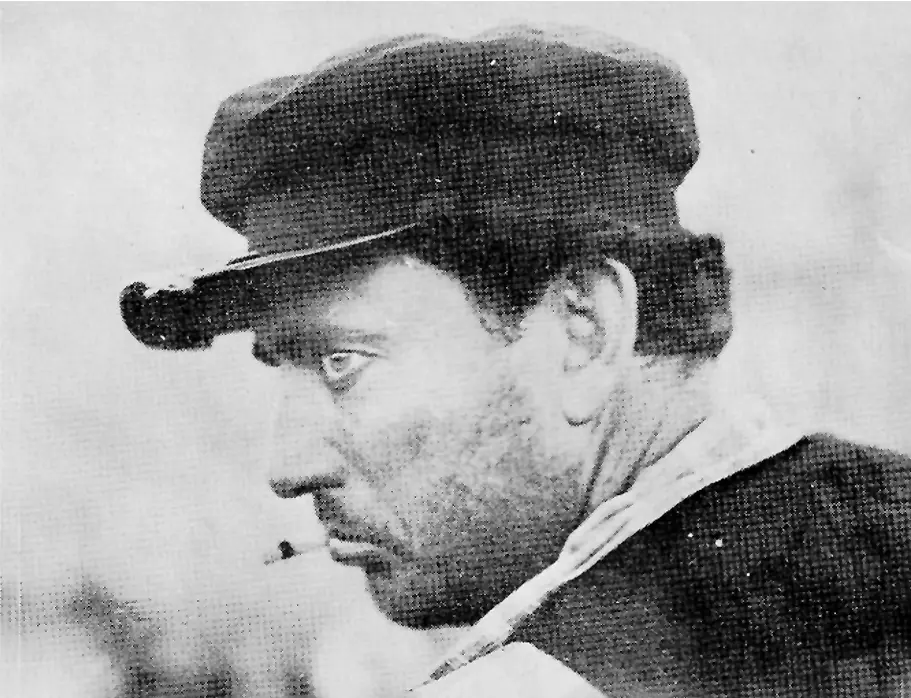
Short answer: Yes, but only if you have a tolerance for the slow-burn pacing of 1950s Latin American cinema. This film is specifically for enthusiasts of international film noir and those interested in the evolution of Argentine social realism, while it is definitely not for viewers who require high-octane action or modern narrative efficiency.
El lobo de la ribera (1954) stands as a fascinating, if occasionally plodding, example of how the noir aesthetic was exported and adapted to the unique geography of South America. Directed by Kurt Land, a filmmaker known for his technical competence and ability to work within tight constraints, the film trades the neon-lit streets of Los Angeles for the rotting wood and thick fog of the Argentine docks. It is a film that feels damp. You can almost smell the salt and the diesel fuel in every frame.
Yes, it is worth watching for its atmospheric world-building and its refusal to offer easy moral resolutions. It captures a specific moment in Argentine history where the cinematic focus shifted from glitzy melodramas to the grit of the working class.
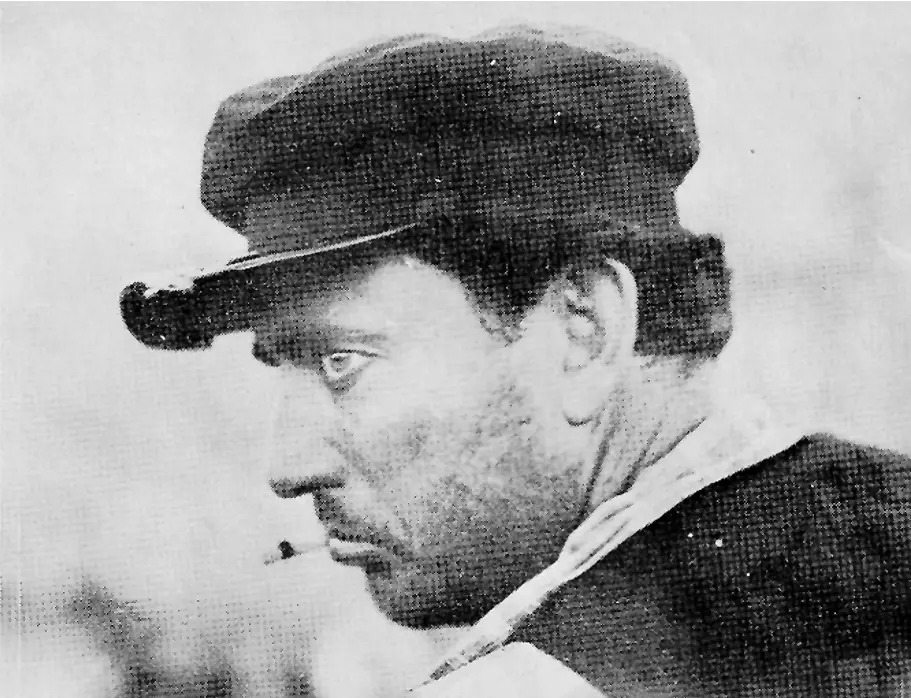
The cinematography is the undisputed star here. While many films of this era relied on flat, theatrical lighting, Land and his DP utilize the natural gloom of the riverfront to create a sense of impending doom. There is a specific scene where Passano’s character is lurking behind a stack of rusted shipping crates, the shadows cutting across his face in a way that feels deeply indebted to German Expressionism. It is a striking moment that elevates the film above its B-movie roots.
Unlike the polished surfaces seen in The Applicant, the textures in El lobo de la ribera are tactile and ugly. The camera lingers on peeling paint, muddy water, and stained clothing. This isn't just aesthetic choice; it’s a thematic statement. The characters are products of their environment, and that environment is falling apart. It works. But it’s flawed.
Ricardo Passano brings a frantic quality to the lead role that might feel 'too much' for modern audiences, but in the context of 1954, it perfectly captures the anxiety of the marginalized man. He doesn't stand still; he paces, he fidgets, he looks over his shoulder. It’s a performance built on the fear of being caught, not just by the law, but by his own failures.
In contrast, Floren Delbene is the anchor. His performance is minimalist, almost to a fault. In the scenes where the two share the screen, the contrast is jarring. Delbene represents the weary resignation of the ribera, while Passano represents the futile struggle against it. This dynamic is far more interesting than the actual plot, which follows a fairly predictable trajectory of crime and consequence.
One surprising element is the film's treatment of sound. There are long stretches where the dialogue drops out, replaced by the rhythmic lapping of water and distant foghorns. This creates a sonic isolation that makes the characters feel even more trapped. It’s a sophisticated use of audio that you don't always see in mid-century genre cinema, and it reminds me of the atmospheric tension found in En buena ley.
For the casual viewer, El lobo de la ribera might feel like a relic. It lacks the polish of contemporary thrillers and the script can be heavy-handed with its moralizing. However, for the serious cinephile, it is a vital piece of the puzzle in understanding the global reach of noir. It offers a window into a world that has largely disappeared, captured with a level of grit that was quite daring for its time.
If you are looking for something that challenges the Hollywood-centric view of the 1950s, this is a strong candidate. It doesn't have the whimsical charm of Blue Blazes or the raw energy of The Tornado, but it possesses a somber, brooding quality that stays with you after the credits roll.
The film’s biggest hurdle is its middle section. Once the initial stakes are established, the narrative begins to circle the drain. We see the same types of confrontations in the same types of dark alleys. While this reinforces the 'trapped' theme, it doesn't always make for compelling viewing. A tighter edit could have turned this into a lean 70-minute powerhouse, but at its current length, it asks a lot of the viewer’s patience.
There is a sequence involving a confrontation in a riverside tavern that goes on for several minutes too long. The dialogue attempts to build tension, but it ends up feeling like a stage play rather than a film. This stiltedness is a common issue in Land's work, where the technical execution sometimes outshines the narrative flow.
Pros:
- Exceptional use of shadows and natural light.
- Authentic riverfront atmosphere that feels lived-in.
- Strong, contrasting performances from the two leads.
- A bleak, uncompromising ending that avoids cliché.
Cons:
- Uneven pacing that drags in the middle.
- Some supporting characters are thinly sketched archetypes.
- The musical score can be intrusive and overly melodramatic.
El lobo de la ribera is not a perfect film, but it is a significant one. It is a work of heavy shadows and even heavier themes. While it may not have the name recognition of other noir classics, it earns its place through sheer commitment to its atmosphere. It is a grim, damp, and ultimately rewarding experience for those willing to brave the fog. It isn't a masterpiece, but it is a solid, punchy piece of filmmaking that deserves to be pulled from the shadows of obscurity. It works. But it’s flawed. Ultimately, its value lies in its specificity—the way it captures the 'wolf' of the riverfront with such unflinching honesty.

IMDb 4.1
1909
Community
Log in to comment.