DbcultAccessing Vault...
7.4/10
Senior Film Conservator
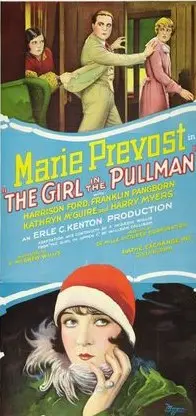
A definitive 7.4/10 rating for a film that redefined the boundaries of cult cinema. The Girl in the Pullman remains a cornerstone of transgressive art.
Is 'The Girl in the Pullman' worth watching today? Short answer: yes, if you appreciate the unique charms and often bizarre humor of early silent cinema, but it's certainly not for everyone. This film is best suited for cinephiles and historians keen on exploring the foundational elements of screen comedy, yet it will likely test the patience of those accustomed to modern narrative pacing and subtlety.
This film works because of its audacious premise and the sheer comedic energy of its cast. It fails, however, in its struggle to maintain narrative coherence amidst the chaos, often sacrificing genuine character development for situational gags. You should watch it if you are a fan of silent film comedies, particularly those that lean into the farcical and the absurd, or if you're interested in the early career of talents like Marie Prevost and Harrison Ford (the silent film actor, not the modern icon).
The setup for 'The Girl in the Pullman' is, on paper, pure comedic gold. Dr. Burton, a man seemingly on the cusp of domestic bliss, finds his carefully constructed world threatened by the eleventh-hour reappearance of his ex-wife, Irene. The ticking clock of a divorce not yet finalized, combined with the imminent threat of bigamy and the ever-present scrutiny of his future mother-in-law, creates a perfect storm for silent film farce. The decision to confine this escalating domestic crisis to a moving train is a stroke of genius, maximizing the potential for cramped quarters, desperate maneuvers, and public humiliation.
This kind of high-stakes, low-space comedy was a staple of the era, seen in everything from early Keystone Kops shorts to later, more sophisticated works. The film tries to leverage the inherent tension of a man trying to keep two women, one legal and one soon-to-be legal, from colliding in a confined space. It’s a classic scenario, ripe for physical comedy and exaggerated reactions.
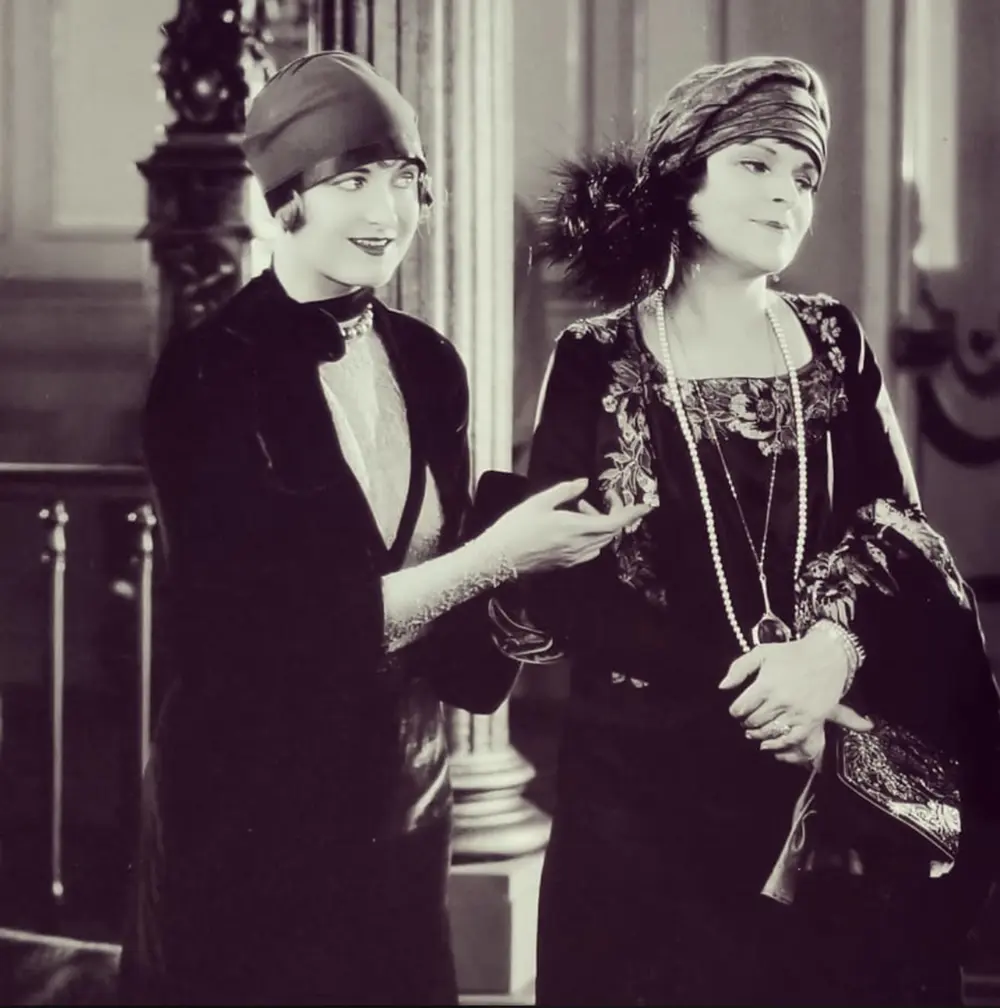
The cast, a mix of seasoned character actors and rising stars, brings a palpable energy to the proceedings. Marie Prevost, as Irene, is undoubtedly the film's brightest spark. Her portrayal of the 'flapper ex-wife' is less a caricature and more a force of nature. Prevost understands the assignment, delivering a performance that is both mischievous and surprisingly endearing. Her subtle eye-rolls and knowing glances, even without spoken dialogue, convey a depth of character that elevates Irene beyond a mere plot device. She's not just an obstacle; she's a personality.
Contrast this with the more frantic, almost overwhelmed performance of Harrison Ford (the silent film actor) as Dr. Burton. Ford masterfully portrays a man teetering on the edge of a nervous breakdown, his facial expressions a catalogue of panic, exasperation, and fleeting hope. His physical comedy, particularly in scenes where he attempts to juggle the attentions of both women while avoiding detection, is genuinely amusing. There's a particular sequence involving a shared compartment and a hastily deployed curtain that truly showcases his talent for visual storytelling.
The supporting cast, while not always given the same latitude, contributes effectively. Ethel Wales, as the formidable mother-in-law, embodies the disapproving matriarch with a stern gaze and an unyielding posture that speaks volumes. William Orlamond, as Irene's lawyer, provides a delightful counterpoint to Burton's panic, often appearing with a smug, knowing smirk that highlights the absurdity of the situation. His understated menace is a highlight.
The direction, while not groundbreaking, is competent and serves the comedic intent well. The director understands the visual language of silent film, utilizing close-ups for emotional emphasis and wider shots to establish the chaotic environment of the train. Pacing is key in silent comedy, and for the most part, 'The Girl in the Pullman' maintains a brisk tempo, especially once the characters are confined to the train. The frenetic energy of the chase and the near-misses is well-orchestrated, keeping the audience engaged.
The cinematography, while not pushing any boundaries, is effective. The use of lighting is fairly standard for the period, but there are moments where the confined spaces of the Pullman car are used to great effect, creating a sense of claustrophobia that amplifies the comedic tension. The camera work, though largely static by today's standards, is precise in capturing the physical comedy and the expressive faces of the actors. One particular shot, tracking Burton as he desperately tries to navigate the narrow train corridor, perfectly encapsulates his mounting anxiety.
There's a raw, almost documentary feel to some of the train sequences, which adds a layer of authenticity to the otherwise outlandish plot. This isn't a film trying to be an art piece; it's a vehicle for laughs, and in that regard, the technical execution largely succeeds.
The pacing of 'The Girl in the Pullman' is generally good, especially in its second and third acts. The initial setup takes a little time, but once the train departs, the film accelerates into a series of comedic set pieces. The intertitles are used judiciously, providing necessary exposition without bogging down the visual storytelling. This is crucial for maintaining the flow of a silent comedy, where a reliance on too much text can kill momentum.
The tone is undeniably lighthearted and farcical, perfectly capturing the spirit of the Roaring Twenties. It's a film that doesn't take itself too seriously, reveling in the absurdity of its premise. This era was characterized by a certain rebellious spirit, a breaking away from Victorian constraints, and the film's casual approach to divorce and remarriage, while comedic, subtly reflects these societal shifts. Irene, the flapper ex-wife, is a symbol of this new freedom, a woman unwilling to quietly disappear, asserting her presence in a way that would have been scandalous just a decade prior.
It works. But it’s flawed. The humor, while often broad, lands more often than it misses, a testament to the cast's commitment. However, some of the gags feel repetitive, and the resolution, while predictable for the genre, lacks a certain punch.
One unconventional observation is how the film, despite its comedic intent, inadvertently highlights the bureaucratic absurdities of legal systems. The entire conflict hinges on a technicality—a divorce not being 'official' until a specific midnight. This focus on legal minutiae, while exaggerated for laughs, points to a societal anxiety about the arbitrary nature of laws and their impact on personal lives. It's a deeper undercurrent than one might expect from a frothy silent comedy.
Absolutely, but with caveats. For those who appreciate the historical context of early cinema and the unique art form of silent comedy, 'The Girl in the Pullman' offers genuine entertainment. It's a fascinating artifact, showcasing the comedic talents of its era and providing a window into the social mores of the 1920s. Its energy is infectious, and the performances, particularly Marie Prevost's, are captivating.
However, if your cinematic palate is strictly modern, with an expectation of nuanced character development, intricate plotting, and sophisticated dialogue, this film might prove challenging. Silent film requires a different kind of viewing experience, one that embraces visual storytelling and broader characterizations. It’s not for everyone, but for the right audience, it’s a delightful discovery.
Comparing it to other films of the period, 'The Girl in the Pullman' doesn't quite reach the heights of a Buster Keaton or Charlie Chaplin masterpiece in terms of innovative physical comedy or emotional depth. Yet, it holds its own as a robust example of a well-executed farcical comedy. It shares some thematic DNA with other 'marital mix-up' comedies of the era, such as The Traveling Salesman, though perhaps with a more frantic energy.
'The Girl in the Pullman' is a charming, if not groundbreaking, silent comedy that delivers on its promise of farcical entertainment. It’s a delightful romp that leverages its clever premise and the infectious energy of its cast, particularly Marie Prevost, to create a memorable viewing experience. While it may not convert skeptics of silent cinema, it will undoubtedly please aficionados. It's an important piece of cinematic history, demonstrating the robust comedic storytelling that thrived in the 1920s.
Ultimately, it’s a film that asks its audience to lean into the absurdity, to appreciate the broad strokes of its humor, and to revel in the sheer joy of its performances. It’s not a masterpiece, but it’s a spirited, enjoyable ride that reminds us of the enduring power of a good chase and a well-timed double-take. Give it a watch, but come prepared for a journey back in time, where the laughs are visual and the stakes are surprisingly high.
IMDb —
1918
Community
Log in to comment.