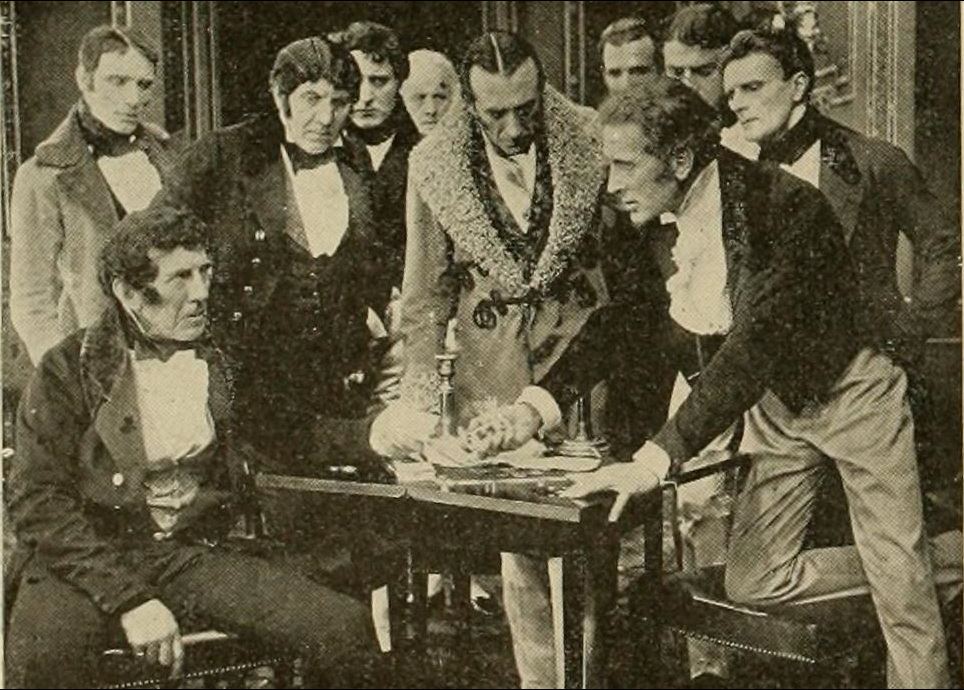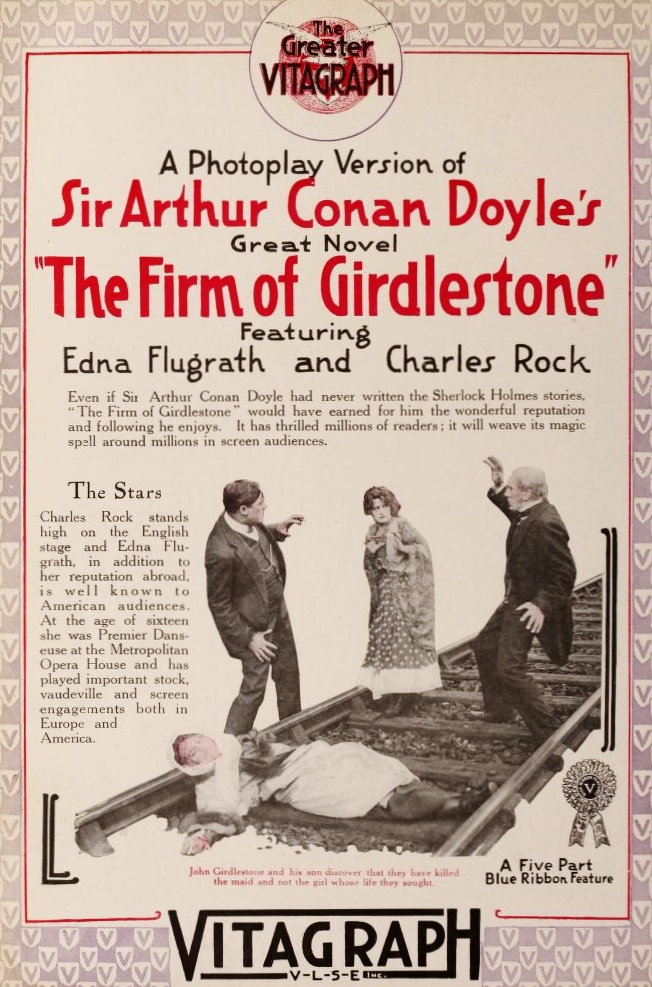
An old merchant tries to save his firm by attempting to kill his ward..
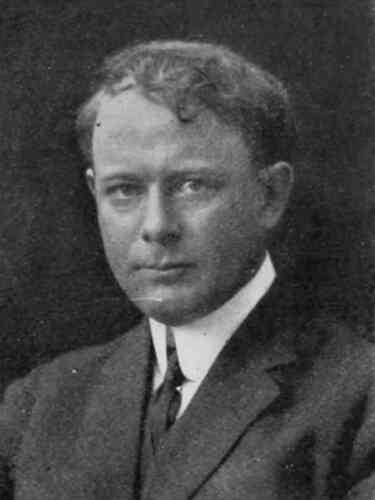
Arthur Conan Doyle, Bannister Merwin
United Kingdom
There are films that entertain, and then there are celluloid séances that drag the viewer into the sepulchral marrow of the nineteenth century. The Firm of Girdlestone belongs, with a snarl, to the latter.The surviving print—scarred, nitrate-starved—still radiates the chill of a mortuary slab. From its first intertitle...
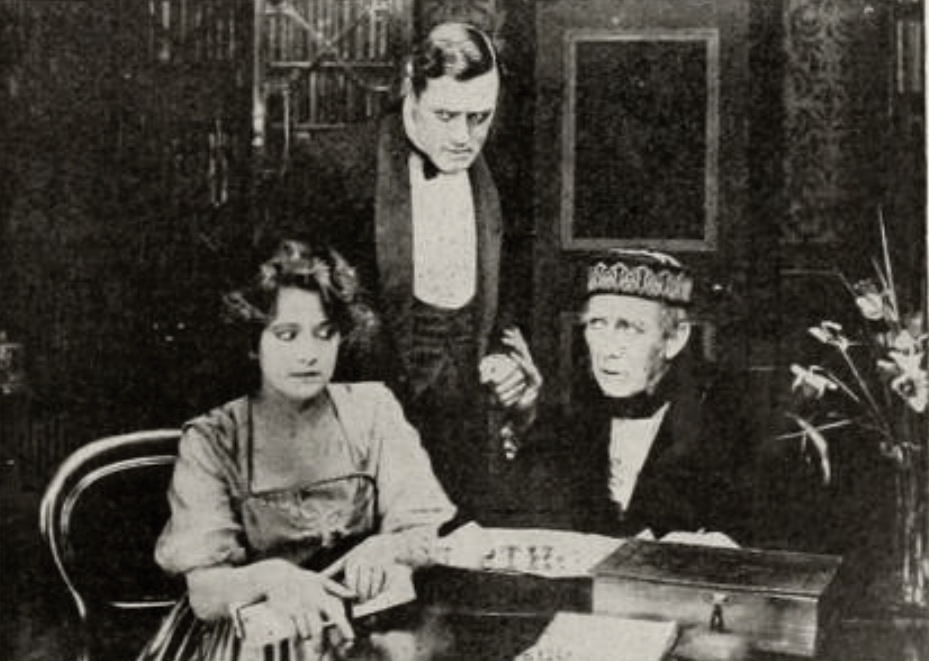
still_frame
Comparing the cinematic DNA and archive impact of two defining moments in cult history.
Harold M. Shaw
Harold M. Shaw
Community
Log in to comment.
"There are films that entertain, and then there are celluloid séances that drag the viewer into the sepulchral marrow of the nineteenth century. The Firm of Girdlestone belongs, with a snarl, to the latter.The surviving print—scarred, nitrate-starved—still radiates the chill of a mortuary slab. From its first intertitle, rendered in florid type that seems to sweat ink, we are ushered into a London where morality is weighed by the ounce and human life discounted like last season’s calico. Director..."
Deep dive into the cult classic
Discover similar cinematic experiences
A Directorial Spotlight on Harold M. Shaw