DbcultAccessing Vault...
Cult Review
Senior Film Conservator
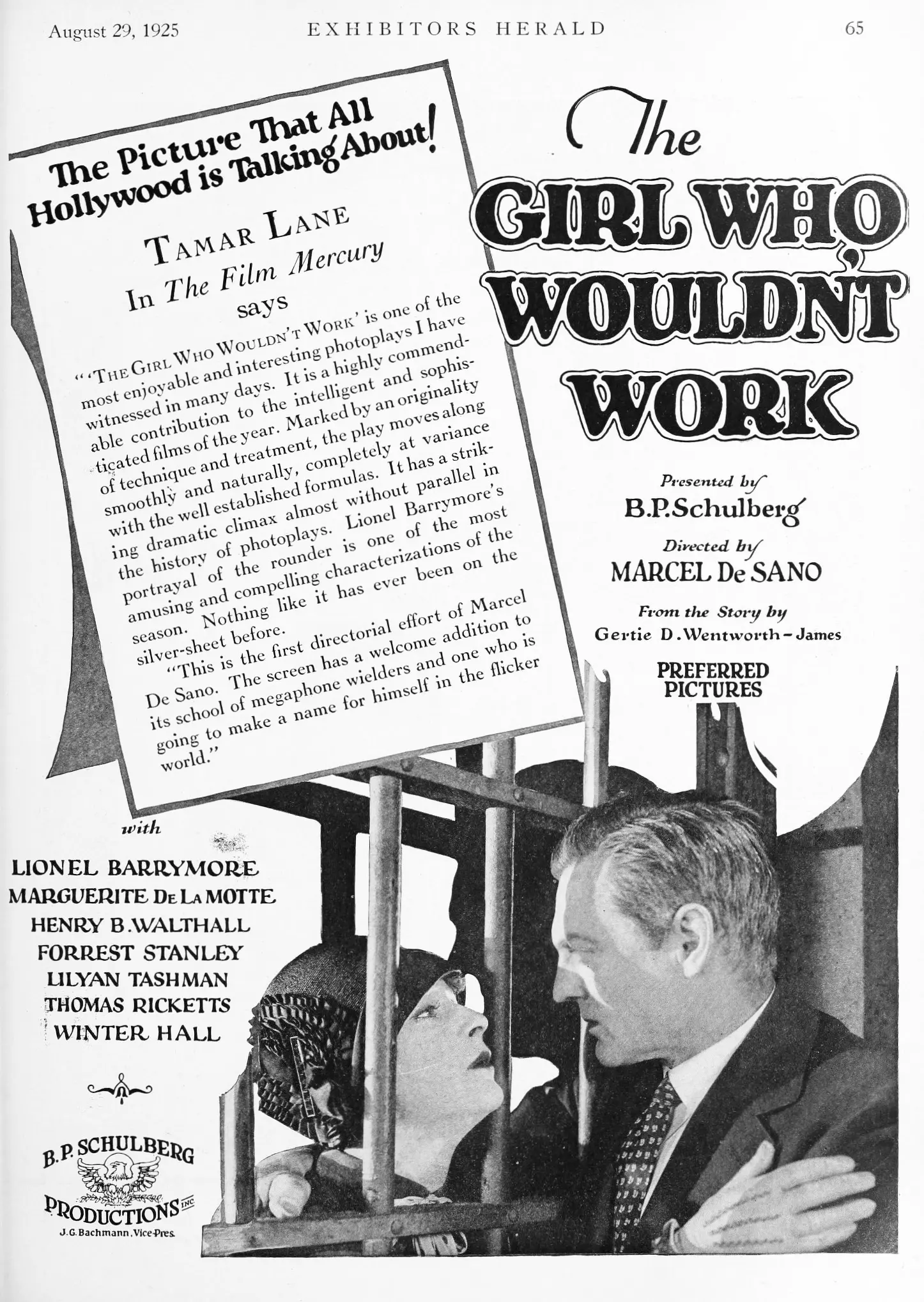
Addressing the intricate narrative of The Girl Who Wouldn't Work, this film delves into the psychological depth and social commentary of a woman's struggle against societal constraints. Mary Hale, played with a blend of vulnerability and strength by Marguerite De La Motte, is a character whose journey is as compelling as it is complex. Tired of her mundane existence and a fiancé who seems equally uninspiring, Mary's decision to leave her job and fiancé at the department store is more than a mere act of defiance; it is a declaration of her desire to break free from the confines of mediocrity.
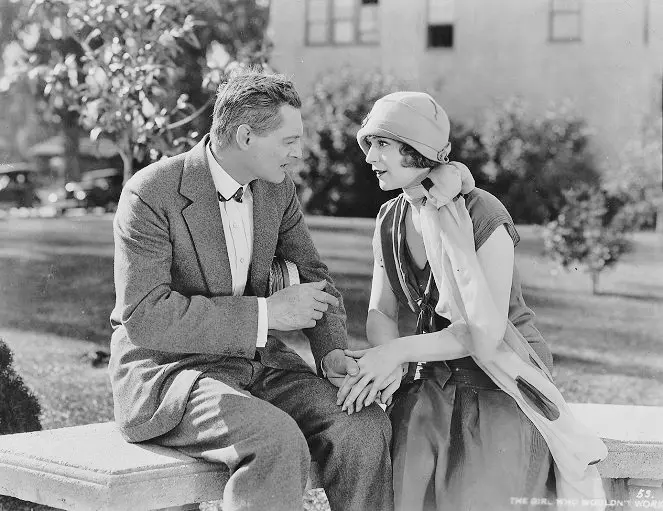
The film's plot unfolds with a series of dramatic and unexpected twists. After being fired for her dalliance with the philandering socialite, Gordon Kent, Mary impulsively moves into his apartment, a decision that sets in motion a series of events that challenge her resolve and force her to confront the underlying complexities of her life. Her relationship with Gordon, played by Lionel Barrymore, is multifaceted, blending genuine affection with moments of infidelity, creating a dynamic that is both captivating and thought-provoking.
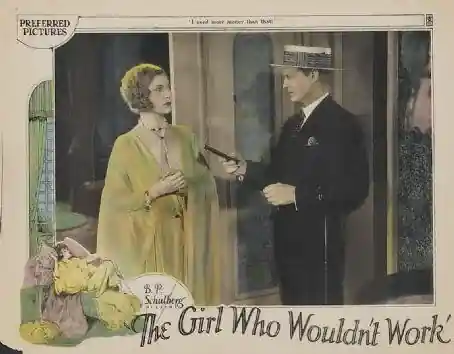
The arrival of Greta Verlaine, Gordon's former mistress, played by Lilyan Tashman, adds another layer of tension to the narrative. Her discovery of Mary and subsequent actions not only threaten to unravel Mary's newfound independence but also introduce a dark element of tragedy. The accidental shooting of Greta by Mary's father, William Hale, played by Forrest Stanley, is a pivotal moment that not only complicates the narrative but also highlights the film's exploration of paternal guilt and the interconnectedness of lives.
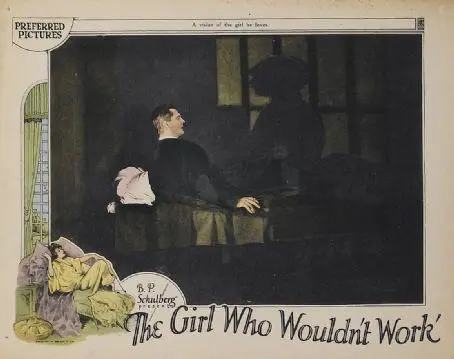
The film's exploration of personal freedom and societal norms is particularly poignant. Mary's decision to leave her home and fiancé is a bold statement against the expectations placed upon women during the 1920s. She is portrayed as a woman with agency, albeit one who is still influenced by the societal pressures of the time. Her journey is not only about personal growth but also about challenging the status quo, a theme that resonates with viewers even today.
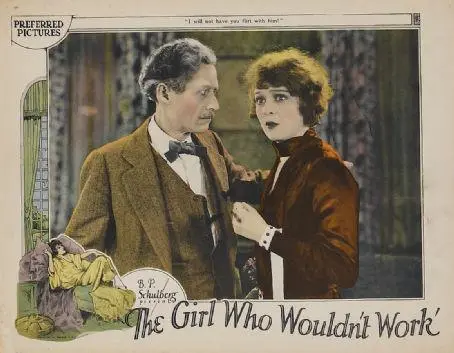
The relationship between Mary and Gordon evolves from a passionate affair to a marriage that, while it brings a semblance of stability, also brings its own set of challenges. Gordon's decision to settle down and work for a living, as played by Tom Ricketts, symbolizes a transformation that is both admirable and necessary for his character's development. This shift in his behavior is a testament to the film's exploration of the complexities of personal relationships and the struggles of finding fulfillment in a world that often demands compromise.
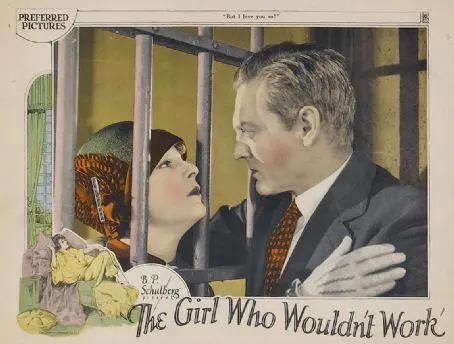
The Girl Who Wouldn't Work is a masterclass in character development and thematic depth. The performances, particularly by Lionel Barrymore and Marguerite De La Motte, are nuanced and compelling, bringing a richness to the narrative that makes the story all the more engaging. The film's exploration of love, betrayal, and the quest for personal freedom is a timeless theme that continues to resonate with audiences.
The film's social commentary is particularly noteworthy, especially in the context of the 1920s. It addresses issues such as gender roles, marital expectations, and the search for personal fulfillment. These themes are woven into the narrative seamlessly, creating a tapestry that is both engaging and thought-provoking. The film's exploration of these issues is not merely academic but is deeply rooted in the characters' experiences, making the story feel authentic and relatable.
The Girl Who Wouldn't Work is a film that demands a deep dive into its narrative and performances. Its exploration of personal freedom, societal expectations, and the complexities of human relationships is a testament to its enduring relevance. The film's ability to balance drama, romance, and social commentary is a testament to its artistic merit and enduring appeal. It is a film that not only entertains but also challenges and engages its viewers, making it a must-watch for anyone interested in the golden age of cinema.
While The Girl Who Wouldn't Work stands on its own merits, it is worth comparing it to other films of the era, such as The Willow Tree and The Winchester Woman, to further appreciate its place in the context of early 20th-century cinema. These films, like The Girl Who Wouldn't Work, explore the nuances of human relationships and the societal norms that shape them, offering a rich tapestry of themes and ideas that continue to resonate with contemporary audiences.
For those interested in exploring more films with similar themes, Blutschande, Should William Tell?, and The Belle of Kenosha are worth considering. Each of these films offers a unique perspective on the challenges and complexities of human relationships and the societal expectations that influence them.
In conclusion, The Girl Who Wouldn't Work is a film that demands to be seen and re-experienced. Its exploration of personal freedom, societal norms, and the complexities of human relationships is a testament to its enduring relevance. It is a film that not only entertains but also challenges and engages its viewers, making it a must-watch for anyone interested in the golden age of cinema.
IMDb 5.9
1932
Community
Log in to comment.