DbcultAccessing Vault...
7.1/10
Senior Film Conservator
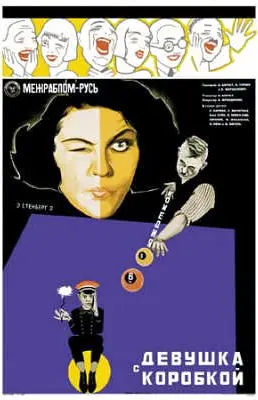
A definitive 7.1/10 rating for a film that redefined the boundaries of cult cinema. The Girl with the Hat Box remains a cornerstone of transgressive art.
Is The Girl with the Hat Box just another dusty relic of Soviet propaganda? Short answer: No, it is a surprisingly sharp romantic comedy that feels more like a Parisian farce than a Bolshevik lecture.
This film is for anyone who appreciates the physical wit of Buster Keaton but wants a side of biting social commentary. It is definitely not for those who demand high-octane action or can't tolerate the rhythmic pacing of silent-era storytelling.
1) This film works because: Anna Sten possesses a modern, luminous screen presence that bridges the gap between 1927 and today, making the central romance feel urgent rather than theatrical.
2) This film fails because: The secondary plot involving the railroad clerk Fogelev occasionally leans too hard into repetitive slapstick that slows down the more interesting social satire.
3) You should watch it if: You want to see how early cinema could be both a tool for state messaging and a genuinely charming piece of human art simultaneously.
Director Boris Barnet was operating in a unique window of Soviet history. The New Economic Policy (NEP) allowed for a strange mix of socialist ideals and capitalist leftovers. This film captures that friction perfectly through the lens of a housing crisis.
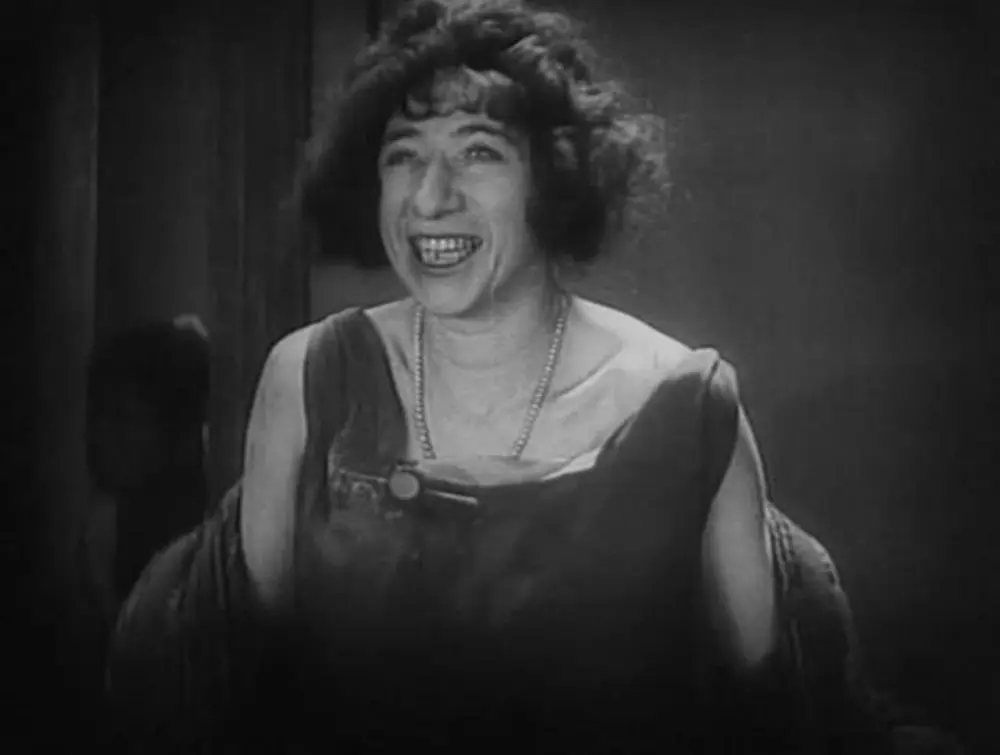
The central conflict isn't just about love; it is about square footage. Madame Irène and her husband are 'Nepmen,' the nouveau riche of the era, who use Natasha as a pawn to keep an extra room. It’s a cynical move that feels incredibly contemporary.
In one scene, the housing committee inspects the apartment, and the frantic attempts to hide the husband's laziness are choreographed with the precision of a ballet. It’s funny, but the underlying desperation for living space is palpable.
Compared to other films of the time like Her Temporary Husband, Barnet’s work has a grounded, gritty texture. He isn't just making jokes; he's documenting the mud and the slush of a Moscow winter.
Anna Sten is the heart of this machine. Before Samuel Goldwyn tried to turn her into the 'Russian Garbo' in Hollywood, she was here, playing Natasha with a mix of peasant earthiness and sophisticated comedic timing.
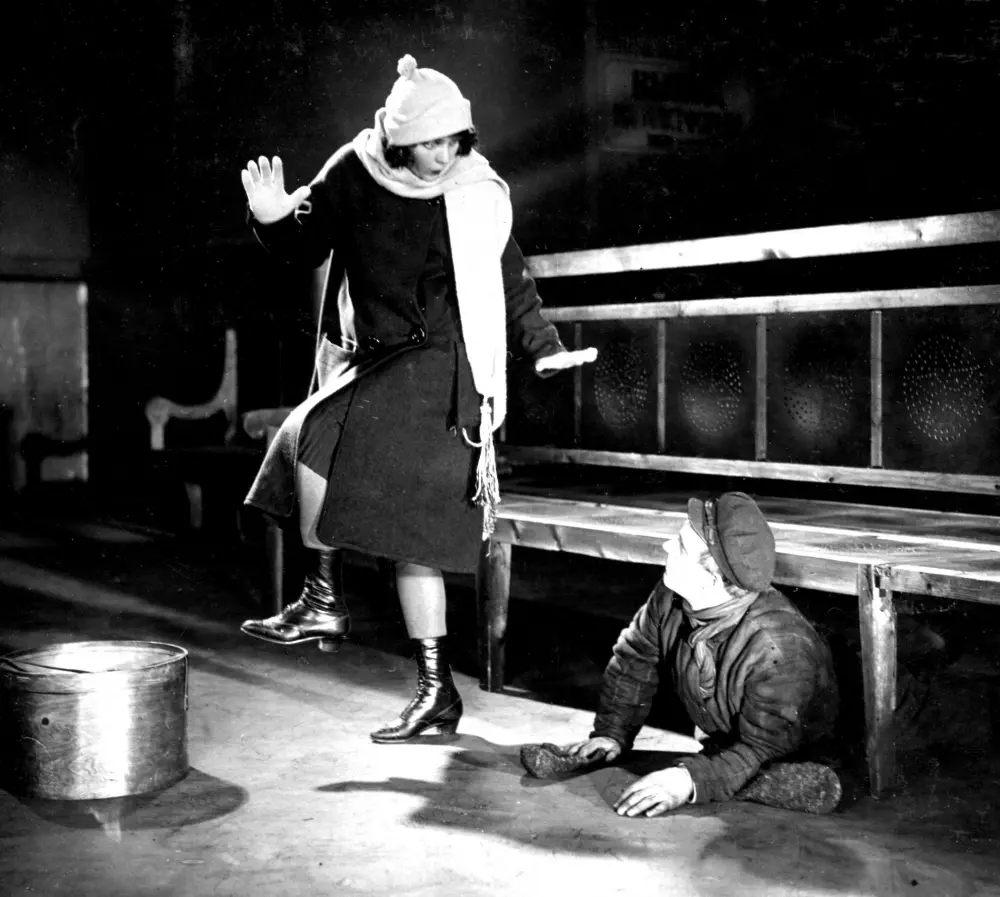
Her interactions with Ilya, the clumsy student played by Ivan Koval-Samborsky, are genuinely sweet. When she finds him sleeping in the station and decides to 'marry' him just to give him a place to stay, it’s handled with a light touch.
She doesn't play Natasha as a victim. She is a worker, a hat-maker, and a strategist. When she realizes she has been cheated with a 'dead' lottery ticket, her reaction isn't tears, but a hardened resolve that is fascinating to watch.
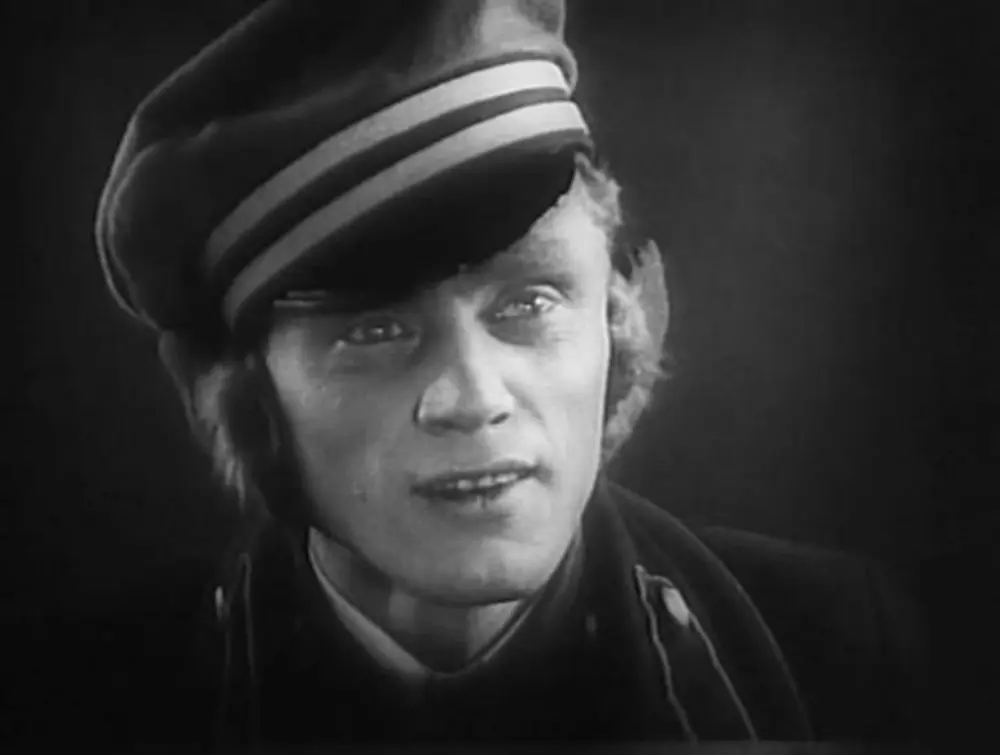
Vladimir Fogel, as the rejected suitor Fogelev, provides the high-energy counterpoint. His performance is a masterclass in silent frustration. Every time he misses his chance with Natasha, his face contorts in ways that modern actors would find impossible.
The film was commissioned to promote state lottery bonds. In lesser hands, this would be a boring instructional video. Barnet, however, turns the lottery ticket into a chaotic engine of destruction and rebirth.
When the ticket is revealed to be worth 25,000 rubles, the shift in tone is jarring but effective. The characters' true natures are revealed. The bourgeois couple transforms into predatory animals, while Natasha and Ilya remain oblivious for a time.
The chase for the ticket through the streets of Moscow is one of the film's highlights. Barnet uses the city as a character, showing the contrast between the grand architecture and the cramped, messy interiors where the characters actually live.
This theme of sudden wealth and the social upheaval it causes is a staple of the genre, seen in films like Dodging a Million, but here it carries the extra weight of socialist morality.
Barnet’s style is distinct from the montage-heavy approach of Eisenstein or Vertov. He prefers a more fluid, character-driven camera. He focuses on small gestures: the way a hat is pinned, the steam from a train, a shy glance.
The pacing is generally excellent, though the middle section involving the train journey drags slightly. However, the use of natural light and real locations gives the film a 'lived-in' quality that many studio-bound silents lack.
There is a specific shot of Natasha walking through the snow with her hat box that is iconic. It captures the isolation of the individual in the vast Soviet landscape, yet her bright expression suggests a refusal to be swallowed by it.
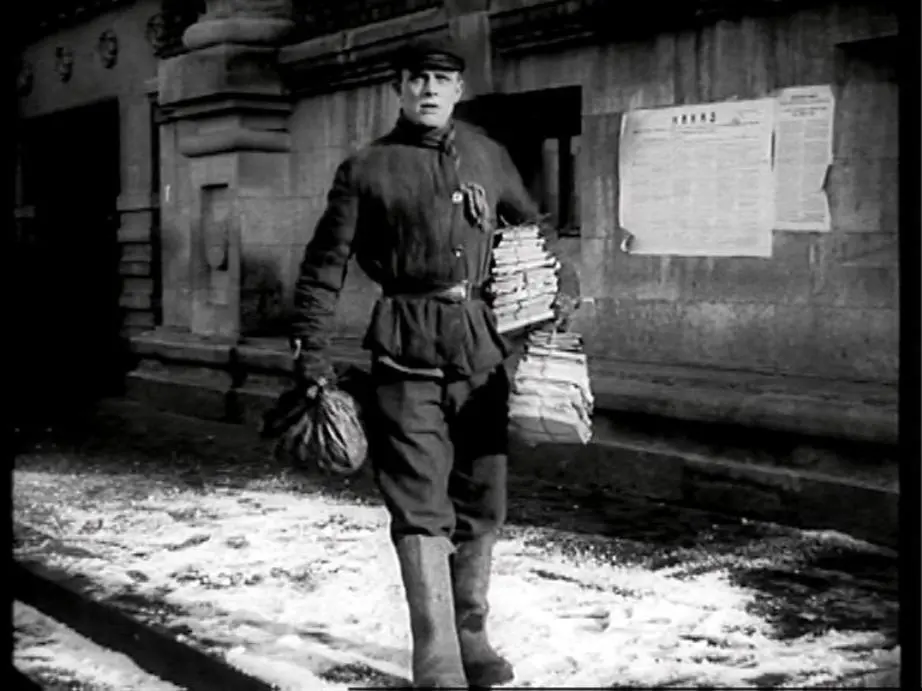
The editing during the climactic reveal of the winning numbers is rhythmic and tense. It builds a sense of mounting absurdity that pays off in a satisfying, if somewhat predictable, conclusion.
Yes, The Girl with the Hat Box is absolutely worth watching because it subverts the expectation that early Soviet cinema is grim or purely academic. It is a vibrant, funny, and deeply human story that uses a state-mandated plot to explore universal themes of love and greed.
The film manages to be a critique of the upper class without feeling like a lecture. It treats its working-class heroes with genuine affection rather than making them symbols of a revolution. It’s a movie that wants you to laugh as much as it wants you to think.
Pros:
The film offers a fascinating historical glimpse into 1920s Moscow. The chemistry between the leads is palpable. The cinematography is inventive and avoids the static 'stagey' feel of many contemporary works like In Society.
Cons:
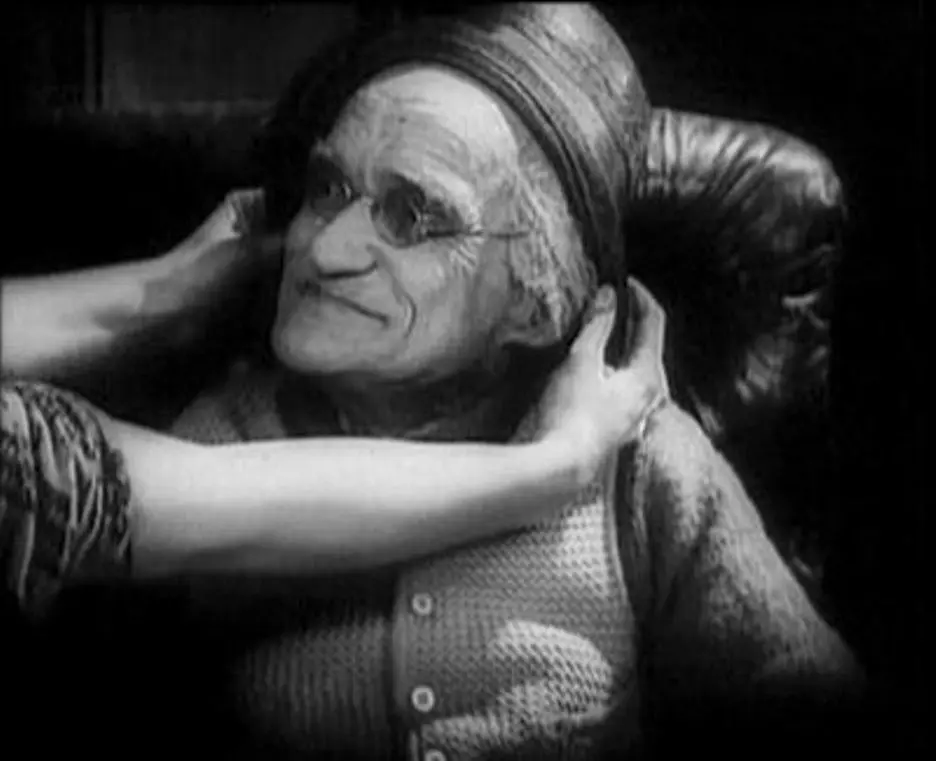
The propaganda element regarding the state lottery is a bit heavy-handed toward the end. The character of the grandfather is somewhat underwritten and serves mostly as a plot device.
The Girl with the Hat Box is a triumph of personality over politics. While it was born from a need to sell government bonds, it lives on because of Boris Barnet's eye for human frailty and Anna Sten's undeniable star power.
It is a film that understands that even in the midst of a social revolution, people still care about finding a place to sleep and someone to love. It works. But it's flawed in its final act. Regardless, it remains one of the most accessible and joyful entries in the Soviet canon.
If you’ve seen the heavy hitters of the era, this is the perfect palate cleanser. It’s light, it’s fast, and it’s surprisingly cynical about the very system it was meant to promote. A true hidden gem of the silent era.
IMDb 6.9
1914
Community
Log in to comment.