DbcultAccessing Vault...
7.1/10
Senior Film Conservator
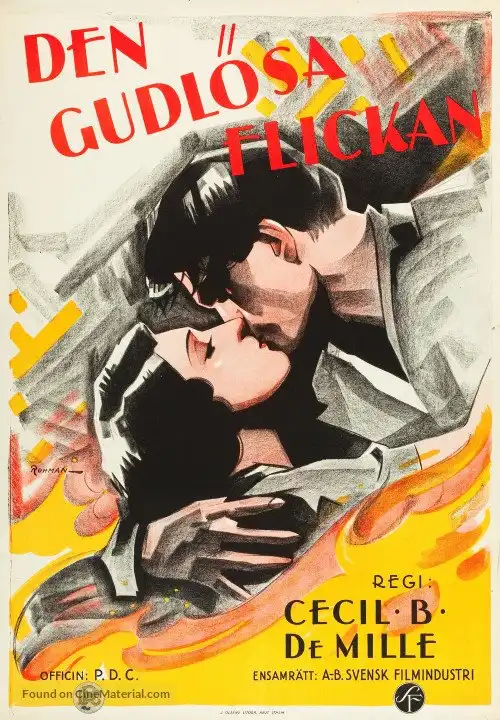
A definitive 7.1/10 rating for a film that redefined the boundaries of cult cinema. The Godless Girl remains a cornerstone of transgressive art.
Is Cecil B. DeMille’s 1928 silent epic, The Godless Girl, worth watching today? Absolutely, especially for silent film enthusiasts, students of film history, and those interested in the social commentary often embedded in early cinema. It’s a raw, often brutal melodrama that tackles big themes—faith, justice, institutional cruelty—with DeMille’s characteristic blend of spectacle and sentiment. However, if you’re looking for subtle character studies or a pace that aligns with modern filmmaking, you might find its dramatic swings and silent film conventions a challenge. This is a film for viewers willing to meet it on its own terms, offering a glimpse into a particular moment in cinematic and social history.
The film opens with a deceptively simple premise: Judy Craig (Lina Basquette), a fiery atheist, and Bob Hatton (Eddie Quillan), a staunch Christian, find themselves in a reform school after a student riot. Immediately, DeMille establishes the institution as less a place of rehabilitation and more a crucible of punishment. The girls are marched in lockstep, their heads shorn, their spirits systematically crushed. The religious divide, while initially presented as the central conflict, quickly becomes secondary to the overarching struggle against the school’s dehumanizing regime.

What strikes you is the immediate, visceral depiction of institutional cruelty. The matrons are not merely strict; they are sadistic. The ‘hole’—solitary confinement in a dark, cramped cell—is shown with a starkness that still resonates. DeMille doesn't shy away from depicting the beatings, the emotional torment, or the casual brutality. This isn't just a backdrop; it's an active character in the narrative, shaping every interaction and decision.
Lina Basquette, as Judy Craig, carries much of the film’s emotional weight. Her performance is a masterclass in silent film acting—defiant, vulnerable, and fiercely independent. You see the fire in her eyes when she challenges authority, but also the raw fear and despair when she’s cornered. There’s a scene where she’s dragged to the 'hole' after refusing to pray, and her struggle against the matrons feels genuinely desperate, not merely theatrical. It’s a physically demanding role, and Basquette commits fully, her body language conveying more than any intertitle could.
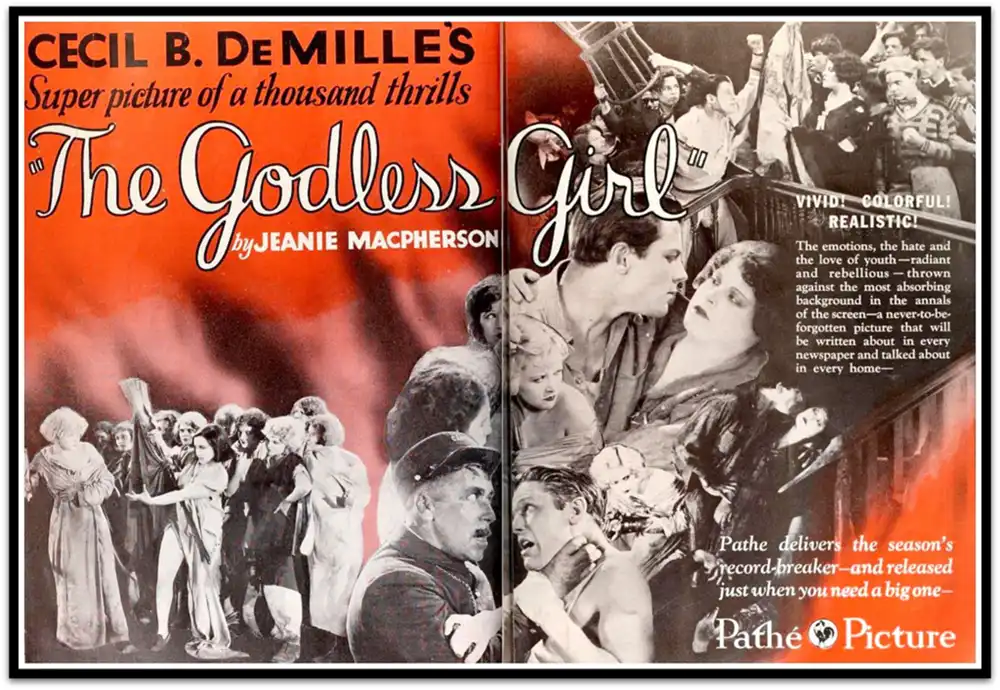
Eddie Quillan’s Bob Hatton provides a compelling counterpoint. His earnest, almost naive faith is tested repeatedly. Quillan portrays Bob’s struggle to reconcile his beliefs with the injustice he witnesses with a quiet intensity. While Basquette is the explosive force, Quillan is the steady, moral compass, often looking on with wide, horrified eyes at the atrocities unfolding around him. The bond that forms between them, initially adversarial, grows into a genuine connection born of shared suffering, which feels earned rather than forced.
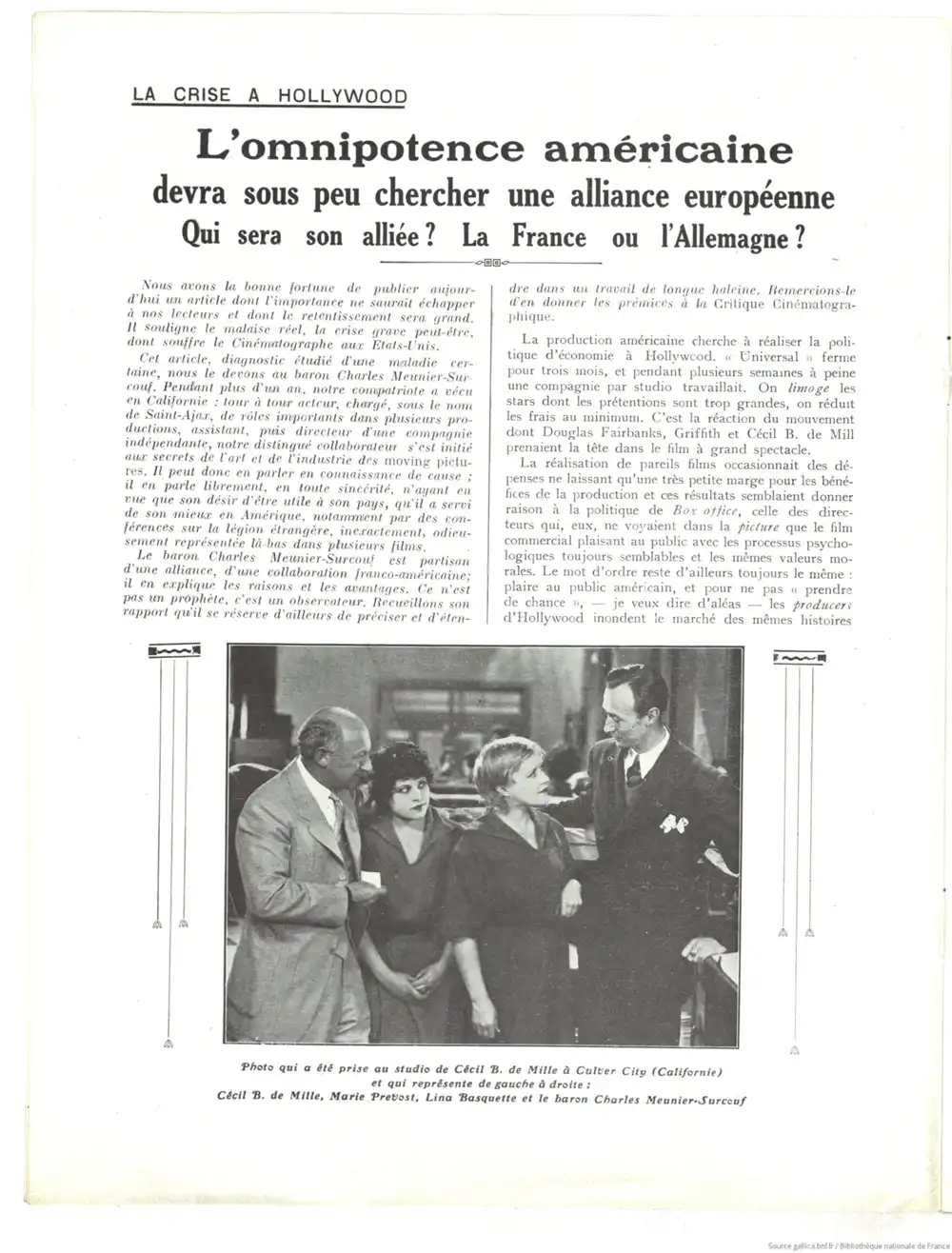
Noah Beery, as the brutal superintendent, is a menacing presence. He embodies the cold, unfeeling authority of the institution, his expressions conveying absolute power and a chilling lack of empathy. Marie Prevost, in a smaller but memorable role as a tragic inmate, delivers a heartbreaking performance that underscores the film's bleak outlook on reform.
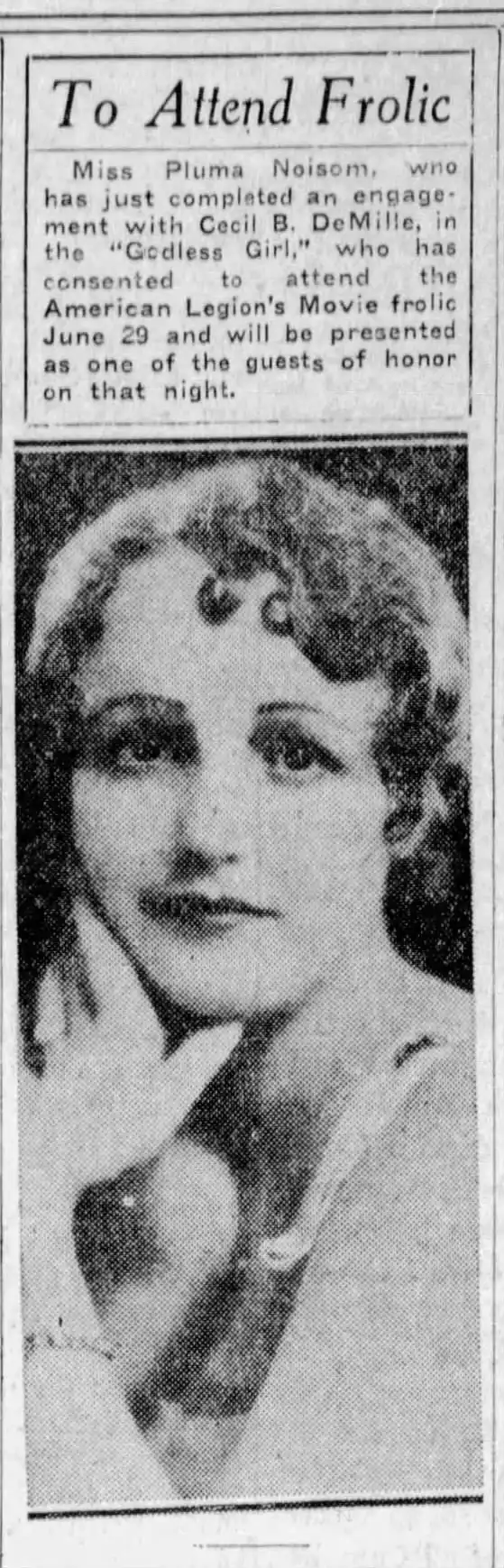
DeMille’s direction here is less about the grand, biblical spectacles he was known for and more about the claustrophobic intensity of the reform school and later, the prison. The camera often feels intrusive, pressing in on the characters during moments of duress. The riot scenes are particularly well-staged, chaotic and visceral, showing DeMille’s ability to handle large crowds and convey a sense of genuine danger.
The pacing, for a silent film, is surprisingly dynamic. While there are moments of lingering reaction shots, typical of the era, the narrative moves with a propulsive energy, especially once the characters are transferred to a maximum-security prison. This shift in location marks a significant tonal change, moving from institutional cruelty to outright survival. The film avoids becoming repetitive by constantly raising the stakes, throwing new obstacles and moral dilemmas at its protagonists.
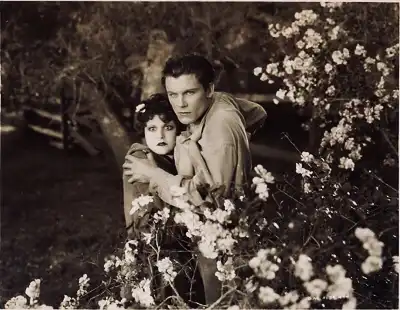
However, the melodrama can occasionally border on excess. The film's insistence on portraying every injustice at its most extreme can, at times, feel heavy-handed, particularly for modern sensibilities. The intertitles, while serving their purpose, sometimes spell out emotions that Basquette's face has already eloquently conveyed.
One of the film's undeniable strengths is its unflinching gaze at societal failings. It’s a powerful indictment of a system that punishes rather than rehabilitates, and a stark exploration of how faith can both sustain and be challenged by extreme suffering. The raw emotion, particularly from Basquette, keeps the audience invested despite the often grim subject matter.
A small, yet telling detail that only someone who watched the film would notice is the recurring image of the girls' shorn hair. It's not just a plot point, but a constant visual reminder of their stripped individuality and dehumanization. In multiple scenes, the close-up on a girl's ragged, uneven haircut, often glimpsed during a moment of defiance or despair, serves as a powerful, silent symbol of their oppressed state, far more impactful than any dialogue could convey.
The main weakness, beyond the aforementioned melodramatic excesses, lies in some of the supporting characterizations, which can feel a little one-dimensional, serving primarily as archetypes to further the protagonists' plight. The villainous figures, while effective, lack much nuance, presenting evil as an absolute rather than a complex manifestation.
The Godless Girl is not an easy watch, but it is a rewarding one. It’s a testament to the power of silent cinema to convey profound emotion and social critique. While it might feel dated in its dramatic conventions, its core themes of resilience, the search for justice, and the clash between faith and dogma remain remarkably relevant. DeMille delivers a film that, for all its melodrama, feels genuinely impassioned and surprisingly modern in its willingness to tackle uncomfortable truths. For those willing to engage with its particular style, it offers a visceral and thought-provoking experience that lingers long after the final fade to black.
IMDb 7.4
1931
Community
Log in to comment.