DbcultAccessing Vault...
Cult Review
Senior Film Conservator
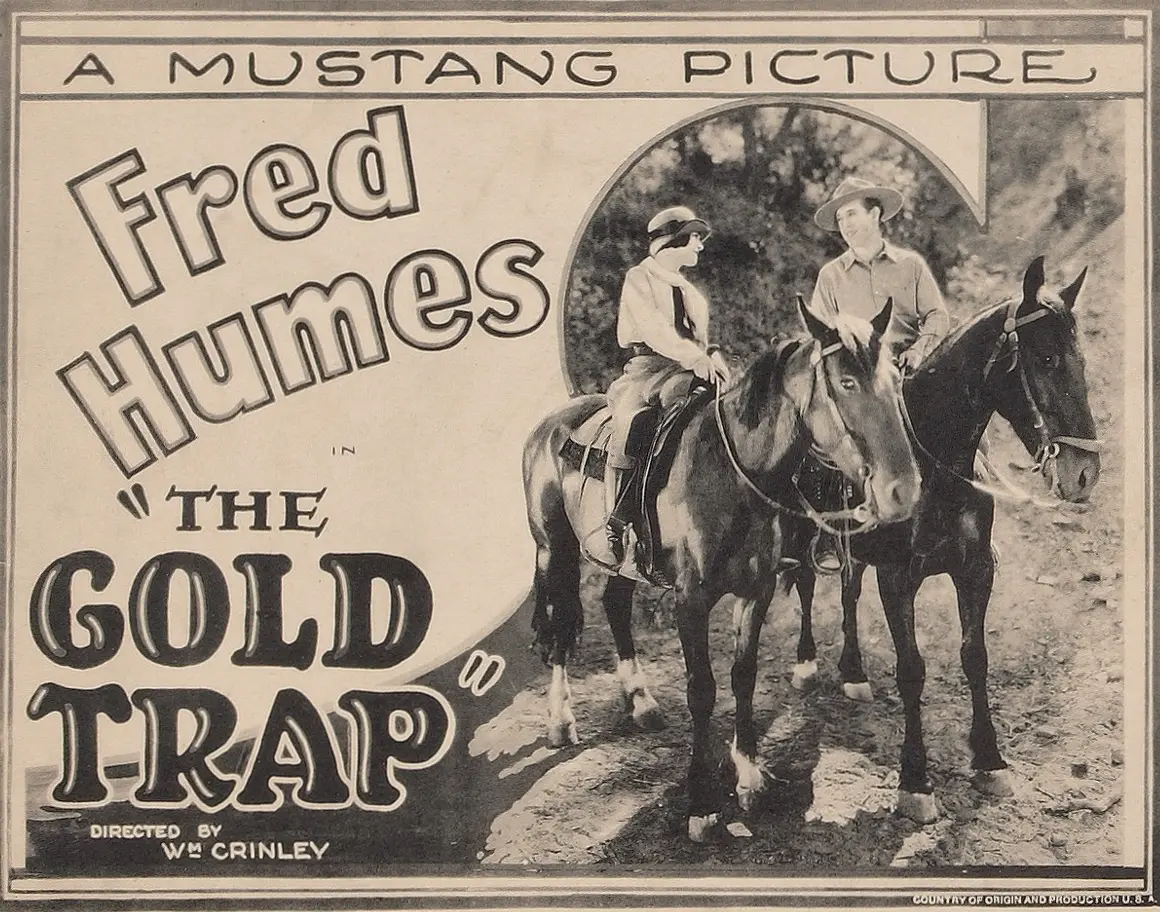
Is The Gold Trap worth a watch for modern cinephiles? Short answer: yes, but only if you possess a genuine appetite for the structural purity and unvarnished tropes of the 1920s B-Western.
This film is a mandatory viewing for those interested in the evolution of the 'salted mine' subgenre. It is decidedly not for viewers who require the psychological complexity of a modern revisionist Western.
1) This film works because it utilizes the physical landscape as a narrative pressure cooker, making the 'trap' feel as much about the geography as it is about the gold.
2) This film fails because the antagonist, Jim Craven, is written with such transparent malice that the Major’s gullibility feels frustrating rather than tragic.
3) You should watch it if you want to see the foundational mechanics of silent action choreography before it was smoothed over by Hollywood’s later industrial polish.
Yes, The Gold Trap is worth watching for its historical value and its brisk, rhythmic approach to action. While it lacks the operatic scale of The Four Horsemen of the Apocalypse, it excels in its small-scale tension. The film provides a clear, unpretentious example of how early cinema used physical stunts to define heroic character traits.
The film opens with a classic Western setup: the collision of the dying East and the burgeoning West. Major Fairfax represents a 'depleted fortune,' a common trope for the era. He is a man out of time, carrying the manners of the South into a land that only respects the shovel and the gun.
Fred Humes, playing Jack Craig, offers a performance that is surprisingly grounded for the mid-20s. Unlike the more theatrical performances found in European silents like Assunta Spina, Humes relies on a steady, physical presence. He doesn't overact his 'smitten' nature; he demonstrates it through the naming of his mine.
The naming of 'The Golden Girl' mine is a pivotal moment of characterization. It links the masculine labor of mining with the romantic motivation that drives the plot. It’s a simple, effective shorthand. It works. But it's flawed in its predictability.
William Berke’s direction is functional, yet occasionally inspired. The stagecoach rescue sequence is the film's technical high point. The use of a real falling boulder—or at least a very convincing practical effect—adds a level of visceral danger that modern CGI often fails to replicate.
The camera placement during the runaway horses' dash toward the 'disastrous curve' is strategically chosen to emphasize the height of the embankment. This isn't just about showing the action; it's about making the audience feel the potential for death. It’s a rhythmic sequence that builds tension through rapid cutting between the frightened Dolly and the galloping Jack Craig.
However, the pacing in the middle act stutters. The transition from the rescue to the mining scam feels abrupt. We move from high-stakes action to a slow-burn deception that lacks the same visual energy. The film struggles to maintain the momentum established in the first ten minutes.
The core of the plot revolves around Jim Craven 'shooting' the walls of a worthless mine with rock salt to simulate gold. This is a fascinating historical detail. It grounds the film in the actual criminal history of the American West.
Craven is a 'mining crook' who represents the shadow side of the American Dream. While Jack Craig finds gold through engineering and sweat, Craven creates it through deception. The scene where Craven’s men are in the shaft 'fixing' the evidence is shot with a claustrophobic intensity.
The moment Jack is thrown over the embankment is a brutal, simple sentence in the film's visual grammar. It’s a reminder that in this world, the intellect of an engineer is no match for the ambush of a criminal. This leads to the film's most debatable choice: the locking of Dolly in the house.
Dolly, played with a mix of vulnerability and alertness, is more than just a damsel. When she sees her father entering the mine with Craven, the film shifts into a proto-thriller. Her attempt to call out through a broken pane is a moment of genuine suspense.
Major Fairfax’s 'hunch' that he should speak to his daughter again before signing over the cash is the only thing that saves him. It’s a rare moment of intuition in a character who otherwise seems entirely blind to Craven’s villainy. Some might call this a convenient plot device; I call it a necessary humanization of the Major.
Compare this to the more domestic drama found in Chickie or the urban anxieties of Daytime Wives. The Gold Trap uses the isolation of the frontier to heighten the stakes of a simple financial transaction. In the city, a scam is a legal matter; in the gold hills, it’s a death sentence.
The final act is a masterclass in silent film pacing. Jack Craig’s 'painful' recovery and cross-country dash is the heartbeat of the film. The cinematography here is expansive, capturing the rugged terrain that Jack must conquer to reach the town in time.
The battle between Jack, Craven, and the henchmen is unpolished and gritty. There are no choreographed martial arts here; it’s a desperate, dusty brawl. The arrest of the villains feels earned because the physical cost to the hero has been clearly visualized.
The resolution—the Major asking Jack for investment advice—is the ultimate validation of the 'new' Westerner. The Major admits he is 'too old' for a partnership, effectively passing the torch to the next generation. The final pun about being 'partners in more ways than one' is cheesy, but it provides the emotional closure the audience craves.
Pros:
Cons:
The Gold Trap is a sturdy, reliable piece of silent cinema. It doesn't aim for the high-art status of Shattered Idols, but it succeeds in being a compelling morality play. It is a film about the transition of power—from the old world to the new, and from the crook to the engineer.
While the romance is perfunctory and the villainy is cartoonish, the central conflict remains engaging. The film captures a moment in time when the West was being 'civilized' not just by law, but by the honest labor of men like Jack Craig. It’s a minor classic that deserves a look from anyone interested in the roots of the Western genre. It works. It’s simple. And in its own way, it’s quite honest.
IMDb —
1924
Community
Log in to comment.