DbcultAccessing Vault...
Cult Review
Senior Film Conservator
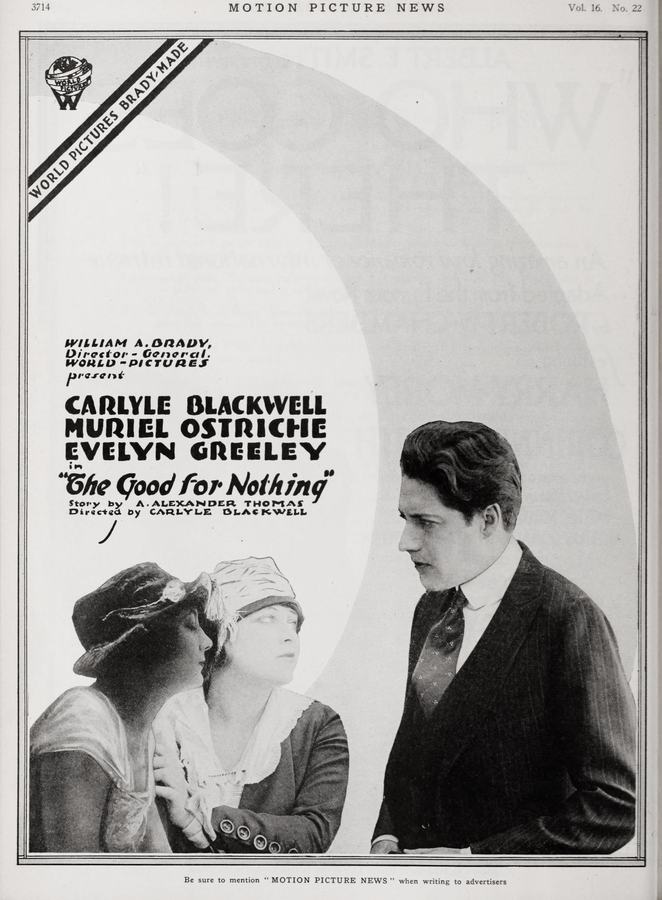
In the pantheon of early silent cinema, few archetypes resonate with as much enduring vigor as the prodigal son. However, in the 1917 production The Good for Nothing, directed with a keen eye for social stratification, this trope is not merely revisited; it is dismantled and reconstructed through the lens of agrarian virtue. Carlyle Blackwell portrays Jack Burkshaw not as a broken man seeking penance, but as a misunderstood force of nature returning to a world that has traded its soul for the sterile comforts of wealth. Unlike the melodramatic excess found in contemporary works like The Wrath of the Gods, this film opts for a grounded, almost visceral exploration of character development.
The film opens with a palpable sense of displacement. Jack’s return after a decade of wandering is met not with open arms, but with the polite, icy confusion of the newly rich. His mother’s marriage to Eugene Alston represents a shift in class that Jack is fundamentally ill-equipped to navigate. The Alston household is a museum of etiquette, a stark contrast to the rugged independence Jack has cultivated. Here, the film mirrors the social tensions explored in The Second Mrs. Tanqueray, where the past acts as a persistent shadow over present status. The set design emphasizes this divide, with opulent interiors that feel claustrophobic compared to the expansive, windswept vistas of the stock farm that will later serve as Jack’s domain.
Carlyle Blackwell’s performance is a masterclass in understated masculinity. In an era often characterized by histrionic gestures, Blackwell utilizes his physicality to convey a sense of bottled energy. He is a man of action trapped in a world of words, a theme that echoes through other silent dramas such as The Man from Home. When Jack is offered the position of farm manager, it isn't just a job; it's an escape back to a reality he understands—one governed by the seasons and the soil rather than the fickle whims of the social register.
The transition to the stock farm marks the film’s most significant tonal shift. The cinematography becomes more dynamic, capturing the rhythmic beauty of manual labor. It is here that Jack finds his voice and his value. The prosperity of the farm under his stewardship is not merely a financial success; it is a moral one. The film posits that labor is the ultimate corrective for a soul adrift. This thematic preoccupation with the restorative power of nature is a recurring motif in the era, reminiscent of the narrative arcs in Paradise Garden.
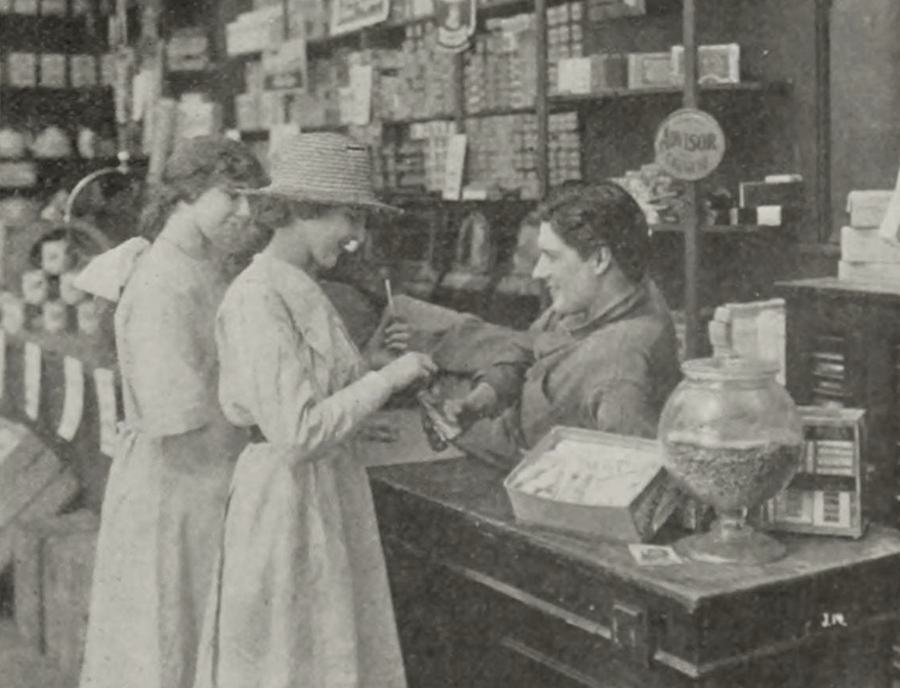
The introduction of Marion, played with nuanced grace by Evelyn Greeley, provides the emotional anchor for Jack’s transformation. Their relationship is built on mutual respect rather than the fleeting passions typical of the genre. Marion sees through the 'good-for-nothing' label, recognizing the competence and integrity that the urban Alstons are too blinded by prejudice to perceive. Their interactions are filmed with a soft-focus romanticism that contrasts sharply with the harsh, direct lighting used in the scenes involving the film’s antagonist, Jerry.
The narrative takes a daring, almost transgressive turn when Jack decides to intervene in Jerry’s moral decay. Jerry, the quintessential silver-spooned scoundrel, has impregnated Barbara Manning—a stenographer whose plight represents the vulnerability of the working class in an industrializing society. Jerry’s refusal to take responsibility, opting instead for a marriage of convenience to Laurel Baxter, serves as the catalyst for Jack’s radical intervention. This sub-plot regarding the 'fallen woman' and the callousness of the upper class is a poignant reflection of social anxieties also present in Ungdomssynd.
Jack’s decision to kidnap Jerry and force him into manual labor is a fascinating ethical pivot. In modern eyes, it might seem extreme, but within the moral framework of 1917, it is presented as a necessary 'tough love' purgation. The scenes of Jerry struggling with the physical demands of the farm are filmed with a certain grim satisfaction. We see the soft, pampered hands of the socialite blister and bleed, a visual metaphor for the shedding of his superficial identity. This sequence is far more effective than the stylized crime elements found in The Master Cracksman or the suspenseful maneuvers of Telegramtyvene.
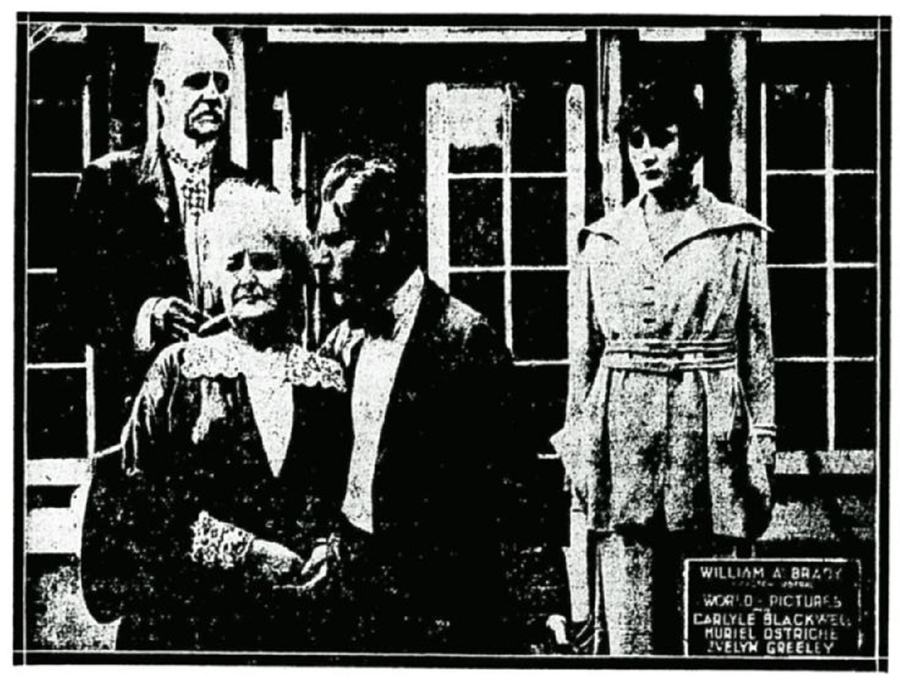
While Blackwell and Greeley are the luminous center of the film, the supporting cast provides the necessary texture to make the world of The Good for Nothing feel lived-in. Montagu Love, as Eugene Alston, brings a sophisticated gravity to the role of the patriarch. He isn't a villain in the traditional sense, but rather a man blinded by his own success. His eventual acceptance of Jack is a powerful moment of reconciliation that validates the film’s central thesis: merit transcends birthright.
The presence of the Original Dixieland Jass Band members—Nick LaRocca, Tony Sbarbaro, and others—adds a curious historical layer to the production. While their musical contributions are obviously lost in the silent medium, their presence speaks to the cultural cross-pollination of the time. It’s a reminder that cinema was, even then, a melting pot of artistic influences, much like the disparate elements that come together in The Adventures of Kitty Cobb.
The direction of the film is remarkably sophisticated for 1917. There is a clear understanding of how to use space to dictate character dynamics. In the Alston mansion, characters are often framed by doorways or heavy furniture, suggesting the rigidity of their social roles. On the farm, the framing opens up, allowing for deep-focus shots that emphasize the connection between the characters and their environment. This visual storytelling is far more advanced than the somewhat static presentations found in De levende ladder.
The use of intertitles is also noteworthy. Rather than merely advancing the plot, they are used to provide psychological depth, offering insights into Jack’s internal struggle between his desire for independence and his burgeoning sense of duty to a family that has largely forgotten him. This technique adds a layer of literary richness to the film, elevating it above standard melodramatic fare like The Lost Chord.
As the film reaches its climax, the resolution feels earned rather than forced. Jerry’s decision to marry Barbara is not just a plot convenience; it is the logical conclusion of his transformation. He has been stripped of his illusions and forced to confront the reality of his actions. The Alston family’s final embrace of Jack is not an act of charity, but an acknowledgement of his superiority in the realms that truly matter: character and industry. This ending provides a satisfying closure that avoids the ambiguity of films like The Fox Woman.
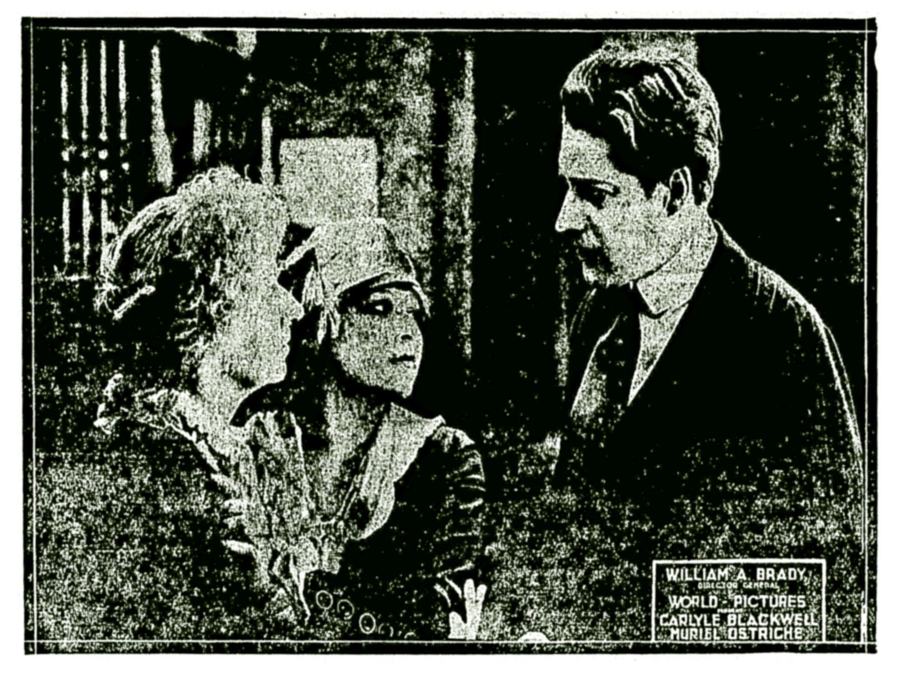
In conclusion, The Good for Nothing is a vital piece of silent cinema history. It manages to balance social commentary with personal drama, all while maintaining a brisk and engaging pace. It captures a specific moment in American history where the values of the old world were clashing with the burgeoning complexities of the new, much like the intrigue found in An Affair of Three Nations. For the modern viewer, it offers a fascinating glimpse into the early development of cinematic language and the enduring power of the story of redemption.
While it may lack the gothic mystery of Das Geheimschloss or the episodic thrill of The Vampires: The Terrible Wedding, its strength lies in its sincerity. It is a film that believes in the possibility of change and the inherent dignity of work. In the character of Jack Burkshaw, we find a hero for the ages—a man who proves that being 'good for nothing' is often just a matter of being in the wrong place. Once he finds his soil, he doesn't just grow; he flourishes, taking everyone else with him. This is the true magic of the silent era: the ability to tell a story so universal and so human that it transcends the silence of the screen.
The film also serves as a testament to the talent of Carlyle Blackwell, whose career spanned the formative years of the industry. His ability to anchor such a complex narrative with a performance of such quiet intensity is a reminder of why he was one of the biggest stars of his day. Whether he is staring down a recalcitrant stepbrother or looking out over the fields of the stock farm, Blackwell commands the screen with a presence that is both authoritative and deeply empathetic. For anyone interested in the evolution of the leading man, The Good for Nothing is essential viewing, standing tall alongside other genre-defining works like Under the Crescent.
A masterpiece of moral reclamation and silent era storytelling that remains as potent today as it was in 1917.
IMDb —
1927
Community
Log in to comment.