DbcultAccessing Vault...
6/10
Senior Film Conservator
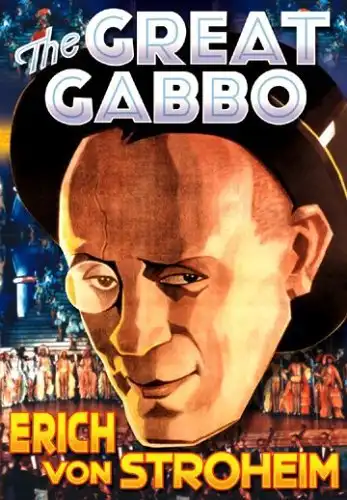
A definitive 6/10 rating for a film that redefined the boundaries of cult cinema. The Great Gabbo remains a cornerstone of transgressive art.
Is this worth watching today? Yeah, but only if you're into the kind of movies that feel like a fever dream you had while sick with a 102-degree fever. It is definitely for fans of early horror vibes or people who find ventriloquist dummies inherently upsetting.
If you hate static, clunky early sound films or movies that stop dead for ten minutes to show a mediocre dance routine, you will probably hate this. It’s a very specific flavor of weird.
The first thing you notice is Erich von Stroheim’s face. He plays Gabbo, and he looks like he’s made of granite and bad intentions. He’s supposed to be this world-class performer, but he’s so mean to everyone around him that you kind of want to see him fail immediately.
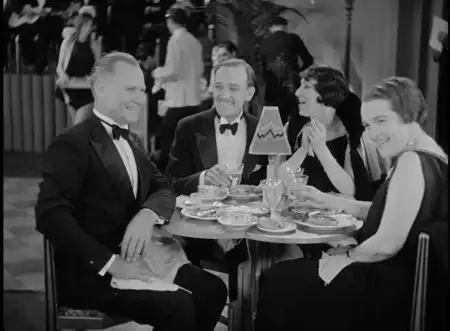
The movie is mostly famous for the dummy, Otto. Unlike most ventriliquist acts, Gabbo treats Otto like a separate person, and honestly, Otto is the only one with a personality. It’s really uncomfortable to watch a grown man feed a wooden doll a cracker while staring at it with genuine love.
There is this one shot early on where Gabbo is looking in a mirror. He’s talking to himself, but he’s actually talking to the dummy’s reflection. The lighting is all harsh and scratchy, and for a second, it feels like a real psychological thriller, way ahead of its time.
But then, the movie remembers it’s 1929 and it has to be a musical. This is where things get truly bizarre. We get these massive, over-the-top stage numbers that have absolutely nothing to do with the plot. They just... happen.
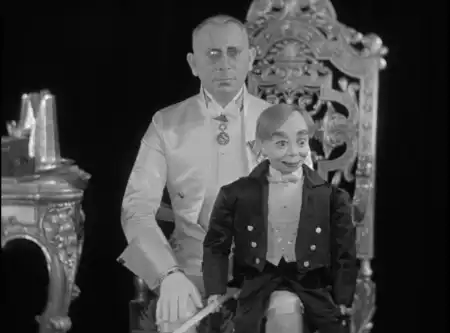
One of them is called "The Web of Love." It features a bunch of people dressed as spiders and flies dancing on a giant web. It goes on for what feels like forty-five minutes. I actually checked my watch during this part because I thought the movie had accidentally looped back to the beginning.
The transition from the silent era to sound was rough, and you can really feel it here. Compared to something like Tillie's Punctured Romance, which still had that fast-paced slapstick energy, The Great Gabbo feels like it's stuck in molasses. The camera barely moves because they had to hide the microphones in flower pots or whatever they did back then.
Betty Compson plays Mary, the girl Gabbo drove away. She’s fine, I guess, but she has to spend half the movie looking concerned while Gabbo screams at her or Otto makes creepy jokes. You really wonder why she stays in the room as long as she does. I would have bolted out the door the second the dummy started giving me dating advice.
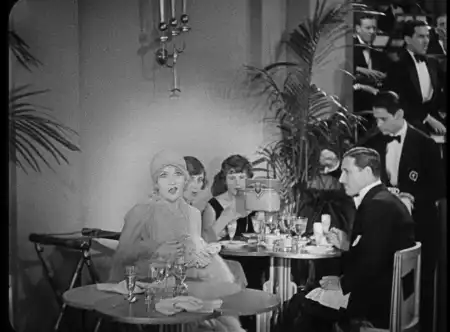
There’s a weird bit with the Biltmore Orchestra where they just stand there. They look like they're waiting for a bus. It’s these small, unintentional details that make these old movies so fun to pick apart. It’s not "perfect" filmmaking, it's messy and human.
I found myself wondering if the writers, Ben Hecht and Hugh Herbert, were actually trying to make a horror movie. Some of the dialogue Gabbo has with Otto is genuinely dark. Otto tells him he’s a failure and that Mary doesn’t love him. It’s like watching a man’s intrusive thoughts take physical form and start wearing a little suit.
The movie gets noticeably better when it focuses on Gabbo's mental breakdown. Von Stroheim is acting in a completely different movie than everyone else. While the dancers are doing their little hops and skips, he’s over there doing high-level method acting before that was even a term. He’s sweating through his makeup.
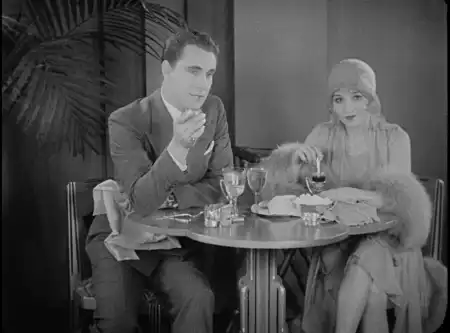
I noticed a mistake in one of the backstage scenes where a stagehand's shadow is clearly visible on the backdrop for about three seconds. It’s great. I love that stuff. It reminds you that this was all being figured out on the fly.
It reminds me of the technical awkwardness you see in educational shorts from later on, like How to Use the Dial Telephone, where everything is explained with this weird, stiff gravity. Gabbo takes its ventriloquism very seriously, as if the fate of the world depends on a wooden doll’s punchlines.
The ending is... abrupt. I won't spoil it, but it just kind of stops. You’re left sitting there in the silence of the credits (which are just a single card, usually) thinking, "What did I just watch?"
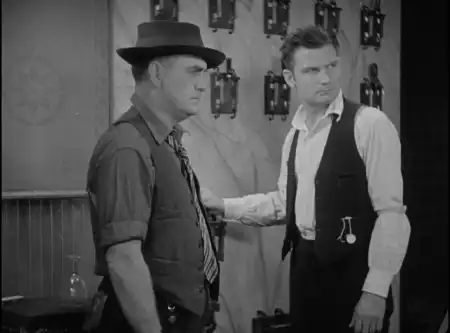
It’s a movie about ego and how being a "great artist" doesn't excuse you from being a decent human being. Or maybe it's just about a guy who really liked his dummy. I’m not sure the movie knows which one it wants to be.
One reaction shot of Gabbo watching Mary dance lingers so long it becomes funny. He’s just staring. For ages. You start to wonder if the director, James Cruze, forgot to yell cut or if Von Stroheim just refused to blink.
Is it a masterpiece? No. It’s clunky, the musical numbers are boring, and the sound quality is like listening to a ghost whisper through a tin can. But I’d still recommend it over a lot of modern, polished junk just because it has soul. It’s trying so hard to be something important and failing in the most interesting way possible.
If you've ever felt like your own brain was arguing with you, you'll find something to like here. Just skip the spider dance. Seriously. 🕷️
It’s definitely more memorable than something like The Quarterback or some of the other generic stuff from that year. It sticks in your teeth like taffy.
Final thought: The dummy’s eyes actually move in a way that makes me think it’s haunted. I don't care what the production notes say. That thing was alive.
IMDb —
1914
Community
Log in to comment.