DbcultAccessing Vault...
5.6/10
Senior Film Conservator
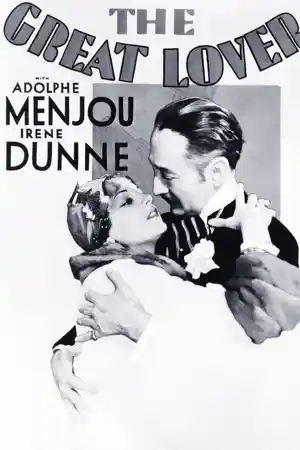
A definitive 5.6/10 rating for a film that redefined the boundaries of cult cinema. The Great Lover remains a cornerstone of transgressive art.
Alright, so if you're looking for something that just *moves* or has, like, really sharp pacing, you can probably skip The Great Lover. It's an early talkie from 1931, which means it comes with all the good and the kinda awkward stuff that era had. But if you're a film history buff, or you just dig seeing how movies were *made* back then, it's actually pretty interesting. Anyone expecting modern polish will probably hate it, though. 😬
Adolphe Menjou plays Jean Paurel, this big-shot opera star who's basically a walking ego. He’s known for his, um, *conquests*, let's just say. He's got this whole 'great lover' persona, and honestly, you can tell he's having a blast playing it, even if it feels a little much sometimes.
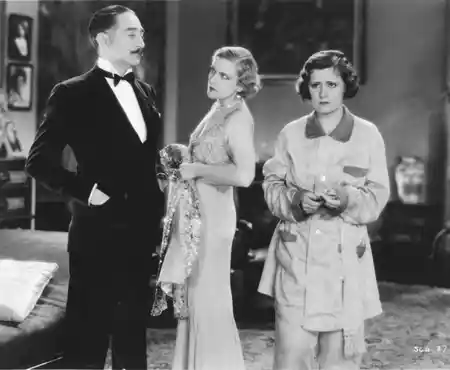
There's a moment early on where he's introduced, and the camera just lingers on his *smirk* for what feels like an eternity. He's practically winking at the audience, like, 'Yeah, I'm *that* guy.' It's kinda charming, in a very specific, old-fashioned way.
Irene Dunne, as Diana Page, is the aspiring singer he sets his sights on. She's got this quiet strength that shines through. You can almost see her trying to navigate the stage-y acting style of the time while still trying to give a *real* performance. It's an early role for her, and you can spot glimpses of the star she’d become. She feels a little bit like she's in a different movie than Menjou sometimes, in a good way.
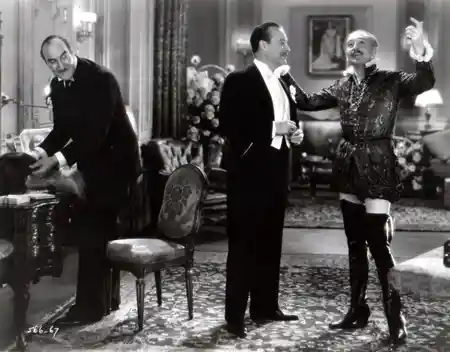
The plot, you know, it’s pretty standard for the time. Paurel wants to 'help' Diana's career, but really, he wants to add her to his list of admirers. But then, surprise! He actually falls for her. This twist feels genuine enough, mostly because Menjou manages to soften up just a tad, even through all his bravado.
But then enters Freddie, Diana’s old flame, played by Neil Hamilton. And guess what? He's Paurel's understudy. Talk about convenient! The whole love triangle bit feels a little tacked on. Like the writers were like, 'Okay, we need more drama here. Let's throw in an old boyfriend!' It just kinda happens.
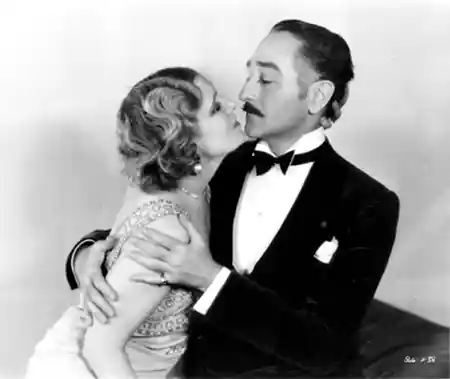
The opera scenes are… well, they’re opera scenes from 1931. The sound quality varies quite a bit, so sometimes the singing sounds a bit distant or a little crackly. It’s neat to see the backstage hustle, though. You get a feel for the frantic energy behind the velvet curtains.
There's this one shot of the audience during an opera performance, and they're all just so *still*. Like, perfectly still. It makes you wonder how long they had to hold that pose. It's a little eerie, actually. 🤔
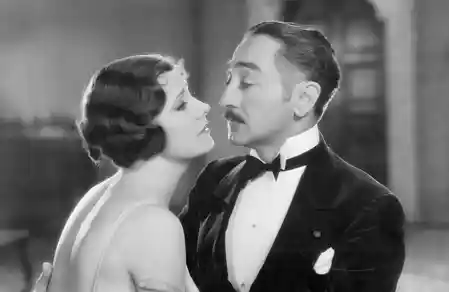
And the dialogue! Oh, the dialogue. It's delivered with a certain... theatricality. Sometimes it feels like everyone is enunciating *very* carefully, almost as if they're still figuring out how these new sound cameras work. There are these pauses too, that are just a little longer than you'd expect. It gives the whole thing a somewhat deliberate, almost stately, pace.
One small thing I noticed: the way they transition scenes sometimes, it’s just a straight cut, no fancy dissolves or anything. It's very direct, which I kinda appreciate. No messing about, just 'boom, new scene!'
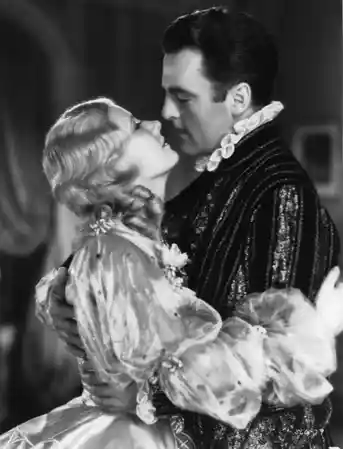
Olga Baclanova, who plays Mme. Adrienne Delanne, Paurel’s jealous ex-lover, she gets some of the best dramatic moments. She’s really over-the-top, but it totally works for her character. She brings this wonderfully *extra* energy to the screen. Every time she's on, she makes you sit up a little. 🎭
Ultimately, The Great Lover isn't a masterpiece, not by a long shot. It's clunky in places, and some of the acting feels stiff. But it's also a cool look at early sound film, with a surprisingly endearing performance from Menjou, once you get past his character's massive ego. If you like seeing how films evolved, or just want to spend some time with old Hollywood charm, give it a shot. Just don't expect it to blow your mind with plot twists or anything.
IMDb —
1928
Community
Log in to comment.