DbcultAccessing Vault...
6/10
Senior Film Conservator
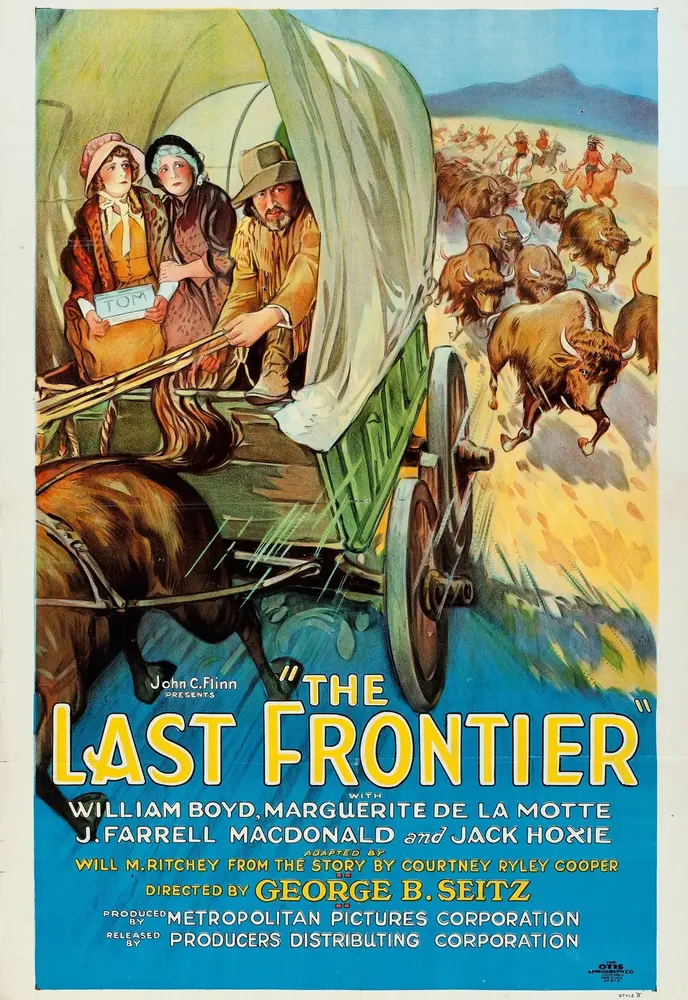
A definitive 6/10 rating for a film that redefined the boundaries of cult cinema. The Last Frontier remains a cornerstone of transgressive art.
Is The Last Frontier worth your time in the modern era? Short answer: Yes, but only if you value historical scale and raw practical effects over nuanced character development.
This film is for the silent cinema completionist and the Western historian who wants to see the genre before it became sanitized by the Hays Code. It is absolutely not for those who demand ethical complexity or a fast-paced, dialogue-heavy narrative.
1) This film works because the scale of its practical stunts, specifically the buffalo stampede, creates a sense of genuine danger that modern digital effects fail to capture.
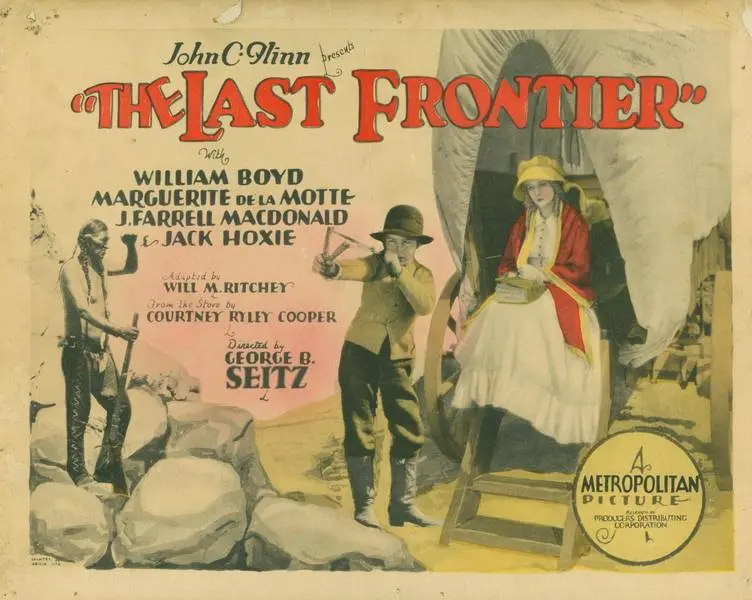
2) This film fails because the romantic subplot between Beth and Kirby is built on a foundation of forced misunderstandings that feel tedious even by 1920s standards.
3) You should watch it if you want to see William Boyd before he was synonymous with Hopalong Cassidy, delivering a performance that is surprisingly grounded and gritty.
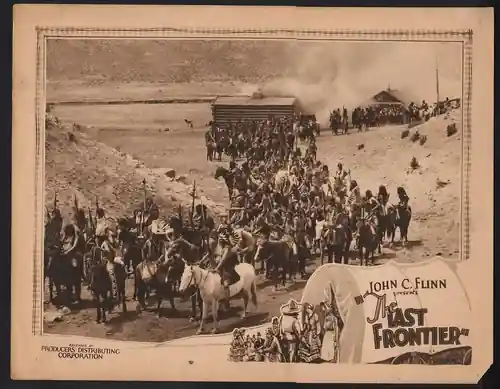
To answer the most pressing question: yes, it is worth a watch for its sheer ambition. Unlike many of its contemporaries, such as The Lone Wagon, which often felt confined by their budgets, The Last Frontier attempts to capture the sprawling, terrifying emptiness of the American West. The film does not shy away from the suddenness of death. The opening attack on the wagon train is not a heroic skirmish; it is a frantic, dusty slaughter that sets a tone of high stakes.
However, if you are looking for a film with a progressive view of history, you will be disappointed. It adheres strictly to the tropes of its time. But as a piece of craft, the way director George B. Seitz handles the movement of large groups across the frame is a masterclass in silent blocking. It feels alive. It feels heavy.
The film opens with a sequence that feels remarkably modern in its bleakness. We see the Halliday family, impoverished and desperate, moving toward a promise of wealth that feels increasingly like a mirage. When Pawnee Killer attacks, the camera doesn't focus on the glory of the fight, but on the frantic, clumsy attempts of the civilians to survive. The death of the Colonel and his wife isn't treated with a long, theatrical goodbye; they are simply gone, swept away by the violence of the frontier.
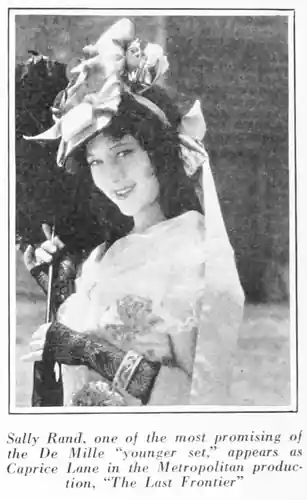
This sequence establishes the central trauma for Beth, played by Marguerite De La Motte. While her subsequent turn against Kirby feels narratively convenient, De La Motte plays the grief with a wide-eyed intensity that borders on the hallucinatory. She doesn't just hate Kirby; she projects the entire weight of her loss onto him. It’s a bold choice that makes her character more than just a damsel, even if the script eventually forces her back into that mold.
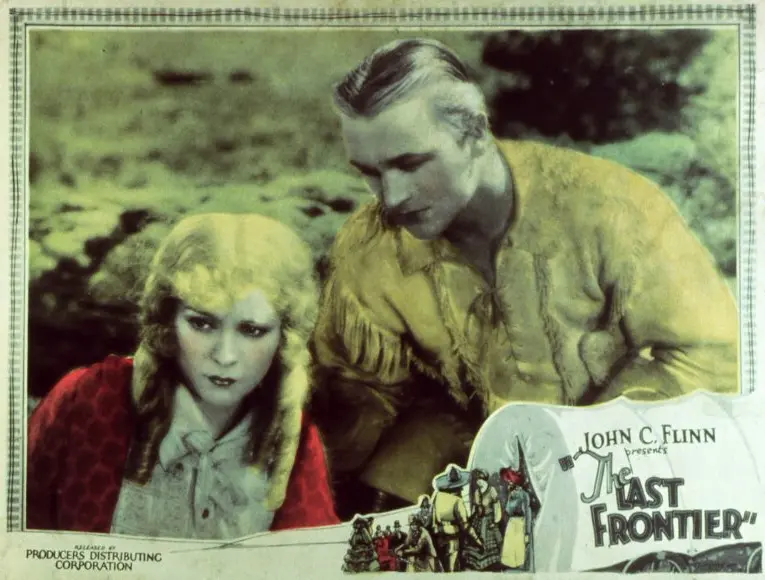
Before he became the clean-cut hero of the 1930s, William Boyd had a certain ruggedness that is on full display here. As Tom Kirby, he isn't the invincible scout we see in films like The Fear Fighter. He is a man caught between two worlds, mistrusted by the military and rejected by the woman he loves. Boyd uses his physicality well, often standing in a way that suggests he’s ready to bolt or fight at any second.
One specific scene stands out: when Kirby joins Custer’s scouting expedition. Boyd’s interactions with the soldiers aren't filled with the usual camaraderie. Instead, there is a palpable tension, a sense that he is an outsider even among his own kind. This adds a layer of isolation to the film that mirrors the vast, empty landscapes captured by the cinematography. It’s a performance of quiet desperation that anchors the more melodramatic elements of the plot.
We have to talk about the stampede. In an era where safety was an afterthought, the sequence of buffalo charging through the town of Salina is terrifying. This isn't just a few animals running past a camera; it’s a wall of muscle and dust that seems to swallow the set. You can see the actors—not stunt doubles, but the actual cast—scrambling for cover. The lack of control in this scene is palpable. It provides a visceral thrill that makes modern action sequences look like stage plays.
Compare this to the more controlled, stage-bound drama of Just Off Broadway. The Last Frontier thrives on the unpredictable nature of the outdoors. The way the dust chokes the frame, obscuring the actors and creating a sense of claustrophobia in an open space, is a brilliant use of the medium's limitations. It makes the frontier feel like an active antagonist, rather than just a backdrop.
Mitchell Lewis plays Lige Morris with a sneering, oily charm that makes him the perfect foil to Kirby’s stoicism. Morris is the quintessential frontier parasite—a man who profits from the chaos around him. His manipulation of Beth is cruel, not because he is a mustache-twirling villain, but because he uses her grief as a weapon. He tells her Kirby is in league with the Sioux, a lie that works because Beth is already looking for someone to blame.
This dynamic adds a psychological layer to the film that is often missing from silent Westerns. It’s not just a battle of guns; it’s a battle of narratives. Morris represents the corruption of the growing towns, while Kirby represents the harsh, honest reality of the wilderness. This conflict is even more interesting than the battles with the Sioux, as it speaks to the internal rot that comes with westward expansion.
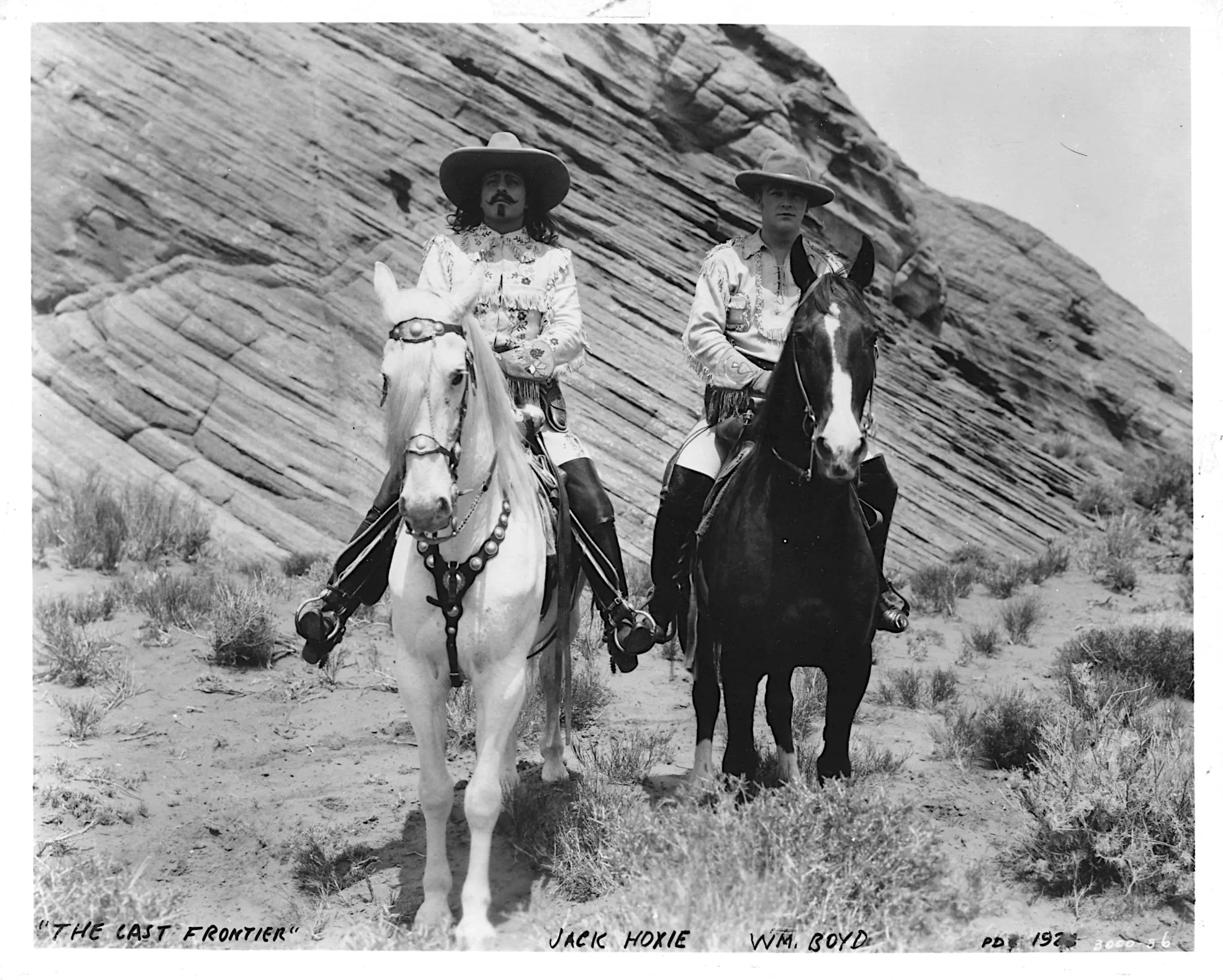
The inclusion of General Custer and the Sioux uprising places the film in a specific historical lineage, though it takes significant liberties with the timeline. The film treats Custer with the reverence typical of the 1920s, yet there is an underlying sense of doom that pervades his scenes. The Sioux, led by Pawnee Killer, are portrayed as a force of nature—unstoppable and vengeful. While the film lacks the cultural sensitivity we would expect today, it does present the conflict as a brutal, zero-sum game.
In many ways, the film feels like a darker companion to The Battle of Hearts. Where that film focuses on the emotional toll of conflict, The Last Frontier focuses on the physical and societal wreckage. The final battle isn't a clean victory; it is a chaotic mess of smoke and blood that leaves everyone changed. It’s a grim reminder that the "frontier" was built on the bones of those who failed to adapt.
Pros:
Cons:
The Last Frontier is a flawed, dusty, and occasionally brilliant piece of Western history. It works. But it’s flawed. The film’s greatest strength lies in its refusal to make the frontier look easy. It is a place of mud, blood, and stampedes. While the romantic plot feels like a relic of a bygone era, the action sequences feel surprisingly contemporary in their visceral impact.
If you can look past the outdated tropes, you will find a film that is much more ambitious than its peers, like Lucky Stars or The Moral Sinner. It is a movie that understands the weight of the landscape and the cost of the American dream. It is a punishing watch at times, but for those who love the grit of silent cinema, it is an essential one. It’s a reminder that before the West was won, it was a place where everyone, hero and villain alike, was just trying to survive the next ten minutes.
"A film that breathes the dust of the plains and the sweat of its actors, The Last Frontier is a brutal testament to the era of practical filmmaking."
IMDb 6.5
1928
Community
Log in to comment.