DbcultAccessing Vault...
Cult Review
Senior Film Conservator
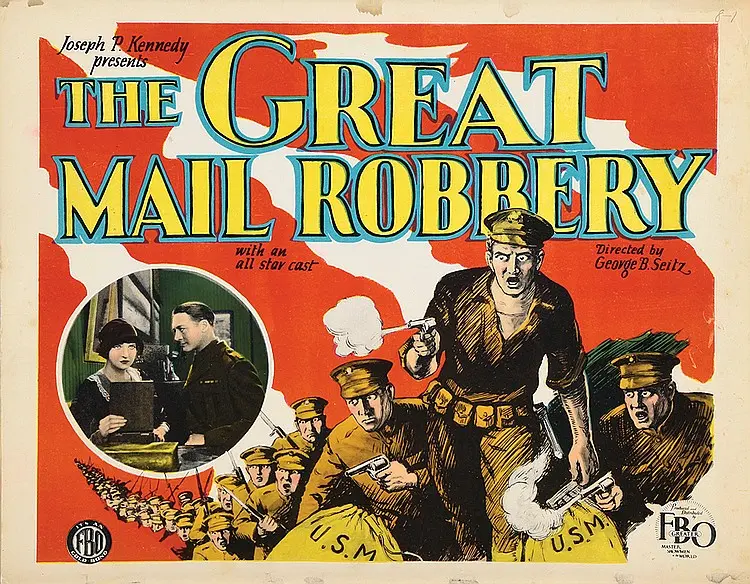
The Great Mail Robbery is a film for people who prefer looking at vintage treads and armored plating over nuanced facial expressions. It is a functional, somewhat clunky piece of action cinema that serves as a better recruitment poster for the U.S. Marines than it does a dramatic narrative. If you are looking for the emotional weight found in contemporaries like The Broken Violin, you will be disappointed. This is a movie about logistics and hardware.
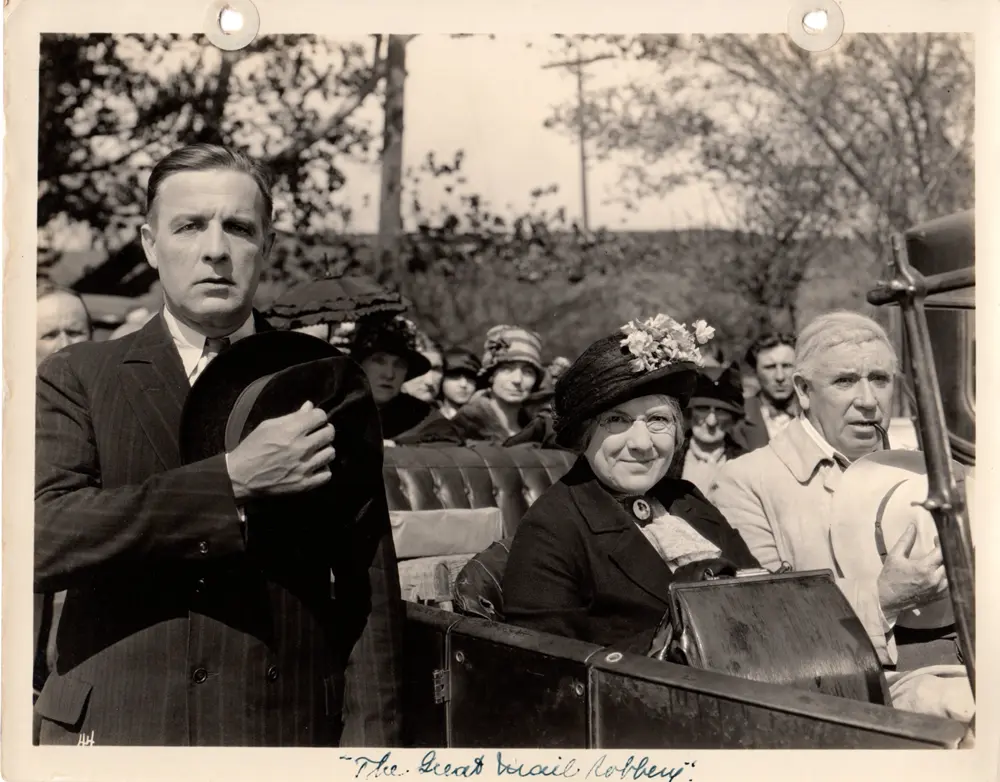
Yes, but only if you have a specific interest in the evolution of the action set-piece or pre-WWII military technology. For the casual viewer, the first half is a repetitive slog of planning and posturing that offers very little reward. However, for the genre enthusiast, the final act's use of actual tanks and coordinated military maneuvers provides a gritty, physical texture that modern CGI-heavy films can't replicate.

1) This film works because of its surprisingly aggressive use of military hardware and its refusal to stylize the violence.
2) This film fails because the human drama is as thin as the celluloid it is printed on, leaving the audience with no one to root for but the machinery.
3) You should watch it if you want to see how the 1920s imagined a high-stakes tactical heist without the benefit of modern editing tricks.
Director George B. Seitz was a man who understood the mechanics of the serial. He knew how to move a camera and how to stage a chase, but he clearly had no interest in the internal lives of his characters. Theodore von Eltz plays our lead Marine with a stiff, wooden authority that suggests he was reading his lines off a clipboard just out of frame. He is fine as a figurehead of government power, but he lacks the charisma seen in leads from The Crackerjack.
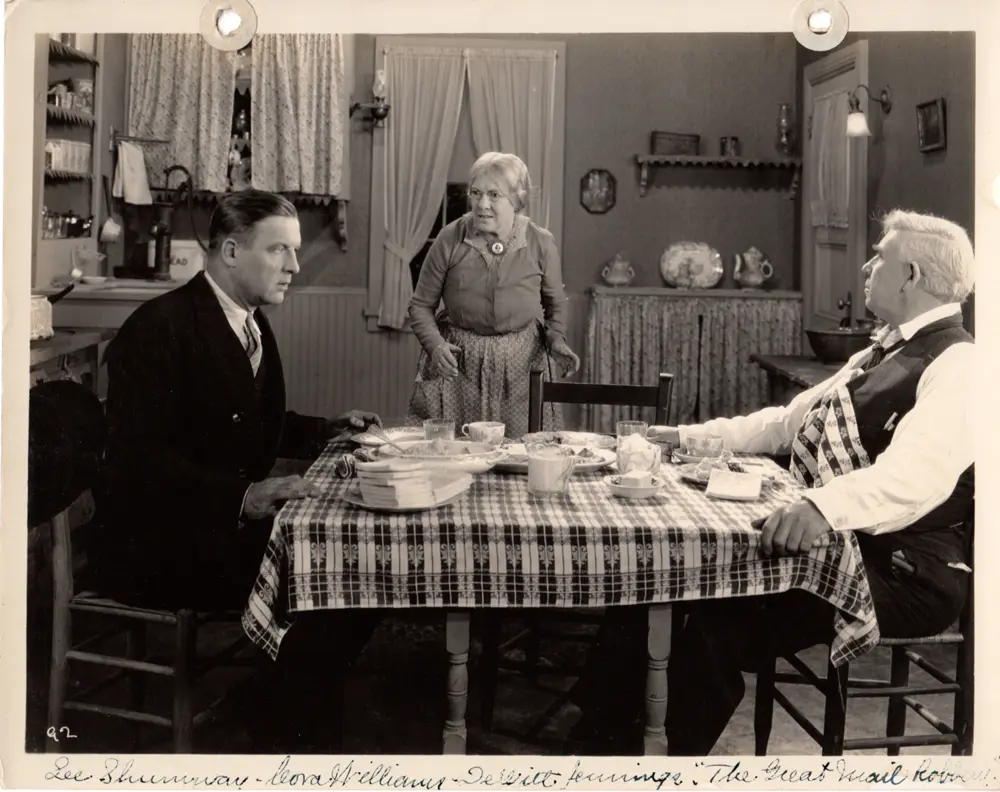
The real stars are the armored cars. In 1927, seeing these steel beasts on screen was the equivalent of seeing a superhero fly today. The film spends an inordinate amount of time showing the vehicles starting up, driving over rough terrain, and positioning themselves for battle. It’s fetishistic in its attention to mechanical detail. While this slows the pacing to a crawl for the first forty minutes, it pays off during the robbery attempt. The way the vehicles interact with the environment—crushing brush and navigating narrow dirt roads—gives the action a literal weight that is missing from more polished studio dramas of the era.

Merrill McCormick and the rest of the criminal gang are essentially faceless. They represent a generic "threat" rather than a specific antagonist. This is a debatable choice; some might argue it makes the film feel more like a procedural, but it robs the climax of any personal stakes. When the Marines eventually clash with the robbers, it feels less like a battle of wits and more like a pest control operation. There is no tension because the outcome is never in doubt. The government’s overwhelming force is the point, which makes the film feel slightly like a bureaucratic fever dream.
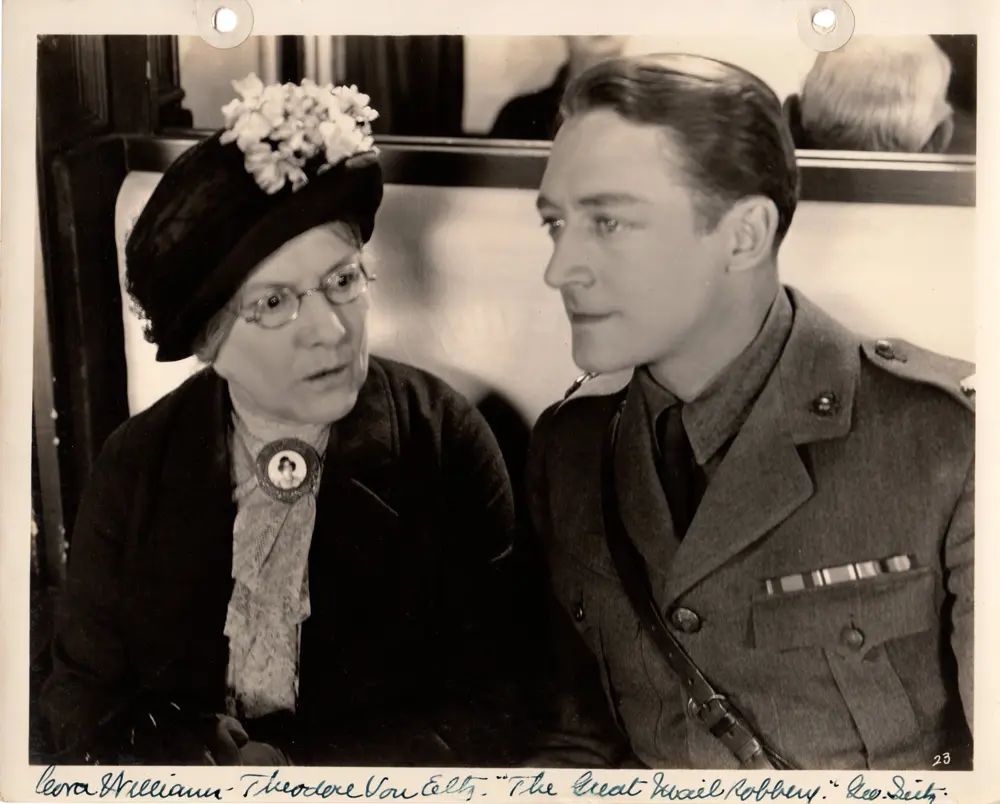
The writing by Peter Milne doesn't help. The dialogue—delivered via intertitles—is functional and dry. It exists purely to move the plot from point A to point B. There are no attempts at wit or deep thematic resonance. Compared to the espionage tension in The Spy, the script here feels like it was written by a committee of postal inspectors.
Seitz’s direction is at its best when the scale is large. He struggles with the intimate scenes, often leaving his actors standing in flat, uninspired compositions. But when the tanks roll out, the cinematography finds its purpose. The use of wide shots to show the scale of the pursuit is effective. It’s not pretty, and it’s certainly not art, but it is effective. The editing in the final ten minutes is surprisingly sharp, cutting between the robbers' desperate flight and the encroaching military force with a rhythm that almost makes you forget how bored you were during the second act.
The Great Mail Robbery is a primitive piece of action filmmaking that values metal over men. It’s a dry, occasionally tedious film that only comes alive when things start blowing up or breaking down. If you want a story about people, look elsewhere. If you want to see a 1927 tank crush a fence, this is your movie. It is a blunt instrument of a film, effective for what it is, but nothing more.
IMDb 6
1936
Community
Log in to comment.