DbcultAccessing Vault...
Cult Review
Senior Film Conservator
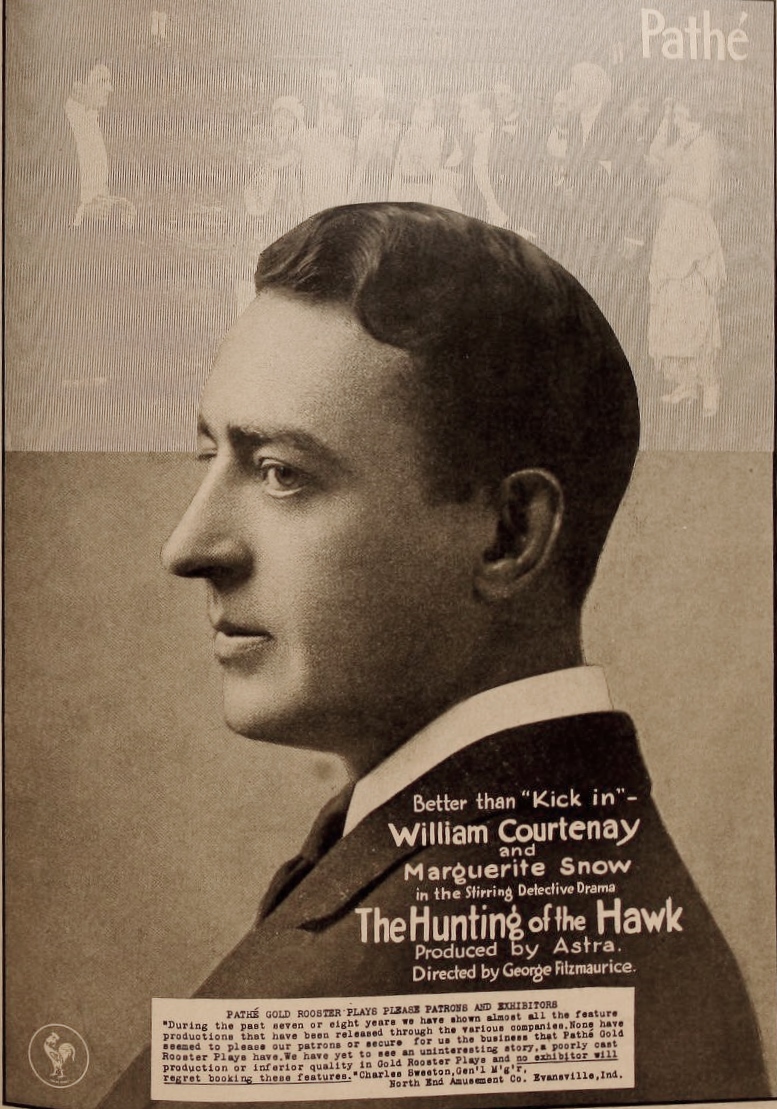
In the annals of early cinematic suspense, few directors captured the kinetic energy of the urban-to-oceanic transition quite like George B. Seitz. His 1917 offering, The Hunting of the Hawk, serves as a quintessential artifact of an era obsessed with the 'gentleman thief'—a trope that would eventually crystallize into the modern heist genre. This isn't merely a tale of larceny; it is a sprawling, multi-layered exploration of guilt, the fragility of the artisan class, and the predatory nature of the social elite. The film begins not on terra firma, but on the undulating swells of the Atlantic, aboard a mammoth liner that functions as a pressurized vessel for narrative tension. Here, we are introduced to the specter of 'The Hawk,' a phantom of the international underworld whose presence looms over the passengers like a gathering storm.
At the heart of this labyrinthine plot is Marguerite Snow as Diana Curran. Snow delivers a performance of profound interiority, a rarity in the often-exaggerated landscape of silent film. Diana is a woman defined by the shadow of her father, an engraver whose talent for precision became his ultimate downfall. In a sequence that mirrors the thematic weight of The Weavers of Life, we witness the slow-motion tragedy of an artist coerced into criminality. The manipulation of her father by Wrenshaw, a man masquerading as a Treasury official, is a masterclass in psychological chicanery. Seitz uses these early flashbacks not just for exposition, but to establish a pervasive sense of dread that Diana carries into her adult life as a secretary.
The tragedy of the 'duplicate plates' is a poignant commentary on the devaluation of craftsmanship in the face of industrial-scale greed. When the Secret Service raids their home, the resulting chaos—culminating in the death of her father and Diana’s erroneous belief that she has committed murder—shatters her identity. This psychological trauma makes her subsequent marriage to Wrenshaw even more chilling. It is a union born of desperation and deceit, a theme explored with similar gravitas in The Concealed Truth. Diana is not just a protagonist; she is a survivor of a specifically domestic kind of horror, hidden beneath the veneer of a crime thriller.
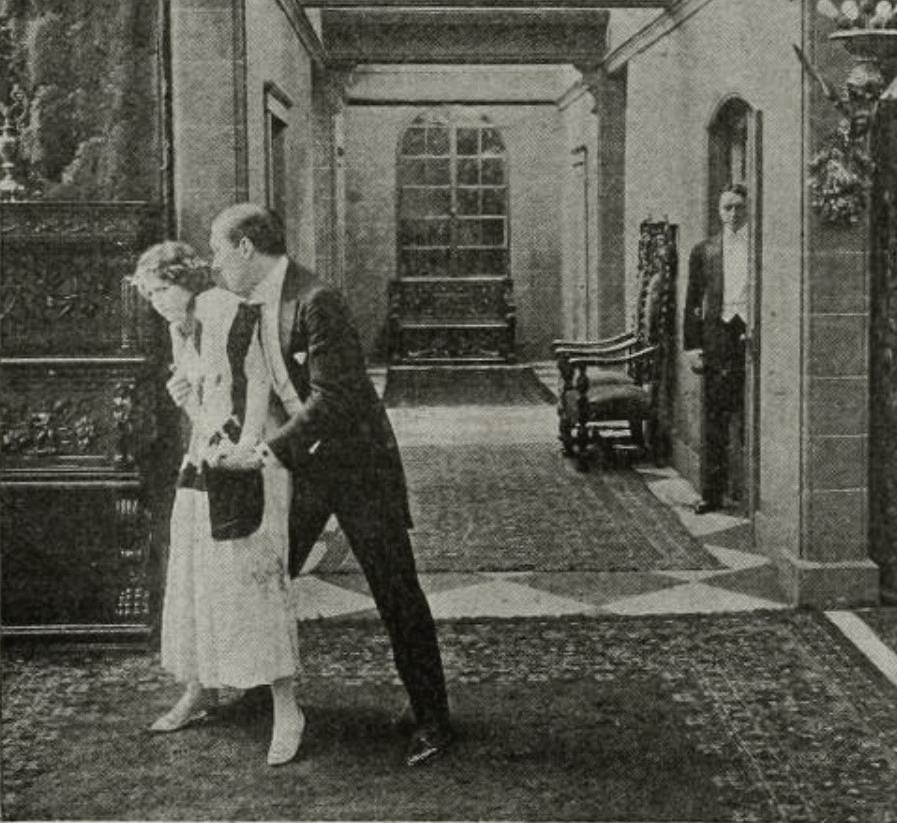
As the liner steams toward New York, the film shifts gears into a more traditional mystery. The introduction of Desselway, played with a charming yet inscrutable intensity by William Courtenay, adds a layer of romantic suspense. His proposal to Diana is abrupt, almost surreal, reflecting the heightened reality of the setting. Why does an 'unknown' offer marriage to a secretary? The answer lies in the film's title. The 'hunting' is not merely a physical pursuit but a social one. The ship becomes a stage where every character is wearing a mask, reminiscent of the identity games found in Monna Vanna.
Seitz’s direction here is remarkably fluid. He utilizes the confined spaces of the ocean liner to create a sense of claustrophobic luxury. Every glance shared over a dinner table or a stroll on the deck is laden with double meanings. Is Desselway the Hawk? Or is the Hawk someone hiding in plain sight? The audience's suspicion is constantly redirected, a technique Seitz perfected long before the advent of the modern whodunit. This level of narrative dexterity places the film on par with the suspenseful pacing of The Pursuing Shadow.
The narrative transition to the country estate is where the disparate threads of the plot begin to weave into a tight noose. The coincidence of Wrenshaw serving as the secretary to Diana’s mistress’ husband is a classic melodramatic device, yet Seitz grounds it in a sense of inevitable fate. The estate serves as a microcosm of the societal rot that the Hawk—and his pursuers—navigate. The presence of Wrenshaw’s gang among the domestic staff is a brilliant touch, subverting the safety of the upper-class home and echoing the class-conscious tensions seen in Cross Currents.
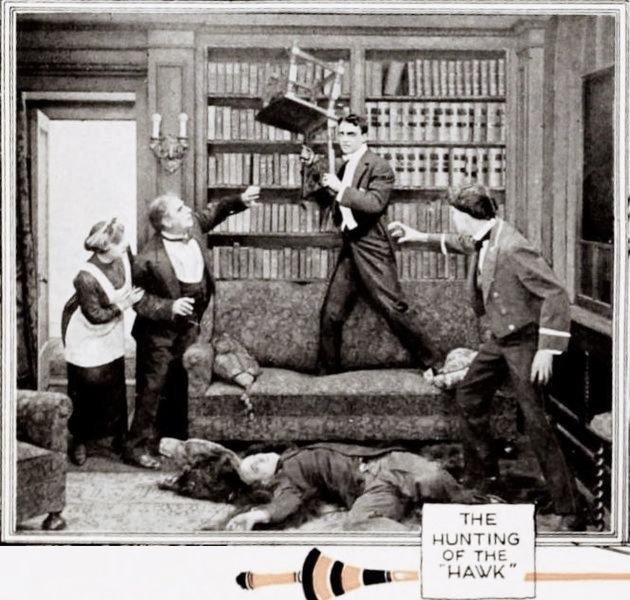
The focal point of the third act is a necklace, a shimmering MacGuffin that catalyzes the final confrontation. The 'necklace theft' is handled with a gritty realism that contrasts with the film's earlier romanticism. Desselway’s use of force to secure the jewelry reveals a darker, more pragmatic side to his character, forcing the audience to question the morality of our supposed hero. This ambiguity is what makes *The Hunting of the Hawk* so enduring; it refuses to provide easy answers about the nature of justice. It reminds one of the ethical complexities in The Debt, where the past acts as a ledger that must eventually be balanced.
From a technical standpoint, the film is a revelatory experience. George B. Seitz, known for his work on serials, brings a sense of momentum that was often lacking in contemporary features. His use of cross-cutting during the climax—where the escaped counterfeiter, Wrenshaw’s vengeful ghost from the past, closes in—is breathtaking. The cinematography captures the stark contrast between the luminous interiors of the estate and the dark, forbidding woods where the final chase occurs. This visual duality mirrors the internal struggle of Diana, caught between her desire for a new life and the 'black' memory of her supposed crime.
The death of Wrenshaw, shot through a window by a man he once betrayed, is a moment of pure poetic justice. It is a cinematic punctuation mark that signals the end of Diana’s nightmare. The revelation of the man Diana thought she had killed—still alive and present—is the final piece of the puzzle, a cathartic release that allows the film to conclude on a note of hard-won peace. This type of narrative resolution is far more satisfying than the tragic endings of films like Blazing Love or The Moth.
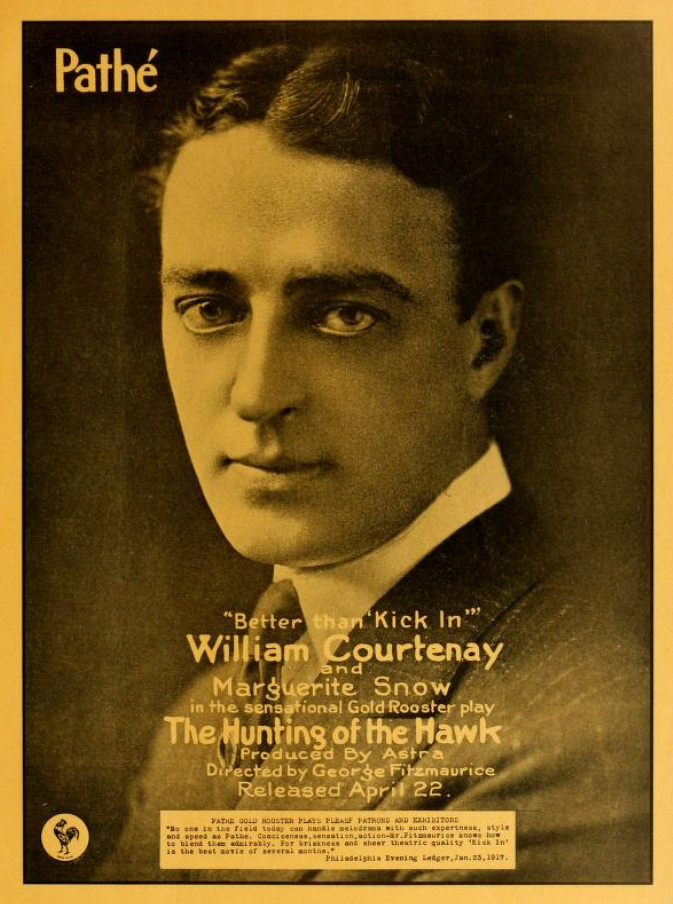
The Hunting of the Hawk stands as a testament to the sophistication of early American cinema. It manages to balance high-stakes action with a deeply personal story of a woman’s psychological liberation. The performance by Robert Clugston as the villainous Wrenshaw shouldn't be overlooked; he portrays a villainy that is both oily and terrifyingly plausible, a precursor to the noir antagonists of the 1940s. The film’s exploration of the 'underworld' as something that exists not just in the shadows, but in the very fabric of 'polite' society, is a theme that remains relevant today.
When compared to other films of the period, such as The Way Back or A Woman's Fight, Seitz’s work feels remarkably modern. There is a lack of sentimentality here that is refreshing. The film understands that the 'Hawk' is not just a person, but a symptom of a world where identity is fluid and survival often requires a degree of ruthlessness. For those interested in the evolution of the thriller, this is essential viewing. It bridges the gap between the Victorian melodrama and the fast-paced action cinema that Seitz would continue to pioneer.
Ultimately, The Hunting of the Hawk is a film about the power of the past to haunt the present, and the necessity of confronting those ghosts to find a future. It is a journey from the middle of the Atlantic to the heart of a moral labyrinth, and back out into the light. The final reveal of Desselway’s true character provides the perfect coda to a film that is as much about the 'hunt' for truth as it is about the hunt for a thief. Whether you are a fan of silent-era aesthetics or simply a lover of well-constructed mysteries, this film offers a rich, rewarding experience that transcends its century-old origins.
In the pantheon of 1917 releases, it stands alongside works like Over There and Valdemar Sejr as a pinnacle of storytelling ambition. It reminds us that even in the absence of spoken dialogue, the visual language of cinema is more than capable of conveying the most complex of human emotions and the most thrilling of adventures. The Hawk may be hunted, but the film itself is a prize worth capturing for any serious cinephile.
IMDb —
1929
Community
Log in to comment.