DbcultAccessing Vault...
7.1/10
Senior Film Conservator
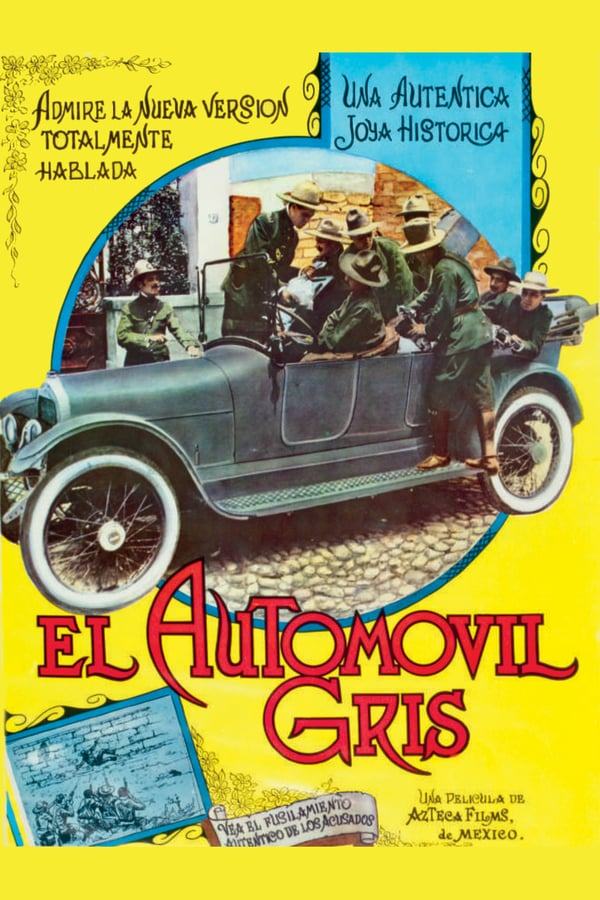
A definitive 7.1/10 rating for a film that redefined the boundaries of cult cinema. The Grey Automobile remains a cornerstone of transgressive art.
Before Scarface machine-gunned his way into America's consciousness, before Fritz Lang’s metallic metropolis birthed cinematic dystopias, Mexico City’s streets echoed with the predatory purr of a grey automobile. Director Enrique Rosas’ The Grey Automobile (1919) isn’t merely a crime film—it’s a sociopolitical autopsy conducted with the urgency of breaking news. Drawing from the infamous 1915 Automóvil Gris gang’s reign of terror, Rosas crafted a work that bleeds the ragged edges between documentary impulse and expressionist nightmare. The film’s genius lies in its tactile verisimilitude: real locations still smelling of cordite and revolution, stolen jewels gleaming under klieg lights like evidence in a police lineup, and the chilling participation of actual lawmen like Inspector Juan Manuel Cabrera playing themselves. This isn’t reconstruction; it’s embalmed hysteria.
Rosas’ camera exhibits a journalist’s clinical detachment paired with a poet’s sense of dread. Witness the Ballet Mécanique of cruelty in the famous Calle de Cadena robbery sequence: a single tracking shot follows the gang’s sedan gliding past Belle Époque facades, its elegance a perverse mockery of the violence within. The edit quickens as masked figures spill onto the pavement—not with the chaotic frenzy of later gangster films, but with the rhythmic efficiency of factory workers punching clocks. Mercedes Ferriz’s abduction scene achieves primal terror through soundless suggestion: fingers clawing at frosted glass, a gloved hand muffling a scream, the automobile’s door slamming shut like a coffin lid. Comparisons to The Caillaux Case feel inevitable—both dissect crime through societal lenses—but Rosas jettisons courtroom theatrics for street-level immediacy.
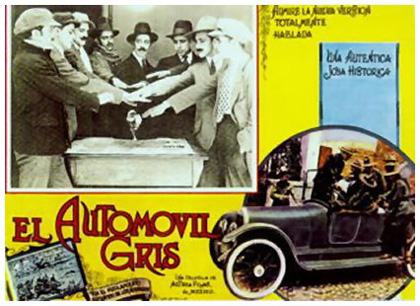
Inspector Cabrera (played by the real-life detective with startlingly stoic authenticity) emerges as cinema’s first anti-charismatic protagonist. Eschewing the deductive theatrics of Sherlock Holmes or the brutish swagger dominating American crime films like Pals First, Cabrera moves through plush drawing rooms and morgues with equal bureaucratic fatigue. His genius manifests in forensic minutiae—measuring tire tread patterns in mud, matching fabric fibers under magnification, decoding the gang’s taunting cipher notes with the grim focus of an archivist. In a masterstroke of casting realism, Rosas populated the police squad with actual detectives whose stiff gaits and weary eyes radiate authenticity absent from polished studio productions. When Cabrera finally corners gang leader Antonio Galé in a rain-lashed cantina, their confrontation lacks gunplay; instead, we get the crumpling resignation of a man outmaneuvered by paperwork.
More than mere transportation, the titular vehicle functions as Rosas’ most potent symbol of industrialised evil. Cinematographer José Manuel Ramos lenses it with fetishistic dread: chrome grilles grinning like skeletal teeth under moonlight, headlamps cutting through fog like searchlights in a prison yard, the chassis’ curves echoing both Art Nouveau elegance and predatory grace. Its appearances are consistently preceded by the rumble of off-screen engines—a sonic leitmotif predating Friday the 13th’s ki-ki-ki by six decades. The automobile becomes a mobile manifestation of modernity’s dark potential, contrasting starkly with the horse-drawn carriages of aristocratic victims. Rosas subtly indicts a nation hurtling toward progress without moral ballast—a theme later explored in European works like Der Weg, der zur Verdammnis führt, though without Mexico’s revolutionary context.
Beneath the procedural framework pulses a savage commentary on inequality. Rosas frames victims not as innocents, but as indolent elites sipping champagne while peasants starve beyond their gilded gates. María Teresa Montoya’s exquisite cameo as a kidnapped heiress—her pearls torn away in a close-up of disturbing intimacy—becomes less a tragedy than cosmic retribution. The gang’s brutality carries echoes of revolutionary fervor perverted into criminal enterprise; their hideouts aren’t urban flophouses but abandoned haciendas where frescoes of saints overlook torture sessions. This socio-economic texture distinguishes it from contemporaneous moralistic melodramas like Enlighten Thy Daughter. When authorities finally storm the gang’s lair, the montage juxtaposes recovered silk gowns with blood-stained pesos—a visual thesis on stolen privilege.
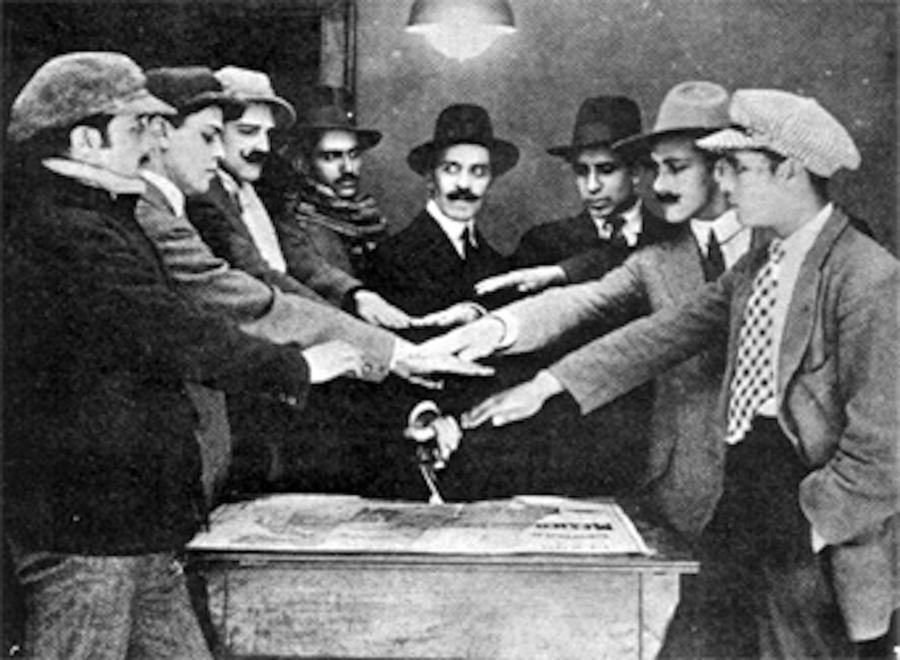
Ramos’ cinematography pioneers noir aesthetics decades before the term existed. Watch how interrogation scenes employ interrogative lighting: lone bulbs swinging above suspects, carving their faces into shifting maps of guilt and defiance. The use of claustrophobic compositions—doorways framing betrayals, barred windows segmenting escape routes—creates a perpetual sense of entrapment. Even crowd scenes feel perilously intimate, with extras’ anxious glances suggesting complicity. This geometric precision contrasts with the chaotic handheld shots during the Zócalo riot sequence—a daring technical flourish where the camera itself becomes a panicked bystander. Unlike the static tableau approach of Idle Wives or The Soup and the Fish Ball, Rosas’ visual language thrums with kinetic unease.
The film’s influence radiates like tire tracks across cinema history. Its melding of fact and fiction prefigures docudramas from The Brass Check to Zodiac, while its systematic deconstruction of criminal methodology establishes the procedural blueprint adopted by everything from Dragnet to True Detective. Even the gang’s theatrical disguises—monocled gentlemen concealing wolfish grins—find echoes in The Impersonation’s identity games. Yet The Grey Automobile remains stubbornly unique in its national specificity: the revolutionary backdrop, the Catholic iconography littering crime scenes, the mournful corridos implied through title cards. Its restoration in the 2000s revealed astonishing tonal layers—moments of bleak humor as detectives bumble, flashes of quasi-surrealism when dream sequences show automobiles morphing into hearses—solidifying its status as a kaleidoscope of dread.
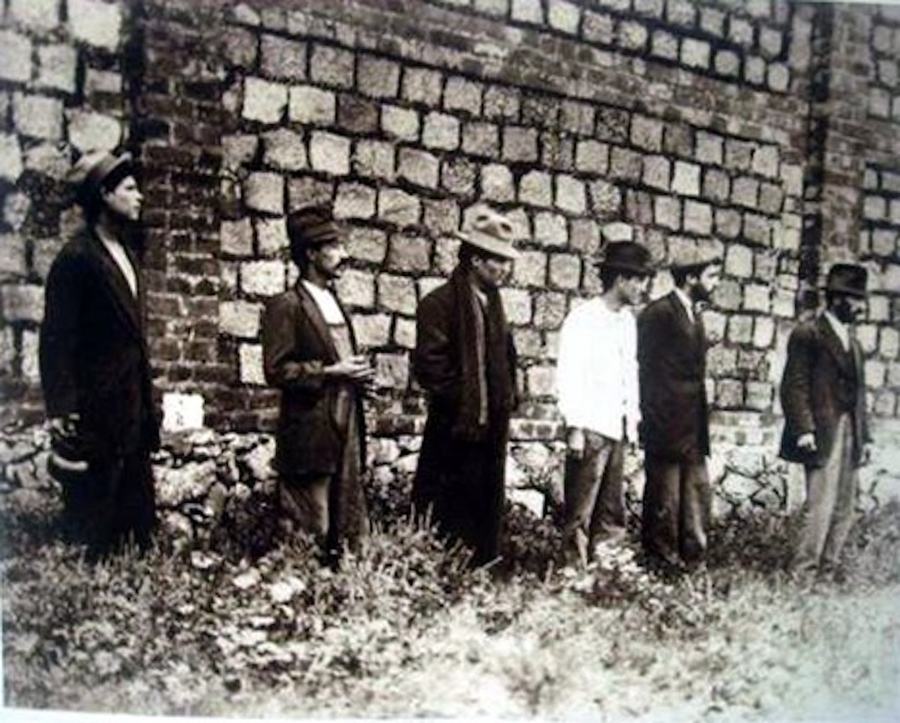
Modern viewers may grapple with the film’s moral ambiguities. Rosas avoids triumphalism; the final trial scene unfolds with oppressive banality. Gang members stare blankly from cages not unlike the ones that held Porfirio Díaz’s political prisoners, their fate sealed not by dramatic confession but bureaucratic ritual. The aristocrats’ return to complacency feels more damning than the crimes themselves. In this sense, The Grey Automobile anticipates the existential exhaustion of The Waybacks rather than offering cathartic closure. Its power lingers not in resolution, but in its vision of society as a broken engine—sputtering, smoking, yet somehow still propelling itself toward the next calamity. The grey automobile was captured, but its specter still haunts the crossroads where progress and savagery collide.
IMDb 5.9
1932
Community
Log in to comment.