DbcultAccessing Vault...
6.2/10
Senior Film Conservator
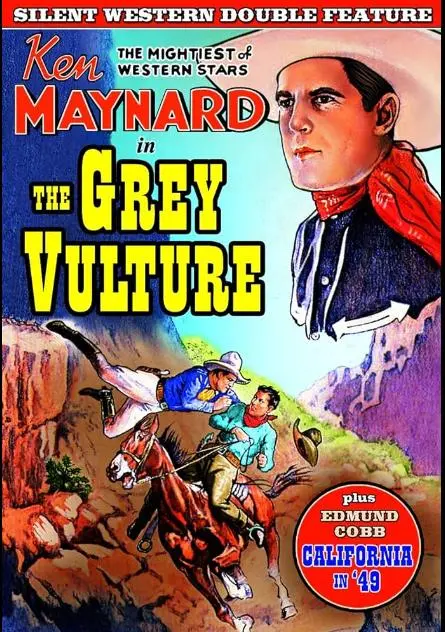
A definitive 6.2/10 rating for a film that redefined the boundaries of cult cinema. The Grey Vulture remains a cornerstone of transgressive art.
Is The Grey Vulture a hidden gem of the silent Western era? Short answer: yes, but only if you value physical spectacle over a coherent, logical screenplay.
This film is specifically for fans of 1920s stunt-heavy cinema and those who want to see Ken Maynard at the height of his athletic prowess. It is definitely NOT for viewers who require nuanced character development or a plot that doesn't rely on massive coincidences.
1) This film works because Ken Maynard and his horse, Tarzan, possess a kinetic chemistry that modern CGI-heavy Westerns simply cannot replicate. 2) This film fails because the antagonist's plot involving a 'corrupt lawyer' feels more like a legal procedural gone wrong than a high-stakes frontier drama. 3) You should watch it if you want to understand how the 'B-Western' archetype was forged through sheer physical grit.
Yes, The Grey Vulture is worth your time if you are a student of film history or a fan of practical stunts. Unlike many of its contemporaries, the film doesn't take itself too seriously, which makes the viewing experience surprisingly breezy.
The action sequences are the primary draw. When Ken Maynard is on screen, the energy shifts from a standard melodrama to a high-octane display of horsemanship. If you are looking for deep emotional resonance, you won't find it here, but you will find a raw, unpolished charm that is missing from later, more sanitized Westerns.
The film opens with a refreshing subversion of the Western hero trope. Bart Miller is not a stoic lawman or a vengeful drifter. He is a slacker. He gets fired from his job for shirking duties, a relatable character trait that humanizes him immediately.
This 'Knight of the Plains' title is treated with a wink and a nod. In the opening scenes, Maynard plays Bart with a nonchalant swagger that feels modern. He isn't looking for trouble; he’s looking for a nap. This stands in stark contrast to the protagonists in The Texas Trail, who often feel burdened by their nobility from the first frame.
The moment Bart stumbles upon the stagecoach robbery, his transition from lazy ranch hand to savior is seamless. It’s not a moral awakening; it’s an instinctive reaction. This makes the character more interesting than the standard 'white hat' hero found in films like Rarin' to Go.
The real star of the film isn't the script—it’s the physics. Ken Maynard was a circus performer before he was a movie star, and it shows in every frame. The way he mounts a horse while it's in full gallop isn't just a trick; it's a narrative tool that demonstrates his dominance over the environment.
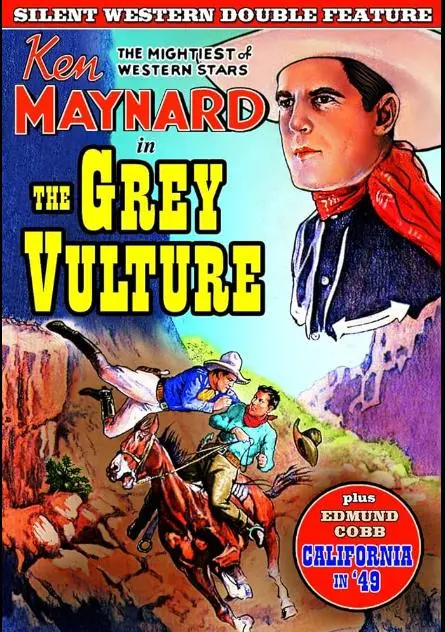
Take, for example, the rescue of Betty Taylor. The camera stays wide, allowing the audience to see that there are no stunt doubles or trick cuts. Maynard is doing the work. This level of authenticity provides a visceral thrill that keeps the pacing from sagging, even when the dialogue cards get wordy.
Tarzan, the horse, deserves his own billing. In many scenes, the horse seems more aware of the danger than the human characters. The bond between the two is the emotional core of the film, far surpassing the romantic subplot between Bart and Betty. It is a dynamic we also see in Cupid's Roundup, but here it feels more grounded in the gritty reality of ranch life.
The film’s primary weakness lies in its villains. The 'Grey Vulture' of the title refers to Harkness, the corrupt lawyer. While the idea of a legal predator in the Wild West is a great concept, the execution is flat. Harkness and the foreman, Luke Hatton, spend too much time plotting in dark rooms and not enough time being a genuine threat to Bart.
The conspiracy to rustle the herd feels convoluted. In a film that relies so heavily on physical action, the pivot to a legal battle over land rights feels like a jarring tonal shift. It lacks the punch found in the moral dilemmas of The Cost. One can’t help but wish the villains were as physically imposing as Maynard himself.
However, the final confrontation does manage to bring these two worlds together. When the lawyer's schemes finally crumble, the resolution is satisfyingly violent. It works. But it’s flawed. The journey to get there involves a few too many scenes of men looking at papers and scowling.
Director George Hively knows exactly what his audience wants. He keeps the camera moving during the chases and uses the natural landscape of the plains to frame Bart as a solitary figure against an untamed world. The cinematography doesn't try to be poetic; it tries to be clear.
There is an unconventional observation to be made about the film's use of 'the pretty girlfriends.' Usually, in Westerns of this era, you have one damsel. Here, we have a group. This creates a strange, almost musical-comedy vibe in the middle of a Western, as Bart has to navigate a flock of city girls in the middle of a dusty ranch. It’s a bizarre choice that actually works to lighten the mood.
The pacing is generally excellent, though it does stutter during the second act. If you compare it to the tight editing of What Happened to Jones, you can see where Hively struggled to balance the romance with the rustling plot. Still, the film never feels truly stagnant.
The Grey Vulture is a testament to the power of the physical performer. While the script by George Hively is a bit of a patchwork quilt of Western tropes, Ken Maynard’s screen presence is undeniable. He brings a casual, athletic energy that makes the film feel less like a museum piece and more like a living, breathing adventure.
"It is a film that values the sweat of a horse over the ink of a lawyer, and in the world of the 1920s Western, that was exactly what the audience needed."
If you can overlook the clunky legal drama and focus on the dusty, high-speed chases, you will find a film that is genuinely entertaining. It isn't a profound meditation on the human condition, but it is a damn good time at the movies. The horse acts better than the humans, the stunts are real, and the hero is a slacker. What more could you want?
IMDb —
1924
Community
Log in to comment.