DbcultAccessing Vault...
Cult Review
Senior Film Conservator
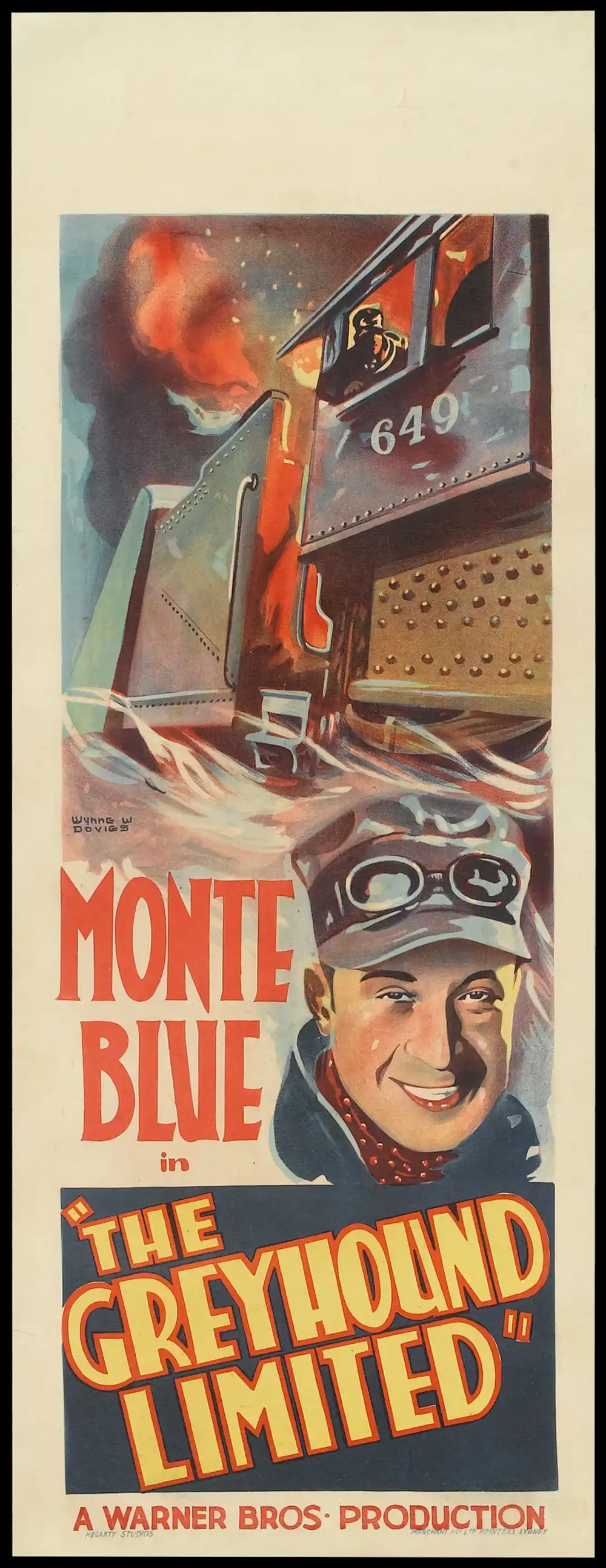
Alright, so 'The Greyhound Limited' from way back when… is it worth pulling up today? Well, if you’re someone who loves diving into silent-era dramas, especially ones with a good dose of melodrama and a train or two, then yeah, probably. You’ll get a kick out of it. If you’re looking for modern pacing or subtle performances, this one might feel a bit like watching paint dry, but man, does it deliver on the dramatic beats. 🚂
The whole thing starts with Lew Harvey’s engineer and Ernest Shields’ fireman. They’re these classic movie best friends, all smiles and back-slapping. You really get a sense of their easygoing bond right from the first few scenes. They’re just two guys doing their job, having a laugh. It’s actually quite sweet to watch how close they are.
Then enters Edna Murphy’s character. The plot describes her as 'trampy,' and the film certainly paints her as trouble, even if it’s more through sly glances and dramatic posing than anything truly explicit. She’s got this way of looking at Shields’ character that just screams **bad news**, and Harvey’s character sees it instantly. His attempt to warn his friend, to break up this budding romance, feels genuinely motivated by care. But of course, it blows up in his face. It’s one of those classic movie moments where you know the hero is right, but the other guy just can’t see it.
After that, everything just kinda… spirals for the fireman. His life starts to fall apart pretty quickly. It’s a rapid descent, almost like the movie is saying, “See? We told you so!” One minute he’s got a job, a friend, a life. The next, he’s down and out, alone. The film doesn't waste much time showing the slow decay; it's more like a series of quick, punchy scenes that get the point across: this guy is struggling.
And then, wham! A murder happens. And wouldn't you know it, the fireman gets blamed. This is where the movie really picks up steam, no pun intended. The trial scenes are a whirlwind. You’re watching the lawyer, the witnesses, and you just feel this crushing sense of injustice. The way they cut between the courtroom drama and the engineer's frantic thoughts… it builds this real sense of urgency. You can almost feel the clock ticking, even though there’s no actual clock on screen. It's a silent film, after all. ⏳
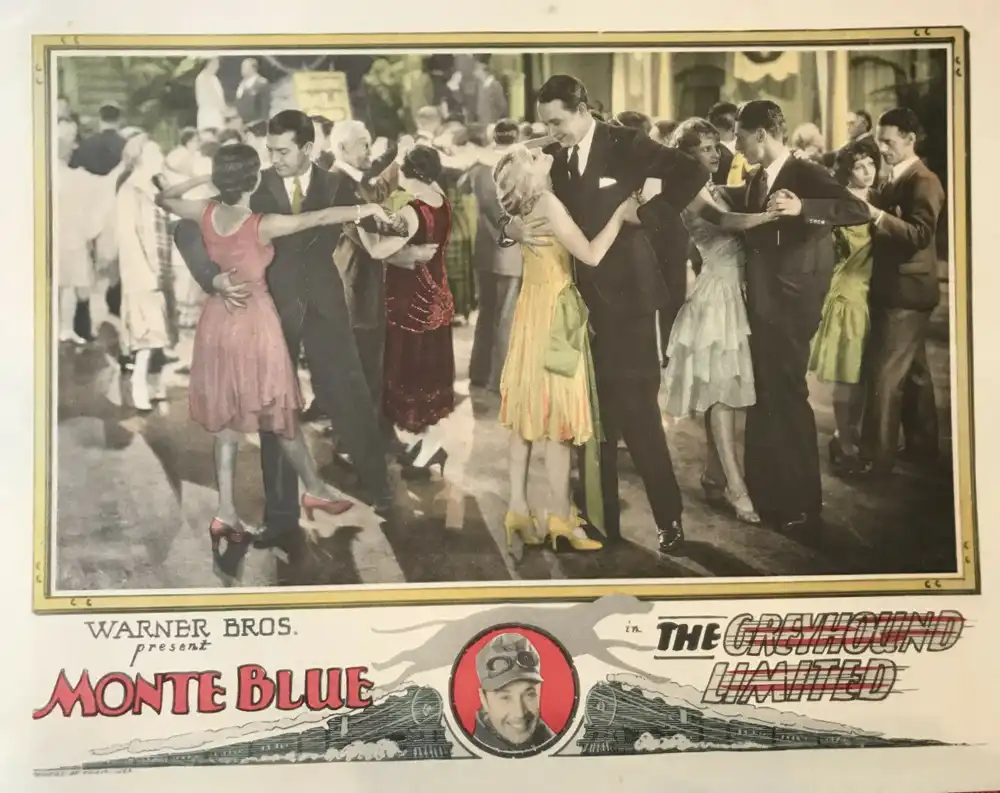
Scott Seaton plays one of the characters, I think a detective or maybe a foreman? Anyway, he has this one scene where he just *stares* at the evidence for a solid ten seconds, eyes darting back and forth. It’s meant to convey deep thought, but it goes on just long enough to make you wonder if he forgot his line, even though there are no lines. It’s these little, slightly awkward moments that make old movies so charmingly human.
Once the fireman is convicted and sentenced to death, the engineer, played by Harvey, springs into action. His transformation from a concerned friend to a relentless detective is pretty stark. He's not exactly Sherlock Holmes, but he’s got a good heart and a stubborn streak. He goes looking for clues, following leads that sometimes feel a little too convenient, but hey, it’s a silent film, you gotta move the plot along!
There’s a part where he’s chasing down a suspect, and it’s mostly just quick cuts of him running down streets. It’s not the most thrilling chase scene by modern standards, but the *intensity* in Harvey’s face really sells it. He’s sweating, he’s determined. You can feel him pushing himself, not just for his friend, but for the principle of it all. The stakes feel real, even if the execution is a bit quaint.
The actual train sequences are pretty good for the time. They use real trains, obviously, and there are some cool shots from the engine cab. You get a sense of the power and speed of these machines. It adds a nice authentic touch to the whole railroad setting, which could have just been a backdrop. Instead, the trains feel like characters themselves, carrying these heavy stories along. There’s a specific shot of the wheels grinding against the tracks, and you can practically hear it, even in silence.
One small thing I noticed: Lucy Beaumont, who plays, I think, a concerned mother figure, has this one tiny scene where she just sighs, a deep, weary sigh. It's so quick, but it conveys *so much* without a single intertitle. It’s a powerful bit of acting that you could easily miss if you blinked. Sometimes, the quiet moments hit harder than all the dramatic yelling (which, let’s be honest, there’s plenty of here).
This film is a bit of a relic, sure. But it’s a surprisingly engaging one. It shows how quickly lives could turn upside down back then, and how loyalty, when pushed to its limits, can make people do incredible things. It might not be a masterpiece, but it’s a **solid** entry into the silent melodrama canon. You finish it feeling like you’ve been on a journey, a *fast* one, like a greyhound, maybe. 🐕
IMDb 6.2
1937
Community
Log in to comment.