DbcultAccessing Vault...
Cult Review
Senior Film Conservator
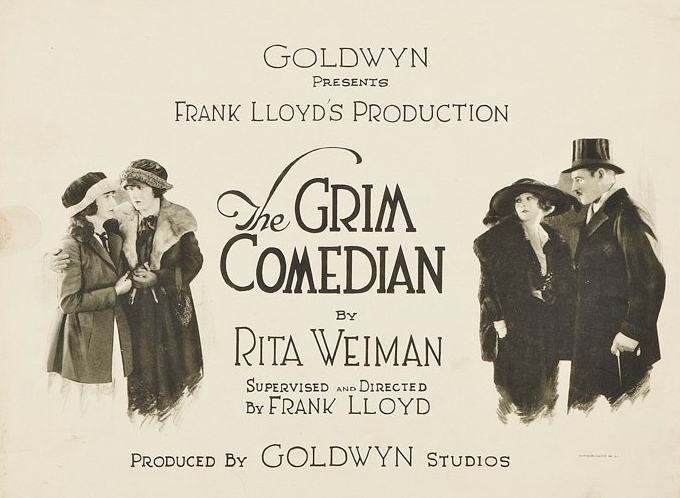
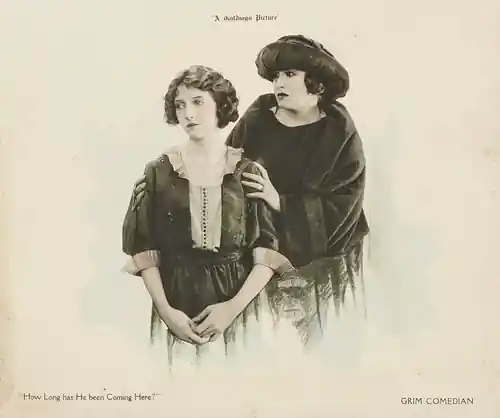
The Grim Comedian is a film that masterfully weaves a complex narrative, replete with themes of maternal devotion, sacrifice, and the transformative power of love. As the story unfolds, we are introduced to Marie Lamonte, a renowned musical comedy star, who has been living a life of luxury with her paramour, Harvey Martin. However, with the impending return of her daughter, Dorothy, from a convent school, Marie is compelled to reevaluate her priorities and make a choice between her career and her role as a mother.
The film's narrative is a nuanced exploration of the human condition, with each character navigating their own unique struggles and conflicts. Marie's decision to relinquish her luxurious lifestyle and devote herself to her daughter's well-being is a poignant testament to the enduring power of maternal love. As she settles into her new life, Marie finds herself at odds with Martin, who seeks to exploit Dorothy's innocence and naivety for his own selfish desires.
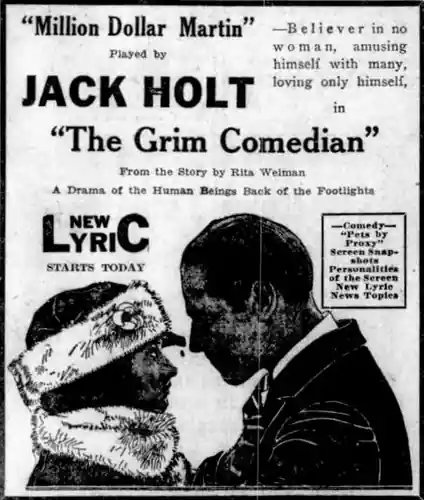
The character of Martin is a fascinating study in contrasts, embodying both the charming, charismatic persona of a seasoned lover and the ruthless, manipulative tendencies of a predator. His interactions with Marie and Dorothy serve as a catalyst for the film's dramatic tension, as the audience is left questioning the true nature of his intentions and the consequences of his actions. The similarities with The Spender are striking, as both films feature a central character grappling with the moral implications of their actions.
As the story reaches its climax, Marie's desperation and devotion are put to the ultimate test. Her decision to shoot at Martin is a heart-wrenching moment of reckoning, one that serves as a turning point in the narrative and sets in motion a chain of events that will ultimately lead to the film's poignant conclusion. The themes of love and sacrifice that permeate the film are reminiscent of Wedlock, as both stories feature characters who must navigate the complexities of relationships and the consequences of their choices.
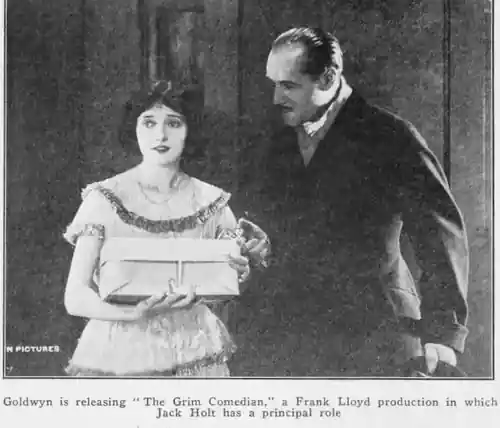
The film's conclusion is a masterful blend of drama and pathos, as Marie's actions ultimately lead to the redemption of Martin and the reunion of Dorothy with her beloved Geoffrey Hutchins. The final scenes are a testament to the enduring power of love and forgiveness, as the characters come to terms with their past mistakes and look towards a brighter, more hopeful future. The similarities with The Great Day are notable, as both films feature a narrative that builds towards a dramatic, emotionally charged conclusion.
In terms of its technical merits, The Grim Comedian is a film that boasts a number of impressive attributes. The cinematography is crisp and well-composed, with a keen attention to detail that adds depth and texture to the narrative. The performances, too, are noteworthy, with Gloria Hope delivering a standout portrayal of Marie Lamonte. Her character's emotional journey is deeply nuanced and multifaceted, and Hope brings a level of depth and complexity to the role that is truly remarkable.
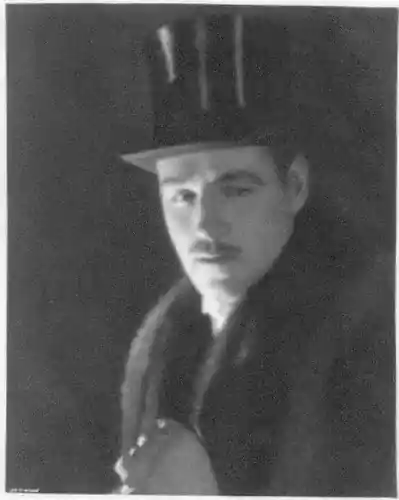
The film's themes and motifs are also worthy of note, as they add a layer of depth and sophistication to the narrative. The exploration of maternal devotion, for example, is a powerful and poignant one, and serves as a testament to the enduring power of a mother's love. The similarities with Das Spiel ist aus are striking, as both films feature a narrative that explores the complexities of relationships and the consequences of one's actions.
In conclusion, The Grim Comedian is a film that is both a product of its time and a timeless classic. Its exploration of universal themes and motifs, combined with its technical merits and impressive performances, make it a must-see for fans of the genre. As a work of cinematic art, it is a testament to the power of storytelling and the enduring appeal of the human experience. The similarities with The Make-Believe Wife are notable, as both films feature a narrative that explores the complexities of relationships and the consequences of one's choices.
The influence of The New York Idea can also be seen in the film's exploration of the social conventions and moral codes that govern human behavior. The similarities with The Woman in Politics are striking, as both films feature a strong female protagonist who must navigate a complex web of relationships and societal expectations.
Overall, The Grim Comedian is a film that is both a relic of the past and a timeless work of art. Its exploration of universal themes and motifs, combined with its technical merits and impressive performances, make it a must-see for fans of the genre. As a work of cinematic art, it is a testament to the power of storytelling and the enduring appeal of the human experience. The similarities with Betrayed are notable, as both films feature a narrative that explores the complexities of relationships and the consequences of one's actions.
In comparison to other films of the era, such as The Thumb Print and Life's a Funny Proposition, The Grim Comedian stands out for its nuanced exploration of the human condition. The film's themes and motifs are deeply rooted in the human experience, and its characters are multidimensional and relatable. The similarities with A Trick of Fate are striking, as both films feature a narrative that explores the complexities of relationships and the consequences of one's choices.
The influence of The Land of Promise can also be seen in the film's exploration of the social conventions and moral codes that govern human behavior. The similarities with Energetic Eva are notable, as both films feature a strong female protagonist who must navigate a complex web of relationships and societal expectations.
In terms of its historical significance, The Grim Comedian is a film that provides a fascinating glimpse into the social and cultural norms of the era in which it was produced. The film's exploration of themes such as maternal devotion, sacrifice, and redemption are deeply rooted in the cultural and historical context of the time. The similarities with An Elephant's Nightmare are striking, as both films feature a narrative that explores the complexities of relationships and the consequences of one's actions.
IMDb 3.5
1936
Community
Log in to comment.