DbcultAccessing Vault...
Cult Review
Senior Film Conservator
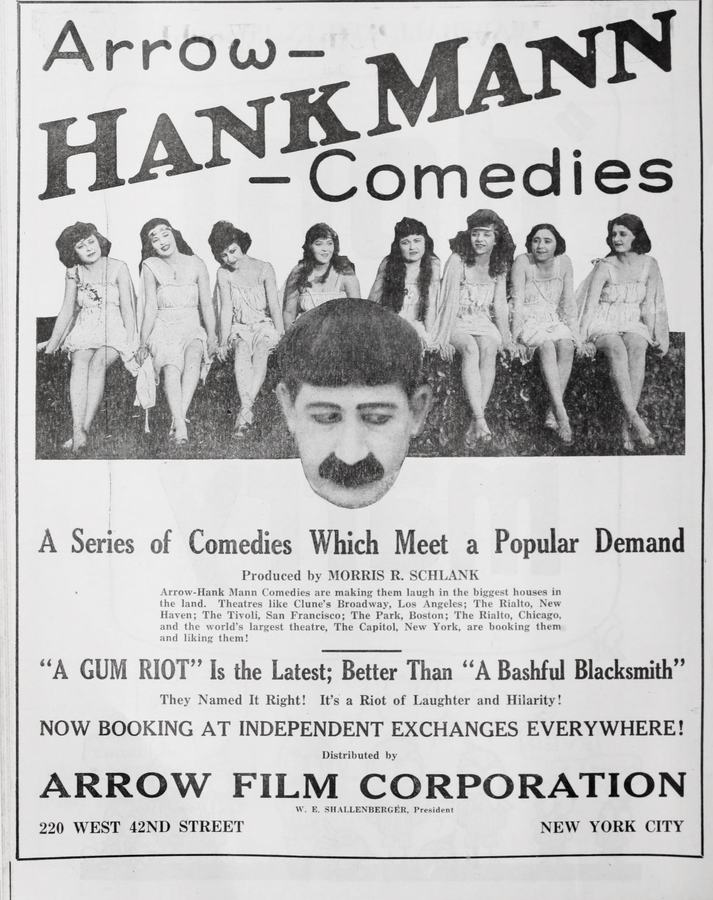
Picture a cathedral of chrome and sugar, its nave echoing with the hymn of conveyor belts. Into this sanctum of propriety, a single amber droplet falls—illicit, anarchic, alchemical. Overnight, the sacrament becomes sin; the wafer, whiskey. The Gum Riot understands that comedy is theology inverted: paradise regained through a bootlegger’s fumble.
The camera, drunk on its own mobility, glides past cogs that resemble stained-glass rose windows. Each gear’s revolution is a liturgical chant; each wrapper’s crinkle, a penitent’s whisper. When the moonshine seeps in, the gears slow, as though the machinery itself has developed a palate and decided to savor. Workers’ limbs loosen in stop-motion pirouettes, their bodies no longer extensions of the assembly line but graffiti scrawled across it. The factory, once a monument to Fordian order, becomes a Baroque chapel where every surface oozes pink psalms of inebriation.
Madge Kirby, often relegated to wide-eyed ingenues, here weaponizes her iris—those twin spotlights—into searchlights of mischief. She enters chewing innocently, then, once the proof hits, arches an eyebrow like a conductor raising a baton for a jazz-age overture. Notice how her gait shifts from two-dimensional skip to cubist zigzag, each step a syncopated note that mocks the Taylorist gospel of efficiency. She embodies the flapper as saboteur: not merely defying Prohibition but the entire assembly-line metaphysic that would reduce her to another interchangeable part.
Where The Garage revels in petroleum slapstick and The Oyster Princess skewers aristocratic gluttony, The Gum Riot targets the sanctum of American productivity itself. Its nearest spiritual cousin is Back to the Woods (1919), where wilderness anarchy upends social hierarchy; yet here the wilderness is inside the machine, a viral dose of carnival that liquefies class strata faster than you can say “speakeasy.”
Watch for the match-cut that swaps a bubbling vat with a bustling dancefloor—two spheres of fermentation, one chemical, one social. The film’s under-cranking is not mere speed but a visual hangover: frames skip like heart palpitations, replicating the gum-chewers’ dizziness. Meanwhile, intertitles arrive in rhyming couplets that scan like tavern doggerel: "Chew on, ye sons of toil and grief / Let liquor lace your boldest beef!" Such textual moonshine reminds us that even the captions are drunk.
Though shot in black-and-white, the film survives in a tinted print where the climactic deluge is hand-painted a lurid fuchsia. The hue sears the retina like cheap gin, a synesthetic dare that makes you swear you can taste bubblegum on every splash. This feverish pink anticipates the Technicolor orgies of Das große Los by a decade, yet its very crudeness—brushstrokes visible—feels more rebellious, as though the workers themselves vandalized the celluloid.
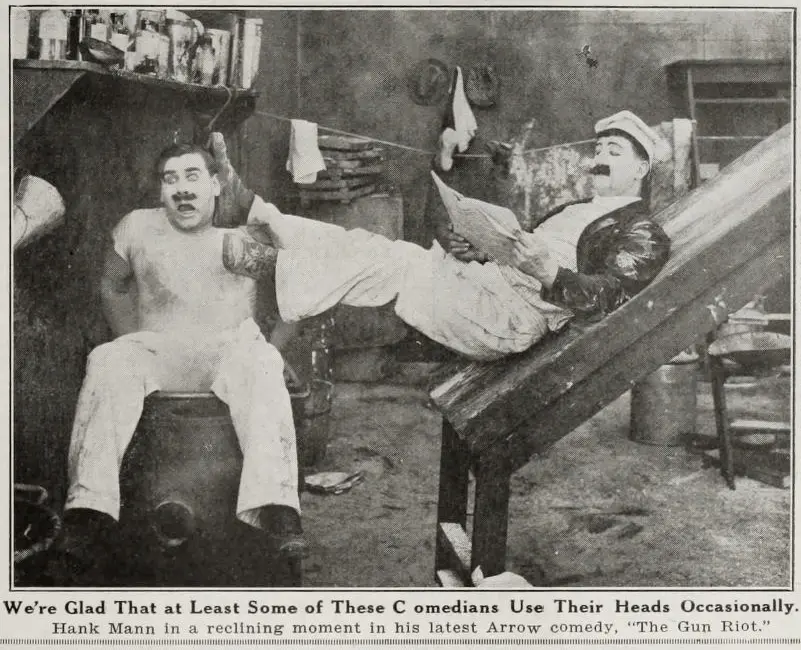
Prohibition created a nation of clandestine chemists; The Gum Riot simply transposes that laboratory to a sweetshop. The gag of accidental intoxication literalizes contemporary anxieties: if the state can outlaw liquids, liquids will outfox the state. Each laugh is a pocket-sized rebellion, a speakeasy door creaking open in the viewer’s subconscious. Historians of labor will note that the film premiered mere months after a major Chicago confectionery strike, making its fantastical mutiny a celluloid echo of very real shop-floor insurgencies.
Most extant copies lack the penultimate reel, reportedly seized by a censor board convinced the film was a “priming manual for Bolshevik sabotage.” Surviving frames end mid-orgy, just as the foreman’s safe bursts open to reveal not payroll but thousands of prohibition pamphlets—an image too incendiary for 1920 moral guardians. The abrupt truncation ironically heightens the riot’s utopian charge: we never witness the hangover, the pink tide receding to reveal broken bodies and broken machines. The missing reel keeps the dream untainted, forever fermenting.
Hank Mann, veteran of custard-pie trench warfare, here weaponizes his elastic brows like twin exclamation marks. Watch him attempt quality control: he chews, pauses, eyes widening in a slow-motion epiphany that ripples outward from cornea to fingertip to kneecap until his whole frame jitterbugs like a marionette on amphetamines. Vernon Dent, usually the burly foil, plays a temperance preacher whose sobriety shatters mid-sermon; his voice (via intertitle) modulates from Shakespearean thunder to back-alley hiccup in a single splice. Jess Weldon, as the bootlegger, carries the guilt of the accidental messiah—each smirk tinged with the terror of discovery, a performance pitched at the crossroads of farce and film-noir fatalism.
Modern revivals often score the riot with hot-jazz 78s, but the original exhibitors reportedly hired a barrel-organ troupe, whose oompah wheeze mirrored the factory’s mechanical cadences. Contemporary accompanists should swap brass for kalimba and typewriter clacks—let the score itself feel chewed, stretched, re-purposed. Only then does the film’s central joke land: that capital’s rhythms can be hacked, looped, and spit back as carnival.
Chewing gum, marketed as dental virtue, was coded feminine in ads of the era. By lacing it with liquor, the film queers that propriety: women masticate madness in open-mouthed defiance of ladylike nibbles. Kirby’s final image—blowing a bubble so large it eclipses her face, then pops—reads as both climax and castration of the male gaze. The bubble is a translucent moon, a temporary autonomous zone where her visage, and by extension her subjectivity, can’t be pinned.
A century on, gig apps time our bathroom breaks and Amazon patents wristbands that vibrate when workers slow. Against such algorithmic sobriety, the film’s fantasy—an assembly line gone deliciously haywire—feels like oxygen. Each viewing is a subversive chew, releasing micro-doses of historical memory: that rules are soluble, that the line can wobble, that sometimes all it takes is one clandestine drop to turn the whole vat into champagne. Stream it when the world feels bubblegum-bland; let it fizz behind your eyes until you, too, riot—if only in the privacy of your own spit.
Archive.org hosts a 4K scan of the surviving reels, though you’ll need to supply your own prohibition-era cocktail. criterionchannel.com rotates a restored print every July during its “Silent Shenanigans” collection. Pair with a grapefruit-gin fizz: the citrus cuts the sweetness, the gin winks at the bootlegger, and the bubbles mimic that final pink tsunami—one sip, and the screen might just start chewing back.
IMDb —
1921
Community
Log in to comment.