DbcultAccessing Vault...
Cult Review
Senior Film Conservator
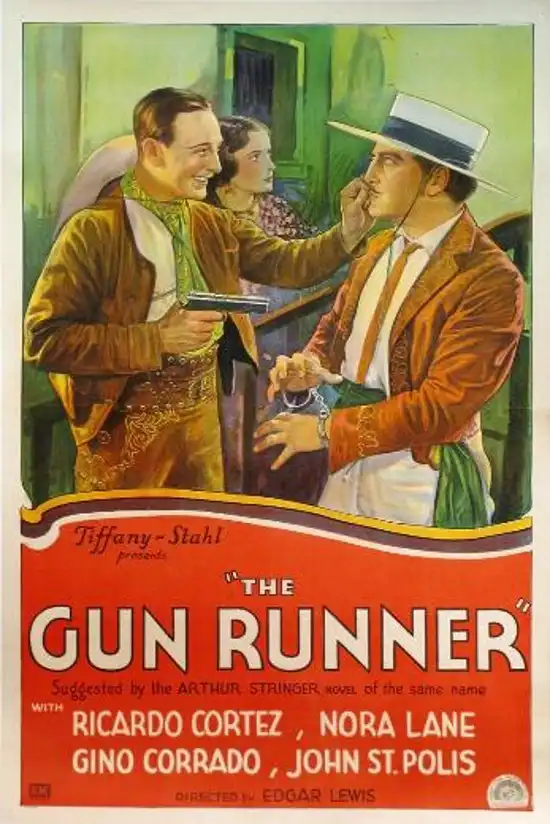
If you’re coming to The Gun Runner expecting a sweeping political thriller or some kind of lost silent masterpiece, you’re going to be disappointed. It’s really only worth watching today if you have a specific soft spot for Ricardo Cortez or if you’re trying to see every single thing produced in 1928. It’s a movie that feels like it was made on a Tuesday afternoon by people who were mostly thinking about lunch.
It’s the kind of film that people who hate silent movies point to when they want to complain about the medium. It’s heavy on the melodrama and very light on the logic. If you like dusty, low-stakes adventure where everyone wears too much eyeliner and the 'jungles' are clearly just a few potted ferns placed strategically in front of a California ranch, you might find some charm in it. Otherwise, it’s a bit of a slog.
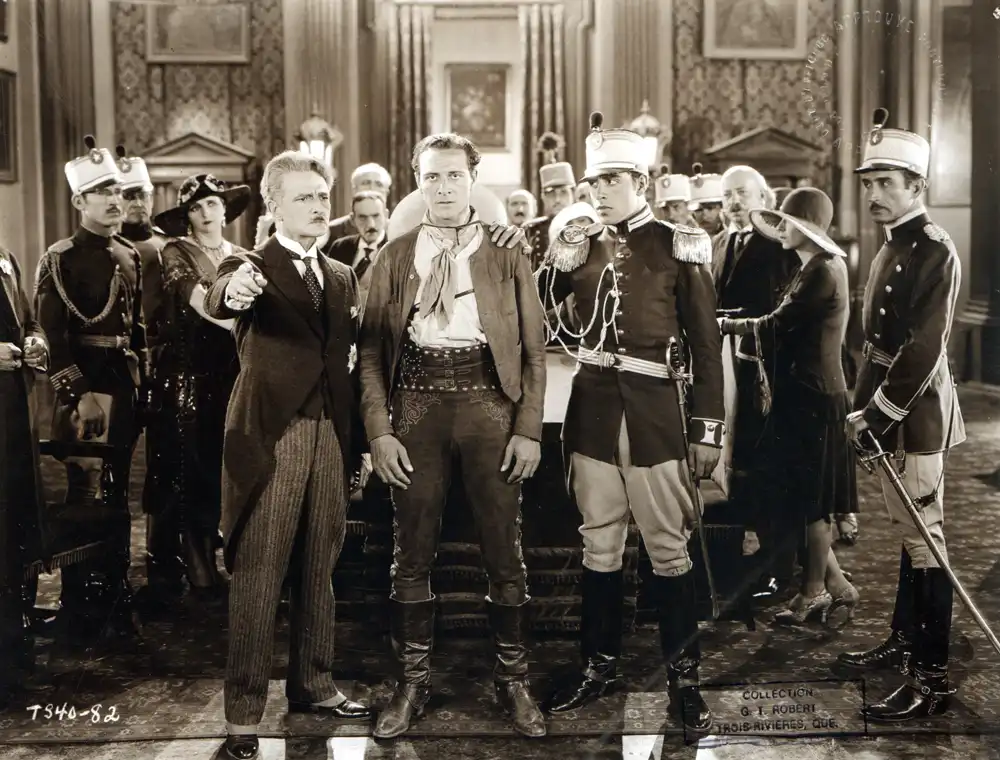
Ricardo Cortez plays Julio. He starts the movie as an army officer, and he has this very specific way of standing—chest puffed out, chin up—that makes him look less like a soldier and more like a guy posing for a monument. When he gets kicked out of the army for being a suspected gun runner, the scene happens so fast it’s almost funny. One minute he’s a respected officer, the next his medals are being ripped off his chest in what looks like a five-minute HR meeting. There’s no real weight to it. You don’t feel his disgrace; you just see a guy losing some shiny buttons.
The middle chunk of the movie is where the pacing really starts to drag. Julio goes off to find the real gun runner, Garcia. This leads us to a lot of scenes in generic-looking taverns and dusty streets. There’s one shot in a bar where the camera lingers on a background extra who is very clearly waiting for his cue to start 'acting' casual. He just stares at the wall for three seconds, then suddenly starts drinking with intense enthusiasm. It’s those little moments that remind you how assembly-line these productions could be.
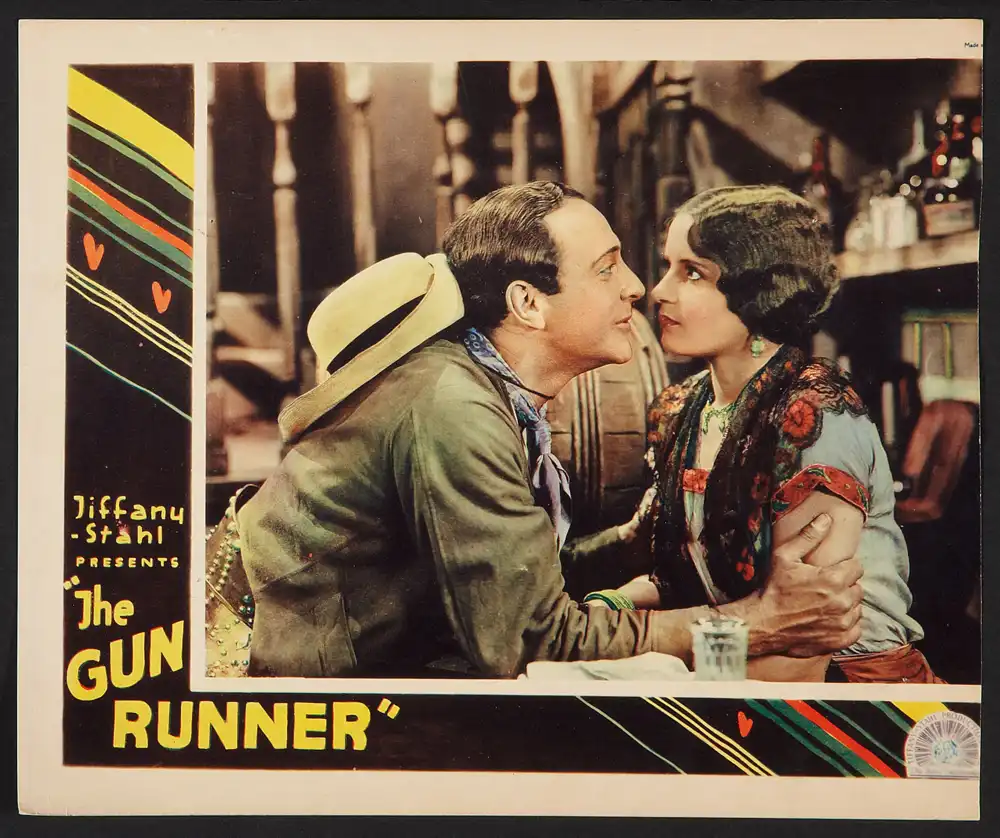
Nora Lane plays Inez, the love interest. She’s fine, I guess, but she and Cortez have the chemistry of two people standing in line at a post office. There’s a scene where they’re supposed to be having this deep, romantic moment, but the framing is so awkward that they keep bumping into each other’s hats. It’s hard to feel the stakes of their romance when you’re mostly worried about someone’s headwear falling off.
The big 'twist'—that the villainous Garcia is Inez’s brother—is handled with all the subtlety of a car crash. When Julio figures it out, Cortez does this dramatic double-take that feels like it lasts for an eternity. His eyes go wide, he staggers back, he clutches his forehead. It’s pure silent-movie cliché. Gino Corrado, who plays Garcia, is actually one of the more interesting parts of the film just because he seems to be in a different movie. He’s twitchy and nervous, while everyone else is playing it like a grand tragedy.
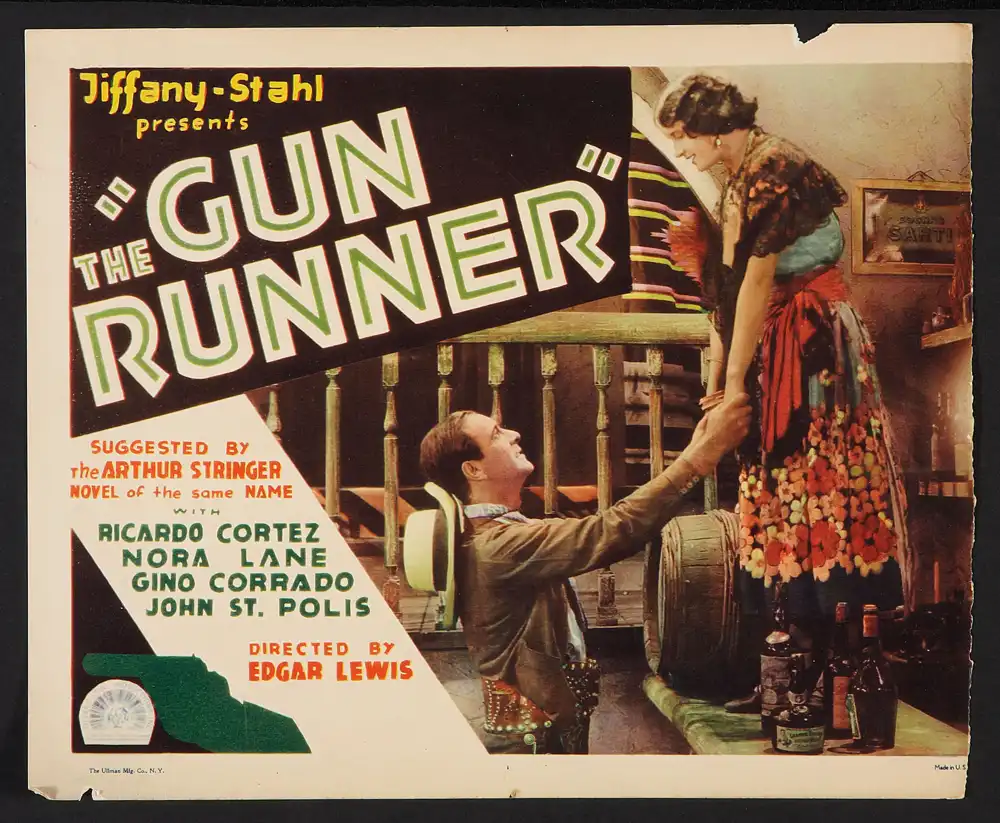
There’s a weird edit near the end where Julio is chasing Garcia. They’re running through what looks like a rocky canyon, and suddenly, in the next shot, they’re in a completely different lighting setup. It’s like they filmed the first half of the chase at noon and the second half at 4:00 PM. The continuity is just non-existent. It’s not as jarring as some of the cuts in something like Dull Care, but it definitely pulls you out of the moment.
The sets are another thing. For a movie set in a 'South American country,' it feels remarkably like the outskirts of Los Angeles. I kept waiting for a Buick to drive past in the background. The costumes are also weirdly pristine. Julio is supposed to be a disgraced man on the hunt, but his boots are always polished to a mirror shine. It’s hard to buy the grit when the protagonist looks like he just stepped out of a department store window.
I will say, there is one shot toward the end that actually works. It’s a silhouette shot of Julio against a sunset (or a very bright studio light, let’s be real). For about five seconds, the movie actually looks like it has a soul. It’s a nice composition, far better than the flat, boring medium shots that make up the rest of the film. It reminded me a little bit of the better-composed scenes in Riddle Gawne, though without the same level of intensity.
The ending feels rushed, like they realized they were hitting their reel limit and needed to wrap it up. The resolution with Inez and the brother is unsatisfying and happens so quickly you might miss it if you blink. It doesn't leave you with much to think about. You just sort of watch the 'The End' card pop up and think, 'Okay, I guess that’s over.'
If you're bored and want to see how a mid-tier 1920s studio handled an adventure plot, give it a look. But if you’re looking for something with the energy of The Perfect Flapper or even a solid B-movie like Square Shooter, this isn't it. It’s just a very average, very tired piece of silent cinema that didn't have much to say even back in 1928.
IMDb 8
1931
Community
Log in to comment.