DbcultAccessing Vault...
6.6/10
Senior Film Conservator
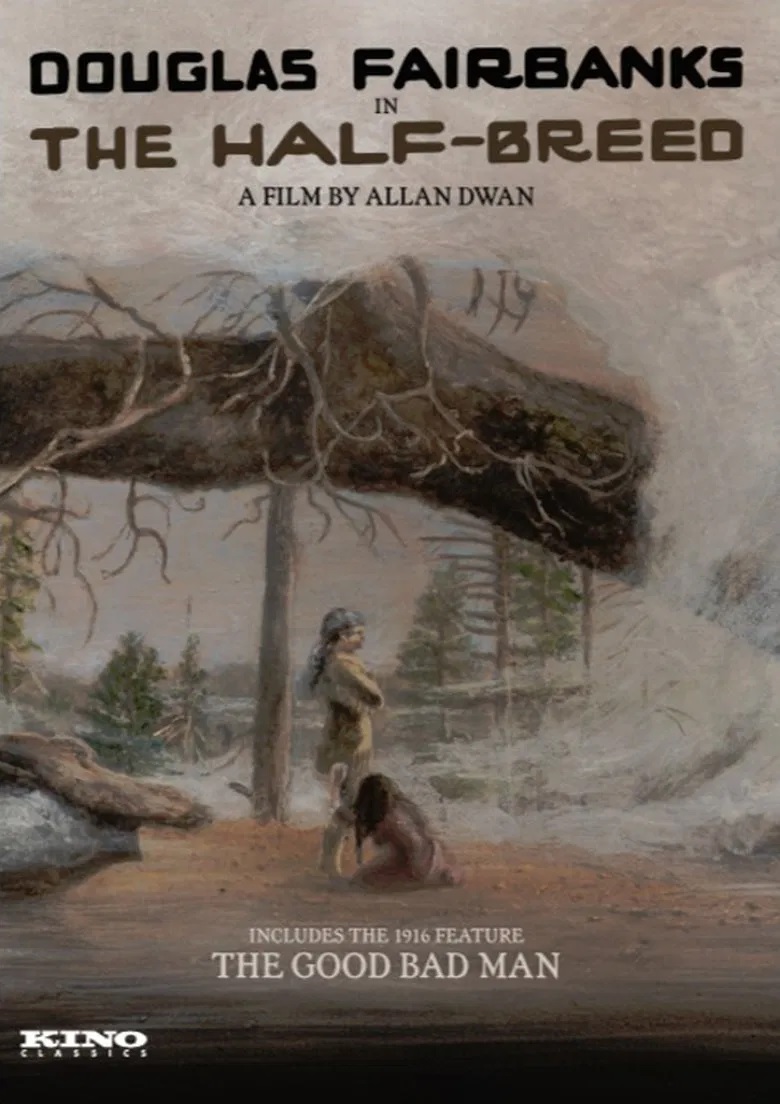
A definitive 6.6/10 rating for a film that redefined the boundaries of cult cinema. The Half-Breed remains a cornerstone of transgressive art.
Step back into an era when cinema was a nascent art form, brimming with raw energy and boundless potential, and you'll encounter a film like 1916's The Half-Breed. More than a mere silent Western, this picture stands as a vibrant testament to the burgeoning stardom of Douglas Fairbanks and a nuanced exploration of societal prejudice set against the breathtaking, untamed backdrop of the California wilderness. Directed by Allan Dwan, with a screenplay by the incomparable Anita Loos, adapted from Bret Harte's poignant stories 'In the Carquinez Woods' and 'Flip: A California Romance', the film unfurls a narrative rich in pathos, adventure, and an underlying critique of the rigid social norms of its time. It is a cinematic experience that, even a century later, retains a compelling power, largely due to Fairbanks’ electrifying performance and the timeless themes it so courageously tackles.
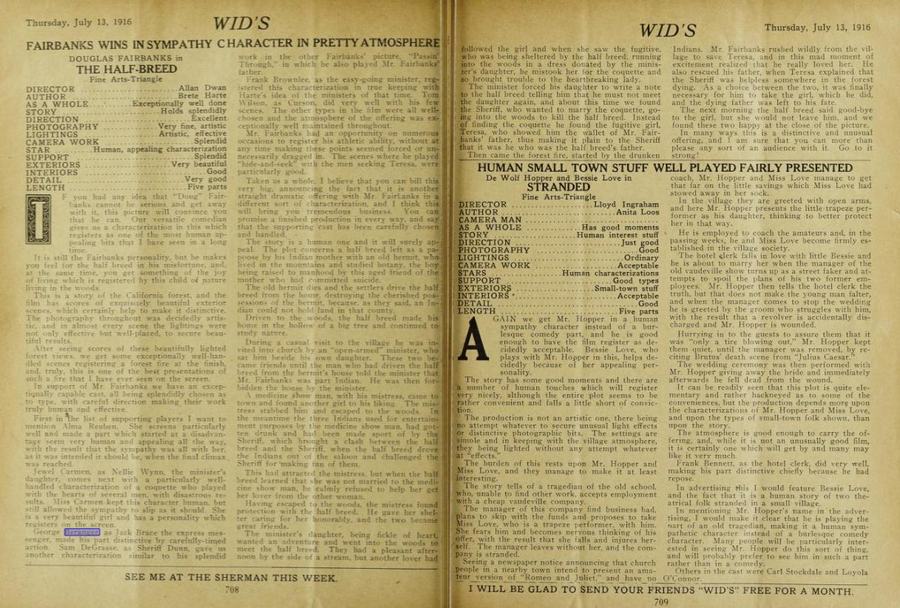
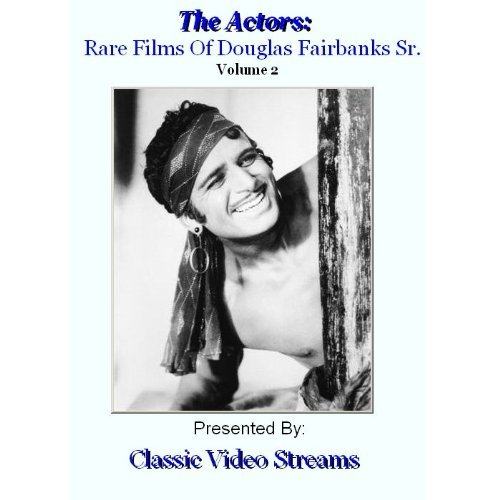
Douglas Fairbanks, already a rising star, truly cemented his screen persona with his portrayal of Lo Dorman. His physicality, a hallmark of his career, is on full display here. Fairbanks doesn't merely act the part; he embodies the very essence of a man forged by the wilderness, a creature of instinct and raw emotion. His movements are fluid, almost animalistic, whether he is scaling trees, leaping across chasms, or engaging in a spirited confrontation. This kinetic energy is crucial to understanding Lo Dorman, a character who lives outside the conventional boundaries of society, perceived as an outcast due to his mixed heritage. Fairbanks imbues Lo with a compelling duality: a fierce protector and a gentle, misunderstood soul. This complexity elevates the character beyond a simple 'noble savage' trope, allowing for a deeper connection with the audience. One can scarcely imagine another actor of the era bringing such dynamic authenticity to the role; Fairbanks made Lo Dorman his own, a figure of compelling, almost mythic, stature.
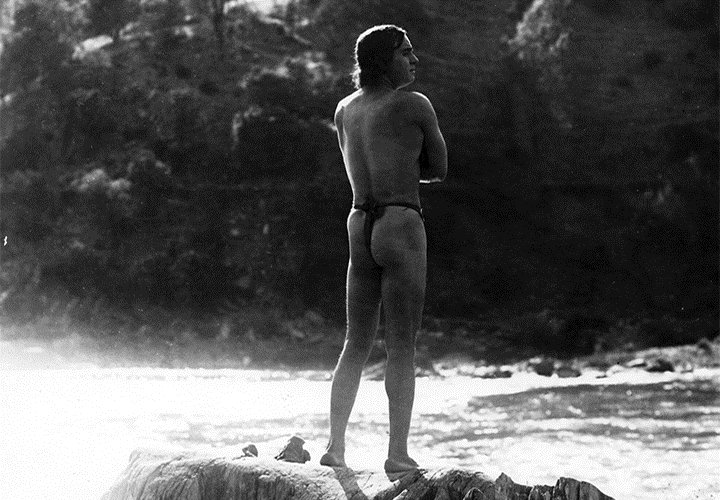
The silent film era, often characterized by broader gestures and exaggerated expressions, found in Fairbanks an artist who could convey immense emotional depth through action. His athleticism wasn't just for show; it was a narrative device, illustrating Lo Dorman's profound connection to the natural world and his alienation from the 'civilized' one. This physical prowess, combined with moments of surprising tenderness, paints a portrait of a man caught between two worlds, struggling to reconcile his identity in a society that often refuses to accept him. It's a performance that resonates with a vibrant vitality, reminding us why Fairbanks became one of the first true superstars of the silver screen, captivating audiences with his charm, daring, and undeniable charisma. His performance here, in its raw intensity, stands as a precursor to the swashbuckling heroes he would later immortalize, yet it carries a distinct emotional weight that makes Lo Dorman particularly memorable.
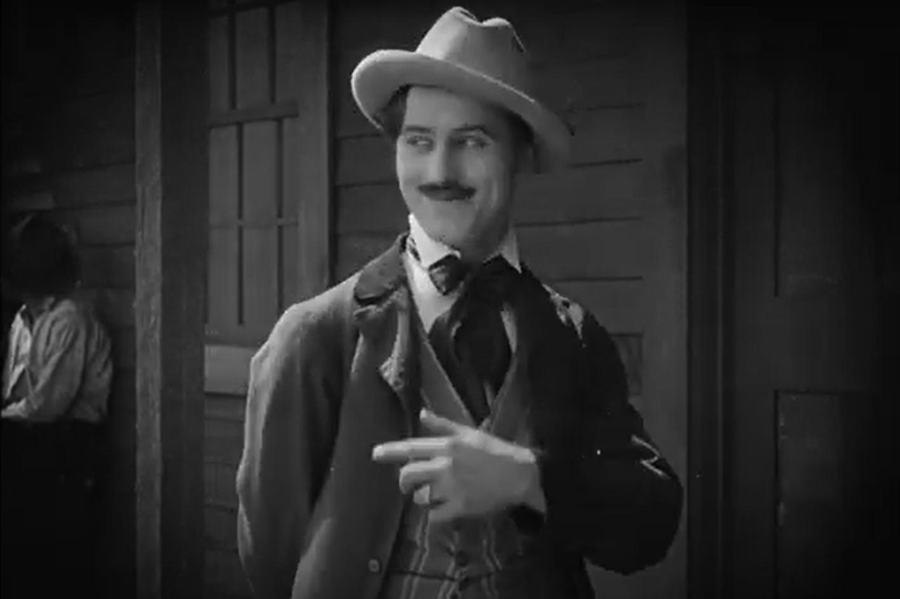
The plot, as adapted by Anita Loos from Bret Harte's tales, is deceptively simple yet profoundly effective. Lo Dorman, living in self-imposed exile, encounters Teresa (Jewel Carmen), a young woman lost and vulnerable in the vast forest. Their meeting is a catalyst, forcing Lo to confront his isolation and awakening within him a protective instinct that challenges his long-held cynicism towards humanity. Carmen, in her role, brings a delicate innocence and resilience that provides a stark but necessary contrast to Fairbanks' rugged intensity. Her presence humanizes Lo, drawing him out of his shell and into a nascent, tender romance that forms the emotional core of the film. This burgeoning relationship is not merely a romantic subplot; it serves as a powerful metaphor for acceptance, for finding solace and belonging in an unexpected place, far from the judgmental eyes of society.
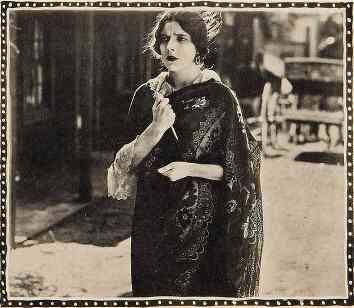
The narrative skillfully weaves together elements of adventure, romance, and social commentary. The dangers of the forest – from treacherous terrain to menacing wildlife (including a memorable bear encounter) – are vividly portrayed, creating a constant sense of peril that keeps the audience on edge. Yet, it is the human element, specifically the relentless pursuit by Sheriff Dunn (Sam De Grasse), that truly underscores the film's thematic depth. De Grasse portrays Dunn with a chilling blend of self-righteousness and possessiveness, making him a formidable antagonist. His character embodies the societal prejudice that Lo Dorman faces, representing the 'civilized' world's intolerance and fear of the 'other.' Dunn's determination to bring Lo to heel, ostensibly for justice but arguably for his own warped sense of order and desire for Teresa, highlights the arbitrary and often cruel nature of societal judgment. The conflict between Lo and Dunn is more than a physical struggle; it's a clash of ideologies, a battle for self-determination against the crushing weight of prejudice.
Beyond the central trio, the film benefits from a strong supporting cast. Winifred Westover, Tom Wilson, Frank Brownlee, George Beranger, Elmo Lincoln, and Alma Rubens all contribute to the rich tapestry of characters, each adding layers to the film's depiction of a rugged frontier community grappling with its own moral compass. Even the legendary Wyatt Earp makes an uncredited appearance, adding a touch of historical authenticity to the Western setting. The collective efforts of these performers create a believable world, allowing the audience to become fully immersed in the unfolding drama.
The genius of Anita Loos's adaptation cannot be overstated. Known for her wit and sharp observational skills, Loos took Harte's intricate character studies and distilled them into a cinematic narrative that maintained their emotional core while translating effectively to the visual medium of silent film. Her ability to craft compelling characters and situations, even within the constraints of the era, speaks volumes about her talent. Director Allan Dwan, a prolific and influential filmmaker of the period, masterfully captured the grandeur of the natural landscapes, utilizing them not just as a backdrop but as an active character in the story. The cinematography, though rudimentary by today's standards, effectively conveys the vastness and wild beauty of the environment, intensifying Lo Dorman's connection to it. Dwan’s direction ensures that the action sequences are thrilling and the emotional beats resonate, maintaining a brisk pace that keeps the audience engaged throughout.
At its heart, The Half-Breed is a powerful examination of identity and the corrosive effects of prejudice. Lo Dorman's struggle to find his place in a world that judges him based on his ancestry rather than his character is a universal theme that continues to resonate. The film asks profound questions about what constitutes 'civilization' and whether true savagery lies in the wilderness or in the hearts of men who condemn others without understanding. This thoughtful exploration of societal boundaries and the human spirit's resilience places it in a lineage of films that dared to challenge prevailing norms, much like the social critiques subtly woven into narratives such as The Politicians, though approached from vastly different angles and genres.
Moreover, the film's depiction of the wilderness as both a refuge and a source of danger is particularly striking. For Lo Dorman, it is home, a place where he is truly free, unburdened by the societal expectations of the townsfolk. This contrasts sharply with Teresa's initial fear and helplessness within the same environment. Their journey together, both physical and emotional, signifies a melding of these two perspectives, hinting at a future where understanding can bridge seemingly insurmountable divides. The film subtly suggests that perhaps true strength and nobility are found not in conforming to rigid societal rules, but in embracing one's authentic self and extending compassion to those deemed 'different.'
Ultimately, The Half-Breed is far more than a historical curiosity; it is a vibrant, engaging film that offers a window into the cultural anxieties and heroic aspirations of its time. Douglas Fairbanks delivers a tour-de-force performance, effortlessly blending acrobatic spectacle with genuine human vulnerability. The collaborative genius of Bret Harte's original vision and Anita Loos's adaptation, brought to life by Allan Dwan's direction and a talented ensemble, results in a film that is both thrilling and thought-provoking. It’s a testament to the enduring power of storytelling, proving that tales of identity, courage, and the search for belonging transcend the limitations of time and technology. For those seeking to explore the rich heritage of silent cinema, The Half-Breed is an essential viewing experience, a silent masterpiece that continues to speak volumes about the human condition.
IMDb —
1936
Community
Log in to comment.