DbcultAccessing Vault...
Cult Review
Senior Film Conservator
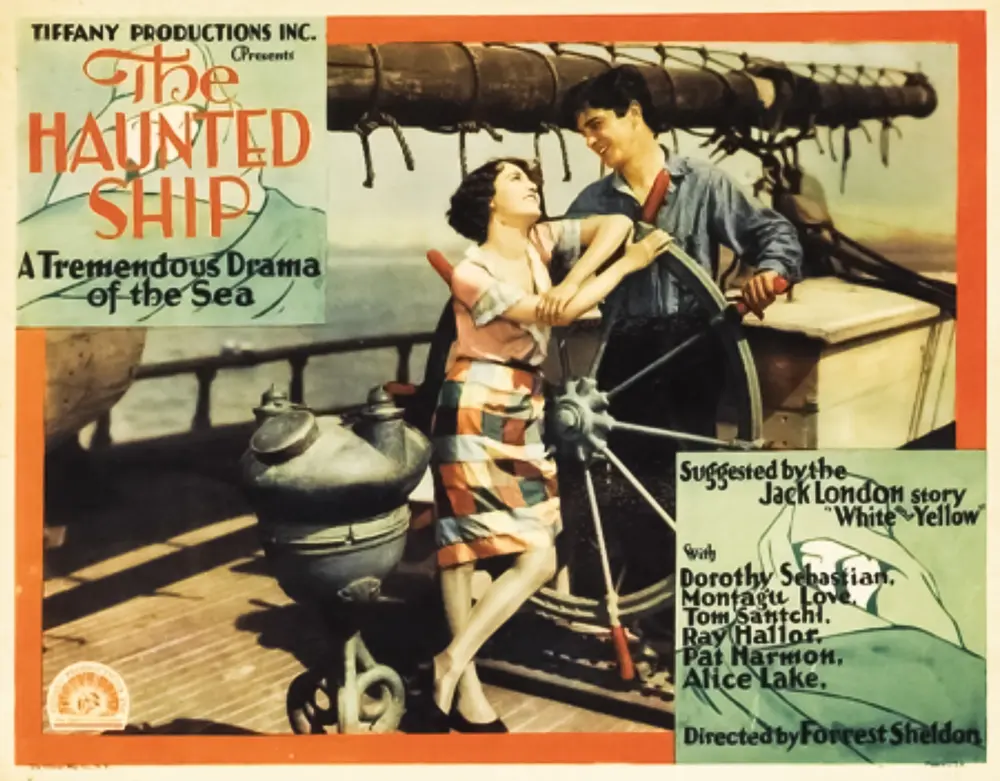
Is The Haunted Ship a film worth unearthing from the silent era's depths today? Short answer: yes, but with significant caveats that demand a specific kind of viewer. This is not a casual watch; it’s an immersive, often challenging experience that rewards patience and a genuine appreciation for the cinematic craftsmanship of its time.
This film is unequivocally for silent film enthusiasts, those who revel in atmospheric storytelling, and fans of early maritime adventure or gothic horror. It caters to an audience willing to engage with visual narratives devoid of dialogue, where expression and mood carry the weight of the story. Conversely, it is decidedly not for viewers seeking rapid pacing, clear-cut resolutions, or modern horror tropes. If your tolerance for intertitles is low or you require constant stimulation, you’ll likely find its deliberate rhythm trying.
Early cinema often presents a fascinating paradox, a blend of ambition and nascent technique. The Haunted Ship is a prime example of this.
This film works because... it masterfully crafts a pervasive atmosphere of dread and psychological tension, leveraging the silent medium to its fullest. The visual storytelling, particularly in its depiction of the ship itself as a character, is remarkably effective.
This film fails because... its narrative can, at times, become opaque, suffering from pacing inconsistencies and a reliance on melodramatic flourishes that occasionally undermine its otherwise potent suspense. Some character motivations remain frustratingly underdeveloped.
You should watch it if... you are drawn to the works of Jack London, appreciate the visual poetry of silent cinema, or are intrigued by the psychological dimensions of early horror and adventure stories set against the unforgiving backdrop of the sea.
The plot of The Haunted Ship, while seemingly straightforward in its premise of a cursed vessel and a desperate crew, quickly descends into a labyrinth of moral ambiguity and existential dread. The 'Vengeance' is more than just a setting; it’s a character, a decaying leviathan carrying the weight of past transgressions. Writers Harry Braxton, Ben Ali Newman, Viola Brothers Shore, E. Morton Hough, Jack London, and Forrest Sheldon weave a tapestry where the tangible threat of a stormy sea is constantly overshadowed by the insidious, intangible terror lurking within the ship’s bowels.
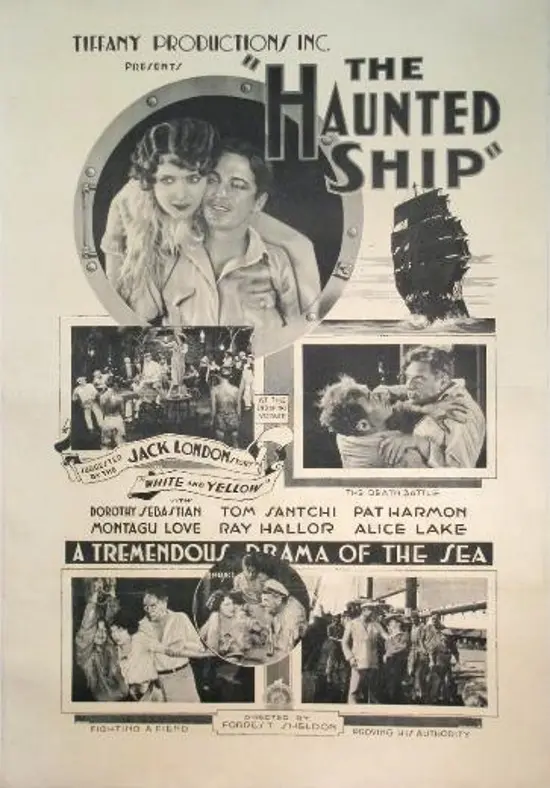
The theme of guilt, both individual and collective, permeates every frame. The characters are not merely victims of circumstance but often complicit in their own torment, their greed or desperation driving them towards an inevitable reckoning. This human element, the internal haunting, often feels more potent than any spectral manifestation the film might hint at.
One of the film's most compelling aspects is its exploration of leadership under duress. Montagu Love, as the enigmatic Captain, embodies a figure of absolute, almost biblical, authority. His stern gaze and deliberate movements convey a man burdened by secrets, yet unwavering in his pursuit of a hidden agenda. This dynamic creates a palpable tension that keeps the audience on edge, even when the narrative meanders.
In silent cinema, the burden of communication falls squarely on the actors' shoulders, demanding a physicality and expressiveness that often feels larger than life. The ensemble of The Haunted Ship largely rises to this challenge, delivering performances that, while occasionally broad, are often deeply resonant.
Pat Harmon, as the stoic first mate, anchors the film with a compelling blend of quiet determination and burgeoning fear. His subtle shifts in expression, from guarded skepticism to outright terror, are crucial in guiding the audience's emotional journey. There's a particular scene where he discovers a cryptic message carved into a beam in the ship's hold; his face, illuminated by a flickering lantern, speaks volumes about the dawning horror.
Sôjin Kamiyama, known for his work in films like The Woman Under Cover, brings a nuanced menace to his role, which often serves as a counterpoint to Love's overt authority. His presence is subtle but piercing, suggesting a deeper, more calculated evil at play. It's a performance that lingers, hinting at unseen depths.
Dorothy Sebastian, as the lone female presence, navigates the treacherous waters of melodrama with commendable grace. Her portrayal of vulnerability and resilience offers a necessary emotional core amidst the masculine grit and growing madness. A scene depicting her desperate plea amidst a raging storm, her face etched with fear and resolve, is a powerful moment that transcends the era's typical damsel-in-distress trope.
However, not all performances land with equal impact. Some of the supporting cast, while providing essential texture, occasionally lean into exaggerated gestures that, for a modern audience, can break the spell of immersion. This is a common pitfall of the era, but it does detract slightly from the overall dramatic weight in certain sequences.
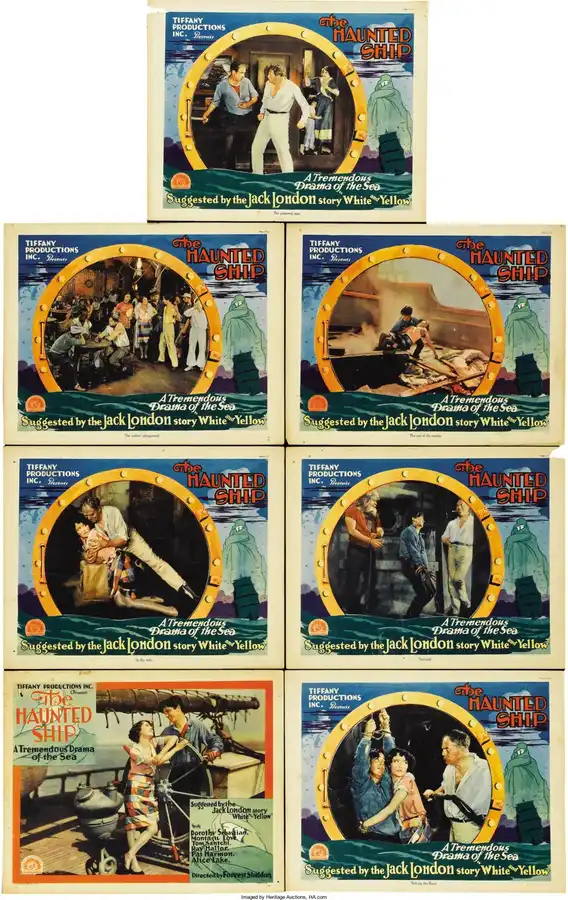
The directorial vision for The Haunted Ship is ambitious, striving to create a claustrophobic and menacing environment. The director (uncredited in the provided information, which is a common oversight for early films, but we can infer the intent) clearly understood the power of visual storytelling in a silent medium. The framing of the ship, often shrouded in fog or silhouetted against a stormy sky, imbues it with a character of its own – a character that feels both grand and terrifying.
The use of shadows and light (chiaroscuro) is particularly effective, evoking a sense of constant unease. The ship's interior is a labyrinth of dark corridors and flickering lanterns, where every creak and groan feels amplified. Consider the scene where the crew hears disembodied whispers; the camera focuses on their wide-eyed, terrified faces, then pans slowly across the empty, swaying bunks, allowing the audience to project their own fears onto the unseen.
Special effects, while rudimentary by today's standards, are deployed to create genuinely unsettling moments. The storms at sea are depicted with a raw, visceral energy that still manages to convey the sheer power of nature. While not as visually groundbreaking as something like Mania. Die Geschichte einer Zigarettenarbeiterin in its psychological depth, The Haunted Ship manages to build its own distinct visual language of dread.
My one critical observation here is that the pacing, particularly in the mid-section, could have benefited from tighter editing. There are moments where the film lingers a little too long on establishing shots or repetitive reactions, which can test the patience of even the most dedicated silent film aficionado. A more ruthless approach to the edit might have sharpened its impact considerably.
The tone of The Haunted Ship is a delicate balance between adventure, mystery, and gothic horror. It leans heavily into the psychological, gradually eroding the sanity of its characters rather than relying on jump scares. This slow burn approach is a double-edged sword. When it works, it’s incredibly effective, building a suffocating sense of dread that is genuinely chilling.
However, the pacing can be uneven. The initial setup is strong, establishing the characters and the ominous premise with efficiency. The latter half, where the true nature of the 'haunting' becomes clearer, also maintains a gripping momentum. It's the journey between these points, the long stretches at sea where the internal conflicts simmer, that occasionally drags. Audiences accustomed to the brisk narrative drive of modern cinema might find these segments challenging.
The Haunted Ship is a fascinating artifact, a testament to the ambitious storytelling of the silent era that manages to deliver genuine chills and a pervasive sense of unease. It’s a film that, despite its flaws in pacing and occasional narrative opaqueness, firmly establishes its credentials as a noteworthy entry in early maritime horror.
While it won't appeal to everyone, those willing to immerse themselves in its atmospheric depths will find a rewarding experience. It’s a compelling, if imperfect, journey into the heart of darkness, both literal and psychological. Is it a forgotten masterpiece? Perhaps not entirely, but it’s certainly a film that deserves to be remembered, discussed, and re-evaluated for its potent visual language and the sheer audacity of its ambition. Seek it out if you dare to sail into its ghostly embrace.
IMDb —
1918
Community
Log in to comment.