DbcultAccessing Vault...
Cult Review
Senior Film Conservator
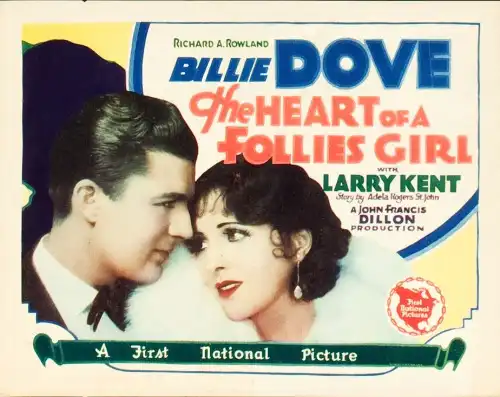
So, is The Heart of a Follies Girl worth digging up today? Probably not for the casual Netflix scroller. This 1928 silent film is a specific kind of watch, really. If you’re deep into early Hollywood melodrama, or you’re a silent film completist, then yes, there’s something here. Otherwise, you might find yourself checking your watch, or more likely, wondering if your projector speed is off.
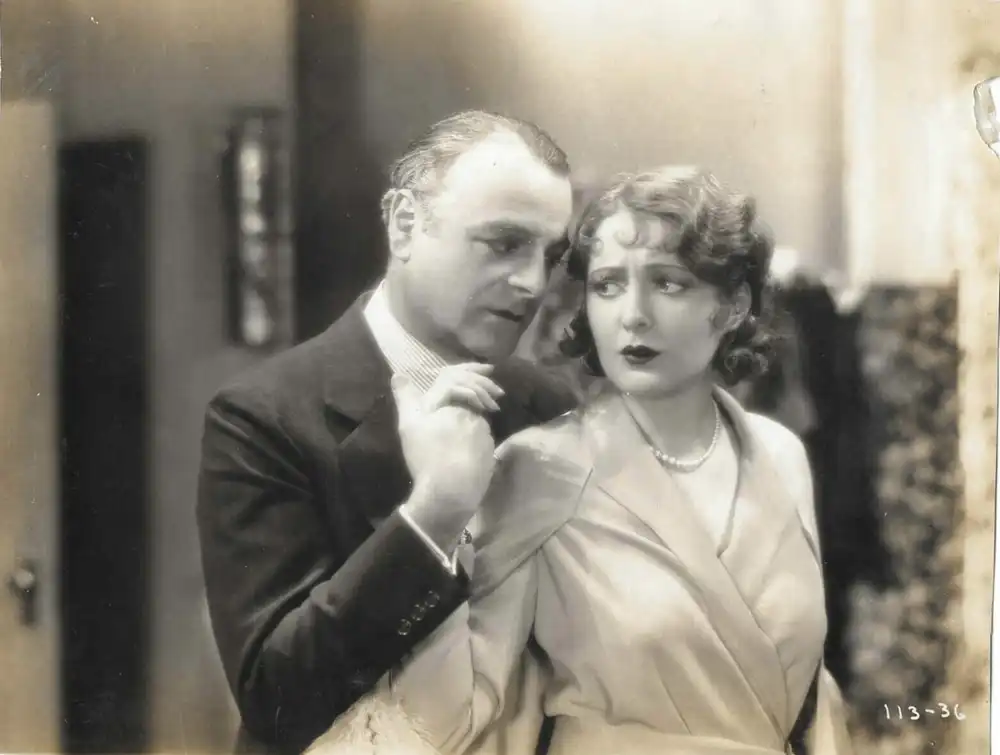
It’s a story about Robert, a bank clerk (Lowell Sherman), who gets absolutely swept off his feet by Mary, a Follies dancer (Mildred Harris). He’s not exactly rolling in dough, and she’s used to a certain… sparkle. So, in a moment of pure, unadulterated desperation – or maybe just plain stupidity – he forges a check to buy her a ring. You can see where this is going, right?
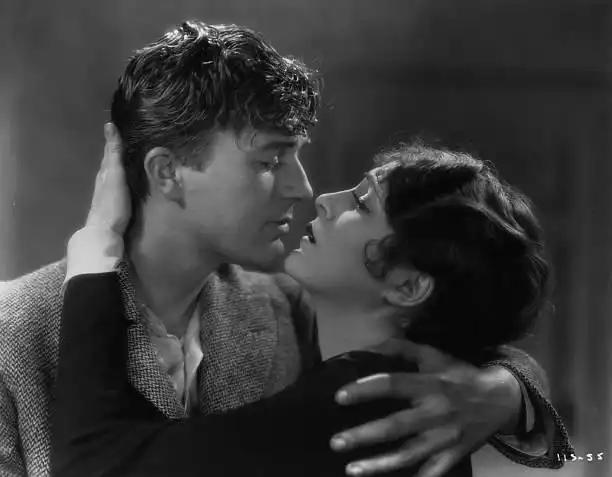
Mildred Harris as Mary is often the most compelling thing on screen. There’s a fragility to her, even when she’s supposed to be this glamorous Follies girl. Her expressions, especially in the later acts when things start to unravel, carry a lot of the emotional weight. You can almost feel her trying to convey the gravity of the situation through her eyes alone, which is a big ask in a silent picture.
Lowell Sherman’s Robert, though. He’s a tricky one. At first, his infatuation feels a little too sudden, a bit too full-on without much build-up. His desperation, when it hits, is almost cartoonish. There's a scene where he’s hunched over the ledger, pen shaking, about to commit the forgery. It’s meant to be agonizing, but it lingers so long you start to feel a little impatient with him. Like, just do it or don't, man.
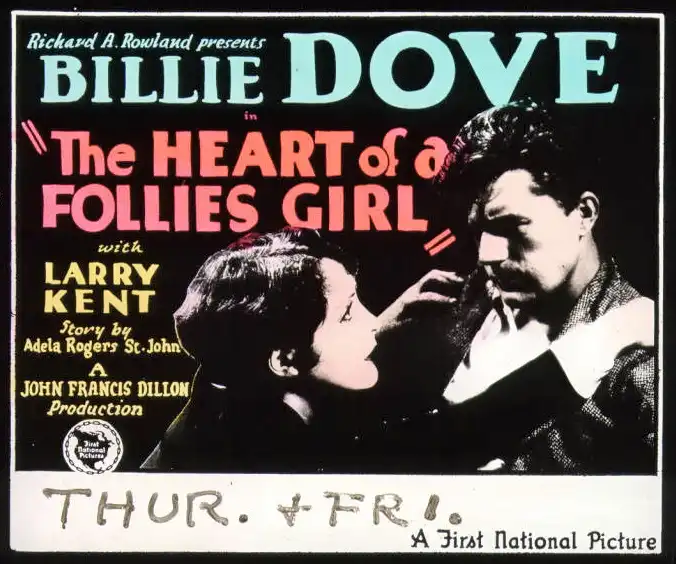
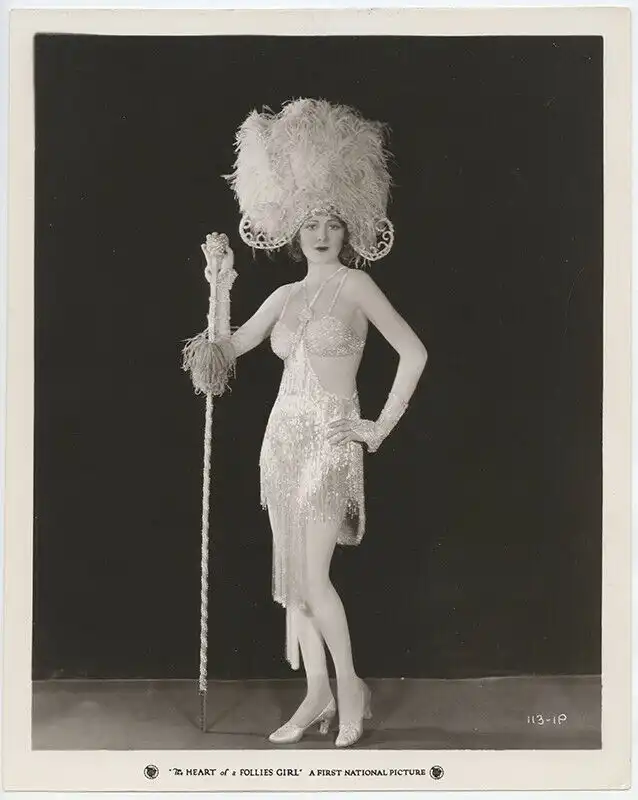
The Follies scenes themselves are interesting. They’re not the grand, lavish spectacles you might imagine from the name. It’s more intimate, a bit dusty. You see Mary and the other dancers in their elaborate costumes, but the background extras sometimes feel a bit disengaged, like they’re waiting for lunch. It pulls you out of the illusion a little. It doesn’t quite sell the 'glamour' that's supposed to be driving Robert to such extremes.
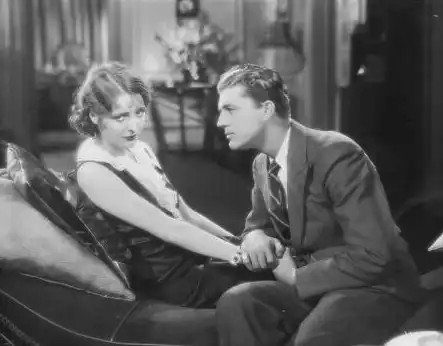
The pacing, for large stretches, feels off. There are long, drawn-out sequences of characters simply reacting, or walking, or sitting in quiet contemplation. It’s a silent film, sure, but some of these moments feel like padding. The intertitles, while mostly clear, occasionally over-explain things we can already see on screen, or use language that feels overly flowery, even for the period. "Society's cruel hand" makes an appearance, naturally.
Billie Dove is in this too, playing Robert’s sister, who's got her own little romantic subplot. She’s luminous, as always, but her character feels a bit like a moral compass tacked on for convenience. Her scenes don’t always integrate seamlessly with the main drama, and while her costumes are stunning, her presence sometimes feels like a slightly different movie is trying to break through.
The film gets noticeably better once the forgery is discovered and the consequences start to hit. The shift from a somewhat saccharine romance to a genuine legal drama, however melodramatic, gives it some much-needed teeth. There’s a courtroom sequence that has a surprising amount of tension, even if the resolutions feel a bit too convenient in the end. It's here that Mildred Harris really gets to shine, her face conveying despair and a sort of fierce loyalty.
There's a particular shot of Mary, after she learns the truth, just staring blankly. It holds for a beat too long, but then it works. You see the weight of the world land on her shoulders. It’s a quiet moment that cuts through some of the earlier, more forced emoting.
Overall, The Heart of a Follies Girl is a curious artifact. It's not a lost masterpiece, but it’s a decent example of silent-era dramatic storytelling, full of exaggerated gestures and a moralistic bent. It’s a good one to watch if you’re trying to understand the acting styles and narrative conventions of the time, especially if you’re interested in the careers of stars like Mildred Harris, who often get overshadowed by the bigger names of the era. Just don’t go in expecting a rollicking good time; it’s more of a thoughtful, sometimes trying, experience. For something a bit more lighthearted from the same era, you might check out Too Many Kisses, or for a different kind of drama, perhaps A Woman of the World.
IMDb 6.7
1915
Community
Log in to comment.