DbcultAccessing Vault...
Cult Review
Senior Film Conservator
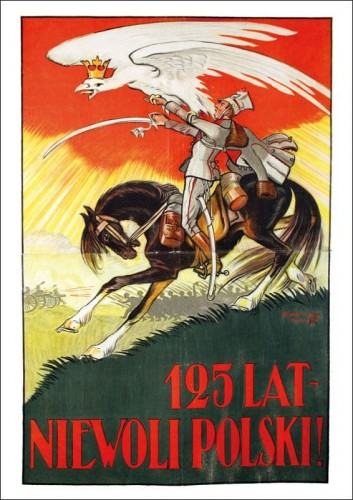
Stepping back into the nascent years of cinematic storytelling, Alfred Deutsch-German's Tyrannenherrschaft emerges not merely as a relic, but as a surprisingly potent and profoundly relevant work. This isn't just a historical artifact; it's a testament to the enduring power of narrative, crafted with an artistic sensibility that belies its era. Released at a time when cinema was still finding its voice, this film speaks with an urgency and a depth that many contemporary productions still struggle to achieve. It’s a stark, unyielding portrayal of societal breakdown under the heel of despotism, a theme that, regrettably, remains perennially pertinent.
The film plunges its audience into a world teetering on the precipice of ruin, meticulously building a narrative around the usurpation of power and the subsequent struggle for liberation. Deutsch-German, with a keen eye for human drama, orchestrates a symphony of despair and defiance. The narrative unfolds with a relentless pace, each frame laden with emotional weight, propelling the story forward through a series of escalating conflicts and heart-wrenching sacrifices. It’s a masterclass in silent storytelling, where every gesture, every facial expression, every carefully composed shot carries a universe of meaning, compensating for the absence of spoken dialogue with a visual language that is both eloquent and visceral.
At its core, Tyrannenherrschaft is an exploration of power – its corrupting influence, its brutal enforcement, and the fierce resistance it inevitably engenders. The realm of Volkovia, a fictional construct, feels chillingly real, a microcosm of countless historical and contemporary struggles. The visual design of the film, from the austere grandeur of the royal palace to the squalid desperation of the common folk's dwellings, paints a vivid picture of a society cleaved by injustice. The chiaroscuro lighting, a staple of early cinematic expressionism, is employed with remarkable skill, casting long, menacing shadows that visually underscore the pervasive fear and moral ambiguity permeating the narrative.
The initial serenity, depicted through idyllic scenes of King Theron's (Marian Jednowski) benevolent, if somewhat ineffectual, reign, quickly gives way to the stark brutality of Regent Kael's (Zygmunt Noskowski) regime. Jednowski imbues Theron with a gentle melancholy, a man ill-suited for the cutthroat world of power politics, making his downfall all the more tragic. Noskowski, on the other hand, is a revelation as Kael. His performance is a chilling study in calculated malevolence, his piercing gaze and rigid posture radiating an aura of absolute, unyielding control. He doesn't merely play a villain; he embodies the very essence of tyranny, a force of nature that sweeps away decency and replaces it with fear. The contrast between these two performances is not just a character dynamic; it’s a philosophical confrontation, beautifully rendered without a single spoken word.
Amidst the crushing weight of oppression, the seeds of rebellion are sown, primarily through the fiery spirit of Janek (Franciszek Fraczkowski) and the quiet strength of Anya (Irena Regicz). Fraczkowski delivers a performance that is both passionate and nuanced, portraying Janek not as a simplistic hero, but as a young man grappling with immense responsibility and personal grief. His transformation from an idealistic youth to a hardened leader of the resistance is compelling, driven by a palpable sense of injustice and a profound love for his homeland. One can draw parallels here with the spirit found in films like Beneath the Czar, where the individual’s struggle against an overwhelming state apparatus forms the emotional core of the narrative, albeit with a different historical backdrop.
Irena Regicz, as Anya, is equally captivating. Her character is a beacon of resilience, her intelligence and strategic thinking proving invaluable to the nascent movement. Regicz conveys a deep well of inner strength, her eyes often reflecting a simmering defiance even when her demeanor is outwardly composed. The romantic tension between Janek and Anya is delicately handled, never overshadowing the larger political struggle but instead serving as an emotional anchor, grounding the grand narrative in human connection. Their clandestine meetings, often shot in shadowy alleys and forgotten cellars, are imbued with a palpable sense of danger and desperate hope, making their eventual sacrifices all the more poignant.
No tale of tyranny is complete without the complex dance of loyalty and betrayal, and Tyrannenherrschaft excels in this regard. Stanislaw Dabrowski's portrayal of Captain Grigor is particularly noteworthy. Grigor is not a straightforward villain but a man caught between allegiances, his conscience warring with his survival instincts. His internal struggle is one of the film’s most nuanced elements, adding layers of moral ambiguity to an otherwise clear-cut battle between good and evil. Dabrowski’s subtle expressions convey a man tormented by his choices, hinting at a tragic figure rather than a purely malicious one. This portrayal adds significant depth to the film, showcasing the devastating impact of tyrannical regimes on individual morality.
The film also features strong supporting performances that flesh out its world. Helena Zahorska, Dagny Servaes, and Wanda Jarszewska, though in smaller roles, contribute significantly to the atmosphere, portraying the diverse reactions of a populace under duress – from fearful resignation to simmering resentment. Boleslaw Mierzejewski and Boleslaw Brzeski, often playing Kael’s enforcers, embody the chilling efficiency of the oppressive state, their soulless obedience a stark contrast to the passionate resistance. Their presence underscores the omnipresent threat faced by Janek and his cohorts, making every act of defiance feel like a perilous gamble.
Alfred Deutsch-German's directorial hand is evident in every frame, demonstrating an exceptional understanding of visual storytelling for its time. His use of deep focus, innovative camera angles, and dynamic editing creates a sense of epic scope, transforming a potentially straightforward melodrama into a sprawling historical commentary. The crowd scenes are particularly impressive, conveying the mass hysteria and collective despair of a subjugated people with remarkable authenticity. The way he frames the resistance fighters, often in low-angle shots against the imposing backdrop of Kael’s fortress, visually emphasizes their David-and-Goliath struggle.
The narrative structure, while adhering to the conventions of early cinema, also shows an adventurous spirit. Deutsch-German isn't afraid to introduce complex subplots, such as the internal divisions within the resistance or the moral compromises made by those on the periphery of power. This adds a layer of realism to the fantastical setting, making the struggles of Volkovia feel deeply human and universally relatable. The screenplay, credited to Deutsch-German himself, is a masterclass in economy, conveying intricate political machinations and profound emotional arcs through action and expression rather than exposition.
The thematic richness of Tyrannenherrschaft resonates far beyond its historical context. It explores universal themes of freedom versus oppression, the corrupting influence of unchecked power, the courage required for resistance, and the enduring human spirit in the face of adversity. These are not merely abstract concepts; they are woven into the very fabric of the characters’ lives and decisions. The film’s unflinching depiction of suffering and sacrifice, juxtaposed with moments of profound hope and solidarity, creates a powerful emotional experience.
When considering other films of the era, Tyrannenherrschaft stands out for its ambitious scope and its nuanced approach to political drama. While films like Ambition might explore the individual drive for power, Deutsch-German’s work examines the systemic consequences of that ambition on an entire society. Its depiction of a populace galvanized into action by shared suffering and a common enemy is particularly striking, demonstrating an early understanding of collective psychology in cinema. The film's conclusion, while bittersweet, offers a glimmer of hope, suggesting that even in the darkest of times, the human desire for liberty can never be fully extinguished.
The legacy of Tyrannenherrschaft lies not just in its pioneering cinematic techniques or its compelling performances, but in its unwavering commitment to telling a story that matters. It reminds us that even at the dawn of a new art form, filmmakers were grappling with profound societal questions, using the nascent power of the moving image to reflect, critique, and inspire. This is a film that demands to be seen, studied, and appreciated not just as a historical document, but as a vital piece of storytelling that continues to speak volumes about the human condition and the eternal struggle against tyranny.
The ensemble cast of Tyrannenherrschaft deserves particular commendation for their ability to convey such intense emotion and complex character arcs without the aid of spoken dialogue. Marian Jednowski's Theron, though fleetingly seen in his full regal glory, leaves an indelible impression of a benevolent spirit crushed by the brutal realities of power. His wide, expressive eyes communicate volumes of gentle despair. Franciszek Fraczkowski, as Janek, carries much of the film's revolutionary fervor. His physicality, from his determined stride to his clenched fists, perfectly encapsulates the fiery spirit of a young man driven to extremes by injustice. The raw vulnerability and fierce resolve he projects make him an incredibly relatable and compelling protagonist.
Irena Regicz, as Anya, is a masterclass in understated power. Her performance is a testament to the strength found in quiet determination. She doesn't scream or rage; instead, her defiance is etched in her resolute gaze and her unwavering commitment to the cause. The chemistry between Fraczkowski and Regicz is subtle yet palpable, adding a layer of poignant human connection to the grander political drama. Their shared glances and desperate embraces speak volumes about love blossoming amidst chaos, a fragile flame against encroaching darkness.
Zygmunt Noskowski, as the titular tyrant Kael, is a force of nature. His portrayal is chilling in its cold, calculating menace. He doesn't resort to theatrical villainy; instead, he projects an aura of absolute authority and ruthless efficiency that is far more terrifying. His silent commands, his dismissive gestures, and his unblinking stare convey a character utterly devoid of empathy, a true personification of oppressive power. Stanislaw Dabrowski's Captain Grigor is a tragic figure, his internal conflict beautifully articulated through subtle shifts in posture and expression. He embodies the moral quagmire faced by those forced to serve an unjust regime, making his ultimate choices all the more impactful.
The contributions of Helena Zahorska, Dagny Servaes, Boleslaw Mierzejewski, Wanda Jarszewska, Boleslaw Brzeski, and Stanislaw Polanski, even in their more peripheral roles, collectively build a rich tapestry of human experience under duress. Each actor, through their distinct mannerisms and reactions, contributes to the film's vivid depiction of a society grappling with its fate. Their collective performances elevate Tyrannenherrschaft from a simple melodrama to a profound exploration of human resilience and the enduring struggle for freedom. It’s a powerful reminder of the artistic prowess present in the silent era, where the absence of sound only amplified the necessity for visual and emotive excellence.
In conclusion, Tyrannenherrschaft stands as a monumental achievement in early cinema. Its thematic depth, compelling performances, and masterful direction coalesce into a timeless narrative that continues to resonate. It is a stark reminder of the fragile nature of freedom and the indomitable spirit of those who dare to fight for it.
IMDb 6.7
1936
Community
Log in to comment.