DbcultAccessing Vault...
5.2/10
Senior Film Conservator
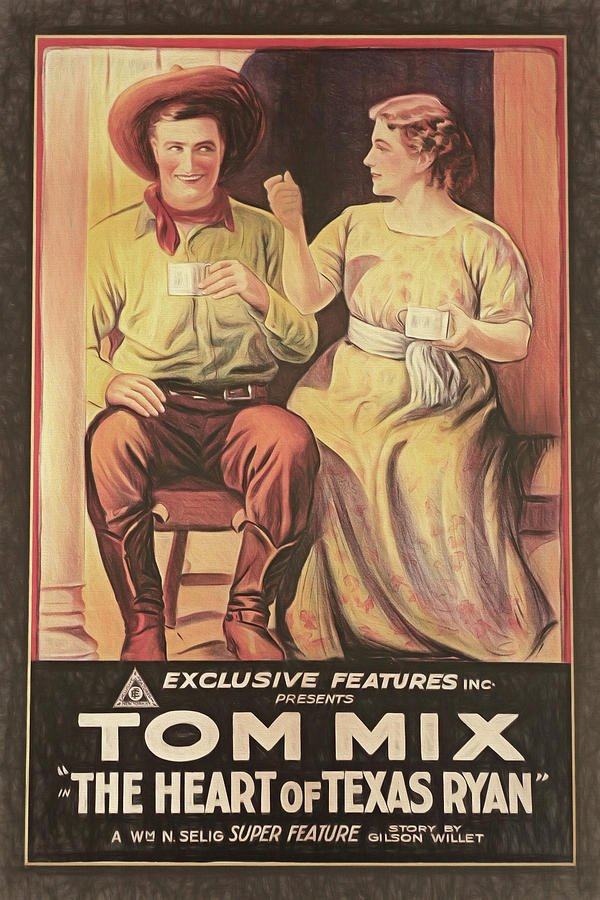
A definitive 5.2/10 rating for a film that redefined the boundaries of cult cinema. The Heart of Texas Ryan remains a cornerstone of transgressive art.
There is a moment—silent yet thunderous—when the camera drinks in the full, incandescent absurdity of Jack Parker caressing a creased photograph while his horse nickers approval under a sky so wide it could swallow every broken promise ever whispered on the frontier. That single frame distills the delirious romantic algebra of The Heart of Texas Ryan: desire plus distance equals myth.
In 1920, when the nickelodeon reeked of coal smoke and ambition, William R. A. Morland’s film arrived like a rattlesnake in ajewel-box: dangerous, gaudy, impossible to ignore. The plot, stitched from Zane Grey’s serialized daydreams and Gilson Willets’ pulp synapses, is less narrative than rodeo—each reel bucks you skyward before slamming you into sawdust.
Shooting amid the sage and sun-scald of California’s Kern County stand-ins for Texas, cinematographer Frank Good elevates mesas and tumbleweeds to the pantheon of supporting players. Observe the dusk-lit sequence where Parker, framed against a bruised sky, becomes a silhouette of yearning—his Stetson brim cutting the horizon like a guillotine on hope. The intertitle merely whispers “Across the border, perhaps, a man can outrun his own shadow,” but the image howls.
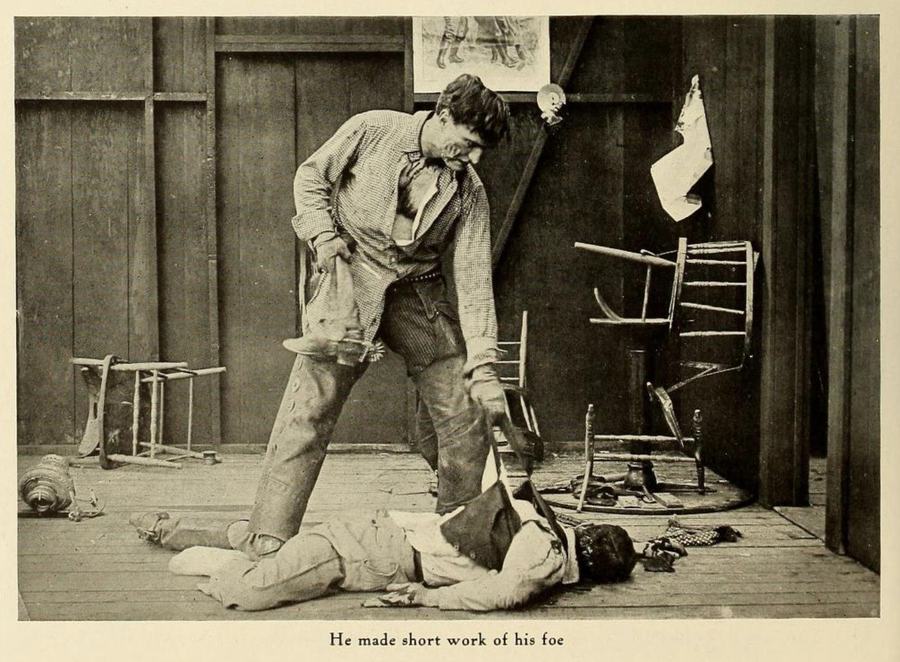
Compare this to the cramped parlors of Beatrice Fairfax’s wristwatch mysteries, where urban intrigue feels rationed by candle-end gloom. Out here, even the clouds look like they’re plotting larceny.
Tom Mix, as Jack Parker, is less performer than propulsion. Watch him vault from a second-story saloon balcony onto Old Blue’s back—no stunt double, no hidden trampolines, just sinew and bravado. The shot lasts four seconds yet births a century of action clichés. Mix’s athleticism is balletic; his grin, a crescent moon of insolence. When he tips his hat to Texas Ryan (Bessie Eyton) for the first corporeal time, the gesture contains multitudes: apology, seduction, frontier manifesto.
Eyton, for her part, essays Texas with flapper-era spunk corseted inside Victorian corsets—she can flutter a fan or a rifle with equal dexterity. The film’s central irony is that Texas herself is commodified before birth, branded by patriarchal geography, yet she spends every frame weaponizing that name into autonomy.
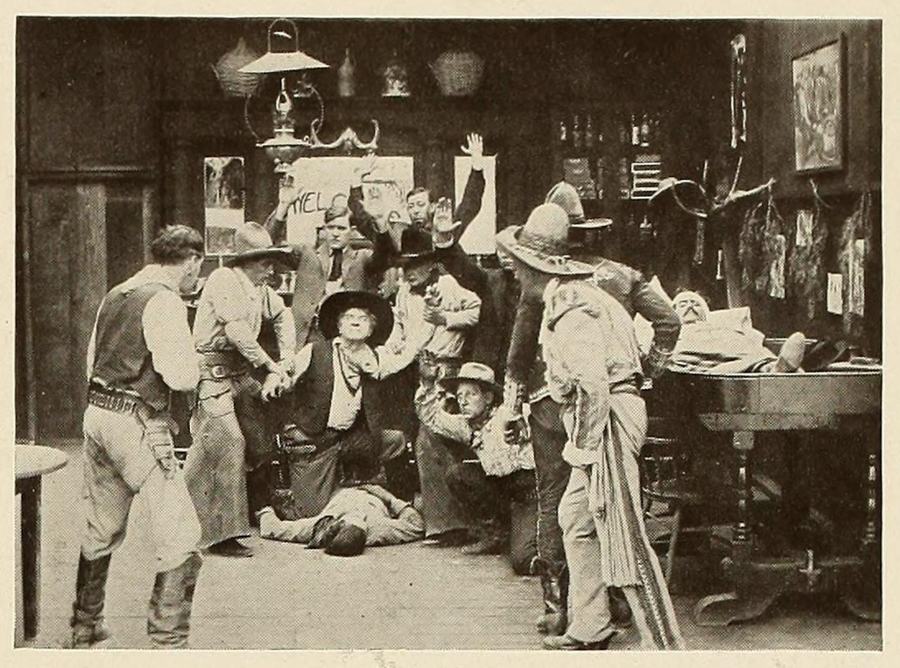
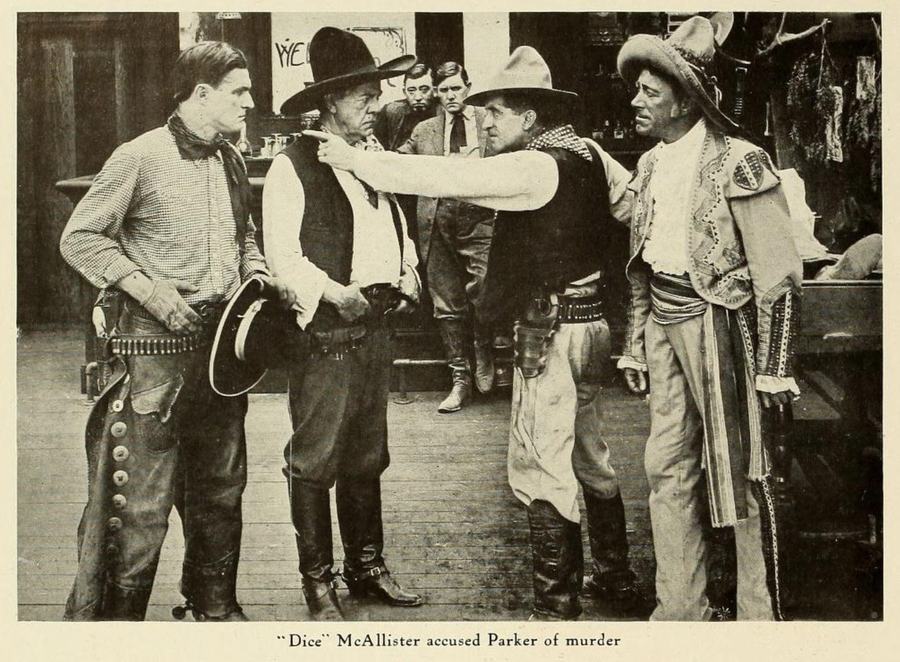
Charles K. Gerrard’s Antonio Moreno slinks through scenes like cigar smoke in silk. With a single raised eyebrow he suggests Castilian ancestry, Catholic guilt, and unpaid gambling debts. Meanwhile, Frank Campeau’s “Dice” McAllister chews scenery like jerky—his marshal’s star pinned askew, a tin hieroglyph for institutional rot. Their conspiracy to filch Ryan cattle is less crime than capitalism in embryo: corner resources, inflate price, eliminate witness.
Modern viewers might sneer at the mustache-twirling obviousness, but 1920 audiences had just watched the real-life Teapot Dome scandal germinate—screen corruption felt like tonight’s headlines delivered by tomorrow’s ghosts.
Intertitles here are haiku etched on lightning:
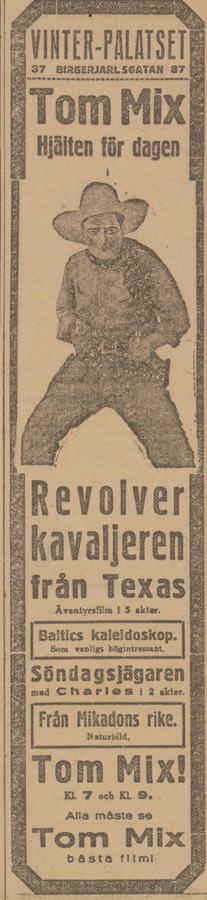
“Love born of paper is still love—until flesh writes back.”
Each card arrives precisely when the orchestra pit (in palatial theaters, a 30-piece ensemble) swells with William Axt’s original cue sheets—cellos sawing like cicadas, trumpets heralding blood. In today’s streaming afterglow, we’ve forgotten how music once belonged to images, how a violin glissando could ram a fist into your larynx.
The film’s fulcrum is not the final shootout but the automobile hurtle through chaparral. Texas Ryan—white dress flagellating against the radiator—becomes Paul Revere in silk stockings, racing to ransom her lover with sacks of specie. The mise-en-scène weaponizes the era’s techno-fetish: the Model T as Excalibur. She pays the ransom, reclaims agency, rewrites the damsel script. Try finding a comparable beat in The Monster and the Girl a decade hence, where the heroine remains trussed like a roast until the credits yawn.
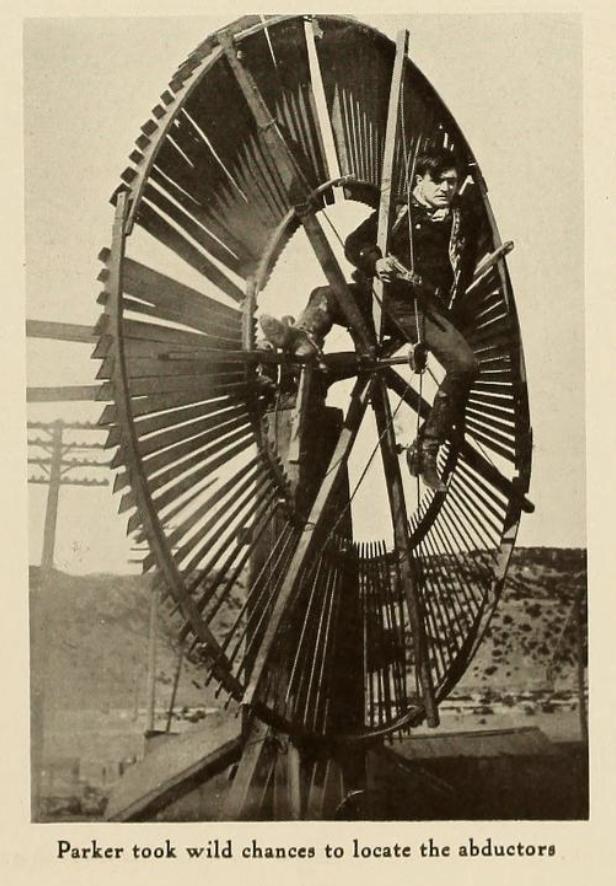
Modern sensitives will bristle at Moreno’s “greaser” caricature—greasy hair, serape, lecherous grin. Yet the film is cannier than it appears: Moreno’s aristocratic hauteur undercuts the stereotype; his downfall stems not from ethnic defect but from capitalist excess, same as any gringo railroad baron. The picture anticipates the revisionist Westerns of the ’70s, where the villain’s melanin is less sin than convenient signifier for Manifest Destiny’s hangover.
Watch how Good’s camera tilts during the nocturnal gunfight—rain turns the frame into a baptismal font. Moreno slips; Parker rises. The execution squad, silhouetted by lightning, resembles a firing squad painted by Goya. When Texas flings gold into the mire, cupidity trumps ideology—a transactional anarchy that predates Sergio Leone by forty-odd years.
And then—the clinch. Parker, mud-slick, lifts Texas as though she were the last star left in the firmament. Iris in. No kiss; none needed. The geometry of their embrace sketches a cathedral.
For decades the sole print languished in the Library of Congress’ nitrate crypt, decomposing like a memory. Enter the 2022 4K restoration by the San Francisco Silent Film Museum: every flicker stabilized, every cyan scratch laundered. The new tinting hews to the original censorship-safe amber for interiors and cobalt for night exteriors—colors that make the oranges look combustible and the blues feel hypothermic. Streaming on Criterion Channel alongside Wild Oats slapstick palate-cleansers, it demands a 4K television, blackout curtains, and bourbon decanted into a chipped teacup.
Because “gritty reboot” has become a marketing tic, filmmakers now mistake desaturation for depth. The Heart of Texas Ryan knows grandeur is a spectrum: it can be both gaudy and grievous. When contemporary cowboy sagas flaunt their anti-heroes’ five-o’clock shadows like medals of authenticity, they forget that Tom Mix’s toothpaste grin carried more existential ache than a thousand mumbling outlaws.
Need contrast? Peek at Do Men Love Women? where urban angst is telegraphed via cigarette haze and flapper ennui—competent but claustrophobic. Out here on the open range, existentialism rides a palomino.
Days after the end credits scroll (silent, of course), you’ll catch yourself humming a tune you’ve never heard. It’s the ghost of that orchestral cue—violins sawing sagebrush, drums like hooves on caliche. You’ll Google “Dream Girl horse Tom Mix” at 2 a.m., half-expecting to find a replica for sale. You won’t. But you will discover fan forums where septuagenarians trade lobby cards like contraband rosaries.
That’s when you’ll understand: some films don’t end; they stampede across the synapses, trampling cynicism beneath iron-shod wonder. And in the dust they raise, you’ll glimpse the heart-shaped hoofprint of Texas Ryan herself—proof that even in a century-old negative, love can still outrun death, provided the projector lamp keeps flickering.
Verdict: 9.2/10 — A molten cornerstone of silent Western mythos, equal parts rodeo and rhapsody.
IMDb —
1921
Community
Log in to comment.