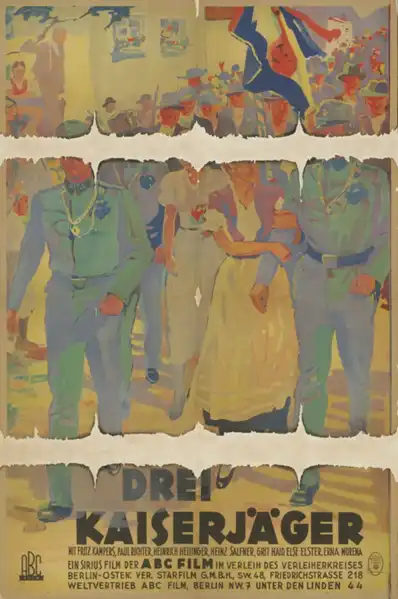
Summary
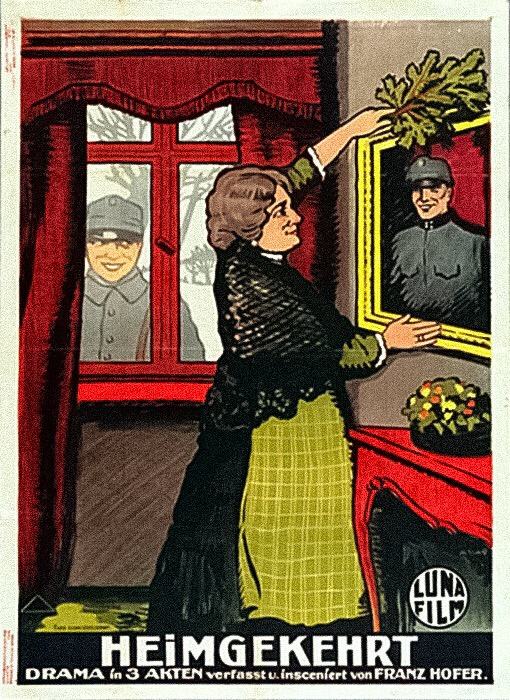
Midnight candles gutter in a Saxon chapel, their quivering halos gilding helmets hung from pews like votive relics; the village, stitched together by barbed wire whispers, is already half phantom, half hymn. At the altar Countess Lo—her silk gown a bruised comet against the rough-spun wool of farmers—listens to a priest intone peace while knowing that every syllable is answered by distant artillery. A letter arrives on frost-bitten paper: her brother, Lieutenant von Lo, owes his breath to a sergeant, a quiet shepherd of men whose hands smell of cordite and trench clay. They will both descend from the front’s iron maw for a single Christmas night, bearing no gifts but their pulse. In the widow’s cottage next door, a mother presses her son’s last letter to her cheek until the ink liquefies into her tears; she is invited to the manor’s banquet as charity, yet arrives wrapped in dignity like ermine. When the train exhales steam and two silhouettes step onto the lanterned platform, the snow itself seems to hold its breath. What follows is no mere holiday idyll but a slow-motion collision of worlds: chandeliers clink against shovels, violins quarrel with accordions, and beneath every carol lurks the unsung requiem for a social order already hemorrhaging. The sergeant, Becker, meets the Countess’s gaze across a table groaning with goose and inherited guilt; between them passes an electric silence that outshouts the gramophone’s scratchy tenor. By twilight of the next day they will have stolen kisses in the orangery where pomegranates split like grenades, traded secrets in the library where volumes of genealogy tower like prison bars, and wondered whether love can be demobilized as easily as an army. The estate’s elders, brittle with protocol, conspire to ship Becker back to the front before New Year’s bells; the Countess, awakening to the absurd theater of caste, plots a desertion more scandalous than any battlefield cowardice. In the final reel, dawn frost gilds the tracks as a locomotive prepares to ferry one man back to mud and martyrdom; lovers clasp in a fog of steam, their breath mingling, their fates dangling by a single, unspoken promise. The film closes not on a kiss or a death but on a fade to white—the color of surrender flags, of wedding linens, of unmarked graves—leaving us to decide whether the war they truly fight is against the Kaiser or against history itself.
Synopsis
Christmas 1914 in Germany - in a village the whole community is attending the mass, almost everybody has relatives in the trenches, from the Earls down to the farmer. Countess Lo's brother is lieutenant, the son of the widow next door is Seargent in the same company. He writes her, that he's coming home for Christmas with a seargent who saved his live - a Christmas present for the family. Lo also invites the widow for Christmas dinner. Her brother arrives with the seargent, everybody is very happy and soon, Lo falls in love with the seargent, but the trouble is, he's from a lower class and a marriage seems rather impossible, but the war has already changed quite a lot...
Review Excerpt
"
p,blockquote,ul,h2,h3{margin:0 0 1.2rem}
a{color:#0E7490;text-decoration:underline}
a:hover{color:#EAB308}
strong{color:#C2410C}
h2{font-size:1.8rem;letter-spacing:.05em;border-left:4px solid #C2410C;padding-left:.8rem}
h3{font-size:1.4rem;color:#EAB308}
ul{list-style:square inside}
blockquote{font-style:italic;border-left:3px solid #0E7490;padding-left:1.2rem;color:#aaa}
Christmas 1914 arrives in this forgotten Weimar one-reeler like a hand grenade wrapped in tinsel: you see the festive rib..."