DbcultAccessing Vault...
4.6/10
Senior Film Conservator
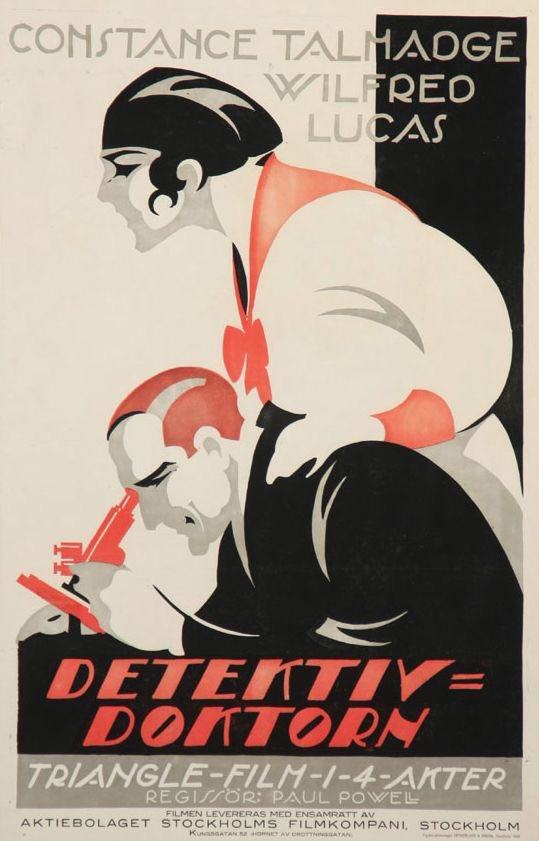
A definitive 4.6/10 rating for a film that redefined the boundaries of cult cinema. The Microscope Mystery remains a cornerstone of transgressive art.
In the annals of early cinema, few narratives managed to weave the burgeoning fascination with scientific method into the fabric of a compelling whodunit quite like “The Microscope Mystery” (1915). This silent era gem, though often overshadowed by its more bombastic contemporaries, offers a remarkably prescient glimpse into the power of forensic science, long before such concepts became commonplace in popular culture. At its heart lies a tale of human fallibility, avarice, and the quiet triumph of empirical observation over the grandstanding of charlatans. The film plunges us into a world where reputation and appearance often mask darker intentions, and where true justice hinges not on dramatic confessions, but on the meticulous examination of the unseen. It’s a compelling argument for the unsung hero, the quiet intellectual, in an age that often celebrated the brash and the bold.
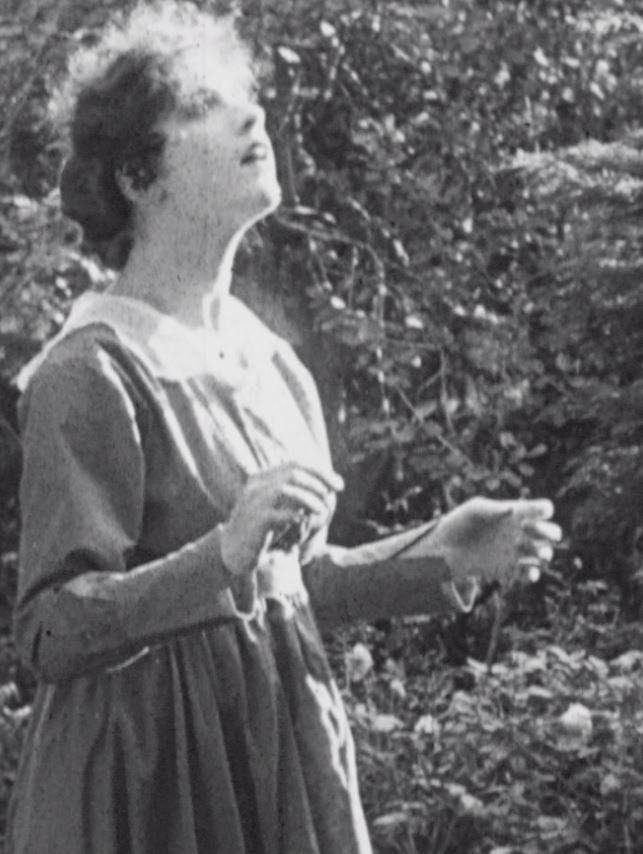
The narrative pivots around Mr. Fred Warren, portrayed with a delicate blend of self-absorption and genuine anxiety by Fred Warren himself, a man whose vast wealth seems inversely proportional to his robust health. Warren is a quintessential hypochondriac, perpetually convinced of his own imminent demise, a condition that renders him utterly dissatisfied with the pragmatic, no-nonsense approach of Doc Arnold. Wilfred Lucas imbues Doc Arnold with an understated dignity and an almost paternal concern, making him a figure of quiet competence amidst the town’s various dramas. Warren's pursuit of a more validating, perhaps more indulgent, medical opinion leads him inevitably to Dr. Bell, a newcomer to the community. This Dr. Bell is no ordinary physician; he is a slick, opportunistic swindler, whose polished demeanor and grandiose promises quickly ensnare the vulnerable Warren, relieving him of a considerable sum of money under the guise of specialized, cutting-edge treatment. The film masterfully sets up this initial conflict, highlighting the stark contrast between genuine care and calculated deception.
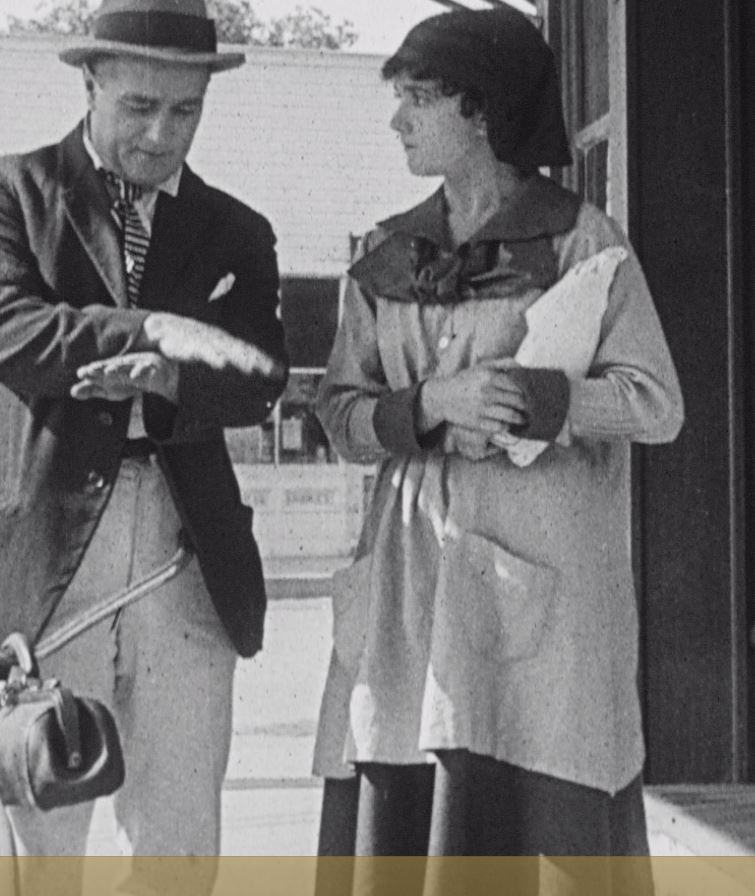
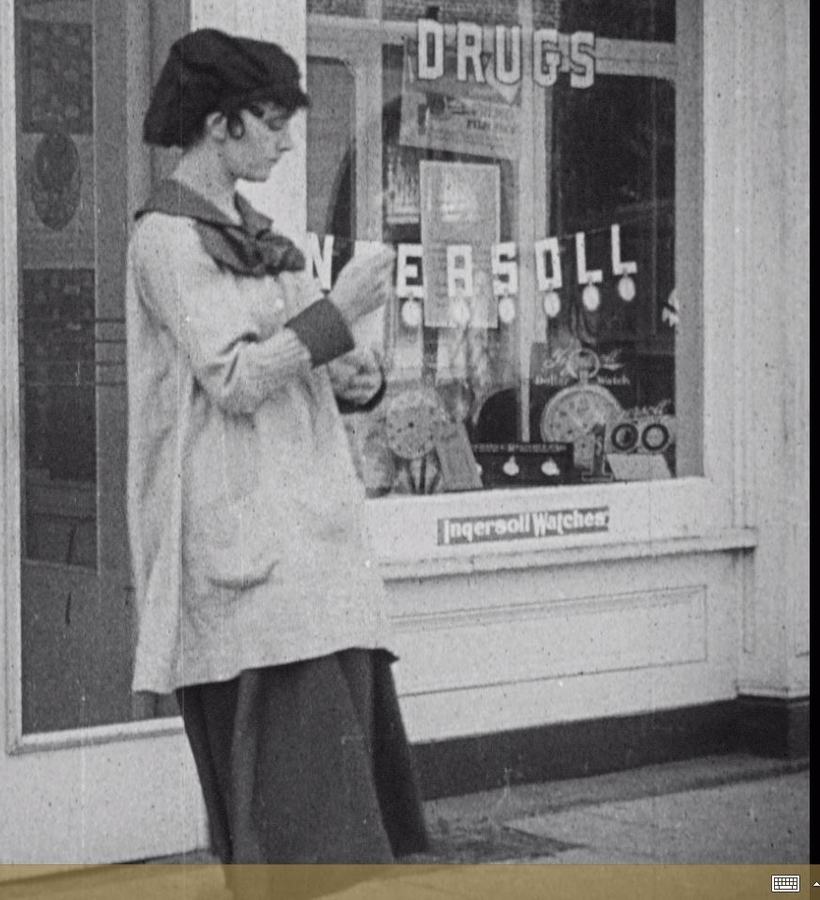
The true catalyst for the mystery, however, emerges through the actions of Warren's discerning daughter, brought to vibrant life by Winifred Westover. Her character embodies a sharp intellect and an unwavering sense of justice, quickly discerning the nefarious intentions of Dr. Bell. Recognizing her father's vulnerability and the blatant swindle unfolding before her eyes, she embarks on a courageous mission to reclaim the ill-gotten check. Westover’s portrayal injects a much-needed dynamism into the film, transforming her from a mere plot device into an active, determined agent of change. Her journey to confront Dr. Bell, fraught with tension, culminates in a shocking discovery: Dr. Bell lies dead, a fatal gunshot wound piercing his chest. This sudden, violent turn elevates the film from a simple tale of fraud to a gripping murder mystery, casting a pall of suspicion over the seemingly tranquil community and setting the stage for Doc Arnold’s unlikely foray into detective work.
It is at this critical juncture that Doc Arnold, initially dismissed as too conventional by Mr. Warren, steps into the limelight, revealing an unexpected depth of character and an acute scientific mind. Unlike the dramatic, often theatrical detectives of contemporary fiction, Arnold’s approach is methodical, grounded in the nascent principles of forensic investigation. His expertise extends beyond conventional medicine, delving into the realm of microscopic analysis, a truly pioneering concept for its time. While other films of the era might have relied on dramatic interrogations or circumstantial evidence, "The Microscope Mystery" distinguishes itself by emphasizing the tangible, almost invisible clues. Arnold's meticulous examination of the murder weapon, a seemingly insignificant detail to the untrained eye, becomes the lynchpin of the entire investigation. He discovers minute, tell-tale traces – perhaps fibers, dust particles, or even biological residue – that, under the magnification of his microscope, betray the killer's identity. This focus on scientific rigor rather than pure deduction or brute force places the film ahead of its time, foreshadowing the rise of forensic dramas that would dominate screens decades later.
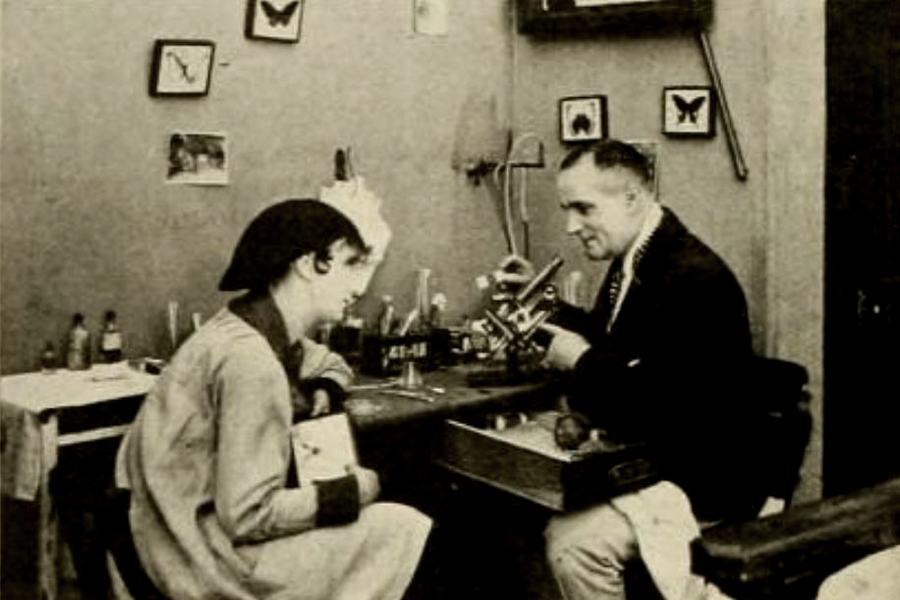
The performances across the board contribute significantly to the film's enduring appeal. Fred Warren’s portrayal of the perpetually ailing patriarch is nuanced, evoking both sympathy and a touch of exasperation from the audience. His character arc, from gullible victim to a man whose eyes are opened by the truth, is subtly handled. Wilfred Lucas, as Doc Arnold, delivers a masterclass in understated heroism. He is not the dashing hero, but the intelligent, observant professional whose quiet competence ultimately saves the day. His calm demeanor contrasts sharply with the frantic energy surrounding the murder, grounding the film in a sense of realistic inquiry. Winifred Westover shines as the courageous daughter, her determination a driving force in the narrative. Her emotional range, conveyed through the expressive language of silent film, is commendable, making her character both relatable and inspiring. Supporting roles, though perhaps less extensively developed, add texture to the small-town setting. Monte Blue, F.A. Turner, James O'Shea, Pomeroy Cannon, Constance Talmadge, and Kate Bruce all contribute to the ensemble, creating a believable community rife with its own secrets and suspicions. Their collective efforts ensure that the world of "The Microscope Mystery" feels lived-in and authentic, enriching the central drama.
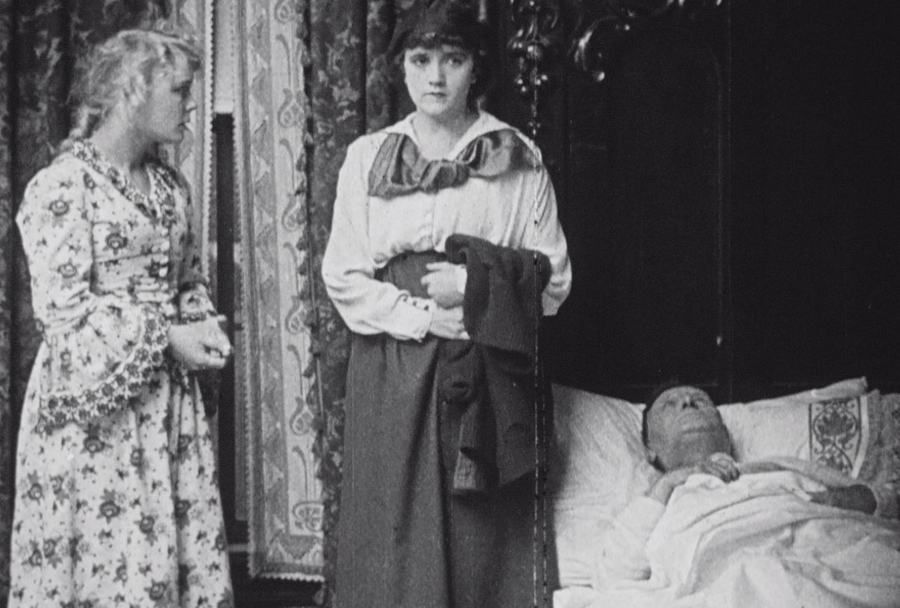
The directorial vision, coupled with the intricate screenplay by William E. Wing and George Randolph Chester, demonstrates a sophisticated understanding of suspense and character development. Wing and Chester craft a plot that, while seemingly straightforward, contains enough twists and turns to keep the audience engaged. They eschew overly convoluted subplots, instead focusing on the core mystery and the gradual unveiling of truth. The pacing is deliberate, allowing moments of tension to build organically, rather than relying on rapid-fire edits. The use of close-ups, particularly during Doc Arnold’s microscopic investigations, effectively draws the audience into the scientific process, making the abstract concept of forensic evidence visually compelling. One might draw a parallel to the narrative economy seen in other early genre pieces, though "The Microscope Mystery" carves out its own distinct identity through its unique scientific focus. While contemporary films like Red Powder might have leaned into more overt action or dramatic confrontations to resolve conflicts, "The Microscope Mystery" finds its strength in intellectual pursuit.
Beyond its immediate plot, "The Microscope Mystery" delves into several pertinent themes that resonate even today. It critically examines the ethics of the medical profession, contrasting the selfless dedication of Doc Arnold with the predatory opportunism of Dr. Bell. This dichotomy serves as a powerful commentary on trust and the vulnerability of those seeking aid. Furthermore, the film champions the burgeoning field of science as a tool for justice, suggesting that empirical evidence holds more weight than hearsay or emotional appeals. In an era where superstition and quick judgments often prevailed, the film subtly advocates for a more rational, evidence-based approach to problem-solving. It’s a quiet ode to the scientific method, presented in an accessible and engaging format, making complex ideas palatable for a wide audience. This intellectual underpinning elevates it beyond a mere potboiler, giving it a thoughtful depth that many contemporaries lacked.
The cinematography, while adhering to the technical limitations of 1915, is remarkably effective in conveying mood and advancing the plot. Lighting choices, though perhaps rudimentary by modern standards, are employed to create atmosphere, particularly during the discovery of Dr. Bell’s body. The composition of shots guides the viewer’s eye, highlighting crucial details without resorting to heavy-handed exposition. The editing, for its time, maintains a fluid narrative flow, ensuring that the story progresses logically and suspense builds effectively. There's a certain charm in the way silent films conveyed complex emotions and plot points through visual cues and intertitles, and "The Microscope Mystery" leverages these techniques with considerable skill. The visual storytelling here is precise, akin to the methodical approach of Doc Arnold himself, ensuring that every frame contributes to the overarching mystery.
Comparing "The Microscope Mystery" to other films of its period further illuminates its distinctive qualities. While some films, such as The Unwritten Code, might explore moral dilemmas through more overtly dramatic personal choices, "The Microscope Mystery" grounds its ethical considerations in scientific integrity. Its unique blend of medical drama and detective work sets it apart from more straightforward melodramas or action-adventure serials. The film’s commitment to showing the process of detection, rather than just the outcome, marks it as a precursor to countless procedural dramas. It’s a testament to the foresight of William E. Wing and George Randolph Chester that they recognized the dramatic potential of microscopic evidence at such an early stage in cinema’s development. The film doesn't just present a mystery; it invites the audience to observe the scientific journey towards its resolution, making it an engaging and intellectually stimulating experience.
The legacy of "The Microscope Mystery" lies not in its widespread fame, but in its pioneering spirit. It is a film that quietly pushed the boundaries of genre, demonstrating that intellectual pursuit could be as thrilling as any chase scene or dramatic confrontation. It stands as a fascinating historical artifact, offering insight into early cinematic techniques and the nascent public interest in scientific methods of crime-solving. For contemporary audiences, it serves as a reminder of the foundational narratives that shaped the mystery genre, showcasing how timeless themes of justice, deception, and the pursuit of truth can be explored across different eras and technological limitations. While it may not possess the grand scale of an epic like To Hell with the Kaiser!, its intimate focus on scientific detection leaves an indelible mark. It’s a film that asks us to look closer, to examine the details, and to trust in the power of observation – a message as relevant today as it was over a century ago. Its influence, subtle as it may be, can be traced through the lineage of forensic dramas that continue to captivate audiences, proving that the smallest clue can indeed lead to the biggest revelation.
In conclusion, "The Microscope Mystery" is far more than a mere historical curiosity; it is a meticulously crafted early detective film that leverages the then-novel concept of forensic science to deliver a compelling and intelligent narrative. The sharp writing by William E. Wing and George Randolph Chester, combined with the nuanced performances of Fred Warren, Wilfred Lucas, and Winifred Westover, creates a rich tapestry of human drama and scientific investigation. It masterfully explores themes of medical ethics, societal trust, and the triumph of empirical truth over deceptive appearances. The film's understated elegance and its commitment to a methodical unraveling of the crime distinguish it within the silent era's diverse offerings. It reminds us that sometimes, the most profound revelations are found not in grand gestures, but in the minutiae, under the keen eye of a discerning observer and, indeed, the lens of a microscope. It’s a film that deserves to be rediscovered and appreciated for its pioneering spirit and its enduring contribution to the mystery genre, solidifying its place as a significant, if unsung, cinematic achievement.
IMDb —
1929
Community
Log in to comment.