DbcultAccessing Vault...
Cult Review
Senior Film Conservator
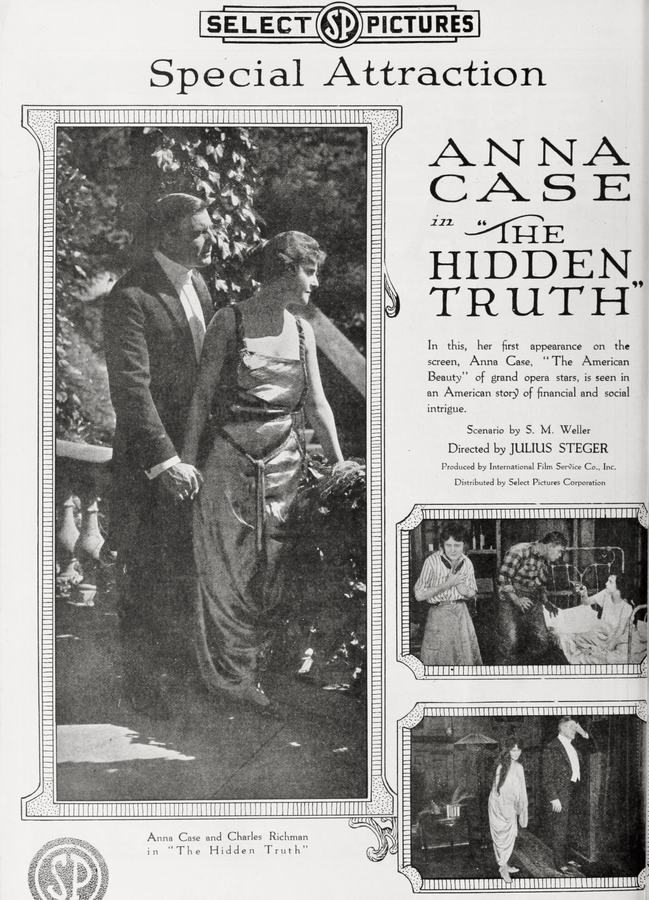
In the annals of early cinema, 'The Hidden Truth' emerges not merely as a relic of a bygone era, but as a surprisingly resonant narrative tapestry woven with threads of desperation, deception, and the enduring quest for redemption. Released in 1916, at a pivotal juncture in filmmaking history where storytelling was rapidly evolving beyond mere spectacle, this silent melodrama, infused with the rugged spirit of the American West, dares to explore the intricate moral quandaries faced by its protagonist, Helen Merrill. It’s a film that demands our attention, not just for its historical context, but for its audacious plotting and the raw emotional performances that transcend the limitations of its medium. It asks us to consider the fluid nature of identity and the complex path to genuine connection, even when paved with lies.
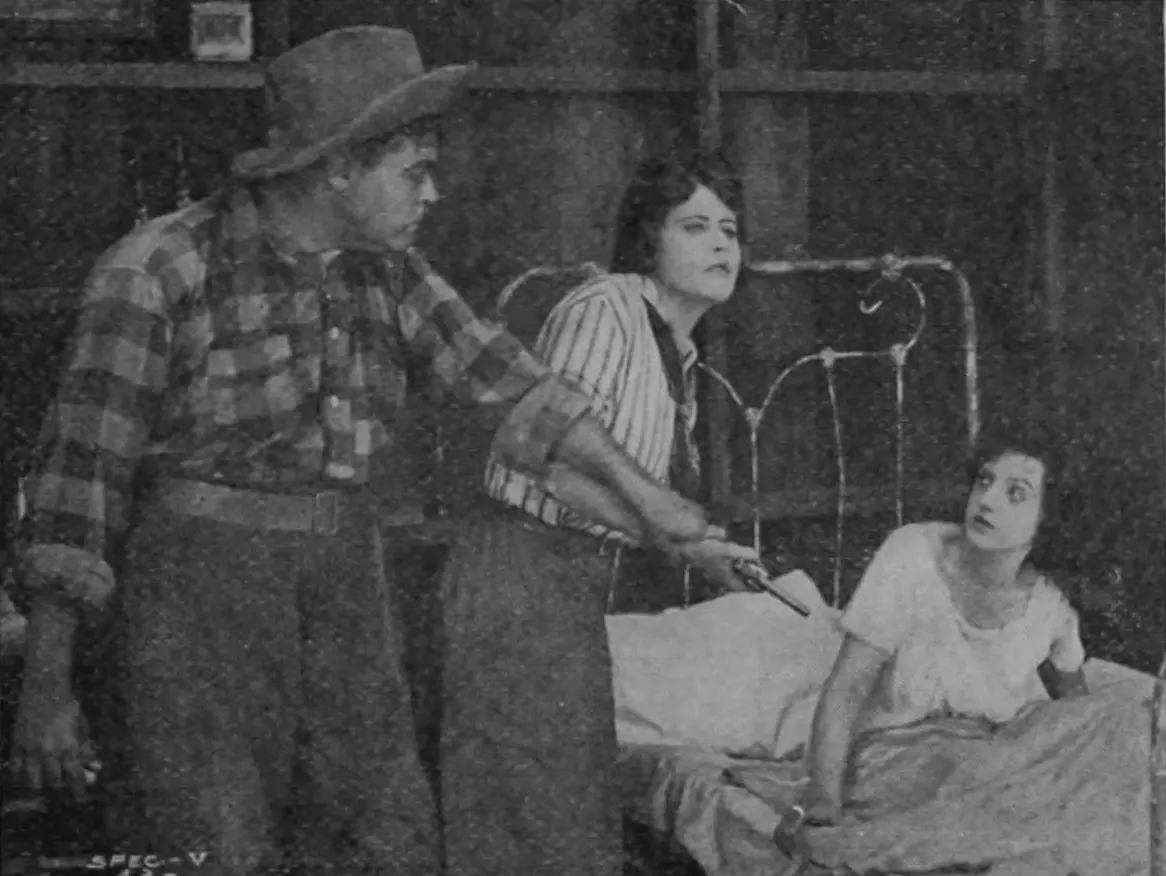
Our journey begins in the aptly named Nugget City, a rough-hewn mining settlement where fortunes are fleeting and life is often brutally cheap. Here, Helen Merrill, portrayed with a compelling blend of resilience and vulnerability by Grace Reals, earns her keep as a singer and dancer, a beacon of fragile beauty in a landscape defined by dust and despair. It's a world where the veneer of civility is thin, easily shattered by the harsh realities of survival and unchecked masculine aggression. Her friendship with Myrtle Cadby, a woman trapped in a cycle of domestic abuse, forms the emotional core of the film's opening act. Myrtle's husband, Jake, is depicted as a monstrous figure, his cruelty a stark reminder of the lawless fringes of society where justice often remains an elusive concept. This initial setting establishes a powerful contrast to the sophisticated world Helen will later inhabit, emphasizing the vast social and moral chasm she must bridge.
The film's portrayal of Nugget City isn't just a backdrop; it's an active character, shaping the destinies of its inhabitants. The dusty streets, the saloons, the constant undercurrent of violence – all contribute to a palpable sense of unease and desperation. This environment forces its characters into extreme situations, making their choices, however morally ambiguous, understandable within their context. Unlike the more idealized frontier narratives, 'The Hidden Truth' doesn't shy away from the darker aspects of the West, painting a picture that feels starkly real, even through the lens of early silent cinema. One might draw a parallel to the raw, unvarnished depiction of frontier life seen in films like Pierre of the Plains or Border Raiders, though 'The Hidden Truth' infuses its Western elements with a distinct melodramatic urgency.
The narrative's pivotal moment arrives with a particularly vicious beating administered by Jake, pushing Myrtle beyond her breaking point. In a desperate act of self-preservation, she shoots her tormentor, a tragic consequence of unchecked brutality. As Myrtle lies dying, seriously injured and facing her final moments, she entrusts Helen with a letter of introduction, a relic of a life unlived, addressed to a man in the East she was to have married. Her dying wish is for Helen to escape Nugget City, to seek a new beginning, perhaps even to find the happiness Myrtle herself was denied. This act of profound trust and desperation places an immense burden upon Helen, setting in motion a chain of events that will test her moral compass and redefine her very identity.
Before Helen can fully embrace this new, uncertain future, another layer of intrigue is peeled back. She overhears a nefarious scheme hatched by Bill Sheridan and "Snipe" Roach, two classic cinematic villains, to swindle a wealthy New Yorker, Charles Taylor, by selling him a 'salted' mine. Their accomplice? None other than Taylor's own mining agent, George Reed. This discovery adds a crucial dimension to Helen's impending journey, transforming her from a mere fugitive from a harsh past into an unwitting bearer of vital, dangerous information. The film masterfully intertwines these two plot threads, demonstrating how seemingly disparate events can converge to shape a singular, dramatic destiny. The moral weight of her decision to leave, coupled with the knowledge of this impending fraud, creates a compelling internal conflict for Helen, foreshadowing the complex ethical landscape she is about to navigate.
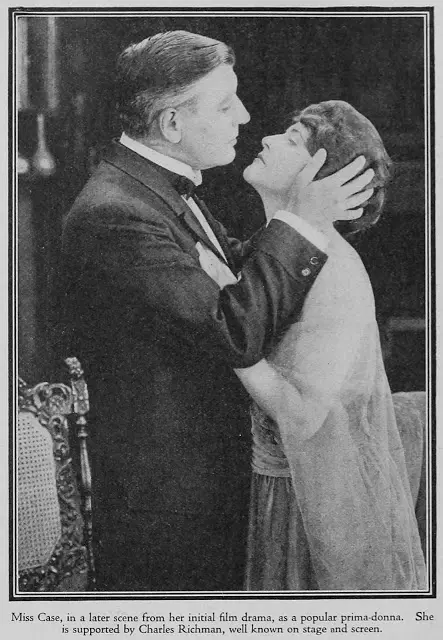
Helen's arrival in the sophisticated East marks a dramatic shift in tone and setting. The dusty frontier is replaced by opulent drawing rooms and the refined manners of New York society. Here, she makes a startling discovery: Charles Taylor, the very man targeted by the mining swindle, is also the man Myrtle was to have married. This revelation presents Helen with an agonizing dilemma. Driven by a burgeoning affection for Taylor, portrayed with dignified charm by Charles Richman, and perhaps a desperate hope for a stable future, she makes the fateful decision to conceal her true identity and masquerade as Myrtle. This act of deception, while morally fraught, is presented with a sympathetic lens, suggesting it stems from a complex mix of protective instinct, a desire to honor Myrtle's memory, and the powerful pull of a new, unexpected love. It's a testament to the film's nuanced characterization that we, the audience, are invited to understand, if not fully condone, Helen's choice.
The ensuing romance between Helen and Taylor, built upon a foundation of lies, is portrayed with the earnestness characteristic of silent era melodramas. Their scenes together are charged with a quiet intensity, relying heavily on expressive glances and gestures to convey the depth of their growing bond. Helen’s internal struggle is palpable; the joy of newfound love is constantly shadowed by the fear of exposure. This tension is masterfully sustained, creating a sense of impending doom that hangs over their blossoming relationship. The film adeptly explores the psychological toll of living a lie, even one born from desperate circumstances. This theme of hidden identities and the personal cost of deception is a recurring motif in cinema, finding echoes in later works that explore similar moral labyrinths, such as Behind Closed Doors or even the more overtly criminal masquerades in serials like The Vampires: The Terrible Wedding, though 'The Hidden Truth' grounds its deception in romantic and survivalist motivations.
As with all carefully constructed deceptions, Helen’s masquerade eventually crumbles. George Reed, the mining agent, returns East, his presence a stark reminder of the past Helen desperately tried to leave behind. His recognition of her, and subsequent disclosure of her true identity to Taylor, is a moment of profound dramatic impact. Taylor’s reaction is swift and severe: denunciation, betrayal, and heartbreak. His world, built on trust and affection, is shattered by the revelation that the woman he loves is not who she claimed to be. This scene is particularly effective in demonstrating the raw emotional power of silent film acting, with both Reals and Richman conveying immense suffering through their physicality and facial expressions. The audience feels the weight of Taylor's betrayal and Helen's crushing despair.
However, the narrative doesn't leave Helen in despair for long. Her earlier, unwitting discovery of the salted mine plot now becomes her ultimate path to redemption. When she intervenes, preventing Taylor from being swindled by Sheridan and Roach, her actions speak louder than any past deception. This act of selfless protection, born from genuine care, transforms Taylor's anger into profound gratitude and admiration. It's a powerful moment of catharsis, where the truth, initially a destructive force, ultimately becomes the foundation for a more honest and enduring connection. Taylor, humbled by her courage and integrity, begs her forgiveness for his harsh judgment and, in a fitting melodramatic flourish, asks for her hand in marriage. This resolution, while perhaps predictable for the genre, provides a satisfying emotional arc for Helen, allowing her to shed the burdens of her past and embrace a future built on authentic love and respect.
'The Hidden Truth' resonates deeply with themes pertinent not only to its era but to timeless human experience. The central conflict revolves around identity – both assumed and authentic. Helen’s journey forces us to question what truly defines a person: their origins, their name, or their actions? The film argues, quite compellingly, that it is the latter. Her ultimate act of thwarting the swindle, rather than her initial deception, is what ultimately redeems her in Taylor’s eyes and, crucially, in the audience's. This thematic exploration of redemption through action is a powerful one, suggesting that past mistakes can be overshadowed by present integrity. Moreover, the film touches upon social justice, highlighting the vulnerability of women like Myrtle in environments where law is weak, and the pervasive nature of greed that drives men like Sheridan and Roach.
The moral ambiguity of Helen's initial deception is handled with a delicate touch, preventing her from becoming a mere villainess. Instead, she is a survivor, making difficult choices in desperate circumstances. This nuanced portrayal elevates the film beyond simplistic morality tales. It’s a narrative that understands the complexities of human motivation, much like the intricate character studies found in films such as The Ruling Passion, which delves into the moral compromises individuals make under duress. The film also subtly critiques the fragility of social status and wealth, demonstrating how easily even a powerful man like Charles Taylor can be exploited by those he trusts. The 'hidden truth' of the title applies not only to Helen's identity but also to the concealed intentions of the villains and the underlying realities of human nature.
As a silent film, 'The Hidden Truth' relies heavily on the evocative power of its performers and the clarity of its direction. Grace Reals delivers a performance that is both emotionally resonant and physically expressive. Her portrayal of Helen Merrill captures the character's transition from a hardened survivor to a woman in love, constantly battling her conscience. Her eyes, her gestures, and her posture convey a remarkable range of emotions, from fear and desperation to hope and tender affection. Charles Richman, as Charles Taylor, projects an air of integrity and vulnerability, making his eventual forgiveness of Helen both believable and emotionally satisfying. The supporting cast, particularly Fred Hearn as the brutal Jake and the actors portraying the scheming villains, effectively embody their archetypal roles, driving the conflict forward with conviction.
Director S.M. Weller demonstrates a commendable grasp of visual storytelling, using camera placement and editing to maintain a steady narrative pace. The film's intertitles are used judiciously, providing necessary exposition without overwhelming the visual narrative. The contrast between the stark, wide-open spaces of the West and the ornate, confined interiors of the East is effectively utilized to underscore the protagonist’s journey and the different worlds she navigates. While perhaps not as experimental as some of its European contemporaries like Zigomar contre Nick Carter, Weller's direction is competent and ensures the emotional beats land with impact, a crucial aspect for audience engagement in the silent era. The film serves as a solid example of the narrative sophistication silent cinema had achieved by the mid-1910s.
Released in 1916, 'The Hidden Truth' sits comfortably within a period of rapid evolution for the American film industry. Feature films were becoming the norm, and studios were refining their narrative techniques, moving away from short, episodic tales towards more complex, character-driven stories. This was an era where melodramas reigned supreme, often exploring themes of virtue, vice, and societal pressures, and frequently blending genres. 'The Hidden Truth' exemplifies this trend, combining elements of the Western, the romance, and the crime thriller into a cohesive whole. It’s a testament to the versatility of the silent film format that it could so seamlessly accommodate these varied influences.
The film's exploration of moral dilemmas and the consequences of one's actions places it alongside other thought-provoking dramas of the time, such as Der Märtyrer seines Herzens or The Path of Happiness, which also delved into the intricacies of personal sacrifice and ethical choices. While perhaps not as grand in scale or as overtly political as some epics emerging at the time, its intimate focus on Helen's personal struggle provides a compelling counterpoint. Its narrative structure, with its clear progression from a desperate past to a hopeful future, showcases the growing sophistication of screenwriting, moving beyond simple cause-and-effect to explore psychological depth and character development. It is a film that, while adhering to genre conventions, manages to imbue its story with a genuine sense of emotional weight and moral inquiry.
In conclusion, 'The Hidden Truth' stands as a compelling example of early American cinema's capacity for intricate storytelling and emotional depth. It may not possess the grandiosity of some of its more famous contemporaries, but its strength lies in its tight narrative, well-defined characters, and the enduring power of its central themes. The film offers a fascinating glimpse into the moral landscape of the early 20th century, exploring questions of identity, justice, and the transformative power of love and honesty. For cinephiles and historians alike, it's a valuable piece of cinematic heritage, reminding us that even in the silent era, films were capable of speaking volumes, revealing profound truths about the human condition. Its legacy is not just in its historical existence, but in its ability to still resonate with audiences today, proving that a well-told story, regardless of its vintage, always finds a way to shine a light on the hidden truths within us all.
IMDb —
1918
Community
Log in to comment.