DbcultAccessing Vault...
Cult Review
Senior Film Conservator
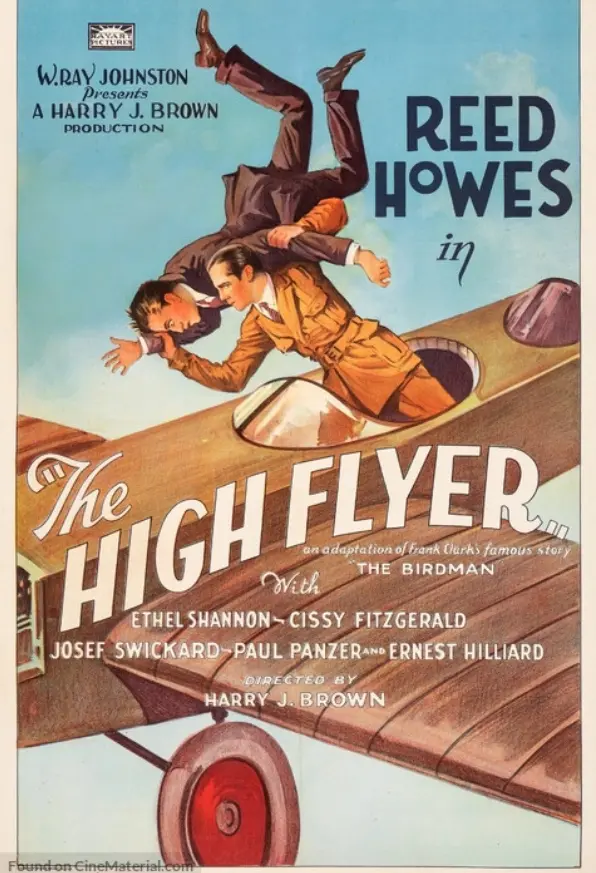
Short answer: Yes, but... The High Flyer, directed by J. Frank Clark, is a fascinating exploration of early 20th-century aviation with a well-told romantic subplot. However, its adherence to the conventions of its time can make it feel somewhat dated. This film is best appreciated by those with an interest in historical dramas or classic cinema. It is not for modern viewers seeking nuanced character development or complex narrative structures.
The High Flyer excels in its portrayal of the early aviation industry. Reed Howes delivers a nuanced performance as Jim, a war veteran with a passion for innovation. The film's setting in a bustling era of technological advancement brings a sense of authenticity and excitement that is palpable. Furthermore, the film's pacing is well-managed, balancing moments of tension with lighter, comedic scenes that provide a welcome respite from the main plot's intensity.
Despite its strengths, The High Flyer suffers from its adherence to the rigid storytelling conventions of its era. The romantic subplot often feels derivative and predictable, with tropes that are now overused. Additionally, the film's dialogue can be stilted and overly formal, which may alienate modern audiences. The film's attempts to incorporate humor often feel forced and lack the subtlety of more contemporary comedy.
You're interested in a classic romance set against the backdrop of early 20th-century aviation. This film offers a glimpse into a fascinating period of history and provides a unique take on the coming-of-age story. If you enjoy films that blend romance, comedy, and historical drama, The High Flyer is worth a watch. However, if you're looking for a modern, deeply nuanced exploration of character and plot, you might find it lacking.
For those with a passion for classic cinema and a curiosity about the early days of aviation, The High Flyer is an engaging and entertaining film. It may not break new ground, but it offers a charming and authentic look at a pivotal moment in history. However, modern viewers should approach it with an understanding of its limitations and perhaps with a sense of nostalgia for its era. It is a film that works because it captures a specific moment in time, but it also fails because it struggles to transcend its era's storytelling conventions.
Reed Howes and Ethel Shannon deliver solid performances, with Howes especially standing out as Jim. His war veteran character is well-crafted, with moments of vulnerability and determination that resonate. Ethel Shannon, playing Winnie, brings a sense of charm and wit that adds depth to the love interest. Supporting actors like James Bradbury and Cissy Fitzgerald also contribute to the film's energy, though their roles are somewhat underutilized.
J. Frank Clark's direction is competent, though not particularly innovative. The film's pacing is generally well-managed, with scenes that transition smoothly from one to the next. However, there are moments where the direction feels a bit on-the-nose, particularly in the romantic and comedic scenes. Clark's handling of the aviation sequences, however, is impressive, capturing the excitement and danger of early flight with a sense of authenticity.
The cinematography of The High Flyer is a standout element. The film's visuals are striking, particularly in the scenes depicting the airplane designs and the bustling airport. The use of lighting and camera angles effectively conveys the sense of wonder and excitement that comes with early aviation. The vibrant colors and dynamic shots of the aircraft in action create an aspirational atmosphere that enhances the film's overall appeal.
The pacing of The High Flyer is generally well-balanced, with moments of tension interwoven with lighter, more comedic scenes. This balance helps to maintain the audience's interest throughout the film. However, there are a few moments where the pacing feels a bit slow, particularly in the middle act, where the plot may seem to drag a bit. Overall, the film's pacing is serviceable, though it could benefit from a more streamlined approach to its narrative structure.
The tone of The High Flyer is a mix of romance, comedy, and suspense. The film strikes a balance between these elements, creating a sense of intrigue and excitement. The romantic tension between Jim and Winnie is well-played, with moments of flirtation and subtle flirtation that add to the film's charm. The comedic elements, while not always successful, provide a welcome contrast to the more serious parts of the narrative. The film's overall tone is engaging, though it may not appeal to audiences who prefer a more serious or dramatic approach to storytelling.
In conclusion, The High Flyer is a film that captures a specific moment in time, offering a charming and authentic look at the early days of aviation. While it may not break new ground, it is an engaging and entertaining film for those with an interest in classic cinema. However, it may not appeal to modern viewers seeking a more nuanced and complex narrative. Ultimately, The High Flyer is a testament to its era, but it also serves as a reminder of how stories and conventions have evolved over time.
IMDb 6.3
1927
Community
Log in to comment.