DbcultAccessing Vault...
6.8/10
Senior Film Conservator
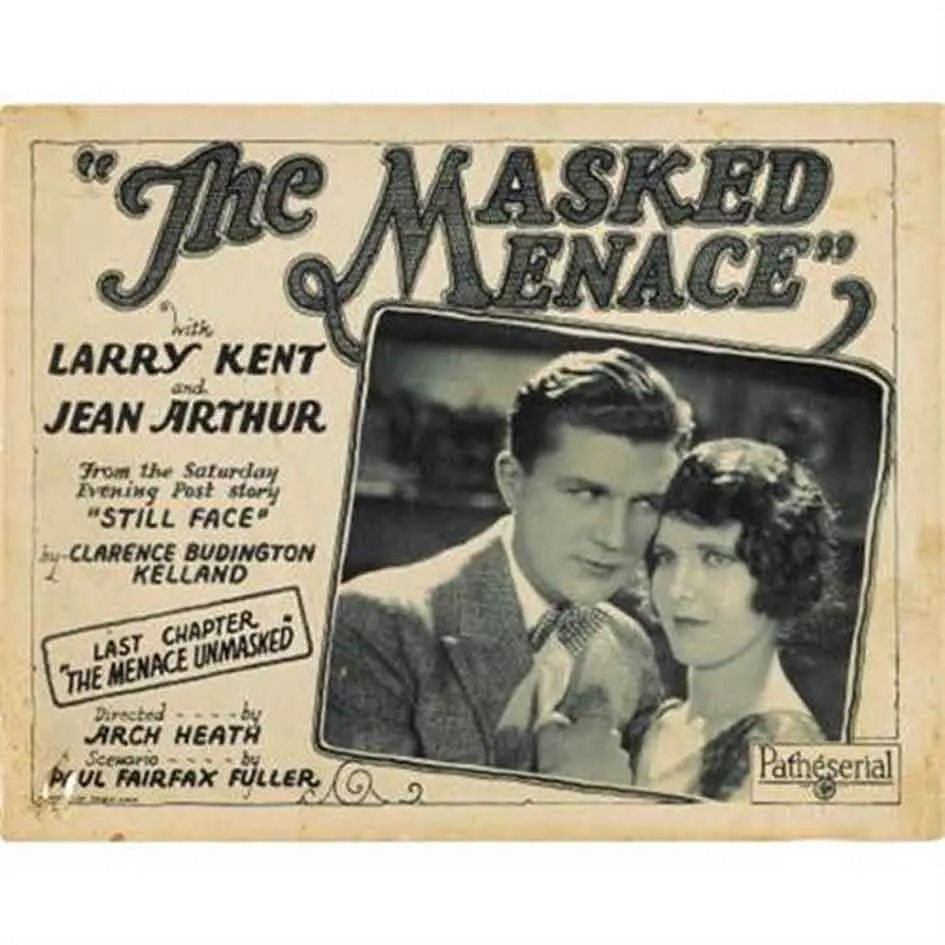
A definitive 6.8/10 rating for a film that redefined the boundaries of cult cinema. The Masked Menace remains a cornerstone of transgressive art.
Is "The Masked Menace" worth watching today? Short answer: yes, but with significant caveats. This early silent serial, a relic from cinema’s formative years, offers a fascinating, if sometimes frustrating, glimpse into the medium's past. It’s a film that demands patience and a keen interest in historical context, rather than delivering instant gratification.
This film is unequivocally for devout classic film scholars, ardent fans of silent cinema, and those curious about the embryonic stages of performers like Jean Arthur. It is decidedly NOT for viewers seeking modern pacing, sophisticated narratives, or high-fidelity visual and auditory experiences. Approach it as an archaeological dig into cinematic history, not a contemporary thrill ride.
Early in its run, a few things become clear about "The Masked Menace":
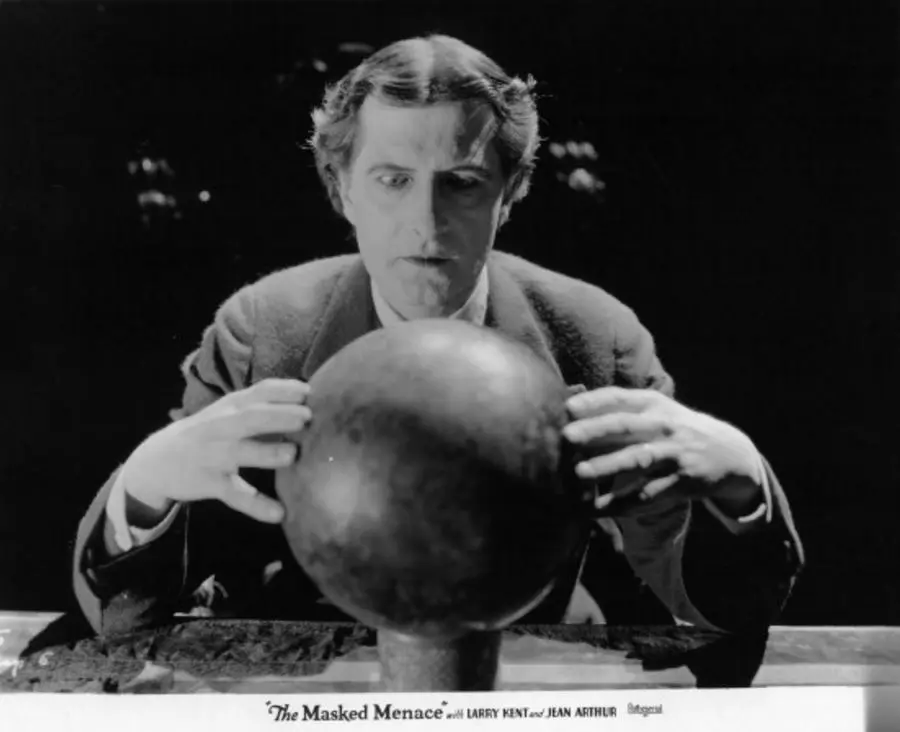
"The Masked Menace" stands as a testament to the popular appeal of the silent serial, a format designed to draw audiences back week after week with its tantalizing cliffhangers and episodic thrills. In an era before sound, these films relied heavily on visual storytelling, exaggerated performances, and a relentless pace, often at the expense of intricate character development or logical consistency. This particular serial, with its enigmatic villain "Still Face" and the constant threat to the mill, embodies many of the genre's defining characteristics.
The pacing, while jarring to modern sensibilities accustomed to tightly edited features, was precisely what made these serials work. Each chapter, typically running between 15-25 minutes, would introduce a new peril, heighten the existing stakes, and conclude on a moment of extreme danger – the hero tied to a log heading for a saw, or the heroine trapped in a burning building. "The Masked Menace" adheres to this formula rigidly, ensuring that the terror at the mill, whether from a shadowy figure or an impending financial ruin, is constantly refreshed. It's a method of storytelling that prioritizes immediate excitement over long-term narrative arcs, a distinction crucial for appreciating its design.
One could argue that the true genius of these serials wasn't their individual narrative strength, but their cumulative effect. The promise of the next installment, the communal experience of discussing the latest twist, was a powerful draw. "The Masked Menace" capitalizes on this, creating a pervasive atmosphere of unease around the mill. The recurring visual of the mill's massive gears, often accompanied by a sense of impending doom, becomes almost a character in itself, embodying the relentless pressure faced by Faith Newton and her guardian. It's a simple, effective piece of set design that grounds the fantastical elements in a tangible, working-class reality.
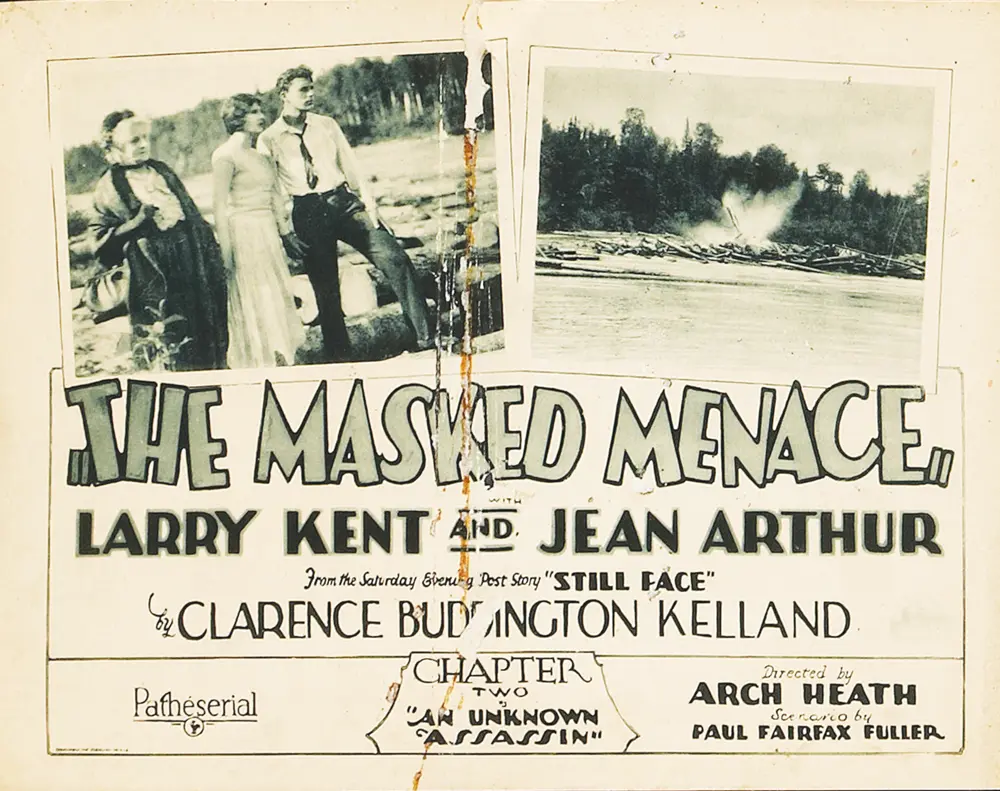
For many, the most compelling reason to revisit "The Masked Menace" is to witness the nascent talent of Jean Arthur. Before she became the sardonic, quick-witted heroine of Capra's golden age, Arthur was navigating the often-melodramatic waters of silent cinema. Her portrayal of Faith Newton here is a fascinating study in her early acting style, a raw, unpolished version of the screen persona that would later captivate millions. While her performance is undoubtedly a product of its time, marked by the broader gestures and more overt emotional displays common in silent films, flashes of her unique charm are discernible.
Observe her early scenes where Faith confronts the shadowy figure near the mill's waterwheel; her wide-eyed terror quickly shifts to a defiant stance, a subtle foreshadowing of her future heroines who, despite initial vulnerability, always find their inner strength. It's not the nuanced, understated performance we'd see in films like Mr. Smith Goes to Washington, but rather a blueprint. Her physical comedy and expressive eyes, even through the heavy makeup of the era, hint at the comedic timing and emotional depth she would later master. Larry Kent, as Keats Dodd, provides a sturdy, if somewhat generic, heroic counterpart. His interactions with Arthur, while limited by the serial's focus on action, still manage to convey a budding chemistry that serves the narrative well.
It's a performance that, while not a highlight reel, offers invaluable insight into the developmental trajectory of a true screen legend. To see Arthur here is to understand the foundational work that went into building her iconic status, a reminder that even the greatest stars honed their craft in unexpected places. The theatricality of the period demanded a certain kind of performance, and Arthur, even then, was learning to project emotion across the silent screen with compelling force.
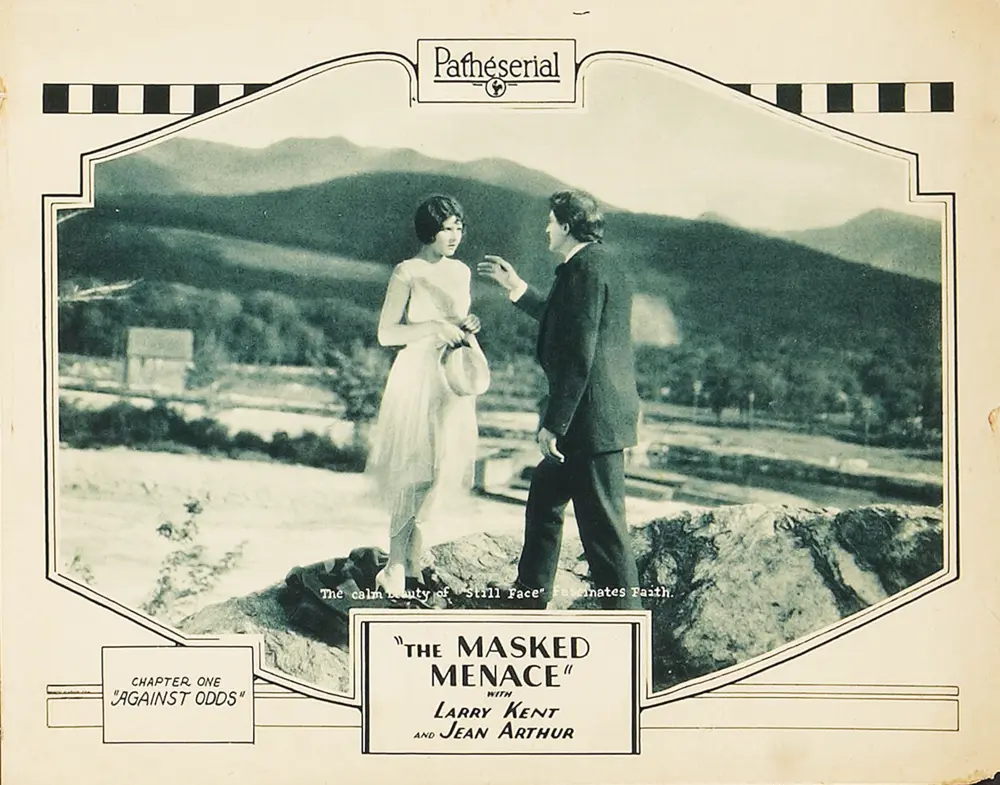
The direction in "The Masked Menace," while adhering to the conventions of the serial format, makes effective use of its limited resources to build a sense of dread. The mill itself is depicted not just as a setting, but as a character, its imposing structure and intricate machinery constantly threatening to ensnare or crush its inhabitants. The director, working within the constraints of early cinema, understands the power of suggestion and atmosphere over explicit horror.
Cinematography plays a crucial role in establishing the tone. The use of deep shadows, particularly in the interior shots of the mill and during the nighttime sequences, effectively obscures the villain "Still Face" and amplifies the mystery surrounding his identity. There are moments when the camera lingers on the masked figure's silhouette, his stillness contrasting sharply with the frantic activity of his victims, creating genuine tension. This stark visual style, while rudimentary by modern standards, was highly effective for its contemporary audience, tapping into primal fears of the unknown and unseen.
Consider the sequence where Faith Newton finds herself cornered within the mill's labyrinthine passages. The framing often places her small figure against the backdrop of massive, looming machinery, visually emphasizing her vulnerability. This recurring motif, a character overwhelmed by their environment, is a simple yet powerful directorial choice that underscores the pervasive threat. The tone is consistently one of low-level anxiety punctuated by moments of overt peril, a balancing act that was essential for maintaining audience engagement across multiple chapters. The film's creative team understood that true fear in a serial wasn't about gore, but about the constant, nagging feeling that danger lurked just around the corner, or behind the next masked face.
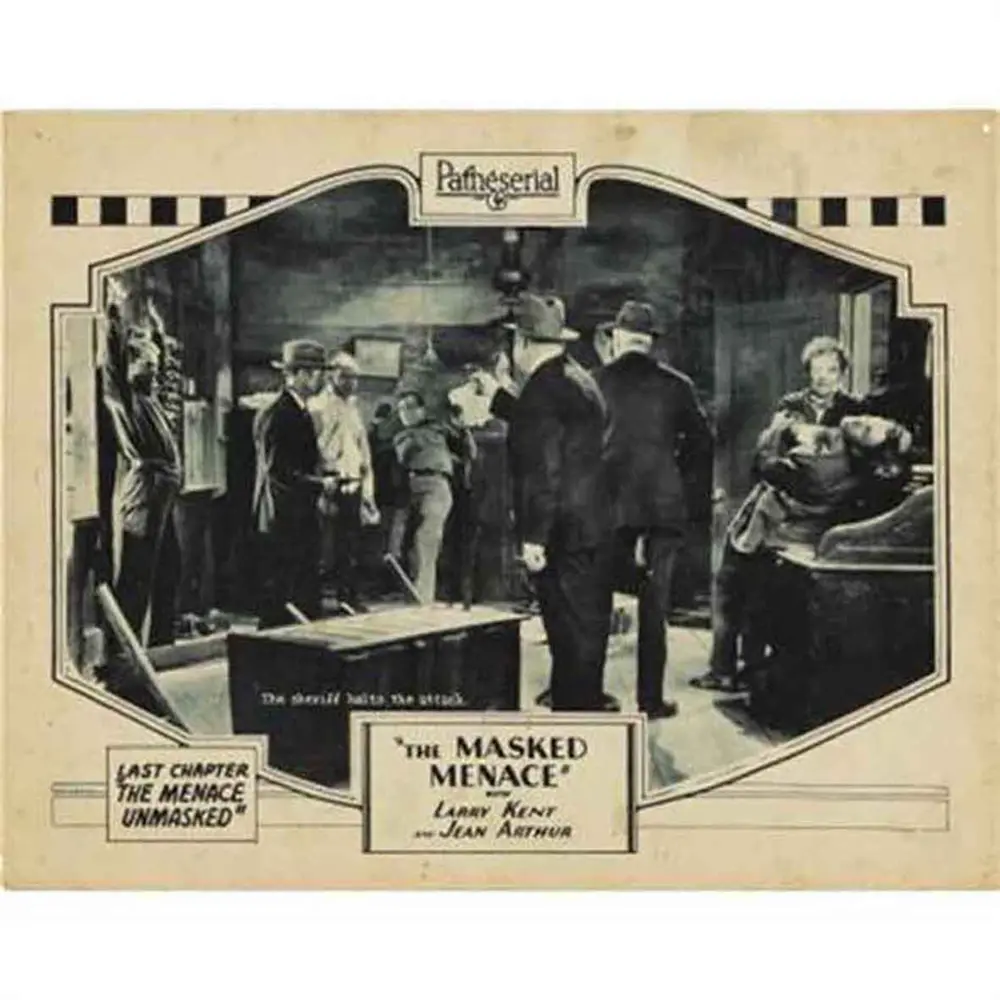
The rhythmic narrative of "The Masked Menace" is dictated entirely by its serial structure. Unlike a feature film designed for a single sitting, this production was crafted to deliver a concentrated dose of plot and peril in each chapter, ending on a dramatic cliffhanger that compelled viewers to return. This episodic pacing means that character development is often sacrificed for immediate action, and plot holes are frequently overlooked in the rush to the next suspenseful moment.
Each chapter feels like a mini-adventure, with its own rising action, climax, and abrupt resolution (or lack thereof). While this can feel disjointed to a modern viewer, it was the very essence of the serial experience. The tension isn't built over hours, but rather ratcheted up and released in short, intense bursts. For instance, a typical chapter might involve "Still Face" sabotaging a crucial piece of mill equipment, leading to Faith or Keats having to perform a daring rescue, only for them to find themselves in an even more precarious situation as the reel ends. This relentless back-and-forth can be exhausting, but it also creates a unique sense of narrative propulsion.
The film’s greatest strength, and arguably its biggest flaw, lies in this very pacing. It works as a historical artifact, showcasing a popular entertainment format that defined an era. But it’s flawed. The constant need for a cliffhanger often leads to repetitive scenarios and a suspension of disbelief that stretches even the most forgiving viewer. Modern audiences, accustomed to complex subplots and character arcs, might find the relentless, almost simplistic, pursuit of immediate thrills to be somewhat shallow. Yet, within its own context, this was a highly effective storytelling method, a precursor to today's binge-worthy television series, albeit with a far more direct and less nuanced approach to suspense.
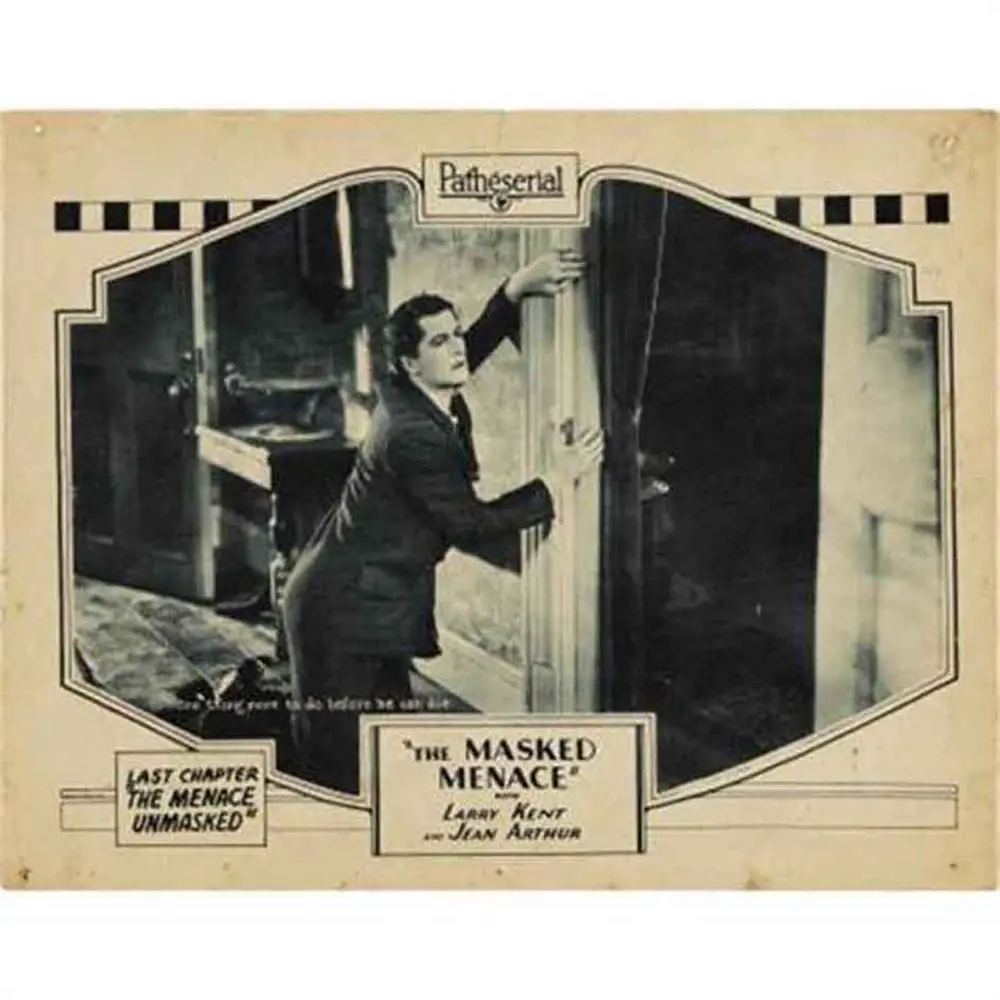
"The Masked Menace" is absolutely worth watching if you possess a genuine interest in silent film history or are a dedicated fan of Jean Arthur's career. It offers a rare glimpse into early cinematic techniques and storytelling. However, if you are looking for a film with modern production values, intricate plotting, or fast pacing, this is not the film for you. It serves as a valuable historical document and an interesting study in the evolution of popular entertainment. It is a niche watch, but a rewarding one for the right audience. Its value lies more in its historical significance than its capacity to entertain a broad contemporary audience.
"The Masked Menace" is not a film for everyone, nor should it be approached with the same expectations one brings to a modern blockbuster. It is, first and foremost, a historical document, a fascinating glimpse into the nascent stages of American popular cinema. Its true value lies in its ability to transport the viewer back to an era where weekly trips to the picture house were a primary source of entertainment, where the promise of a masked villain’s next move was enough to guarantee a return visit.
While its narrative can feel simplistic and its pacing relentless, the film offers a unique opportunity to observe the early artistry of Jean Arthur, a performer whose eventual stardom was clearly foreshadowed even in these rudimentary beginnings. The direction, while constrained by technology, manages to evoke a genuine sense of peril and mystery, making effective use of shadows and the imposing mill setting. The constant threat of "Still Face" resonates as a basic, effective form of fear. It works. But it’s flawed.
Ultimately, I recommend "The Masked Menace" only to those with a deep, abiding interest in silent film and its historical context. It's a challenging watch, demanding a shift in perspective, but for the right audience, it offers rich rewards. It’s a testament to the enduring power of storytelling, even in its most primitive forms, and a vital piece of the cinematic puzzle. For those curious about the roots of suspense and the genesis of a star, this serial is an essential, if demanding, viewing experience. Don't expect a revelation; expect a foundation.
IMDb 8
1934
Community
Log in to comment.