DbcultAccessing Vault...
Cult Review
Senior Film Conservator
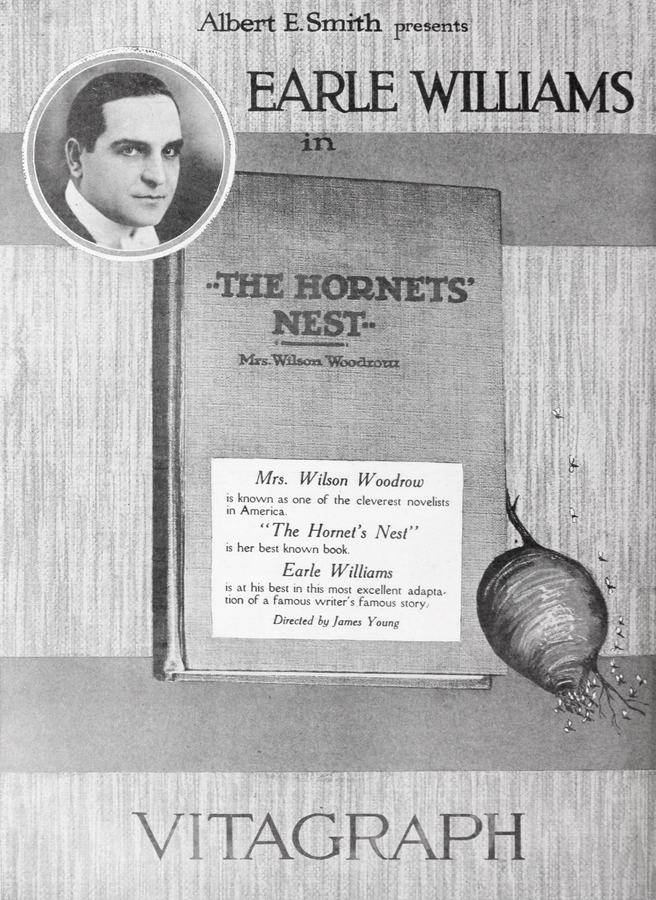
When the reels of The Hornet's Nest begin to spin, the audience is thrust into a world where inheritance is a weapon, love is a gamble, and justice wears a mask. The film, penned by James Dayton and Nancy Mann Waddel Woodrow, unfolds like a meticulously crafted tapestry, each thread representing a character’s motive, each knot a twist of fate. The narrative’s architecture is as intricate as a beehive—hence the titular reference to the “Hornet”—and the director’s deft handling of suspense ensures that every scene reverberates with tension.
Muriel Fletcher’s stratagem of abandoning her purse is a masterstroke of narrative economy. The simple act of dropping a bag becomes a catalyst that propels the story into motion, drawing Ashe Colvin into a vortex of past grievances and present danger. Ashe’s accidental encounter with Freda Whitefield is not merely a plot device; it is a thematic echo of the film’s central motif—past sins resurfacing to haunt the present. The audience, aware of Ashe’s former stature as a district attorney, feels the weight of his humiliation, which fuels his relentless pursuit of redemption.
The Hornet, Fletcher Hempstead, is introduced with a blend of menace and pathos. His descent into forgery and burglary is portrayed not as a moral failing but as a forced response to the Whitefields’ manipulation. This nuanced characterization invites sympathy, positioning him as both antagonist and tragic hero. The alliance between Ashe and the Hornet is a study in unlikely camaraderie, underscored by a shared desire to unmask the Whitefields’ corruption.
Brinsley Shaw (William Whitefield) delivers a performance that oscillates between genteel authority and cold calculation. His eyes, often narrowed, convey a silent menace that speaks louder than any intertitle. Kathleen Kirkham, as Freda Whitefield, embodies the archetype of the femme fatale with a poise that is both alluring and terrifying. Her gestures—an elegant hand to her chin, a lingering stare—are meticulously choreographed to reveal layers of duplicity.
Earle Williams, portraying Ashe Colvin, utilizes subtle facial micro‑expressions to chart his character’s evolution from wounded ex‑prosecutor to determined avenger. Vola Vale’s Muriel is a portrait of youthful resolve; her quick glances and decisive movements betray a maturity beyond her years. Ogden Crane’s Hornet exudes a restless energy; his physicality—quick, darting motions—mirrors the titular insect’s erratic flight pattern.
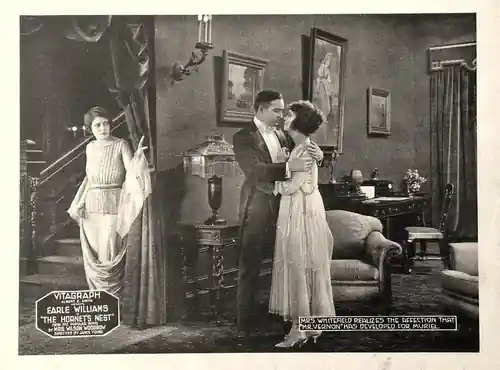
The directors employ chiaroscuro lighting to accentuate the moral ambiguity that permeates the film. Shadows loom over the Whitefields’ mansion, suggesting hidden agendas, while shafts of light illuminate Muriel’s moments of clarity. The camera often lingers on close‑ups of handwritten notes—Muriel’s invitation, the incriminating documents—allowing the audience to linger on the textual evidence that drives the plot forward.
One of the most striking sequences is the safe‑cracking scene. The camera tracks the Hornet’s gloved hands as they manipulate the tumblers, intercut with Ashe’s tense stare. The rhythm of the editing mimics the ticking of a clock, heightening suspense without a single spoken word. This scene is reminiscent of the tension crafted in Over the Top, yet it retains a distinct silent‑era aesthetic.
At its core, The Hornet's Nest interrogates the corrupting influence of wealth and the fragility of reputation. The Whitefields, custodians of Muriel’s fortune, embody the predatory aristocracy that exploits legal loopholes to amass power. Ashe’s downfall, precipitated by a scandal engineered by Freda, underscores the precariousness of public trust in legal institutions—a theme that resonates with contemporary audiences attuned to media‑driven character assassinations.
The film also explores gender dynamics. Muriel, though young, is not a passive damsel; she orchestrates the initial scheme, demonstrating agency that defies the era’s conventional expectations of femininity. Freda, conversely, wields her femininity as a weapon, manipulating societal perceptions to conceal her machinations. This dichotomy invites comparison to the complex female leads in The Girl with the Champagne Eyes, where allure and intellect intertwine.
The screenplay’s pacing is deliberate, allowing tension to build organically. Early scenes establish Muriel’s suspicion through lingering glances and whispered intertitles, while the middle act accelerates as Ashe and the Hornet execute their heist. The climax—Ashe’s arrest while masquerading as Fletcher—unfolds with a crescendo of intercut shots, each frame meticulously timed to maximize dramatic impact.
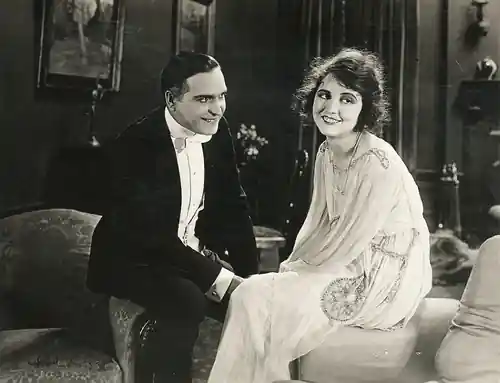
The denouement, wherein the Hornet coerces a confession from Freda, is executed with a quiet intensity. The camera captures Freda’s trembling hands as she signs the incriminating statement, a visual metaphor for the unraveling of her power. Ashe’s release and subsequent embrace with Muriel are rendered with a tenderness that balances the film’s preceding turbulence.
When placed alongside contemporaneous works such as Three Black Eyes and Broken Shadows, The Hornet's Nest distinguishes itself through its intricate plot architecture and its nuanced portrayal of moral ambiguity. While Three Black Eyes leans heavily on melodramatic tropes, and Broken Shadows prioritizes atmospheric dread, The Hornet's Nest weaves a tapestry where intrigue, romance, and social critique coexist harmoniously.
The film’s influence can be traced to later noir classics, where the interplay of corrupt elites and determined protagonists becomes a staple. Its emphasis on visual storytelling—relying on composition, lighting, and gesture—prefigures the techniques later perfected by directors such as Fritz Lang and Billy Wilder.
The intertitles in The Hornet's Nest are crafted with a literary flair that elevates them beyond mere exposition. Phrases like “A promise sealed in ink, a betrayal hidden in shadows” echo poetic sensibilities, reinforcing the film’s thematic undercurrents. The sparing use of text ensures that visual cues remain paramount, a hallmark of masterful silent filmmaking.
More than nine decades after its debut, the film retains a resonant relevance. Its exploration of systemic abuse of power mirrors contemporary discourses surrounding wealth inequality and judicial manipulation. Moreover, Muriel’s proactive stance offers an early cinematic example of a strong female protagonist, predating the feminist wave that would later reshape Hollywood narratives.
For scholars of early cinema, the film serves as a case study in how silent-era directors balanced commercial appeal with artistic ambition. Its seamless integration of romance, crime, and social commentary demonstrates a sophistication that challenges the misconception of silent films as simplistic entertainment.
Every element of The Hornet's Nest—from the meticulous set design of the Whitefield manor to the nuanced performances of its ensemble—coalesces into a cohesive whole that rewards repeated viewings. The film’s ability to convey complex emotional states without spoken dialogue is a testament to the actors’ expressive prowess and the directors’ visual acuity. Its layered narrative invites audiences to dissect motives, question loyalties, and ultimately appreciate the delicate dance between justice and vengeance.
In sum, The Hornet's Nest stands as a luminous example of silent cinema’s capacity for depth, intrigue, and enduring artistic merit. Whether you are a seasoned cinephile or a newcomer to the era, the film offers a rich tapestry of storytelling that continues to buzz with relevance.

IMDb —
1931
Community
Log in to comment.