DbcultAccessing Vault...
Cult Review
Senior Film Conservator
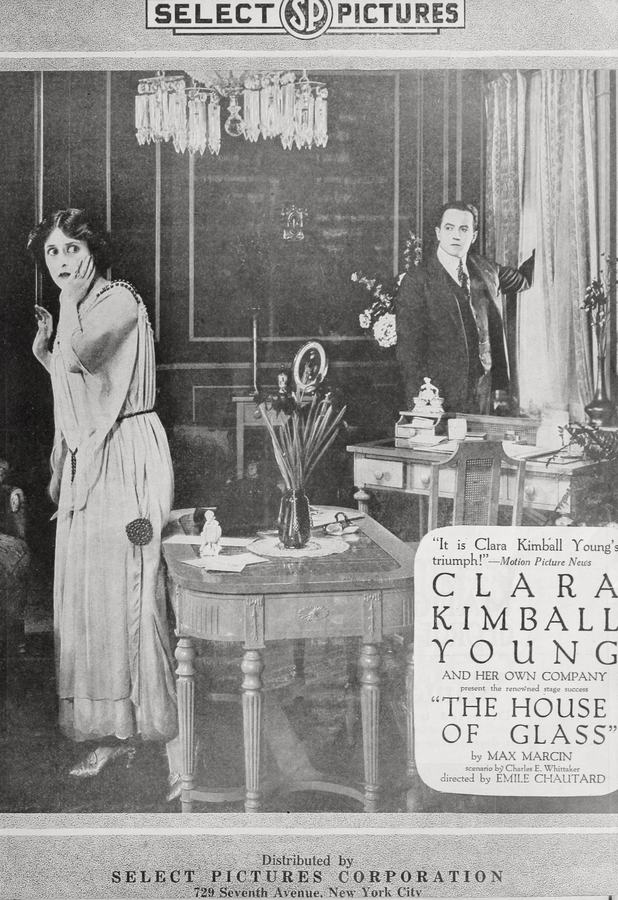
In the annals of cinematic exploration into the human psyche, few films capture the pervasive dread of an inescapable past with the poignant precision of The House of Glass. This silent era gem, penned by Max Marcin and Charles E. Whittaker, is not merely a narrative; it’s a profound meditation on vulnerability, the relentless pursuit of redemption, and the ultimate futility of attempting to wall oneself off from former transgressions. Margaret Case, brought to life with an arresting intensity by Doris Field, embodies the universal longing for a clean slate, a desire for the world to simply forget the chapters she wishes to erase. Her journey, however, quickly devolves into a harrowing testament to the idea that some shadows are simply too long to outrun.
The film masterfully establishes Margaret’s initial state: a woman haunted, yet desperately clinging to the hope offered by a new marriage. This union, seemingly a bastion of security and affection, represents her fervent prayer for normalcy, a chance to shed the burden of her previous errors. The screenplay, rich with unspoken tension, allows us to feel the weight of her secret, the precariousness of her newfound happiness. We see her striving, almost visibly, to inhabit this new identity, to believe in the impenetrable walls of her domestic bliss. The initial scenes are imbued with a deceptive tranquility, a calm before the inevitable storm, expertly crafted to lull both Margaret and the audience into a false sense of security. It’s a narrative technique that builds anticipation, drawing us closer to her internal world, making her eventual downfall all the more impactful.
Doris Field’s portrayal of Margaret is nothing short of exceptional. She conveys an entire spectrum of emotions through subtle gestures, expressive eyes, and a posture that shifts from hopeful uprightness to crushing despondency. Her silent performance speaks volumes, etching Margaret’s internal conflict deep into the viewer’s consciousness. She is not merely playing a character; she is embodying the very essence of a soul caught between aspiration and retribution. The film relies heavily on her ability to communicate the nuanced complexities of her predicament, and Field rises to the occasion with a captivating display of emotional depth, a profound study in the quiet torment of a woman living under the Sword of Damocles. Every flicker of her gaze, every slight tremor of her hand, is a narrative in itself, painting a vivid picture of her mounting anxiety.
The central conflict ignites with the re-entry of Margaret’s nemesis, an antagonist whose very presence threatens to dismantle her carefully constructed world. This isn't just a simple plot device; it's a profound commentary on the persistent nature of past actions and the individuals connected to them. The film doesn't shy away from the brutal reality that some relationships, once forged in error, possess an almost parasitic tenacity, clinging to one's present no matter how far one tries to move. The unmasking of this enemy—whether through a chance encounter or deliberate malice—serves as the catalyst for Margaret’s shattering realization. It’s a moment that rips through the veneer of her new life, exposing the raw, vulnerable core beneath. This antagonist is less a villain in the traditional sense and more a living embodiment of Margaret’s past, a mirror reflecting the choices she yearns to forget, thereby making the confrontation deeply psychological.
The supporting cast, while perhaps less central, contributes significantly to the film’s atmospheric tension. Norman Selby and William Waltman, though their roles are not explicitly detailed in the plot summary, likely embody facets of Margaret’s new life or represent aspects of the encroaching past. Their interactions, however brief, serve to heighten the stakes and underscore the precariousness of Margaret's position. Clara Kimball Young and Corliss Giles, both notable names of the era, would undoubtedly bring their own gravitas to the ensemble, adding layers of intrigue and dramatic weight to the unfolding tragedy. The film, in its silent grandeur, demands expressive performances from every member of its cast, relying on their ability to convey complex motivations without the aid of dialogue. Even actors like Pell Trenton, Peggy Burke, James Laffey, Josie Sadler, and Edward Kimball, in their respective roles, help to build the intricate social fabric that Margaret finds herself entangled within, each glance and gesture adding to the pervasive sense of unease or fleeting comfort.
The titular metaphor, "life is like a house of glass where there is neither security nor seclusion," is not just a poetic phrase; it is the philosophical anchor of the entire production. This concept permeates every frame, every lingering shot, every dramatic revelation. The film visually, if subtly, evokes this transparency. One can almost imagine the sets designed to feel open, exposed, with light streaming through, leaving no corner truly hidden. Perhaps architectural choices like numerous windows, reflective surfaces, or even translucent partitions would have been employed to constantly remind both Margaret and the audience of her exposed state. It's a powerful statement on the illusion of privacy, particularly for those carrying the burden of a scandalous past. Society, represented by the ever-present, unseen "gaze," becomes the external force that shatters Margaret's sanctuary.
This thematic core resonates with other films that explore the inescapable nature of one's history. For instance, the relentless societal judgment and the struggle to overcome a tarnished reputation in The Great Divide presents a similar, albeit perhaps less fatalistic, battle against the past. Similarly, the insidious machinations and the unraveling of a carefully constructed life in The Conspiracy echo the feeling of an external force relentlessly dismantling one's peace. The House of Glass takes this a step further, suggesting that the very structure of existence, for some, is inherently permeable, offering no true refuge. The psychological intensity found in works like Homunculus, which delves into existential angst and the consequences of one's creation, also shares a common thread of being trapped by circumstances or one's own nature. The dramatic weight of past deeds catching up to a protagonist seeking a new life can be observed in films such as Sins of Ambition, where the repercussions of prior choices become an inescapable force, much like Margaret's fate.
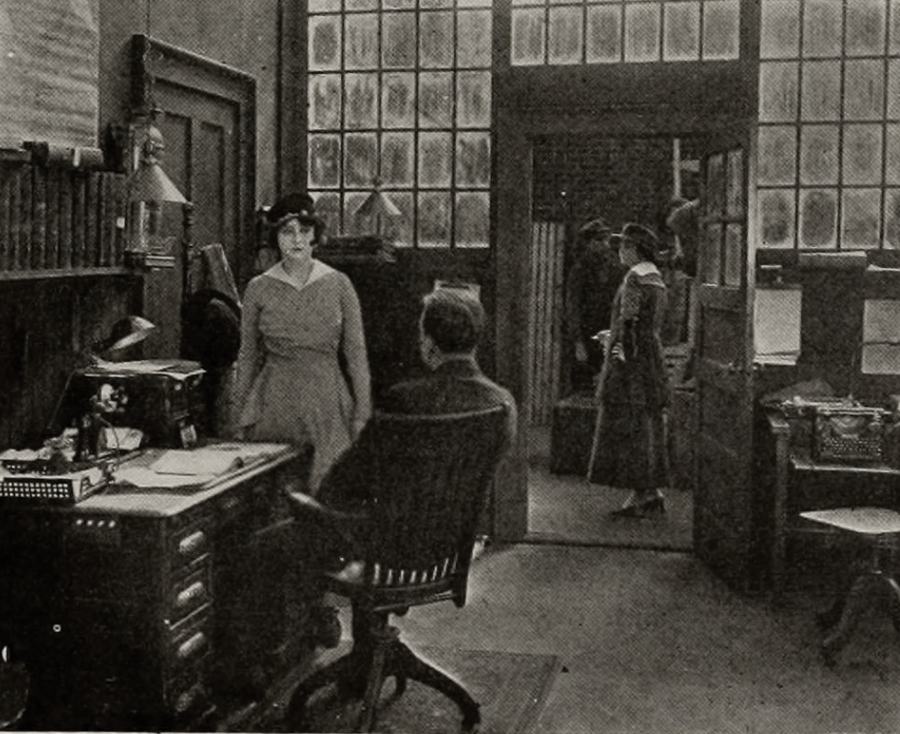
While specific directorial credits are not provided, the execution of The House of Glass demonstrates a keen understanding of silent film aesthetics. The use of close-ups to convey emotion, the dramatic staging of confrontations, and the symbolic deployment of light and shadow would have been crucial in communicating the story’s profound themes. Imagine scenes where Margaret is bathed in harsh, exposing light when confronted by her past, contrasted with softer, more diffused lighting during her moments of fleeting happiness. These visual cues are the lifeblood of silent cinema, and a film centered on such a powerful metaphor would undoubtedly leverage them to their fullest extent. The pacing, too, would be critical – a slow, deliberate build-up to the climax, allowing the tension to coil tighter and tighter, before an explosive, revelatory release. The director’s unseen hand would guide the audience’s gaze, highlighting Margaret’s isolation even amidst company, or emphasizing the sudden, jarring appearance of her adversary.
The narrative structure, a collaboration between Max Marcin and Charles E. Whittaker, is robust. It avoids cheap thrills, instead opting for a psychological unraveling. The writers craft a scenario where the antagonist isn't merely a villain but a mirror reflecting Margaret's own past decisions, making the conflict deeply personal and internally devastating. This kind of character-driven drama, where the external threat is inextricably linked to the protagonist's own history, is a hallmark of compelling storytelling. The plot isn't just about what happens to Margaret, but what happens within her as her defenses crumble. Their ability to convey complex motivations and escalating dread through visual cues and concise intertitles is a testament to their mastery of the silent film medium, ensuring that every plot beat serves to deepen Margaret’s internal crisis and the audience’s empathy for her plight.
The production design, though often uncredited in plot summaries, would have been paramount in conveying the "house of glass" motif. Imagine sets that are elegant yet minimalist, perhaps with numerous windows, mirrors, or reflective surfaces that constantly remind both Margaret and the audience of her exposed state. The costume design, too, would play a role, with Margaret's attire perhaps starting bright and hopeful, gradually becoming more subdued or even ragged as her world collapses. These subtle visual cues are critical in enhancing the film's central metaphor without resorting to heavy-handed exposition. The editor’s role, in particular, would be crucial in sculpting the emotional rhythm, juxtaposing moments of peace with sudden, jarring revelations, thereby intensifying the psychological impact.
The House of Glass stands as a potent reminder of the enduring power of silent cinema to explore complex human emotions and philosophical dilemmas. It’s a film that transcends its era, speaking to timeless anxieties about identity, reputation, and the elusive nature of true security. The raw, unfiltered emotion conveyed by Doris Field, coupled with a screenplay that refuses to offer easy answers, ensures its lasting impact. It doesn't merely tell a story; it poses a question: can anyone truly escape their past, or are we all, in some fundamental way, living in a house of glass, perpetually susceptible to the world's scrutiny? The film leaves an indelible mark, prompting viewers to reflect on their own vulnerabilities and the collective judgment we both fear and, at times, impose.
The ultimate tragedy of Margaret Case is not just the loss of her personal peace, but the dissolution of an ideal. She sought not just forgiveness, but oblivion for her missteps. The film argues, with stark clarity, that such oblivion is a myth. The very act of living, of forming new connections, creates new surfaces for the past to reflect upon. This makes The House of Glass a profoundly melancholic experience, yet one that offers a strange, almost cathartic truth about human existence. It's a cinematic mirror, reflecting our own vulnerabilities and the collective judgment we both fear and, at times, impose. The film's strength lies in its ability to take a relatively simple premise – a past returning to haunt – and imbue it with universal resonance.
It's a testament to the power of silent film to convey complex emotional narratives through visual storytelling and exceptional performances. The ending, without divulging specifics, is likely to leave audiences with a lingering sense of the titular metaphor's profound truth, a stark reminder that true security often comes not from seclusion, but from an honest confrontation with one's own transparent self. This enduring message ensures The House of Glass remains a compelling and relevant piece of cinematic history, inviting viewers to ponder the fragility of their own carefully constructed worlds. It is a masterclass in building tension and delivering a powerful, if somber, philosophical statement on the human condition.
In an era where cinema was still finding its voice, The House of Glass speaks volumes without uttering a single word. It articulates the silent screams of a soul trapped by its own history, the desperate yearning for a fresh start, and the cruel irony when that yearning is met with the unyielding hand of fate. The film serves as a powerful cautionary tale, urging introspection on the nature of accountability and the true cost of attempting to bury one's past rather than confronting it. Its narrative arc is less about external heroics and more about internal endurance, or the lack thereof, when faced with an existential threat to one’s very identity. The meticulous craft evident in the screenplay by Marcin and Whittaker, combined with performances that transcend the limitations of the medium, elevates The House of Glass beyond mere melodrama. It becomes a timeless allegory.
The visual language, no doubt rich with symbolism, would have guided the audience through Margaret’s psychological labyrinth. Every flicker of an eye, every tremor of a hand, every shift in a character's stance contributes to the overall tapestry of despair and fleeting hope. For enthusiasts of classic cinema, and particularly those who appreciate the profound storytelling capabilities of the silent era, The House of Glass is an essential viewing. It’s a film that resonates long after the final frame, prompting contemplation on our own vulnerabilities and the often-transparent nature of our existence. It’s a testament to the fact that some stories, told with enough skill and emotional honesty, require no audible dialogue to be profoundly heard. The echoes of Margaret Case’s shattered peace linger, a poignant reminder that while we may build walls, some truths are destined to shine through, leaving us exposed in our own houses of glass.
IMDb —
1935
Community
Log in to comment.