DbcultAccessing Vault...
4.9/10
Senior Film Conservator
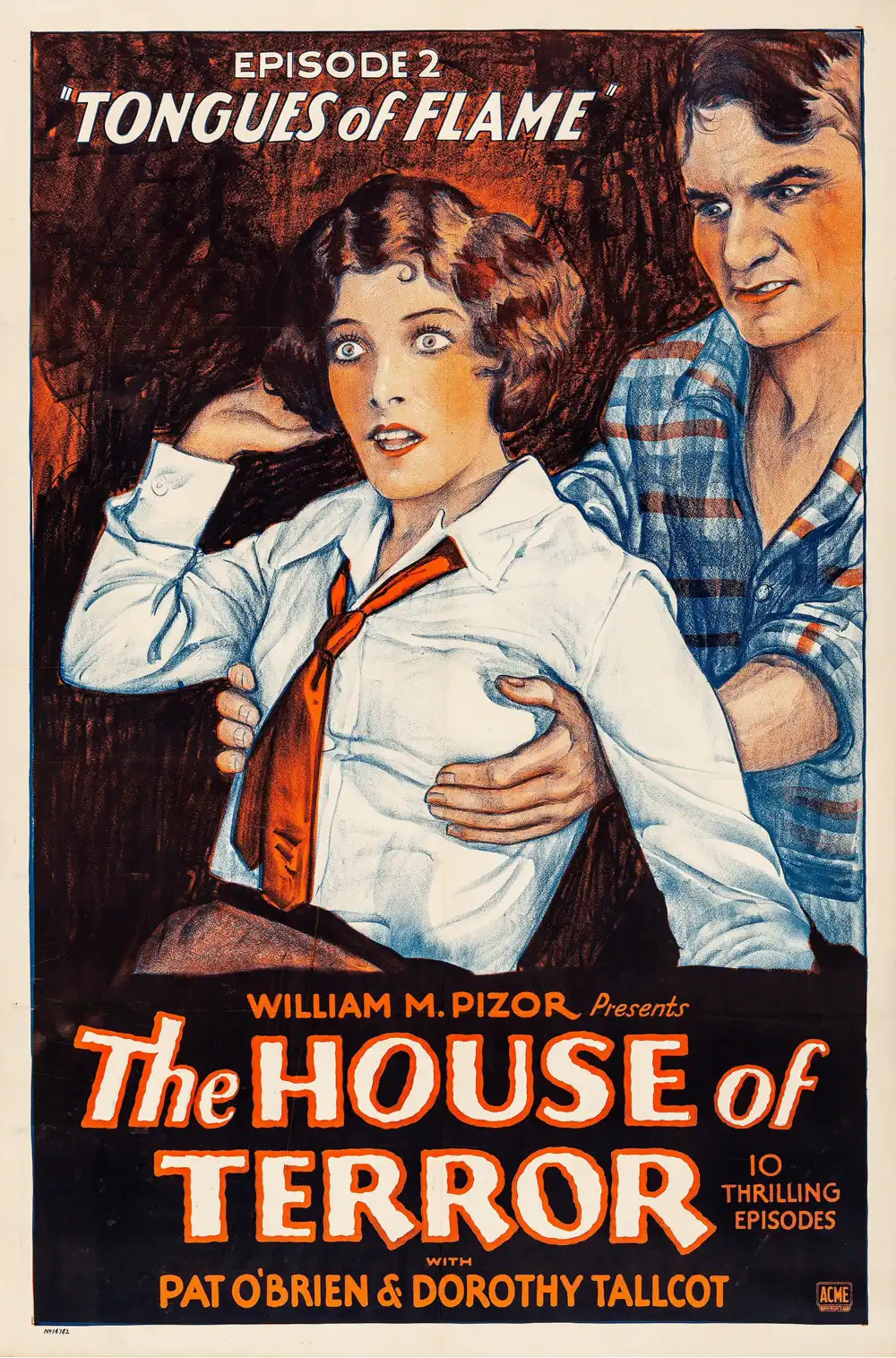
A definitive 4.9/10 rating for a film that redefined the boundaries of cult cinema. The House of Terror remains a cornerstone of transgressive art.
Alright, let’s be upfront about The House of Terror. If you’re here looking for something genuinely scary, or even just a competently paced thriller that holds up to modern standards, you should probably just keep scrolling. Seriously. This one is strictly for the B-movie aficionados, the folks who get a kick out of digging into the dusty corners of cinema history, or anyone with a high tolerance for dated acting and some truly baffling editing choices. If you appreciate the quirks and stumbles of a bygone era, you might actually find something to enjoy here. If you just want a good movie, you'll be bored stiff.
The premise is as old as the hills: a spooky house, a gathering of people, and mysterious things start to happen. It’s the kind of setup that promises dark secrets and jump scares, but what you actually get is more like a series of increasingly polite inconveniences. The film tries very hard to be unsettling, but it rarely achieves anything beyond a mild sense of 'huh, that's odd.'
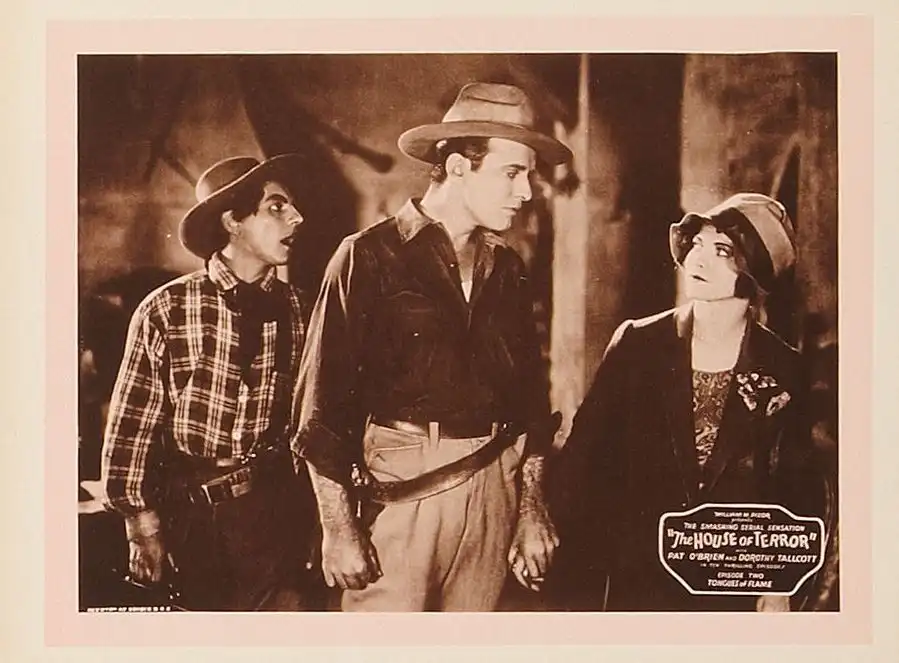
Valerie Burr, as our primary wide-eyed protagonist, gives a performance that oscillates between intense concentration and what looks like sheer bewilderment. There’s a scene early on where she enters a room, presumably to investigate a noise, and just… stands there. For a good twenty seconds. The camera holds on her face, unmoving, and you can practically feel the director willing her to emote. It’s not fear, it’s not curiosity, it’s just a blank slate. You start wondering if she forgot her line, or if the scene was supposed to be longer and they just left that bit in.
Her counterpart, Eugene Burr, has this peculiar delivery style where he often pauses *before* the final, most important word of a sentence. “We must… escape!” or “The killer is… here!” It happens so frequently you start to anticipate it, almost playing a little game with yourself. It pulls you right out of any suspense the film might be trying to build.
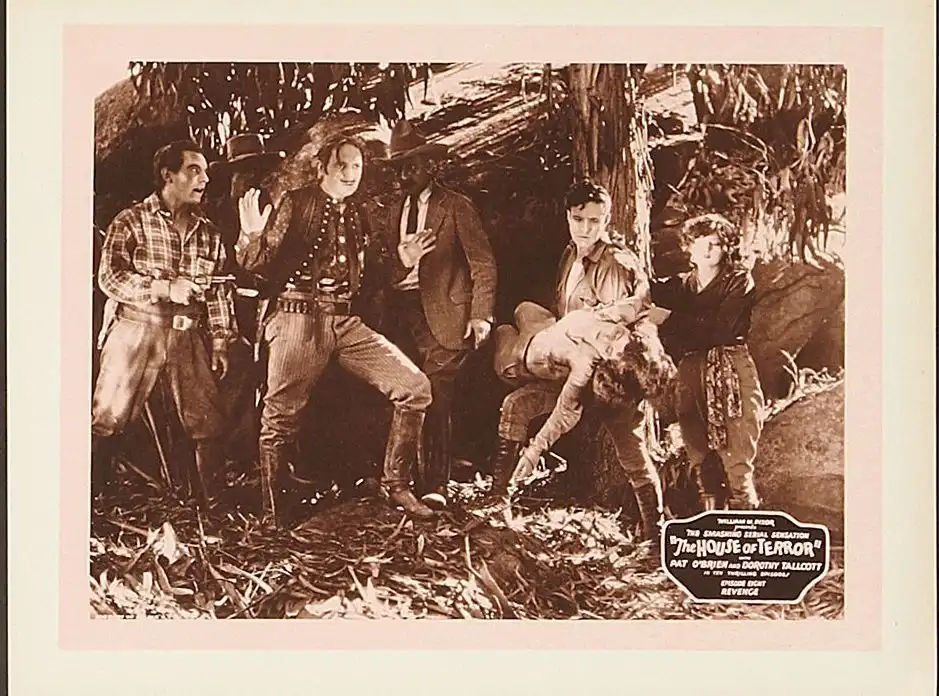
The house itself is a character, sure, full of shadows and creaking floorboards. But then there's this one hallway, almost clinically bright, that completely shatters the illusion. Every time a character steps into it, it looks less like a gothic mansion and more like the corridor of a slightly rundown office building. It’s a weird visual inconsistency that sticks out like a sore thumb.
And the editing! Oh, the editing. Pacing is all over the place. Some scenes drag on for what feels like an eternity, filled with repetitive dialogue about who could possibly be behind the mayhem. Then, a crucial plot point, like the discovery of a body, will flash by so quickly you barely register it. The camera often focuses on the *reaction* to a discovery, rather than the discovery itself. It’s like the film is more interested in the aftermath than the actual inciting incident.
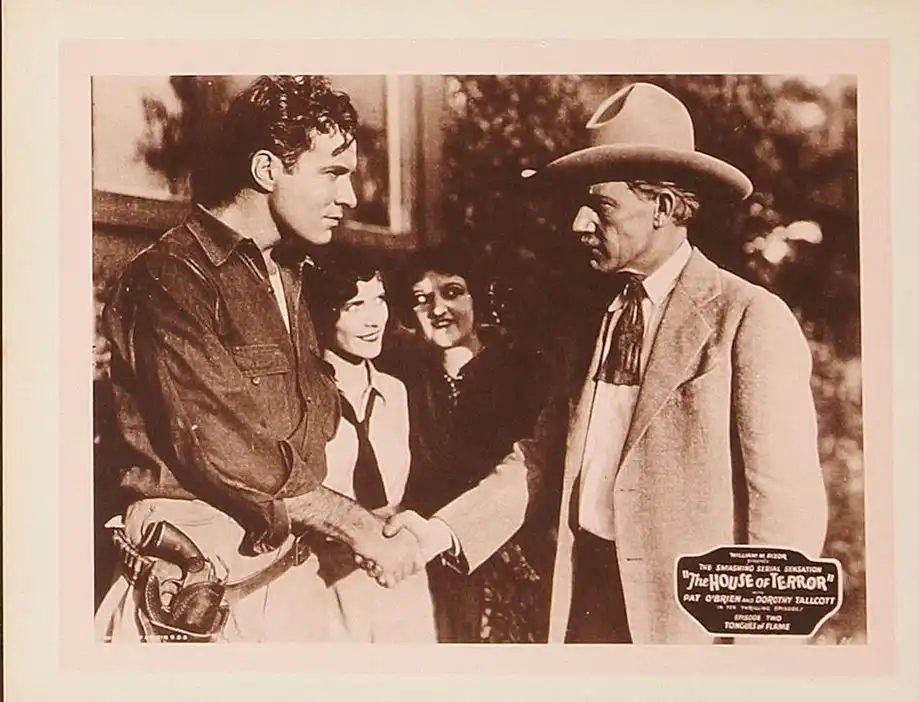
There's a moment when a character stumbles upon a hidden passage. It should be a big reveal, a moment of heightened tension. Instead, it's just a casual push of a bookshelf, and *voila*, secret door. No dramatic music, no lingering shot, just a quick cut. It's almost anticlimactic in its understatedness. You almost wonder if they were trying to save on dramatic flair, or just thought the audience would already be impressed by the concept alone.
Jack La Rue, with his perpetually suspicious gaze, tries his best to inject some gravitas, but his dialogue is so heavy-handed it makes everyone else seem a bit slow on the uptake. Every line he utters is loaded with menace, even when he's just asking for a cup of tea. It makes it pretty clear who you're supposed to be watching.
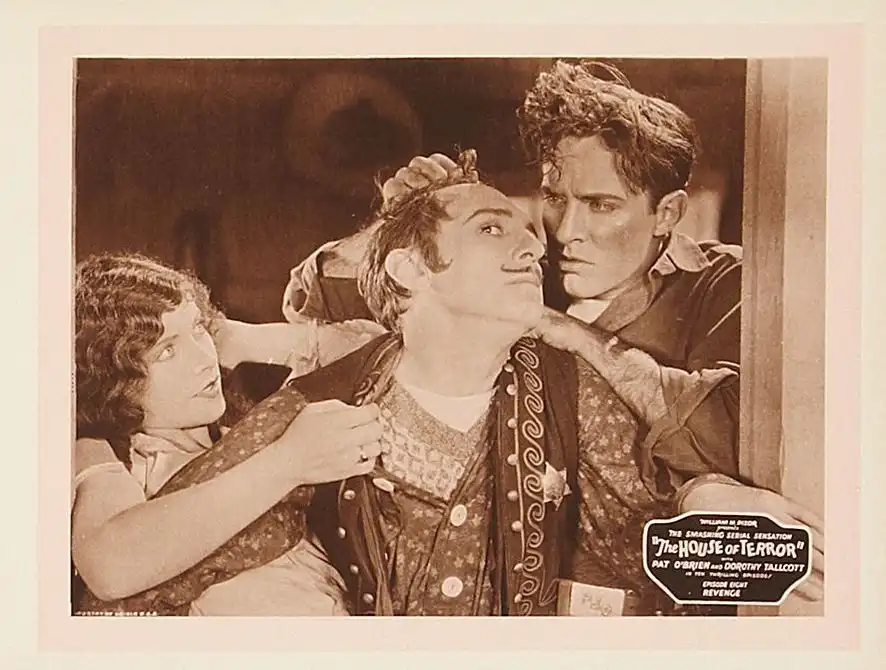
The 'terror' itself is pretty low-key. A hand reaching out from behind a curtain, a sudden gust of wind, a phone ringing loudly. It’s less about genuine fright and more about a series of minor disturbances. The film never quite commits to being truly scary, instead settling for a persistent, low-level unease that occasionally tips into the absurd.
Near the climax, there’s a chase sequence through the house. It’s so choppily edited that any sense of spatial awareness is completely lost. One minute someone is in the library, the next they've magically teleported to the attic. It's almost comical, like a kid playing with action figures and just moving them wherever they need to be to advance the story. You don’t feel the tension of the pursuit, just a sense of geographical confusion.
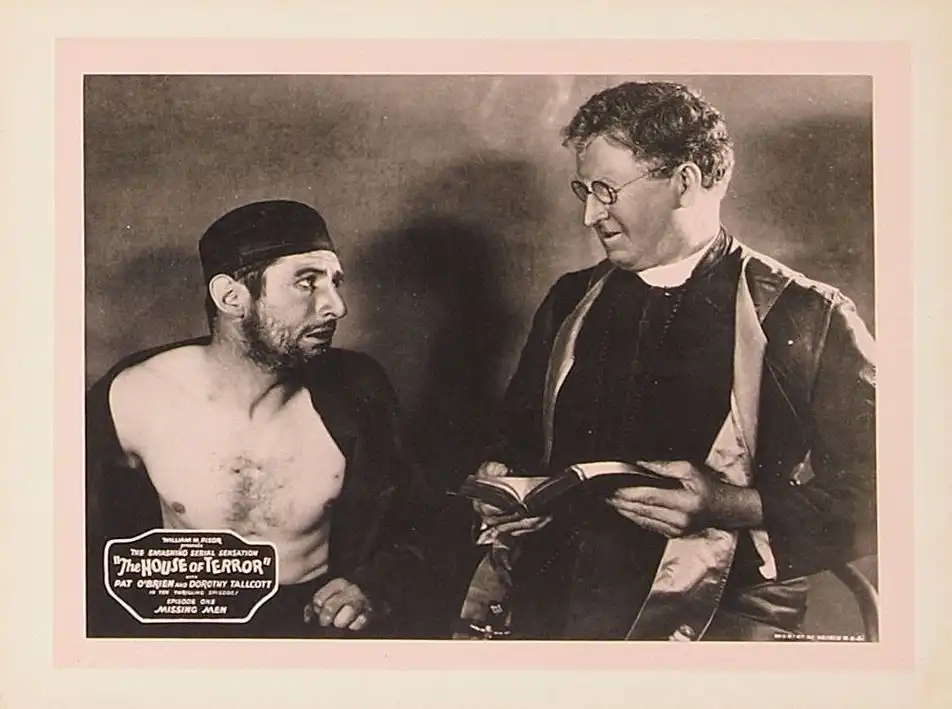
However, amidst all the oddities, there's one brief shot that actually works. A quick glimpse through a rain-streaked window, and you see a figure silhouetted against the night sky, perfectly still. It’s genuinely creepy, a fleeting moment of effective visual terror that stands out. It’s a shame there aren’t more such instances. It shows they *could* do it, they just... didn't, most of the time.
The ending, when it finally arrives, feels a bit rushed. The big reveal of the culprit and their motives is delivered with such a lack of fanfare, you might actually miss it if you blink. It’s like the film suddenly realized it was running out of runtime. And then everyone just sort of shrugs and moves on, without much lingering trauma or reflection. Just, 'Well, that's that then.'
So, is The House of Terror a good movie? Probably not, by most metrics. But it’s a fascinating one. It’s a relic, a collection of curious choices and dated techniques that make it oddly compelling if you’re in the right frame of mind. You find yourself dissecting the awkward pauses, the strange cuts, the moments where the film seems to forget what genre it’s in. It’s not going to thrill you, but it might give you a chuckle, or at least a lot to talk about with fellow B-movie enthusiasts. It’s a piece of history, and sometimes, that’s enough.
IMDb —
1913
Community
Log in to comment.