DbcultAccessing Vault...
Cult Review
Senior Film Conservator
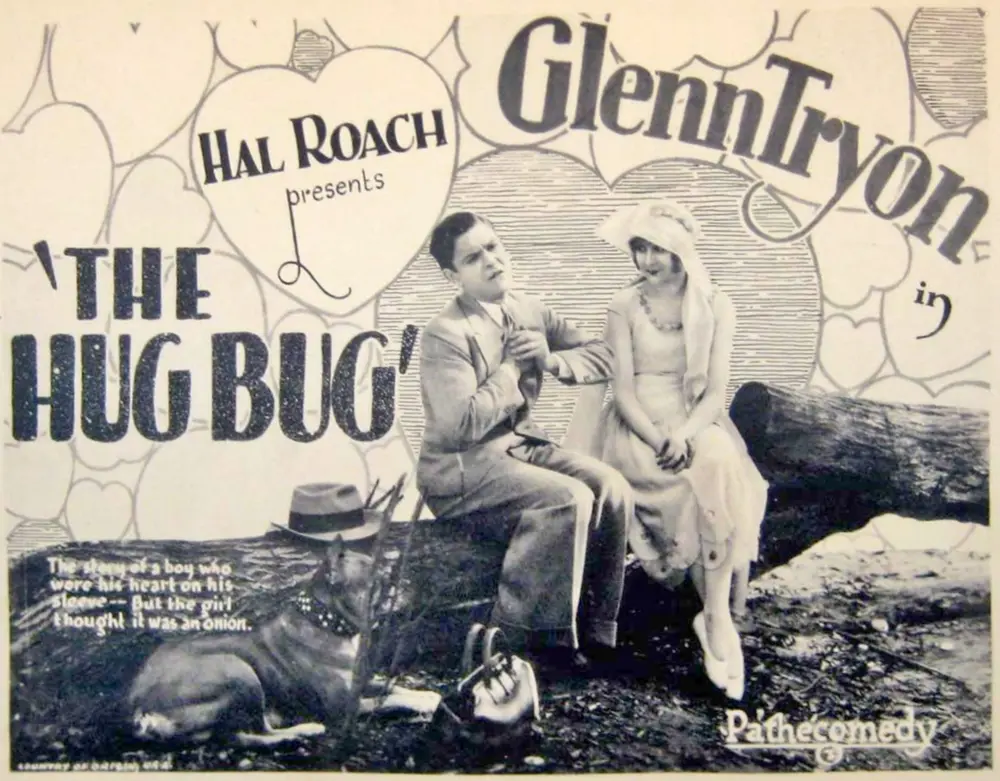
Is The Hug Bug worth watching in the modern era of high-speed digital comedy? Short answer: yes, but primarily for those who appreciate the raw, mechanical precision of silent-era slapstick over nuanced character development. This is a film for the historians and the lovers of physical timing, not for those seeking a deep romantic narrative.
This film works because it builds a claustrophobic social tension that can only be resolved through a literal explosion of action. It fails because the initial setup of the 'boyfriend party' feels repetitive and lacks the sharp wit found in the works of Buster Keaton. You should watch it if you want to see a textbook example of how Hal Roach used high-stakes peril to resolve romantic subplots.
For the casual viewer, The Hug Bug might feel like a relic of a bygone age, but for anyone interested in the evolution of the 'action-comedy' genre, it is an essential piece of the puzzle. It manages to bridge the gap between simple situational humor and the high-octane rescue sequences that would later define the studio system's approach to climax. It is short, punchy, and delivers on its promise of chaos.
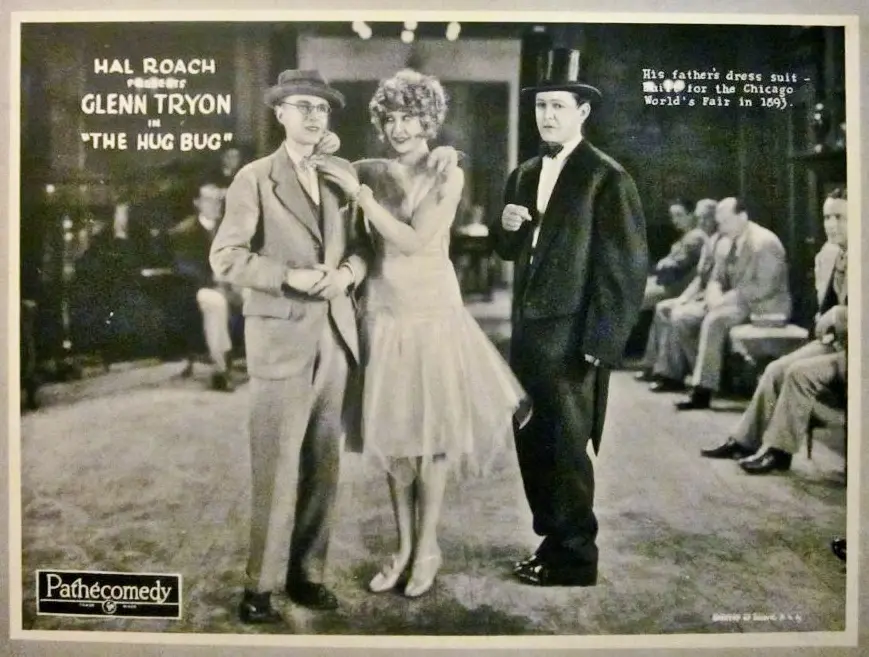
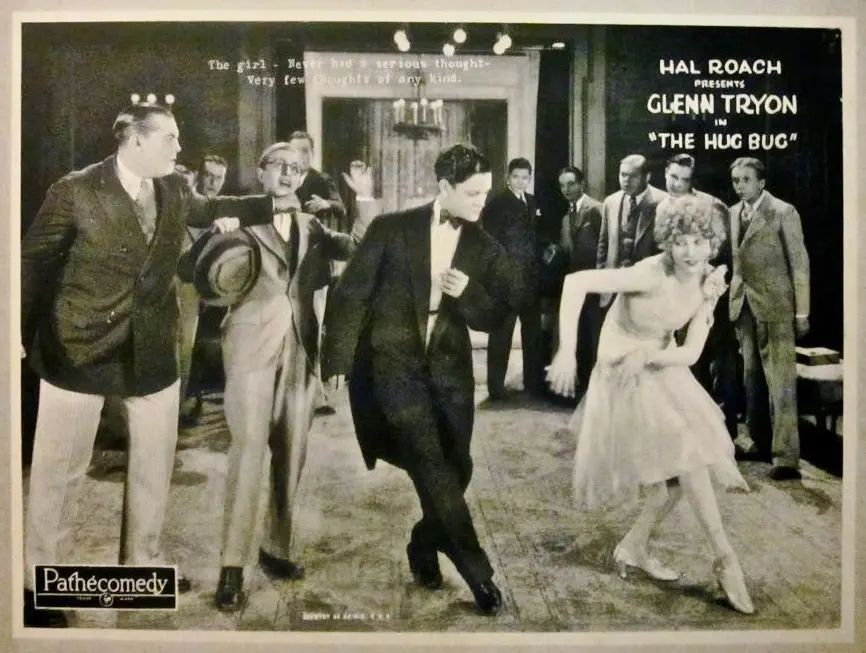
The premise of The Hug Bug is fundamentally rooted in the anxiety of competition. Glen, played with a frantic energy by Glenn Tryon, is not your typical alpha-male lead. He is a man under pressure. The sight of a dozen men all sitting in the same parlor, all clutching flowers or small tokens of affection for Katherine, is a visual gag that still resonates today. It captures that universal fear of being just another face in the crowd.
However, the film doesn't spend enough time differentiating these rivals. In a similar vein to What Fools Men, the male ego is the primary target of the satire. But where other films might give each suitor a specific quirk, The Hug Bug treats them as a monolithic obstacle for Glen to overcome. This makes the first half of the film feel a bit like a waiting game. We are waiting for the social bubble to burst, and Roach knows exactly how to pop it.
Glenn Tryon’s performance is the glue holding this short together. Unlike the more athletic exploits seen in The Tornado, Tryon’s movements are jerky and nervous. He feels like a man who is constantly one step behind until the moment of crisis. This makes his eventual transition into a rescuer more satisfying. He doesn't save Katherine because he is the strongest; he saves her because he is the most desperate.
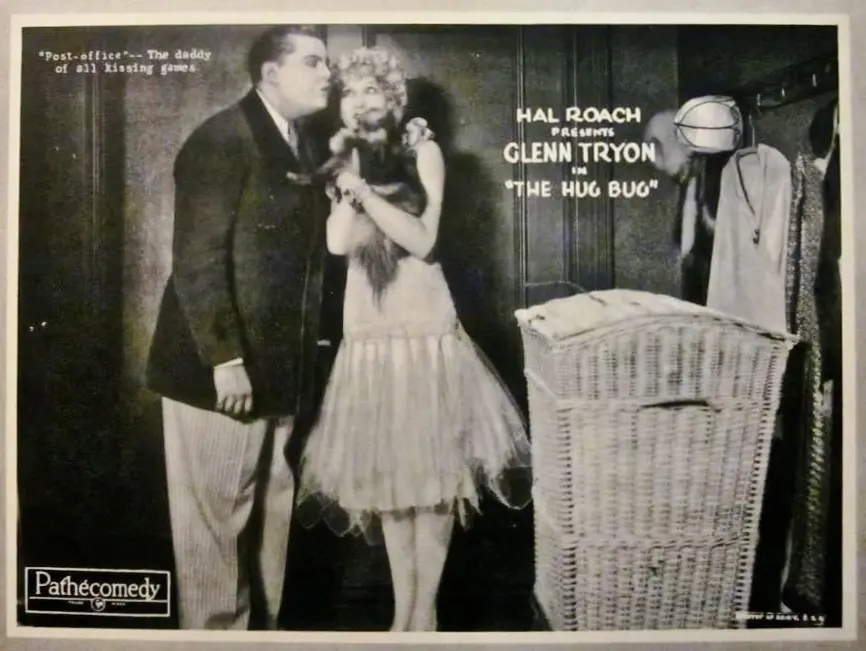
There is a specific moment in the parlor where Tryon attempts to hide his jealousy behind a forced smile. The camera lingers just long enough to see the mask slip. It is a rare moment of subtle acting in a film that otherwise relies on broad gestures. Contrast this with the more stoic performances in Just Suppose, and you see the unique lane Tryon was carving out for himself.
The shift from the drawing-room comedy to the fire rescue is jarring in the best way possible. When the smoke begins to billow from the upper floor, the film sheds its romantic pretenses and becomes a visceral survival piece. The use of real fire on set—a common but terrifying practice of the time—lends the scenes a level of danger that CGI simply cannot replicate. You can see the genuine hesitation in the actors' eyes as they navigate the burning staircase.
The pacing here is relentless. While Tire Trouble focuses on the frustration of mechanical failure, The Hug Bug focuses on the terror of environmental collapse. The rescue itself is choreographed with the precision of a dance. Glen’s ascent into the smoke-filled room is shot with high-contrast lighting that makes the orange glow of the flames feel oppressive. It is a moment where the film transcends its 'short comedy' label and touches on something genuinely thrilling.
Hal Roach was a master of the assembly line laugh. He understood that audiences wanted a clear setup, a middle-act escalation, and a high-energy payoff. The Hug Bug follows this to a fault. When compared to his other works like Just Cowboys, there is a clear preference for urban domesticity being upended by disaster. Roach liked to take the 'civilized' world and set it on fire, literally or figuratively.
One could argue that the film is too formulaic. It lacks the experimental edge found in The Soul of Buddha or the atmospheric dread of The Secret Kingdom. But Roach wasn't trying to reinvent cinema; he was trying to entertain a crowd for twenty minutes. In that regard, the film is an unqualified success. It doesn't overstay its welcome. It hits the beats and exits the stage.
It is easy to dismiss Katherine Grant’s role as the 'damsel in distress,' but her initial plan to invite all her suitors to one party suggests a level of agency and perhaps a bit of cruelty. She is testing them. She is the architect of the chaos that Glen must navigate. While she spends the final act trapped, her presence in the first act is what drives the entire narrative engine. It’s a dynamic we see explored with more gravity in Eve's Lover, but here it is played for laughs.
"The fire isn't just a plot device; it's a filter for cowardice that separates the men from the boys in Katherine's parlor."
Pros:
- Excellent physical comedy from Glenn Tryon.
- Genuine tension during the fire sequence.
- Efficient runtime that respects the viewer's time.
- A fascinating snapshot of 1920s social etiquette.
Cons:
- The supporting cast is largely interchangeable.
- The 'damsel' trope is handled with very little nuance.
- Some gags feel dated by modern standards.
The Hug Bug is a loud, sweaty, and ultimately charming piece of silent cinema. It doesn't have the poetic grace of A Petal on the Current or the prestige of The Pretenders, but it has a heart of pure adrenaline. It works. But it’s flawed. The film is a reminder that sometimes the best way to win a heart is not through flowers or poetry, but by being the only person in the room who doesn't run away when the roof starts falling in. If you have twenty minutes and an appreciation for the history of the gag, The Hug Bug is a bug you won't mind catching.
IMDb —
1919
Community
Log in to comment.